विद्युत नियंत्रण कैबिनेट
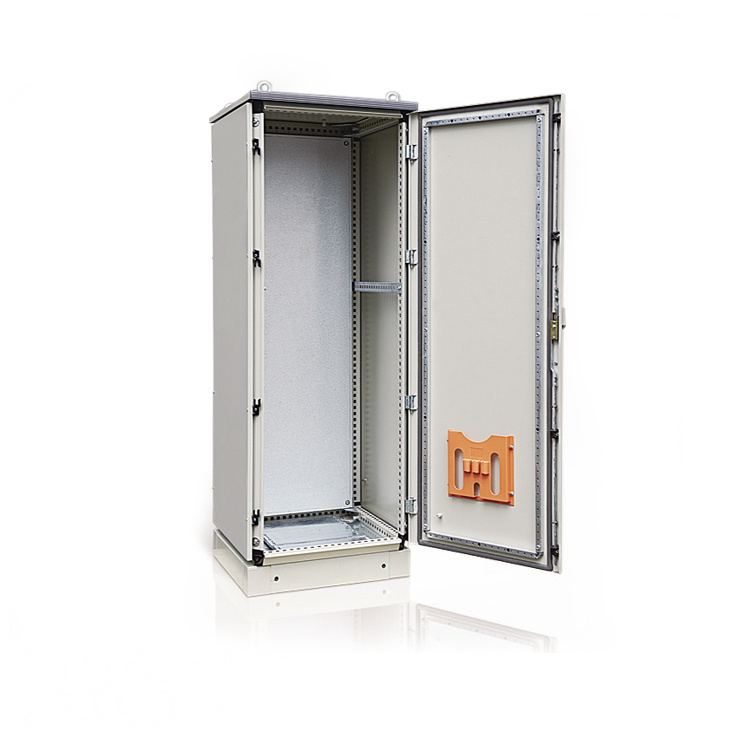
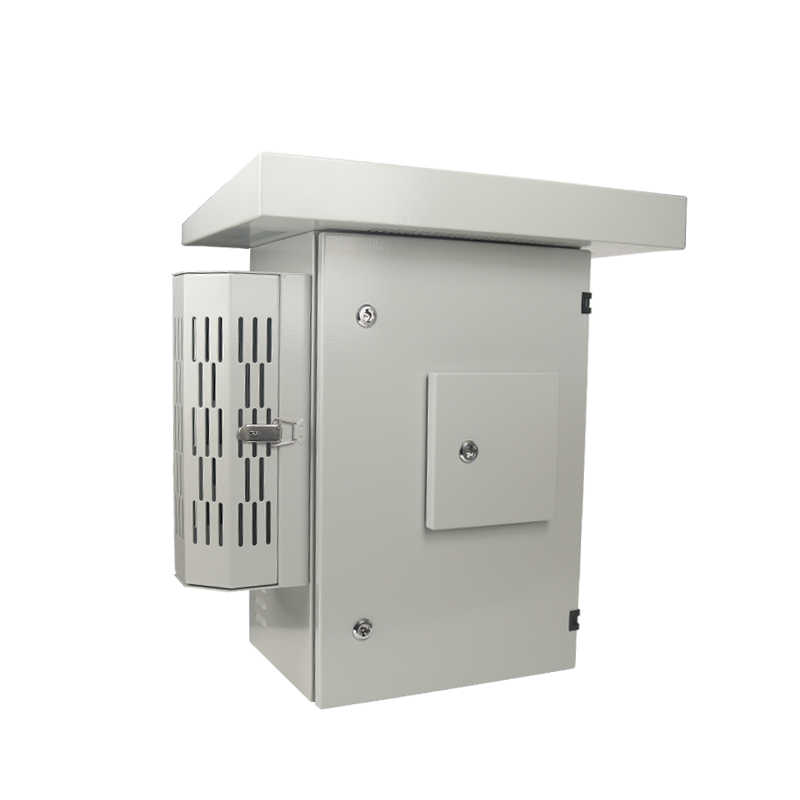
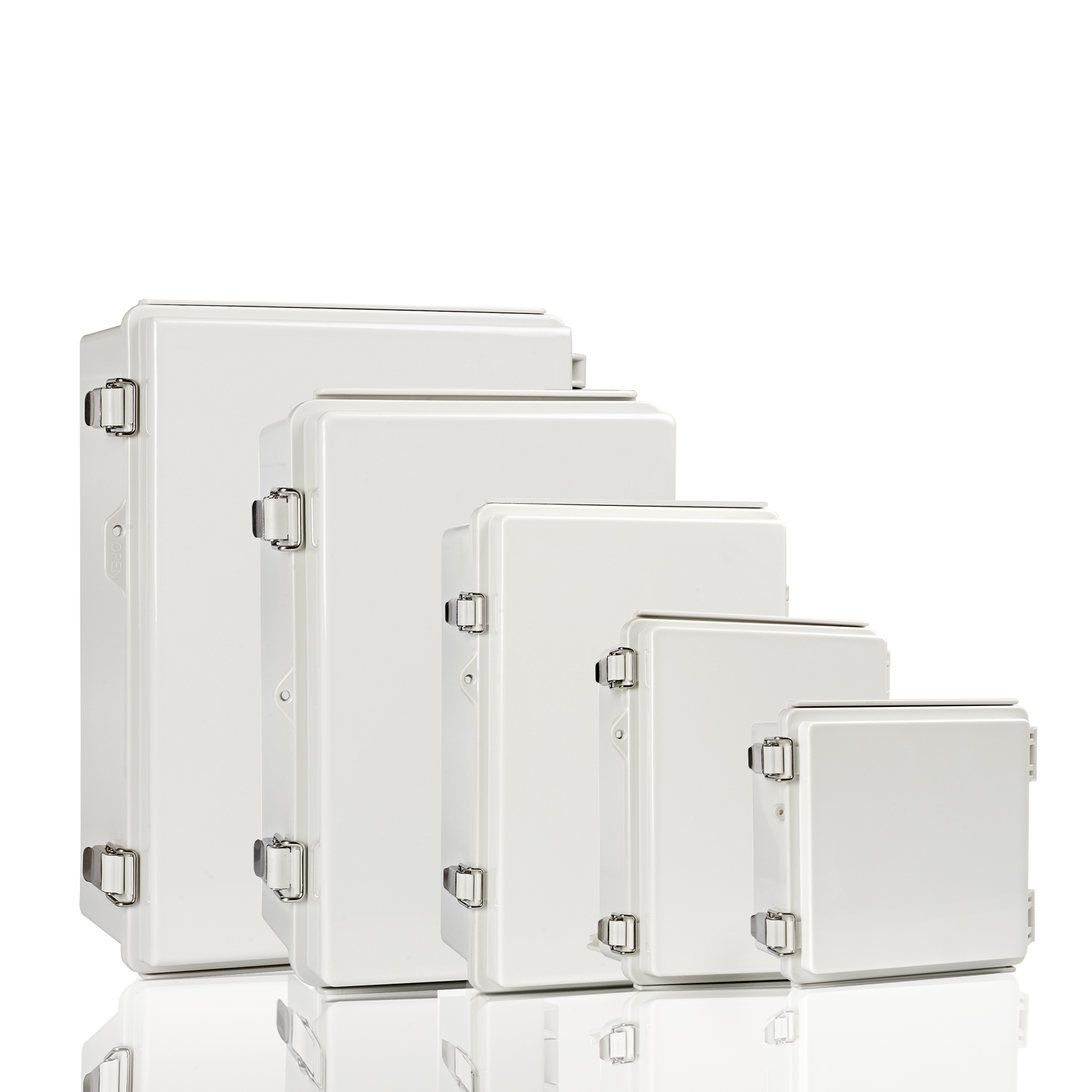
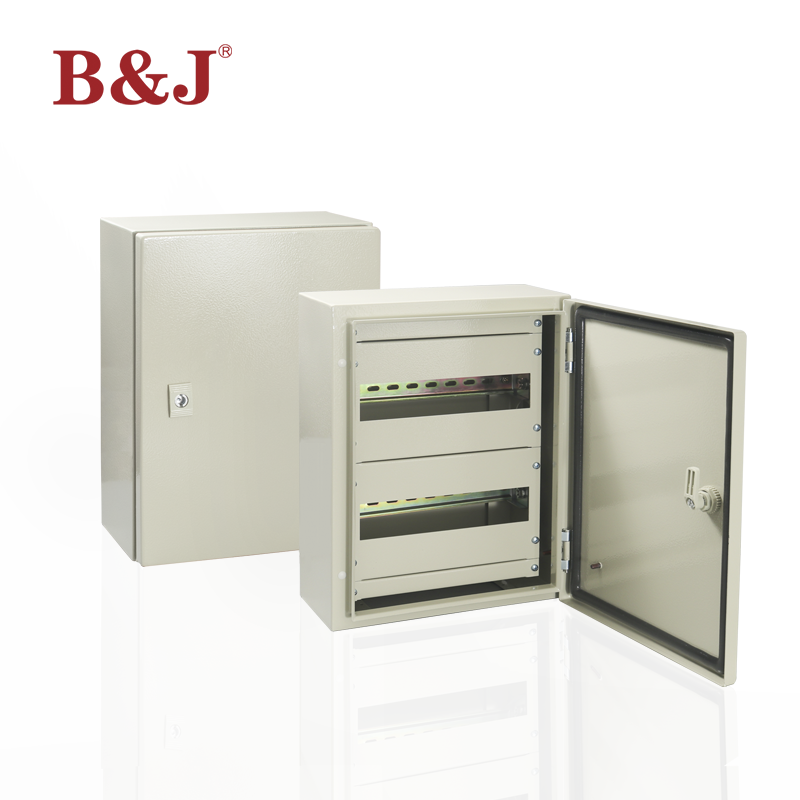
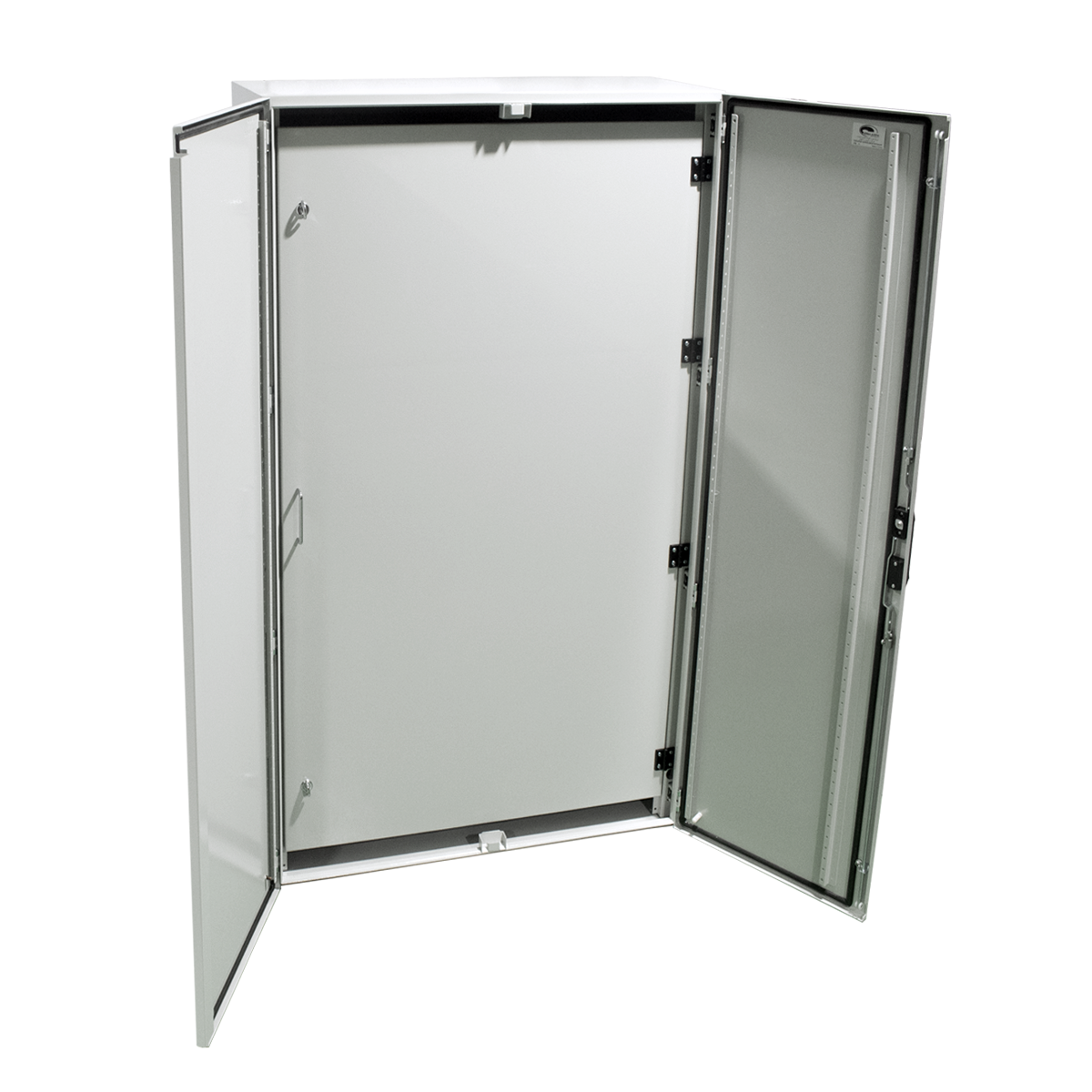
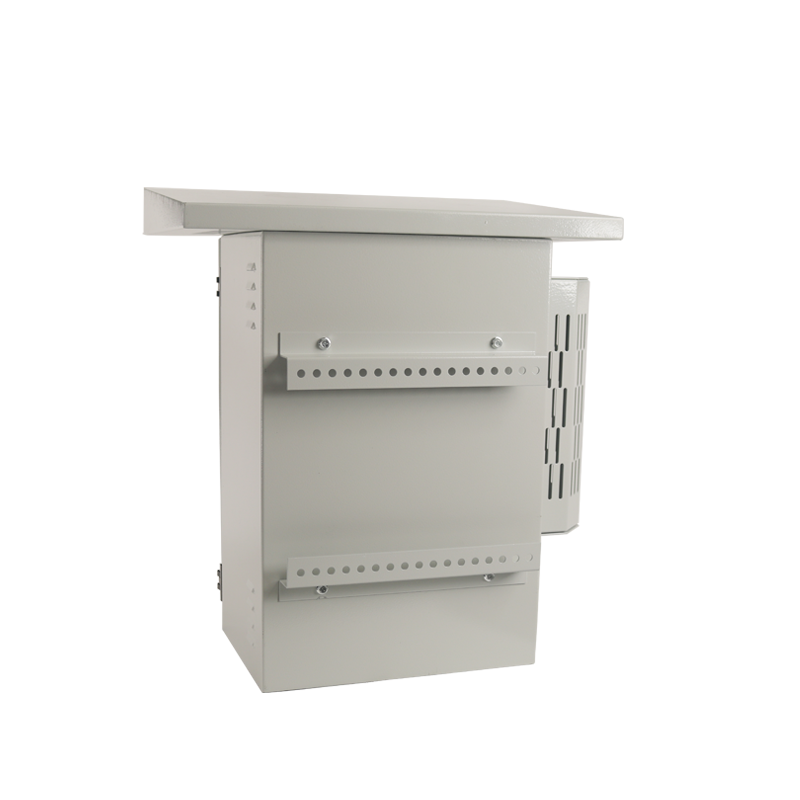
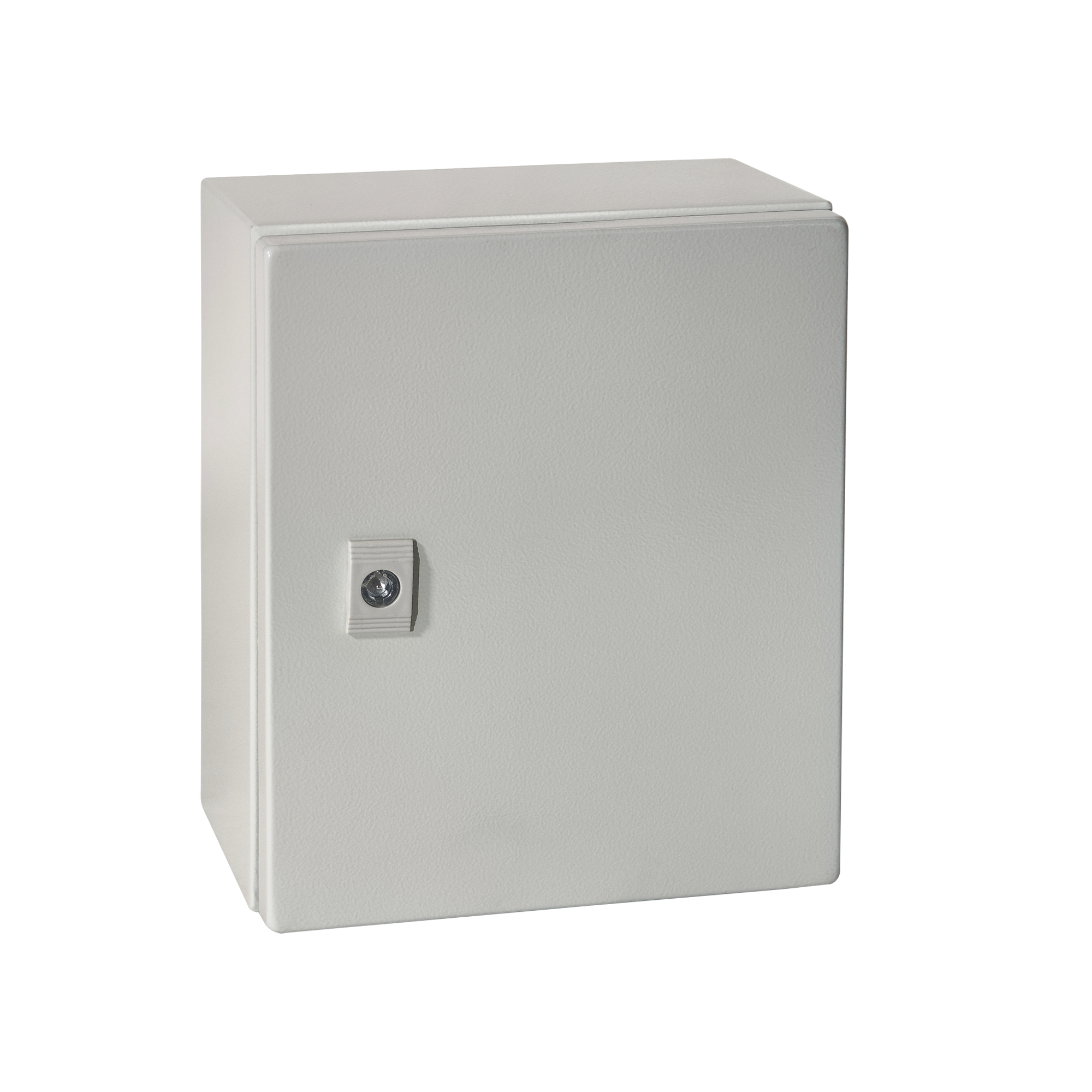
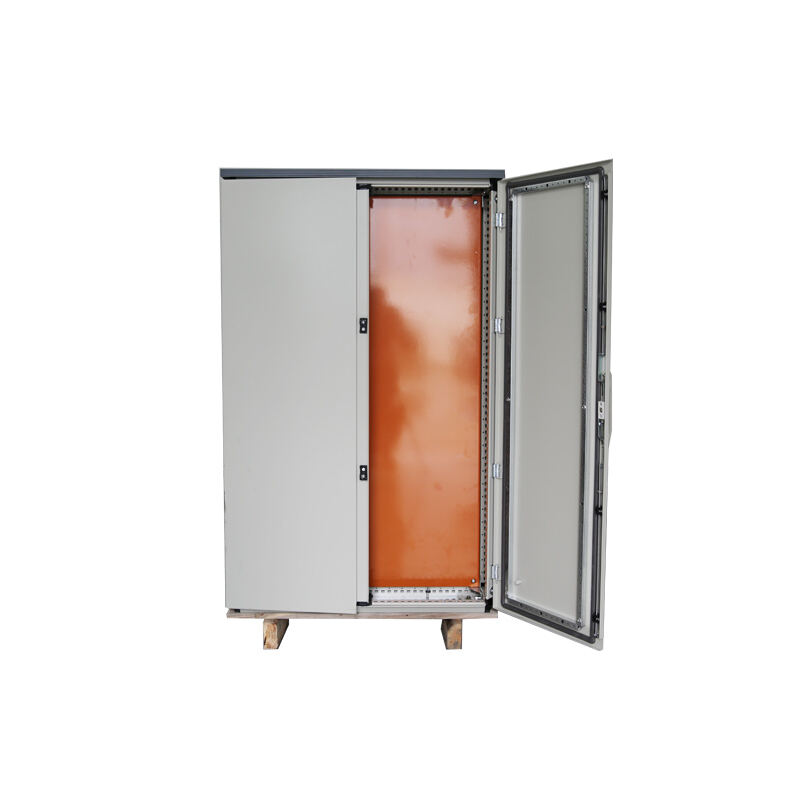
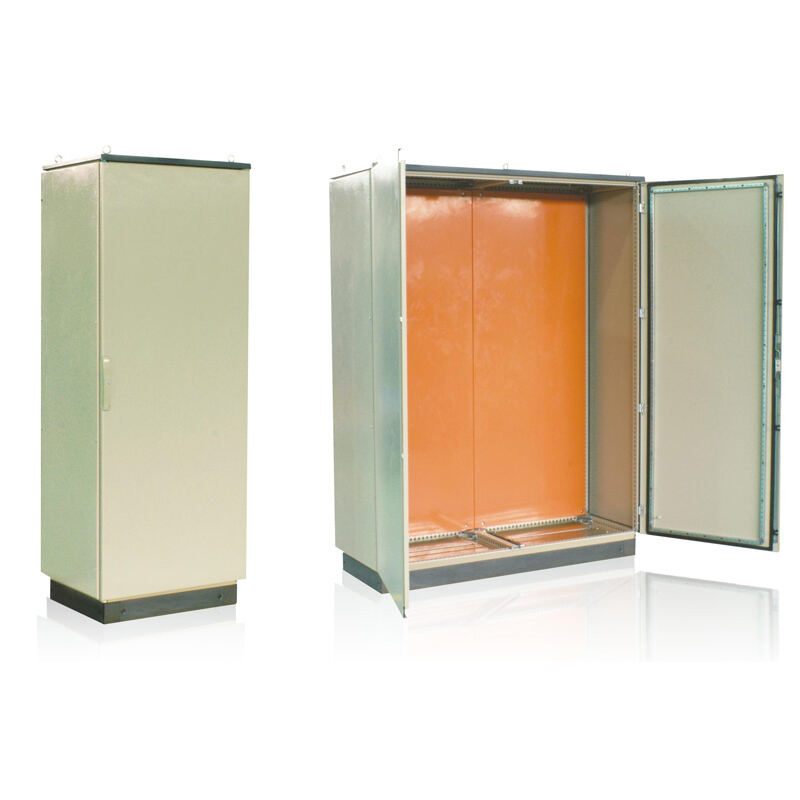
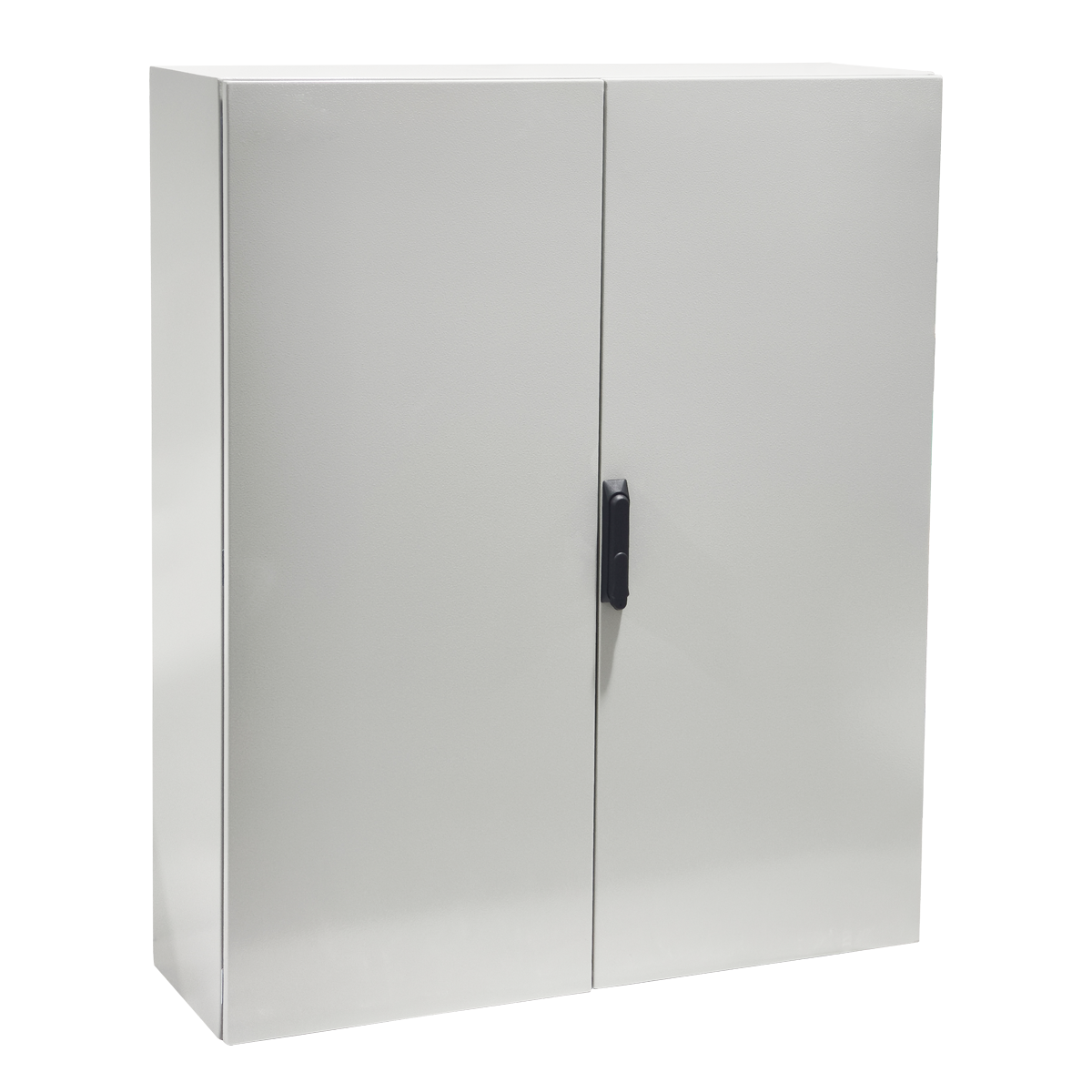
एक विद्युत नियंत्रण कैबिनेट एक उन्नत आवरण प्रणाली का प्रतिनिधित्व करता है, जिसे औद्योगिक स्वचालन प्रक्रियाओं को प्रबंधित करने वाले महत्वपूर्ण विद्युत घटकों को संग्रहित करने और सुरक्षित रखने के लिए डिज़ाइन किया गया है। यह आवश्यक अवसंरचना घटक विनिर्माण ऑपरेशन, बिजली वितरण नेटवर्क और जटिल मशीनरी प्रणालियों के लिए केंद्रीय तंत्रिका तंत्र के रूप में कार्य करता है। विद्युत नियंत्रण कैबिनेट में सर्किट ब्रेकर, कॉन्टैक्टर, रिले, प्रोग्रामेबल लॉजिक कंट्रोलर्स (PLC), मानव-मशीन इंटरफेस (HMI) और विभिन्न निगरानी उपकरणों सहित कई सुरक्षात्मक और संचालनात्मक तत्वों का एकीकरण किया जाता है, जो सभी एक सुरक्षित धातु आवरण के भीतर स्थित होते हैं। आधुनिक विद्युत नियंत्रण कैबिनेट के डिज़ाइन में उन्नत सामग्री और इंजीनियरिंग सिद्धांतों को शामिल किया गया है, ताकि मांगपूर्ण औद्योगिक परिस्थितियों के तहत इष्टतम प्रदर्शन सुनिश्चित किया जा सके। कैबिनेट का प्राथमिक कार्य विद्युत संकेतों के समन्वयन, बिजली वितरण के प्रबंधन और जुड़े हुए उपकरणों और प्रक्रियाओं पर वास्तविक समय में नियंत्रण प्रदान करना है। ये प्रणालियाँ आपातकालीन बंद कार्यक्षमता, अतिभार सुरक्षा और दोष का पता लगाने की क्षमता सहित व्यापक सुरक्षा तंत्रों से सुसज्जित होती हैं, जो उपकरण क्षति को रोकती हैं और ऑपरेटर की सुरक्षा सुनिश्चित करती हैं। विद्युत नियंत्रण कैबिनेट मानकीकृत माउंटिंग प्रणालियों का उपयोग करता है, जिससे तकनीशियन घटकों को कुशलतापूर्वक व्यवस्थित कर सकते हैं, साथ ही रखरोट और त्रुटि निवारण के लिए उनकी पहुँच बनाए रख सकते हैं। उन्नत मॉडलों में स्मार्ट तकनीक की सुविधाएँ शामिल होती हैं, जैसे दूरस्थ निगरानी क्षमता, भविष्यात्मक रखरोट अलर्ट और नेटवर्क कनेक्टिविटी विकल्प, जो उद्यम प्रबंधन प्रणालियों के साथ सुग्गी एकीकरण को सक्षम बनाते हैं। प्रत्येक विद्युत नियंत्रण कैबिनेट का मज़बूत निर्माण उग्र वातावरणों में विश्वसनीय संचालन सुनिश्चित करता है, जिससे संवेदनशील इलेक्ट्रॉनिक्स को धूल, नमी, तापमान में उतार-चढ़ाव और विद्युत चुंबकीय हस्तक्षेप से सुरक्षा प्रदान की जाती है। ये कैबिनेट विभिन्न वोल्टेज स्तरों और धारा क्षमताओं का समर्थन करते हैं, जो छोटे पैमाने के स्वचालन परियोजनाओं से लेकर बड़े औद्योगिक स्थापनाओं तक विविध अनुप्रयोग आवश्यकताओं को पूरा करते हैं। मॉड्यूलर डिज़ाइन दृष्टिकोण कस्टमाइज़ेशन और विस्तार की अनुमति देता है, जिससे व्यवसाय अपनी नियंत्रण प्रणालियों को पूर्ण प्रणाली प्रतिस्थापन के बिना बदलती ऑपरेशनल आवश्यकताओं के अनुसार बढ़ा सकते हैं।
 EN
EN