Superior Corrosion Resistance and Material Durability
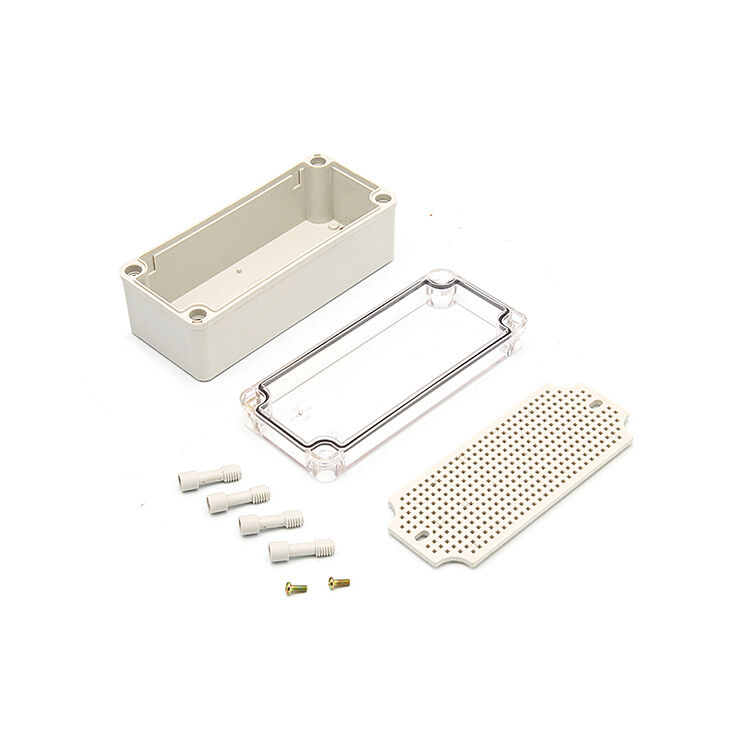
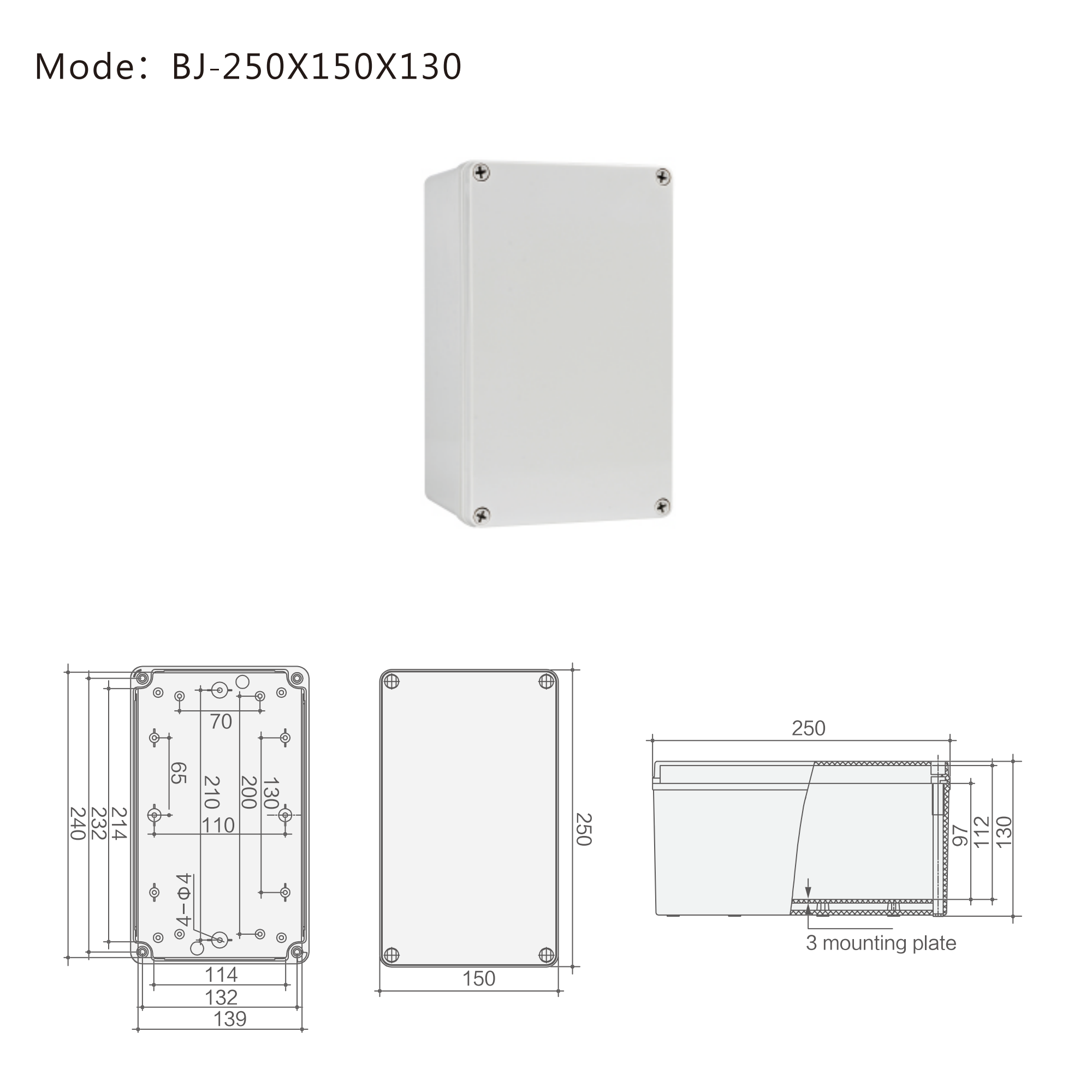
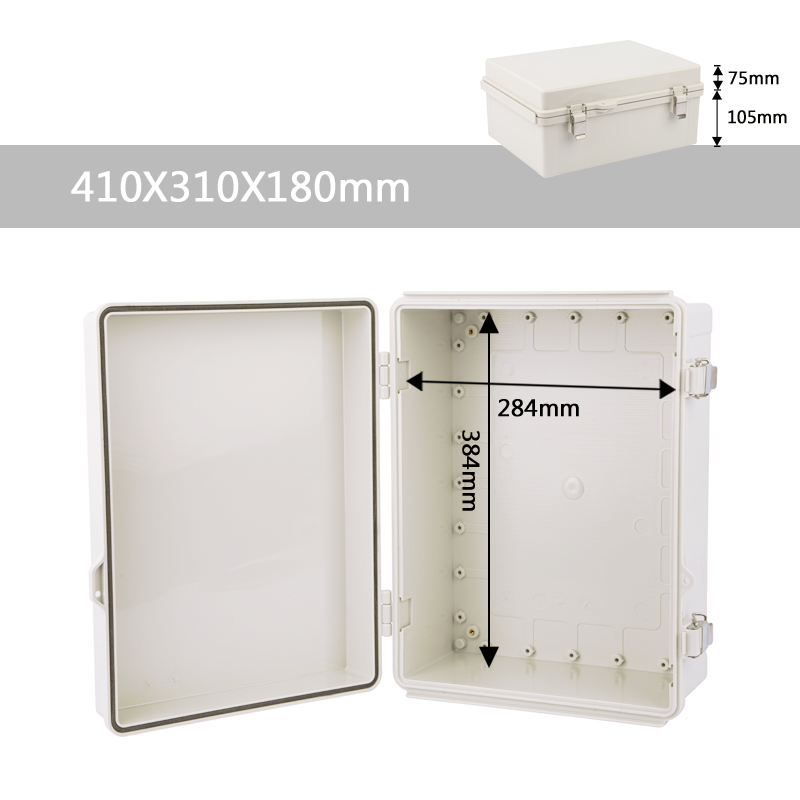
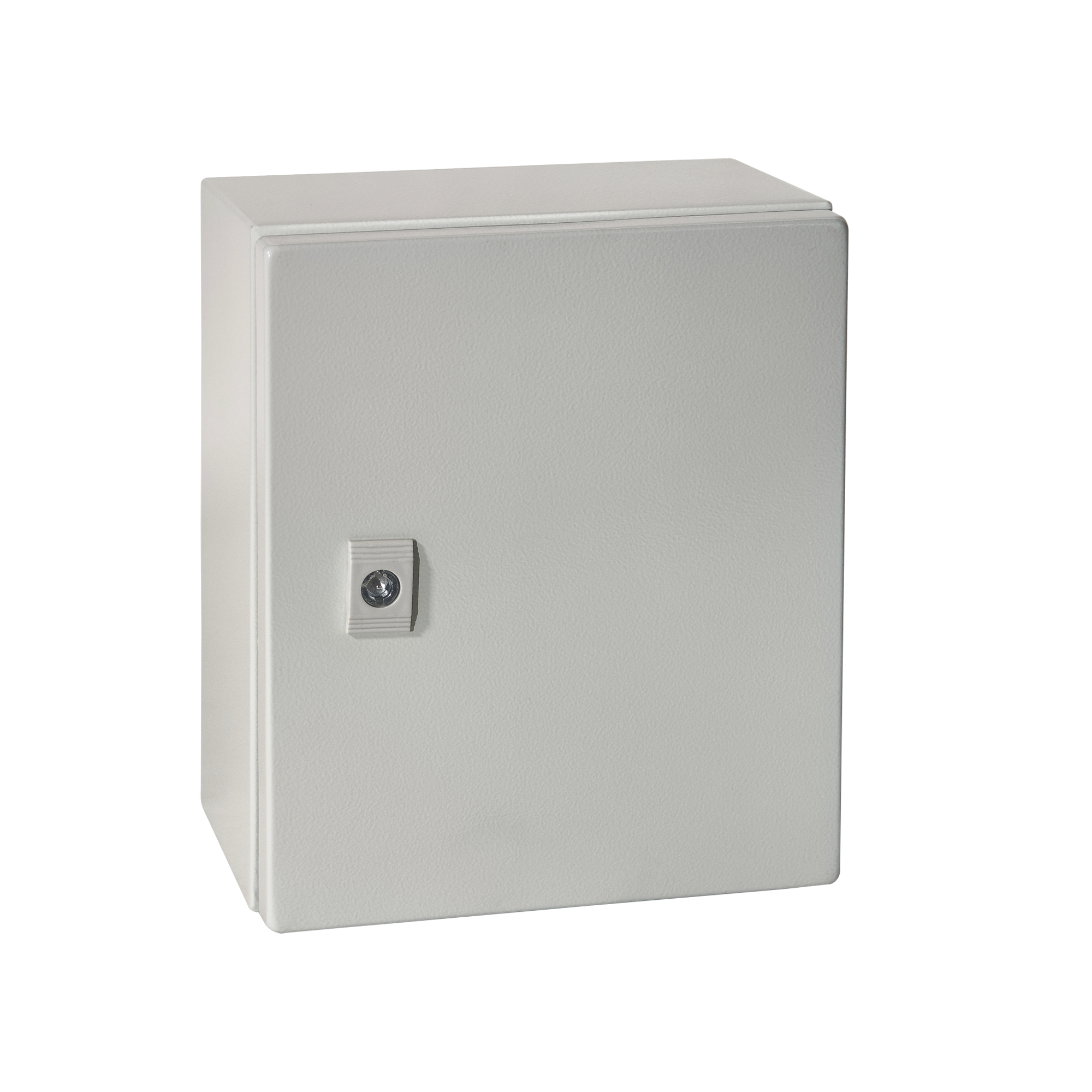
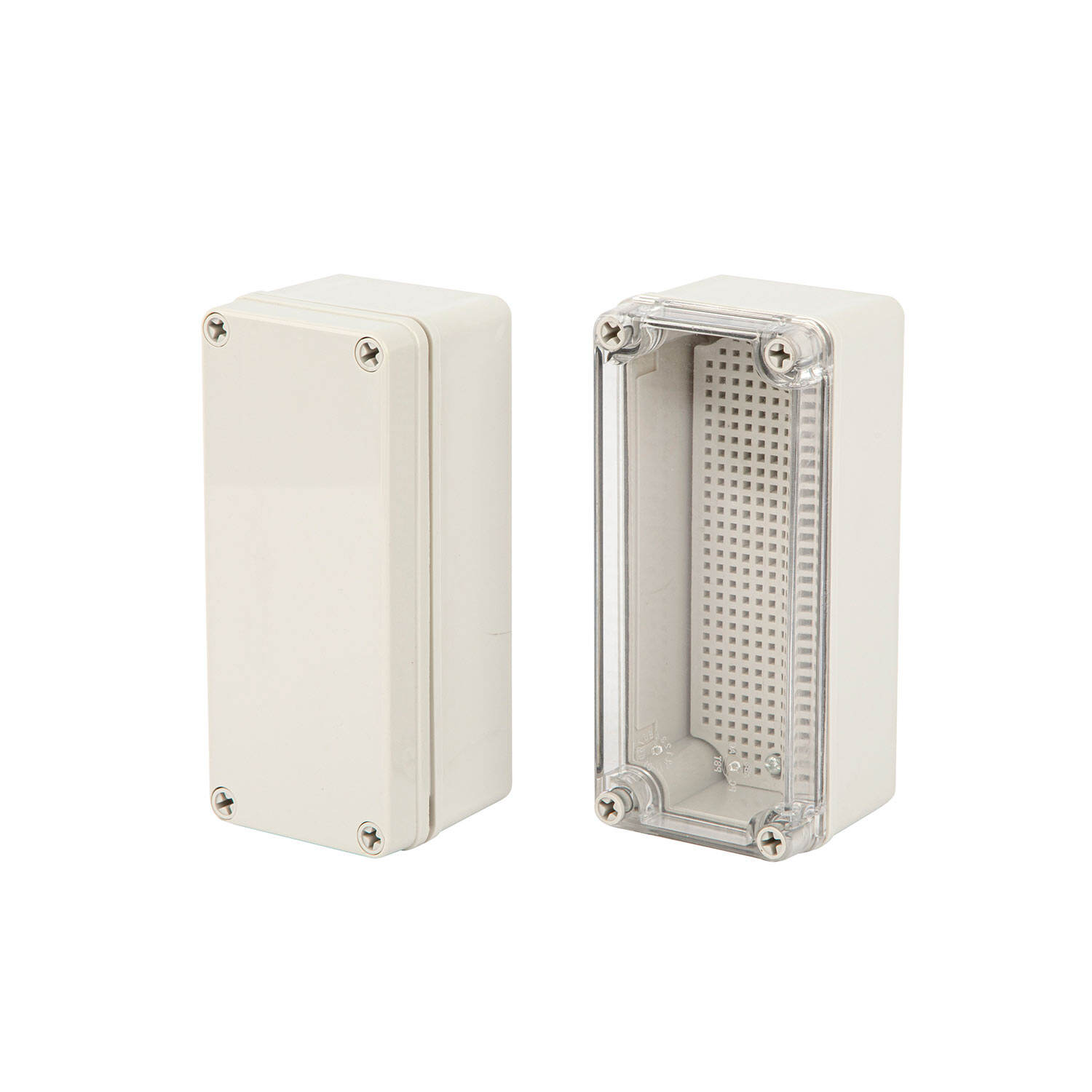
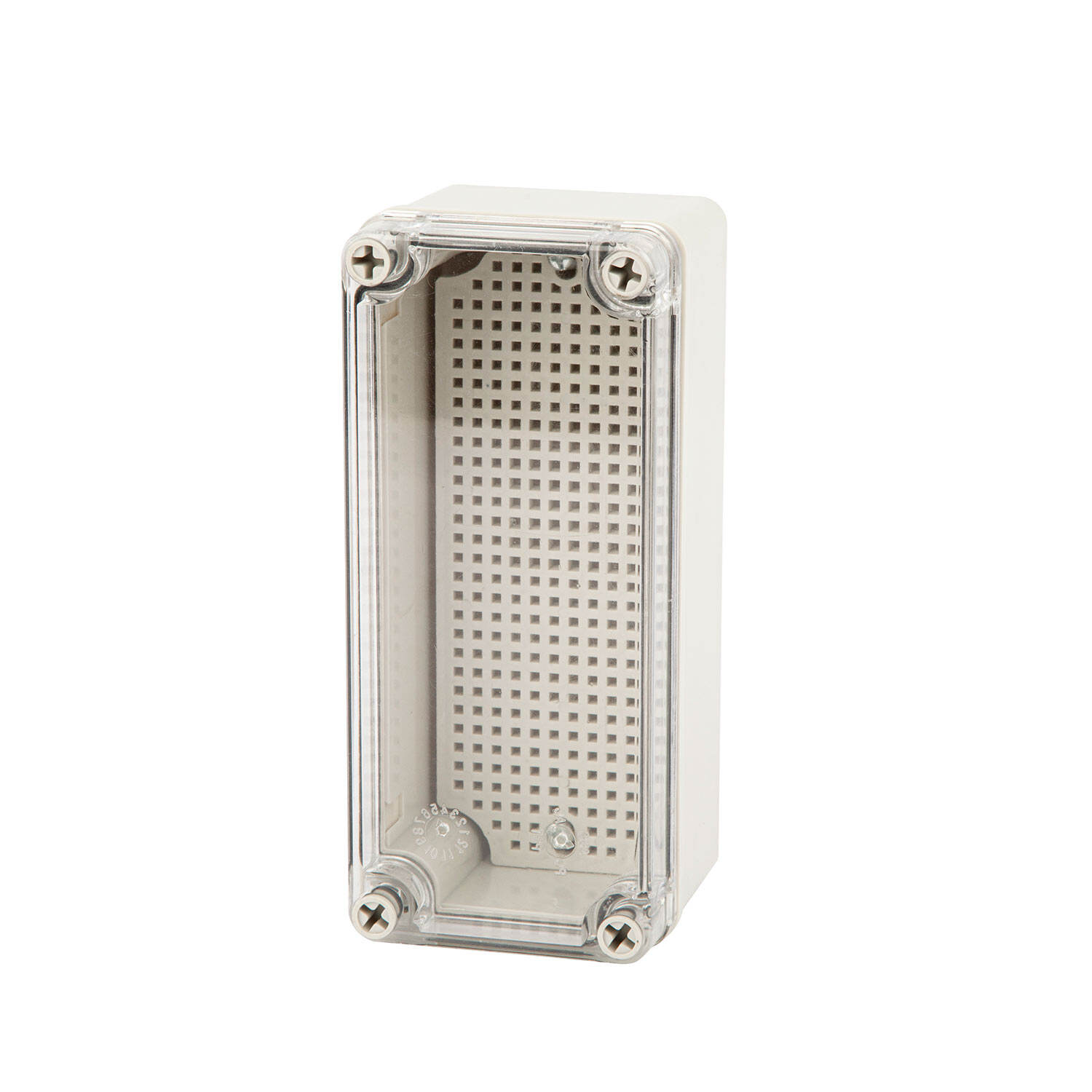
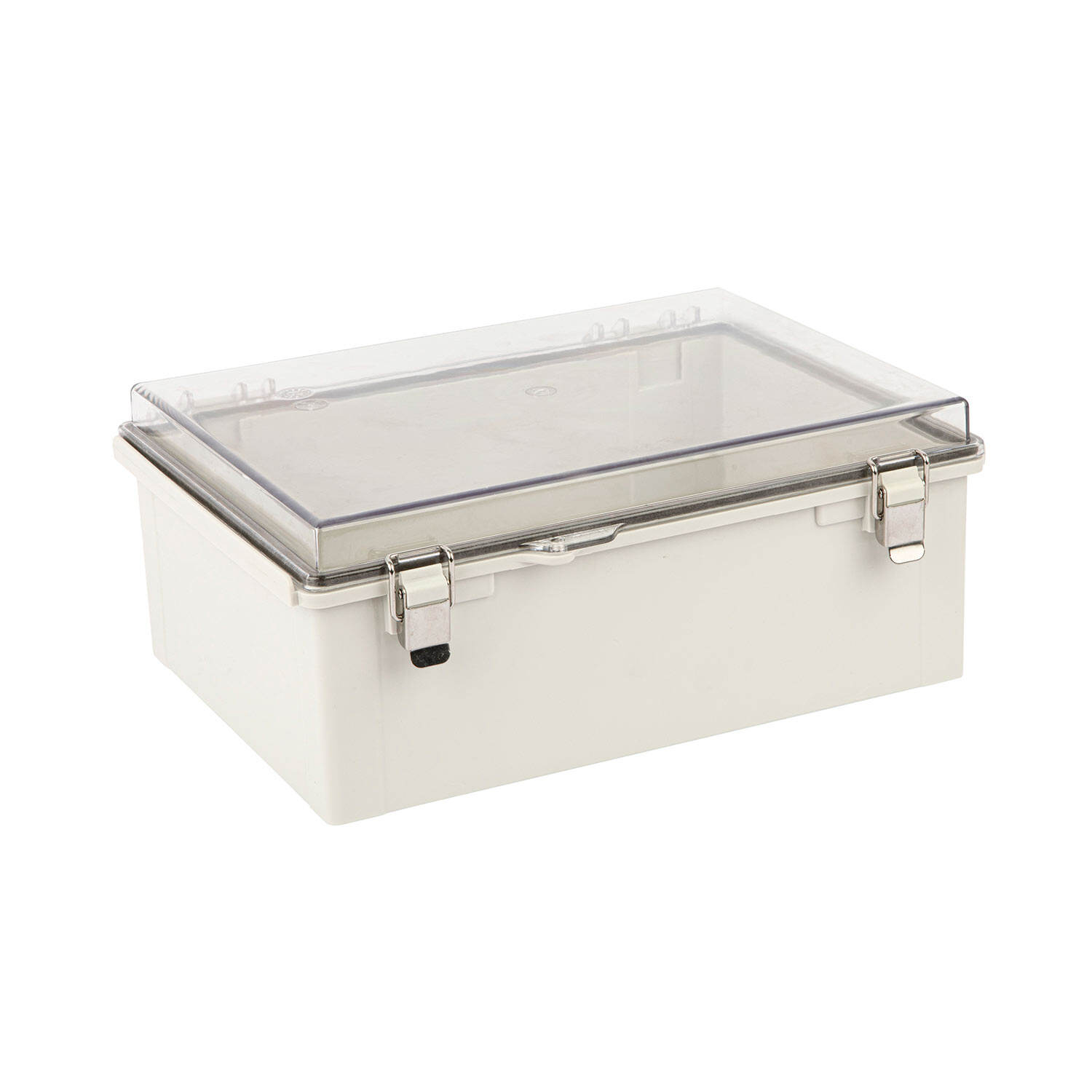
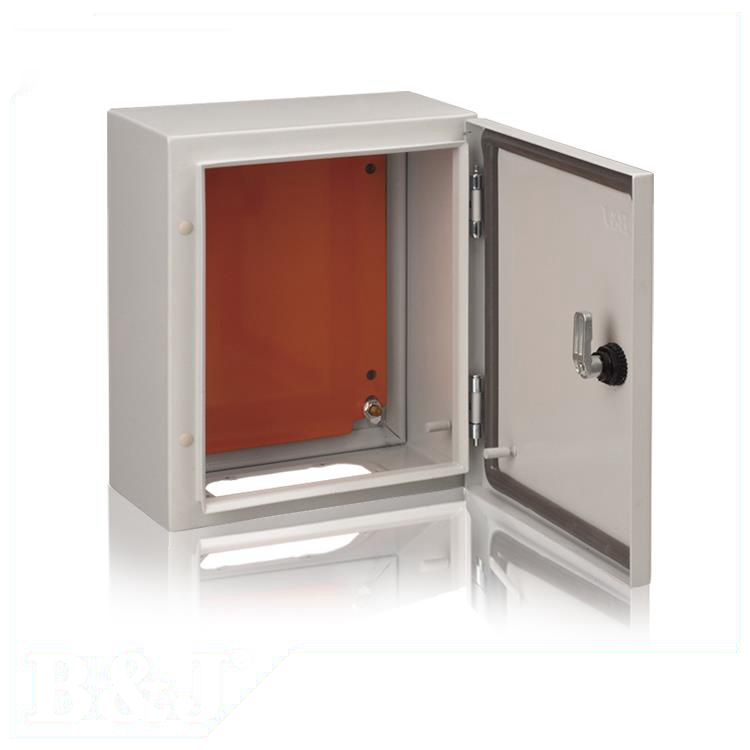
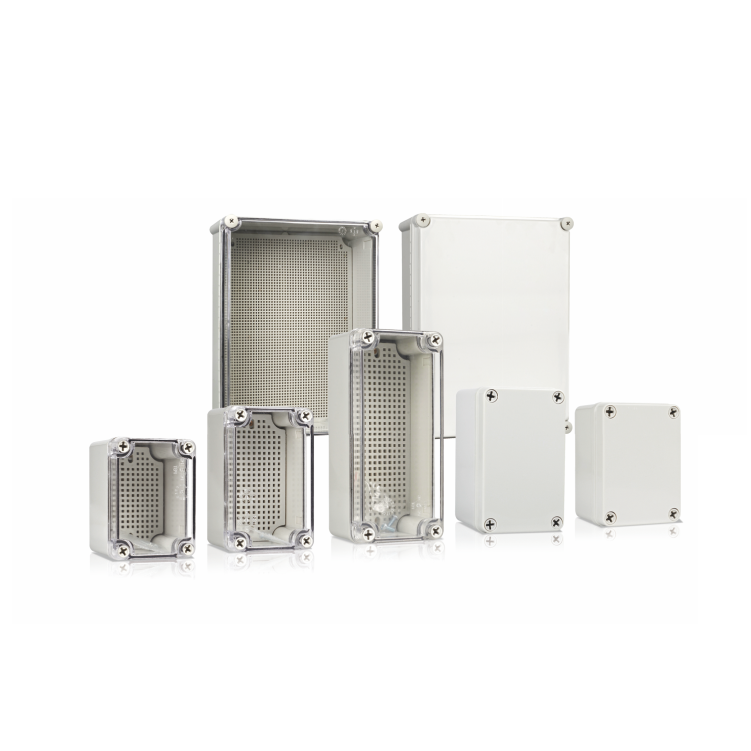
Material selection represents a crucial factor in electrical waterproof cabinet performance, with modern designs utilizing advanced alloys, composites, and surface treatments that provide exceptional resistance to corrosion, chemical attack, and environmental degradation. The construction materials of premium electrical waterproof cabinet solutions undergo rigorous testing to ensure they can withstand prolonged exposure to saltwater, industrial chemicals, ultraviolet radiation, and extreme temperature variations without compromising structural integrity or protective capabilities. Stainless steel electrical waterproof cabinet models typically employ 316L grade stainless steel, which contains molybdenum additions that enhance corrosion resistance in marine and chemical environments. This material choice ensures that the cabinet maintains its protective properties even when exposed to chlorides, acids, and other aggressive substances commonly found in industrial applications. The surface finish of stainless steel electrical waterproof cabinet designs often includes electropolishing or passivation treatments that create a smooth, non-porous surface that resists contamination buildup and facilitates easy cleaning and maintenance. Aluminum alloy electrical waterproof cabinet constructions utilize marine-grade alloys with specialized anodizing treatments that provide excellent corrosion protection while maintaining lightweight characteristics beneficial for installation and handling. These treatments create a hard, durable oxide layer that prevents oxidation and provides excellent paint adhesion for additional protective coatings. The powder coating systems applied to aluminum electrical waterproof cabinet surfaces offer superior durability compared to conventional paint systems, providing enhanced resistance to chipping, scratching, and color fading from ultraviolet exposure. Composite and polymer electrical waterproof cabinet materials represent the latest advancement in enclosure technology, offering exceptional chemical resistance, impact strength, and dimensional stability. These materials eliminate concerns about galvanic corrosion while providing excellent insulation properties and reduced thermal conductivity compared to metallic alternatives. The manufacturing process for composite electrical waterproof cabinet designs allows for complex geometries and integrated features that enhance functionality while maintaining superior protective characteristics throughout their operational lifespan.