 EN
EN

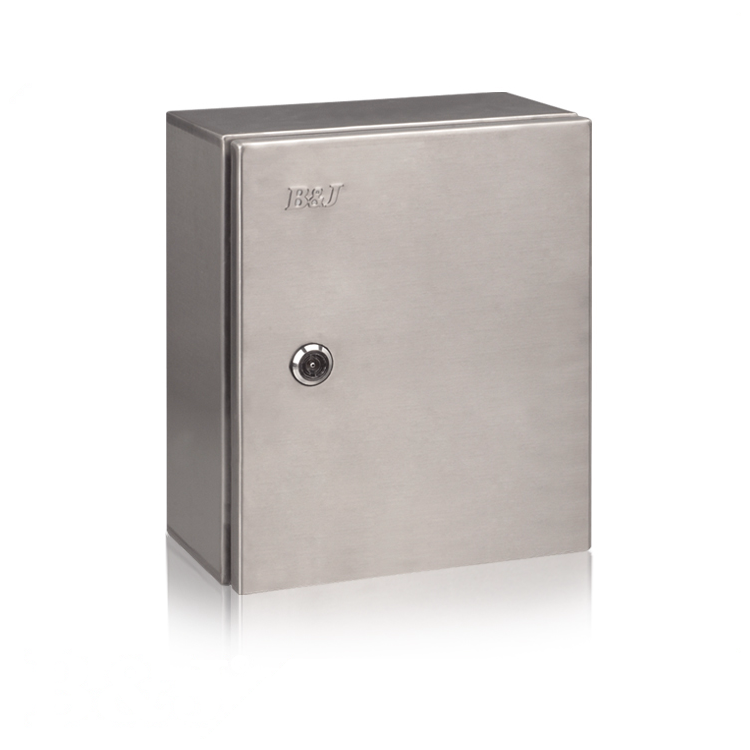
The 2025 EHEDG guidance changes how food plants should evaluate every stainless steel enclosure that sits near product zones, washdown areas, and hygiene-critical utilities. The update is not about cosmetic compliance or paperwork language; it is about reducing retained moisture, preventing microbial harborage, and making validation easier during audits. For engineering and quality teams, the main shift is practical: enclosure selection now needs stronger alignment with cleanability, installation geometry, and repeatable sanitation outcomes. A stainless steel enclosure is no longer treated as a passive electrical box, but as an active part of hygienic design performance.
If your site is planning upgrades in 2025, the most useful way to read the EHEDG framework is through decision criteria, not abstract principles. You need to know which stainless steel enclosure details affect contamination risk, which design choices influence cleaning time, and which documentation proves that your enclosure strategy is robust. This article explains those criteria in operational terms so process engineers, maintenance leads, and compliance managers can make faster and better decisions. It is built specifically around 2025 EHEDG expectations for stainless steel enclosure use in food plants.
What the 2025 EHEDG update changes in enclosure expectations
From ingress protection thinking to hygienic system thinking
A common historical mistake was assuming that a high IP rating alone made a stainless steel enclosure suitable for food processing spaces. In 2025 guidance, EHEDG reinforces that water ingress resistance and hygienic suitability are related but not identical. A stainless steel enclosure can pass ingress tests and still create sanitation challenges through crevices, flat water-retaining surfaces, or inaccessible mounting points. The guideline focus now links enclosure design to cleaning behavior across the full production lifecycle.
This matters for multidisciplinary teams because procurement specifications must now include hygienic geometry language, not only environmental protection classes. Engineering teams should define slope behavior, edge treatment, gasket accessibility, and external hardware profile when specifying a stainless steel enclosure. Quality teams should confirm that these design elements match cleaning SOPs and swab verification plans. When this alignment is missing, audit findings often appear even when the stainless steel enclosure itself seems technically sound.
Higher scrutiny around real-world cleanability evidence
The 2025 interpretation trend emphasizes proof from operation, not assumptions from catalog data. Auditors increasingly ask how each stainless steel enclosure performs after repeated chemical exposure, high-pressure rinse cycles, and thermal variation during sanitation windows. That means plants need practical records showing that finish quality, seal stability, and external interfaces remain cleanable over time. A one-time installation check is no longer enough evidence.
In practice, each stainless steel enclosure should be reviewed with cleaning teams during commissioning, then rechecked as part of routine hygiene verification. Sites that do this well often reduce rework, because enclosure issues are caught before they become chronic contamination risks. A documented sanitation compatibility review also supports CAPA quality when deviations occur. EHEDG-aligned execution treats every stainless steel enclosure as part of a controlled hygienic boundary.
Core design criteria for EHEDG-aligned stainless steel enclosure selection
Surface geometry, weld quality, and drain-friendly form
Under the 2025 framework, geometry is one of the most decisive factors in selecting a stainless steel enclosure. Surfaces should discourage pooling, support runoff, and avoid hidden trap points where product residues or cleaning chemicals can accumulate. Smooth transitions and consistent fabrication quality improve the ability to clean and inspect a stainless steel enclosure quickly. This directly affects labor time and risk exposure in high-frequency washdown plants.
Weld execution and finishing consistency are equally important because irregular zones become persistent contamination niches. A stainless steel enclosure with well-finished seams is easier to validate with visual inspection and microbiological monitoring. Teams should verify not just material grade but also how that material is manufactured into final enclosure form. EHEDG thinking in 2025 rewards plants that specify stainless steel enclosure construction detail at the same level as process equipment hygiene detail.
Seal architecture, closure integrity, and maintenance stability
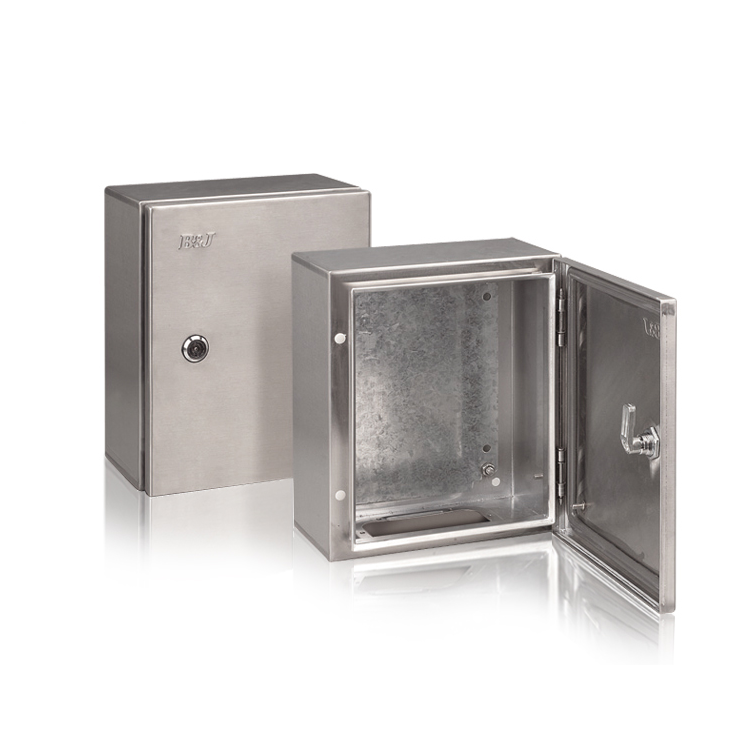
Seal performance has become a major decision point because repeated sanitation stresses closure systems in ways that static testing may not reveal. A stainless steel enclosure should maintain gasket compression consistency after frequent opening, cleaning, and reclosure. If gasket channels are difficult to access, sanitation quality drops and inspection confidence declines. The best outcomes come when the stainless steel enclosure supports both reliable sealing and practical cleaning access.
Maintenance procedures should treat seal replacement intervals as planned hygiene controls, not emergency fixes. When sites define closure inspection criteria, technicians can identify wear before it creates contamination pathways. This is one reason many teams now source an EHEDG-conscious stainless steel enclosure with clear serviceability documentation. In 2025, stable long-term closure behavior is a compliance and operational priority.
Installation and zoning decisions that determine compliance outcomes
Mounting strategy as a hygienic control point
Even a well-designed stainless steel enclosure can fail hygiene intent if installed in a difficult location or with poor stand-off practice. EHEDG-aligned installation in 2025 places emphasis on accessibility for cleaning tools, visibility for inspection, and avoidance of splash concentration zones. A stainless steel enclosure mounted too close to structural interfaces often creates uncleanable shadow areas. Installation geometry should therefore be reviewed as seriously as enclosure specification.
Cross-functional design reviews help prevent this issue before fabrication and cable routing begin. When process, hygiene, and electrical teams evaluate the stainless steel enclosure position together, they can resolve conflicts between safety, maintenance access, and sanitation quality. This reduces retrofits and supports cleaner commissioning. A good stainless steel enclosure strategy is always location-aware, not only product-aware.
Separation from high-risk interfaces and traffic patterns
The 2025 guideline context also stresses how surrounding activity affects enclosure hygiene status. A stainless steel enclosure near forklift routes, ingredient transfer points, or frequent hose impact zones faces more contamination pressure than one in a controlled utility corridor. Risk zoning should therefore drive placement decisions and protective design choices. Plants that map these interactions usually make better stainless steel enclosure decisions with fewer downstream hygiene surprises.
Cable entries, conduit transitions, and nearby support hardware should be treated as part of the same hygienic microenvironment. If these interfaces are neglected, the stainless steel enclosure may remain clean while adjacent points fail, creating a false sense of control. EHEDG alignment requires boundary thinking rather than component isolation. In practical terms, every stainless steel enclosure should be assessed as part of an integrated hygienic installation envelope.
Validation, documentation, and lifecycle management under 2025 expectations
Commissioning protocols that prove hygienic performance
A modern commissioning package for each stainless steel enclosure should include cleanability verification steps, not only electrical checks and mechanical fit confirmation. Teams need objective records that sanitation procedures reach all relevant surfaces and interfaces. Visual verification, residue checks, and periodic swab points can be defined according to zone criticality. This turns the stainless steel enclosure into a controlled asset with traceable hygiene evidence.
The most effective sites establish acceptance criteria before startup so there is no ambiguity during qualification. When deviations appear, corrective actions can be linked directly to enclosure design, mounting, or maintenance variables. This shortens root-cause analysis and prevents repeated failures. A stainless steel enclosure that is validated this way contributes to stronger audit readiness and more predictable production hygiene.
Ongoing performance review across sanitation cycles and change events
EHEDG-aligned operation in 2025 treats performance drift as a known lifecycle reality. Over time, a stainless steel enclosure may experience seal fatigue, external finish wear, or cleaning practice variation that alters risk exposure. Periodic review schedules should therefore track enclosure condition, cleaning outcomes, and intervention history. This gives operations teams a factual basis for upgrade timing rather than reacting after a nonconformance.
Change management is equally critical when lines are modified or sanitation chemistry is adjusted. Any such change can alter how a stainless steel enclosure behaves in its environment, even if the enclosure itself is unchanged. Documenting these links makes HACCP support stronger and audit conversations more efficient. In mature food plants, stainless steel enclosure governance is integrated into the same continuous improvement loop as other hygienic assets.
FAQ
Do the 2025 EHEDG guidelines require replacing every existing stainless steel enclosure?
Not automatically. The 2025 direction supports risk-based evaluation, so an existing stainless steel enclosure can remain in service if it demonstrates acceptable cleanability, integrity, and maintenance stability in its actual zone. Replacement becomes necessary when recurring hygiene findings, poor accessibility, or degraded sealing show that current performance is below required control levels. A structured assessment is usually the fastest way to decide.
How often should a food plant reassess each stainless steel enclosure after commissioning?
Frequency should follow hygiene criticality, sanitation intensity, and change rate in the production area. In high-risk and high-washdown zones, a stainless steel enclosure may need more frequent documented checks tied to sanitation verification cycles. In lower-risk zones, review intervals can be longer but should still be formalized. The key is consistency and traceability across the enclosure lifecycle.
Is material grade alone enough to prove a stainless steel enclosure is EHEDG-aligned?
No. Material grade is only one input, while EHEDG alignment depends on geometry, surface finish, seal design, install context, and cleanability in operation. A stainless steel enclosure can use a suitable alloy and still underperform hygienically if design details or mounting decisions create residue traps. Plants should evaluate the full hygienic system behavior rather than material specification alone.
What is the most common implementation mistake with stainless steel enclosure projects in food plants?
The most frequent issue is separating enclosure procurement from hygiene engineering, which leads to technically acceptable but operationally weak outcomes. When teams choose a stainless steel enclosure without sanitation input, they often discover access and cleaning problems after installation. Early cross-functional review prevents this and improves both compliance confidence and maintenance efficiency. In 2025, collaboration quality is a major predictor of enclosure success.
Table of Contents
- What the 2025 EHEDG update changes in enclosure expectations
- Core design criteria for EHEDG-aligned stainless steel enclosure selection
- Installation and zoning decisions that determine compliance outcomes
- Validation, documentation, and lifecycle management under 2025 expectations
-
FAQ
- Do the 2025 EHEDG guidelines require replacing every existing stainless steel enclosure?
- How often should a food plant reassess each stainless steel enclosure after commissioning?
- Is material grade alone enough to prove a stainless steel enclosure is EHEDG-aligned?
- What is the most common implementation mistake with stainless steel enclosure projects in food plants?