 EN
EN

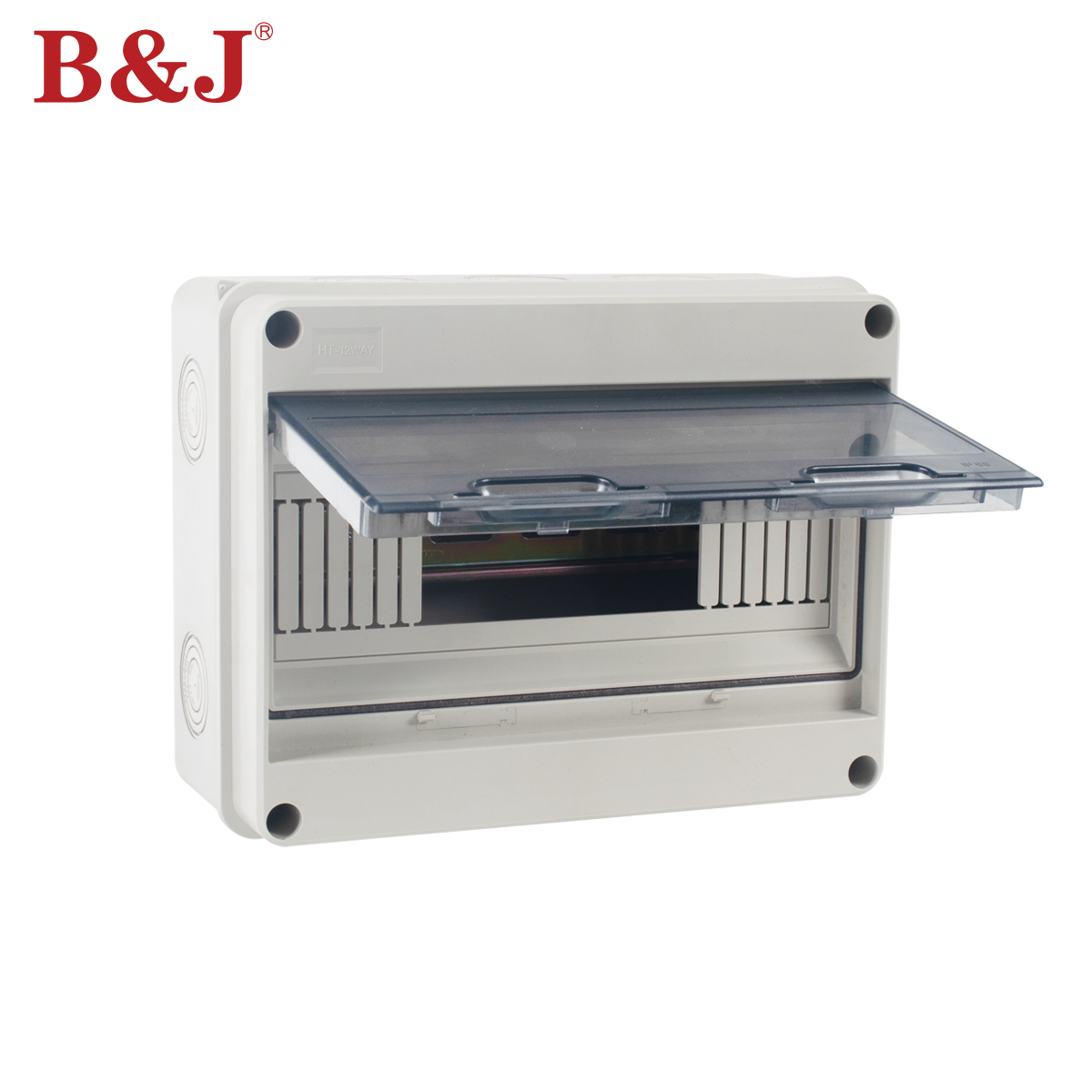
Outdoor environments present unique challenges for electrical equipment, requiring robust protection against moisture, dust, and extreme weather conditions. Professional installers and engineers understand that selecting the right electrical enclosure is critical for ensuring long-term reliability and safety in demanding outdoor applications. Whether protecting sensitive control systems, junction boxes, or power distribution equipment, the choice of enclosure material, rating, and design directly impacts system performance and maintenance requirements.
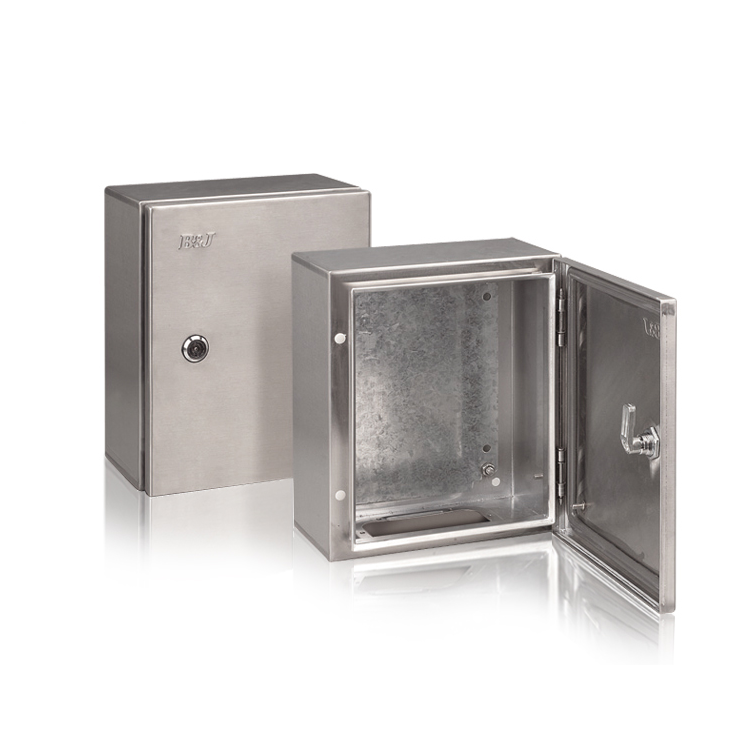
The evolution of outdoor electrical installations has driven significant advances in enclosure technology, with modern solutions offering superior corrosion resistance, enhanced sealing mechanisms, and improved thermal management. Understanding the specific requirements of your application environment enables informed decision-making when specifying protective enclosures for critical electrical infrastructure.
Understanding IP Rating Standards for Outdoor Protection
Ingress Protection Classification System
The International Protection (IP) rating system provides a standardized method for classifying the degree of protection offered by electrical enclosures against solid particles and liquid ingress. This two-digit system helps engineers and installers select appropriate protection levels based on specific environmental conditions and application requirements.
The first digit indicates protection against solid objects and dust, ranging from 0 (no protection) to 6 (complete dust protection). The second digit addresses liquid protection, from 0 (no protection) to 9 (protection against high-pressure water jets from multiple directions). For outdoor applications, IP66 and IP67 ratings typically provide adequate protection against driving rain, dust storms, and harsh environmental conditions.
Critical Rating Requirements for Outdoor Installations
Outdoor electrical installations typically require minimum IP65 protection to withstand normal weather exposure, though many applications benefit from higher ratings. IP66-rated enclosures offer protection against powerful water jets, making them suitable for installations subject to high-pressure cleaning or severe storm conditions.
Marine environments and coastal installations often require IP67 or IP68 ratings to handle temporary immersion and continuous moisture exposure. The selection process must consider not only current environmental conditions but also potential future exposure scenarios, including flooding, equipment washing, and maintenance procedures that may introduce additional moisture or contaminants.
Material Selection and Construction Technologies
Stainless Steel Enclosure Advantages
Stainless steel represents the premium choice for outdoor electrical enclosure applications requiring maximum durability and corrosion resistance. Grade 316 stainless steel offers exceptional performance in marine environments, chemical processing facilities, and other corrosive atmospheres where standard materials would deteriorate rapidly.
The inherent properties of stainless steel include resistance to oxidation, superior strength-to-weight ratios, and minimal maintenance requirements over extended service life. Modern stainless steel enclosures incorporate precision welding techniques and specialized gasket systems to achieve consistent IP ratings while maintaining structural integrity under thermal cycling and mechanical stress.
Alternative Materials and Cost Considerations
Aluminum alloy enclosures provide excellent corrosion resistance at lower cost compared to stainless steel, making them suitable for many outdoor applications where extreme chemical resistance is not required. Die-cast aluminum construction offers good thermal conductivity for heat-sensitive applications while maintaining reasonable protection levels.
Polycarbonate and fiberglass reinforced polyester (FRP) enclosures deliver cost-effective protection for less demanding environments. These materials offer excellent electrical insulation properties and resistance to UV degradation, though they may not provide the mechanical strength required for high-security or vandal-resistant installations.
Sealing Technology and Gasket Systems
Advanced Gasket Materials and Design
Modern electrical enclosure sealing systems utilize advanced elastomer materials engineered to maintain flexibility and sealing performance across wide temperature ranges. EPDM rubber gaskets provide excellent weather resistance and ozone stability, while silicone gaskets offer superior temperature performance for applications experiencing extreme thermal cycling.
Continuous gasket designs eliminate potential leak paths at corners and joints, ensuring consistent protection around the entire perimeter. Some manufacturers employ dual-gasket systems with primary and secondary seals to provide redundant protection against moisture ingress, particularly important for critical control systems and safety equipment.
Compression and Retention Mechanisms
Proper gasket compression is essential for achieving and maintaining rated IP protection levels throughout the enclosure's service life. Quarter-turn latching systems provide consistent compression force while enabling quick access for maintenance and inspection procedures.
Captive hardware designs prevent loss of fasteners during maintenance operations, reducing the risk of improper reassembly that could compromise weather protection. Some advanced systems incorporate compression indicators or torque-limiting mechanisms to ensure proper gasket loading during installation and maintenance activities.
Thermal Management and Ventilation Solutions
Heat Dissipation Strategies
Electrical components generate heat during normal operation, and outdoor enclosures must effectively manage thermal loads to prevent equipment overheating and premature failure. Passive cooling strategies include strategic placement of heat sinks, thermal interface materials, and ventilation systems designed to maintain IP protection while allowing air circulation.
Natural convection cooling relies on carefully positioned ventilation openings with integrated filters and baffles to prevent moisture and contaminant ingress. These systems must balance thermal performance with environmental protection, often requiring specialized ventilation products that maintain IP ratings while enabling air flow.
Active Cooling and Climate Control
High-power applications may require active cooling systems, including fans, heat exchangers, or air conditioning units specifically designed for outdoor electrical enclosures. These systems must integrate seamlessly with the enclosure's environmental protection scheme while providing adequate cooling capacity for peak load conditions.
Humidity control systems help prevent condensation formation inside enclosures, particularly important in applications with significant temperature variations or high ambient humidity levels. Desiccant systems, heating elements, and ventilation controls work together to maintain optimal internal environmental conditions for sensitive electronic equipment.
Security and Access Control Features
Physical Security Considerations
Outdoor electrical installations often require protection against unauthorized access, vandalism, and theft of valuable equipment. Robust locking mechanisms, tamper-evident seals, and alarm integration capabilities help secure critical infrastructure while maintaining necessary access for authorized personnel.
Heavy-gauge construction materials and reinforced mounting systems deter casual tampering and provide resistance against forced entry attempts. Some enclosures incorporate multiple locking points and hardened hardware to achieve higher security ratings for sensitive or high-value installations.
Remote Monitoring and Access Management
Advanced enclosure systems may integrate electronic access control, remote monitoring capabilities, and environmental sensors to provide real-time status information and security alerts. These features enable proactive maintenance scheduling and rapid response to security incidents or environmental anomalies.
Smart enclosure technologies can monitor internal temperature, humidity, intrusion attempts, and door position while transmitting status information to centralized management systems. This connectivity enables predictive maintenance strategies and reduces the need for routine physical inspections in remote or hazardous locations.
Installation and Mounting Considerations
Wall-Mount and Pole-Mount Solutions
Proper mounting is crucial for enclosure performance and longevity in outdoor environments. Wall-mount configurations must account for building settlement, thermal expansion, and structural loading to maintain proper alignment and sealing over time. Mounting hardware must resist corrosion and provide adequate support for fully loaded enclosures under wind and seismic loading conditions.
Pole-mount installations require specialized hardware designed to accommodate various pole diameters and materials while maintaining secure attachment under dynamic loading conditions. Vibration dampening systems may be necessary for installations subject to wind-induced movement or mechanical vibration from nearby equipment.
Cable Entry and Conduit Integration
Cable entry systems must maintain the enclosure's IP rating while providing secure attachment for various conduit types and cable configurations. Multiple entry options, including threaded hubs, cord grips, and quick-disconnect fittings, enable flexible installation while preserving environmental protection.
Strain relief systems protect internal connections from mechanical stress caused by cable movement, thermal expansion, and external forces. Proper cable entry design prevents water infiltration along cable pathways and maintains system integrity throughout the installation's service life.
Maintenance and Lifecycle Management
Preventive Maintenance Requirements
Regular maintenance is essential for preserving the protective capabilities of outdoor electrical enclosures throughout their service life. Inspection schedules should address gasket condition, hardware integrity, internal cleanliness, and environmental seal performance to identify potential issues before they compromise system protection.
Gasket replacement intervals depend on environmental exposure conditions, temperature cycling, and material specifications. UV exposure, chemical contamination, and mechanical wear patterns help determine appropriate maintenance frequencies for different installation environments and applications.
Upgrade and Retrofit Considerations
Evolving electrical system requirements may necessitate enclosure modifications or upgrades to accommodate additional equipment, enhanced protection levels, or improved accessibility features. Modular enclosure designs facilitate field modifications while maintaining environmental protection and structural integrity.
Retrofit solutions can extend the service life of existing installations by upgrading sealing systems, adding thermal management features, or incorporating modern security and monitoring technologies. These improvements help maximize return on investment while ensuring continued compliance with current protection standards.
FAQ
What IP rating is required for outdoor electrical enclosures in harsh weather conditions?
For most outdoor applications exposed to driving rain, dust, and severe weather, IP66 rating provides adequate protection. However, installations in coastal areas, flood-prone regions, or applications requiring high-pressure cleaning should consider IP67 or IP68 ratings. The specific environmental conditions and maintenance requirements determine the appropriate protection level for each installation.
How do I determine the correct size electrical enclosure for my outdoor application?
Enclosure sizing must account for current equipment requirements plus 25-30% additional space for future expansion, proper air circulation, and maintenance access. Consider component heat generation, cable entry requirements, and any required internal accessories such as terminal blocks, switches, or cooling equipment. Consult manufacturer specifications and local electrical codes for minimum clearance requirements.
What maintenance is required to preserve IP protection ratings over time?
Regular inspection and maintenance of gaskets, latching mechanisms, and mounting hardware is essential for maintaining rated protection levels. Clean gasket surfaces and inspect for cracks, hardening, or permanent deformation annually or as specified by the manufacturer. Replace gaskets showing signs of deterioration and ensure proper compression during reassembly to maintain environmental sealing performance.
Can I modify an existing electrical enclosure to add additional cable entries?
Modifications to rated enclosures should only be performed using manufacturer-approved methods and components to preserve IP protection and safety certifications. Unauthorized modifications may void warranties and compromise environmental protection. Consult the manufacturer or qualified electrical contractor for approved modification procedures and appropriate sealing components for additional penetrations.
Table of Contents
- Understanding IP Rating Standards for Outdoor Protection
- Material Selection and Construction Technologies
- Sealing Technology and Gasket Systems
- Thermal Management and Ventilation Solutions
- Security and Access Control Features
- Installation and Mounting Considerations
- Maintenance and Lifecycle Management
-
FAQ
- What IP rating is required for outdoor electrical enclosures in harsh weather conditions?
- How do I determine the correct size electrical enclosure for my outdoor application?
- What maintenance is required to preserve IP protection ratings over time?
- Can I modify an existing electrical enclosure to add additional cable entries?