 EN
EN

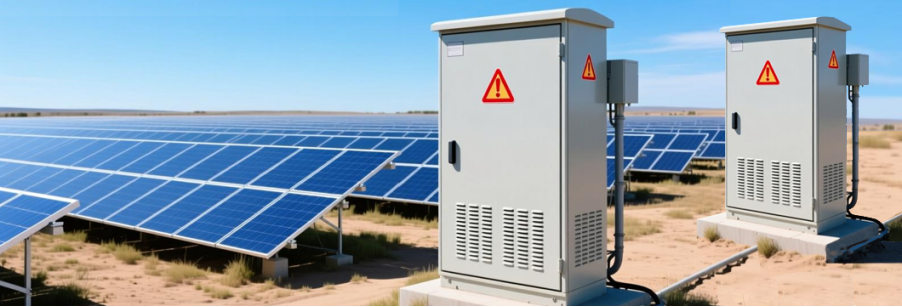
Electrical Safety in Extreme Environments: PV and Solar Enclosure Solutions
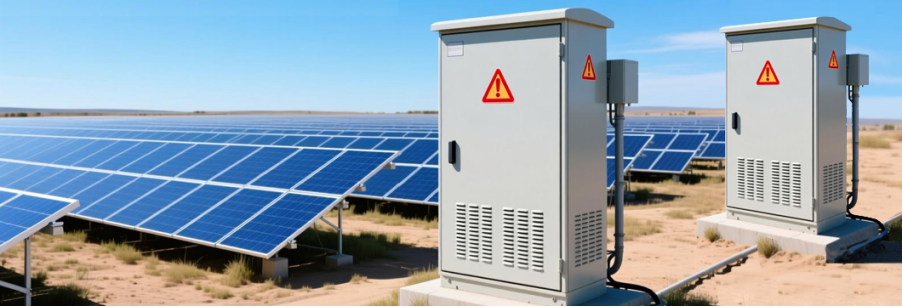
Solar power installations represent one of the most challenging environments on Earth for electrical infrastructure. Whether it’s a utility-scale solar farm in a scorching desert, a wind-swept mountain array, or a rooftop system in a tropical coastal city, the electrical enclosures—combiner boxes, inverter housings, and monitoring units—must survive a 25-year service life that matches the panels themselves. In the B2B solar industry, an enclosure that is "standard" rather than "solar-ready" is the single most common cause of early system failure, leading to massive MRO costs and lost energy production.
1. The Invisible Killer: UV Degradation and Material Fatigue
Standard industrial enclosures are often not rated for the extreme UV intensity found in large solar fields.
- Polymer Breakdown: UV rays break down the molecular chains in low-quality plastics, causing them to turn yellow, become brittle, and eventually crack under thermal stress.
- The Coating Crisis: On carbon steel boxes, UV can cause standard powder coatings to "chalk" and peel within 24-36 months, exposing the raw steel to rapid oxidation.
- B&J’s Solar-Grade Engineering: We utilize specialized UV-stabilized Polycarbonate with integrated chemical inhibitors for our plastic enclosures. For our metal boxes, we apply architectural-grade, high-durability polyester coatings that are specifically tested for 1000+ hours of UV exposure.
2. Thermal Management: Solar Loading and the "Greenhouse Effect"
Solar enclosures often house components that generate significant internal heat (like high-current DC breakers, string inverters, or monitoring gateways) while sitting in direct sunlight with 45°C+ ambient temperatures.
- The Solar Heat Load: Direct sunlight can add an additional 15-20°C to the internal temperature of an enclosure through radiant heat—this is known as "Solar Loading."
- Pressure-Equalization and Breather Vents: A sealed box in a desert acts like a pressure cooker. During the day, internal air expands; at night, it cools and creates a vacuum. B&J’s solar enclosures utilize specialized breather vents that allow air to circulate while maintaining a perfect IP66 seal. This prevents "hot spots" and, crucially, stops the buildup of condensation that occurs during the rapid sunset cooling cycle.
3. Sand, Dust, and Sealing Integrity in Arid Zones
In the world's most productive solar regions (deserts), fine silica dust is as dangerous as water. It is abrasive, conductive, and can cripple an inverter's electronics if it penetrates the enclosure.
- Dust-Tight (IP66) Baseline: For any solar installation, IP66 is the non-negotiable baseline. This ensures that even during a sandstorm with high-velocity wind, no particulate matter can enter the enclosure.
- Gasket Resilience under Thermal Cycling: Solar gaskets must withstand extreme "compression set." We use high-grade silicone gaskets that retain their elasticity and seal integrity even after thousands of day/night temperature cycles ranging from -20°C to +80°C.
4. Engineering for the 1500V DC Future
As the solar industry moves from 1000V to 1500V DC systems to reduce line losses and BOS (Balance of System) costs, the enclosures must be re-engineered.
- Creepage and Clearance Standards: Higher voltages require significantly larger air gaps and creepage distances between conductive parts. Our custom solar enclosures are designed with internal dimensions that exceed the 1500V DC safety standards, preventing arc-over events that could cause a fire.
- Non-Conductive "Touch Safe" Options: In many utility-scale projects, high-impact PC enclosures are now preferred. Because plastic is an insulator, it eliminates the need for grounding the enclosure itself, which simplifies the BOS and improves safety for maintenance crews working in remote, ungrounded sites.
5. Corrosion Resistance in Coastal Solar Sites
Solar farms located near coastlines (like many in Southeast Asia or Australia) face the double threat of UV and salt spray.
- Grade 316 Stainless Steel: For these sites, we provide enclosures made from Grade 316 stainless steel, which contains molybdenum for superior chloride resistance. This ensures the box won't develop "tea staining" or structural rust, which could compromise the grounding of the PV system.
Conclusion: A Global Track Record of Solar Reliability
At B&J Electrical, we don't just "claim" solar readiness; our products are proven in the field. From high-altitude projects in the Andes to scorching utility-scale arrays in the Middle East, our enclosures provide the robust protection needed to ensure a sustainable and safe energy future. When you source your solar distribution boxes from B&J, you are investing in infrastructure that is as durable as the energy it manages, backed by 25 years of Chinese manufacturing excellence.
Table of Contents
- Electrical Safety in Extreme Environments: PV and Solar Enclosure Solutions
- 1. The Invisible Killer: UV Degradation and Material Fatigue
- 2. Thermal Management: Solar Loading and the "Greenhouse Effect"
- 3. Sand, Dust, and Sealing Integrity in Arid Zones
- 4. Engineering for the 1500V DC Future
- 5. Corrosion Resistance in Coastal Solar Sites
- Conclusion: A Global Track Record of Solar Reliability