 EN
EN

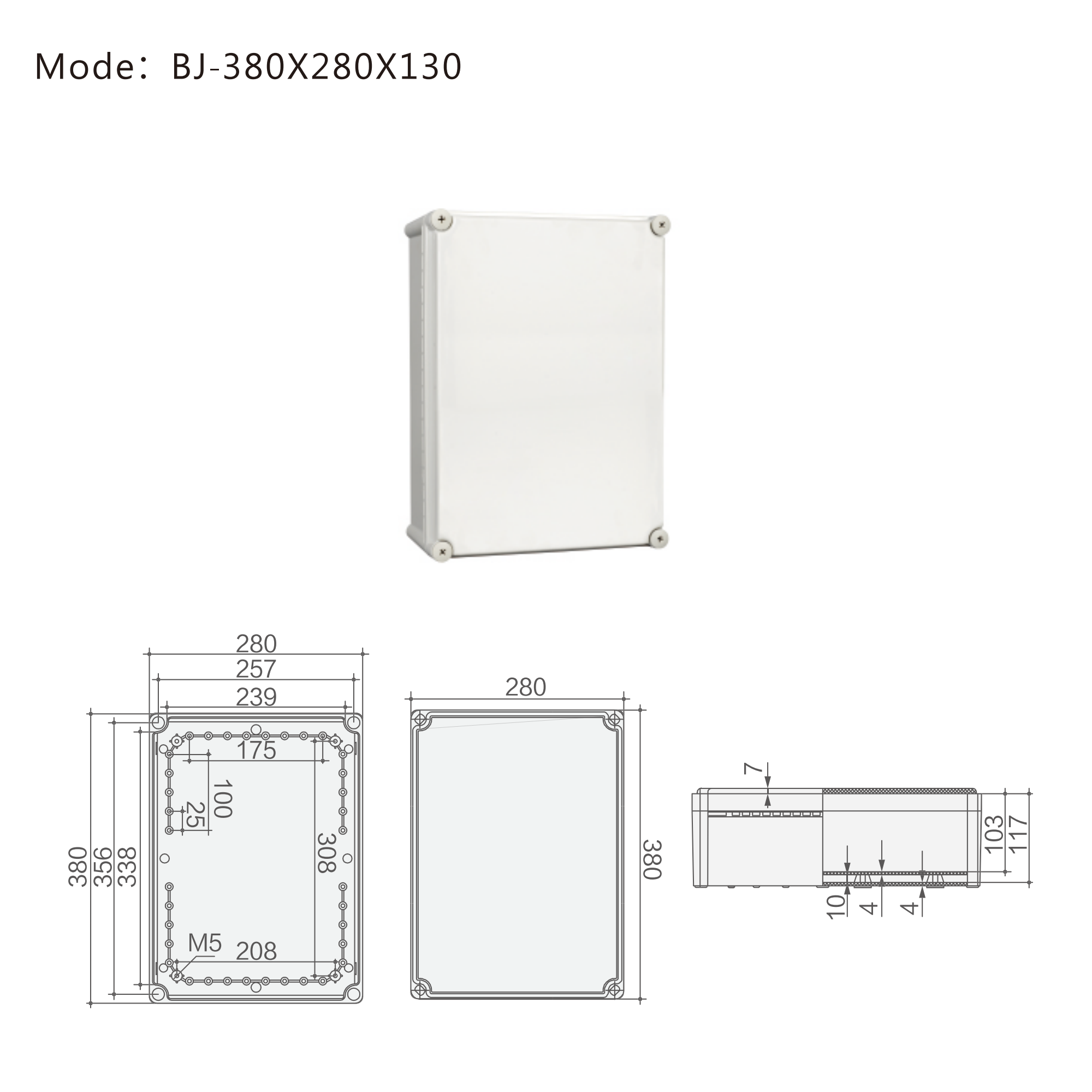
When designing electrical installations that must withstand harsh environmental conditions, the choice between EPDM and silicone gaskets for your junction enclosure can determine the long-term reliability of your entire system. Both materials offer distinct advantages for sealing junction enclosures, but their performance characteristics vary significantly across different operating conditions, temperature ranges, and chemical exposure scenarios.
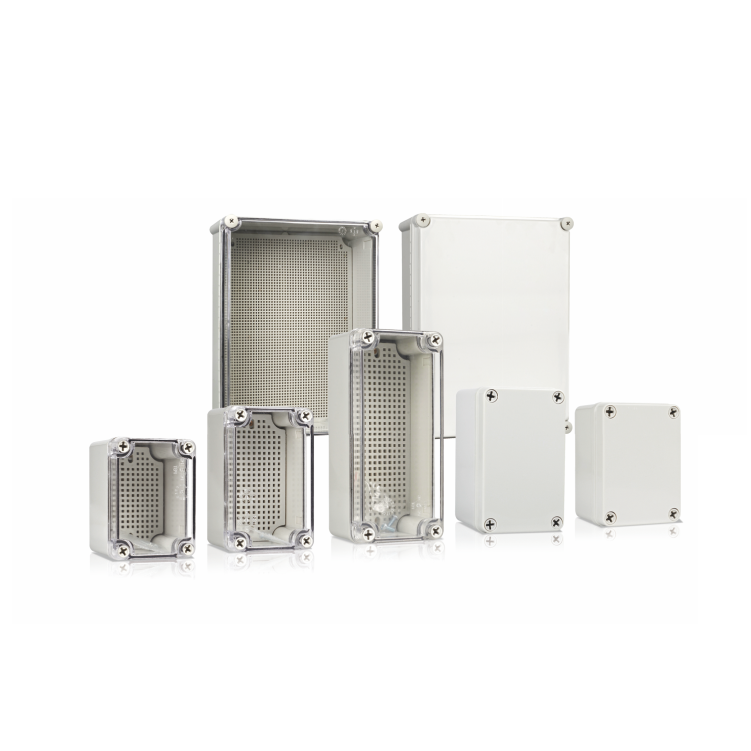
The decision between EPDM and silicone gasket materials for junction enclosures depends on specific application requirements, environmental factors, and operational demands. While both materials excel in different scenarios, understanding their unique properties helps engineers select the optimal sealing solution that ensures maximum protection for electrical components housed within the junction enclosure while maintaining cost-effectiveness and installation efficiency.
Material Properties and Performance Characteristics
EPDM Gasket Properties for Junction Enclosures
EPDM (Ethylene Propylene Diene Monomer) rubber represents one of the most versatile sealing materials for junction enclosure applications. This synthetic rubber demonstrates exceptional resistance to ozone, weathering, and UV radiation, making it particularly suitable for outdoor junction enclosure installations. The molecular structure of EPDM provides excellent flexibility across a wide temperature range, typically from -40°C to +120°C, ensuring reliable sealing performance in diverse climatic conditions.
The chemical composition of EPDM creates superior resistance to polar substances, including alcohols, ketones, and many acids and bases commonly encountered in industrial environments. For junction enclosure applications, this chemical resistance translates to longer service life and reduced maintenance requirements. EPDM gaskets also exhibit excellent compression set resistance, maintaining their sealing integrity even after prolonged compression within the junction enclosure housing.
One significant advantage of EPDM in junction enclosure applications is its excellent electrical insulation properties. The material maintains stable dielectric characteristics across varying temperatures and humidity levels, providing an additional layer of protection for electrical components within the junction enclosure. This electrical stability makes EPDM particularly valuable in high-voltage applications where gasket failure could compromise both equipment and personnel safety.
Silicone Gasket Characteristics for Junction Enclosures
Silicone rubber gaskets offer unique advantages for junction enclosure sealing applications, particularly in extreme temperature environments. The polymer structure of silicone enables exceptional thermal stability, with operating temperature ranges extending from -60°C to +200°C, significantly exceeding EPDM's temperature capabilities. This extended temperature range makes silicone gaskets ideal for junction enclosure applications in aerospace, automotive, and high-temperature industrial processes.
The flexibility characteristics of silicone rubber remain consistent across its entire operating temperature range, ensuring reliable sealing performance regardless of thermal cycling within the junction enclosure environment. This thermal stability reduces the risk of gasket hardening or cracking that can compromise the protective seal of the junction enclosure. Additionally, silicone demonstrates excellent resistance to oxidation and thermal degradation, contributing to extended service life in demanding applications.
Silicone gaskets provide superior chemical compatibility with silicone-based sealants and adhesives commonly used in junction enclosure assembly. This compatibility eliminates potential chemical reactions that could degrade sealing performance over time. The non-reactive nature of silicone also prevents contamination of sensitive electronic components housed within the junction enclosure, making it particularly suitable for precision instrumentation and control applications.
Environmental Resistance and Durability Factors
Weather Resistance Performance
Environmental exposure represents a critical factor in junction enclosure gasket selection, as outdoor installations must withstand continuous exposure to UV radiation, temperature fluctuations, and moisture ingress. EPDM gaskets demonstrate superior weathering resistance compared to many other rubber materials, maintaining flexibility and sealing properties even after years of outdoor exposure. The inherent ozone resistance of EPDM prevents the cracking and degradation that commonly affects other rubber types in outdoor junction enclosure applications.
The UV resistance of EPDM makes it particularly suitable for junction enclosure installations in high-solar-radiation environments. Unlike some rubber materials that become brittle and crack under prolonged UV exposure, EPDM maintains its elastomeric properties, ensuring consistent sealing performance throughout the junction enclosure service life. This UV stability reduces the need for frequent gasket replacement, lowering overall maintenance costs for junction enclosure systems.
Silicone gaskets also provide excellent weather resistance, though with different performance characteristics compared to EPDM. The chemical stability of silicone prevents degradation from ozone and oxygen exposure, while its thermal properties enable reliable performance under extreme temperature cycling. For junction enclosure applications subject to rapid temperature changes, silicone's thermal shock resistance provides superior protection against gasket failure.
Chemical Resistance Considerations
Chemical exposure scenarios vary significantly across different junction enclosure applications, influencing gasket material selection based on specific environmental conditions. EPDM demonstrates excellent resistance to polar chemicals, including many cleaning agents and industrial chemicals that may contact the junction enclosure during maintenance or operation. This chemical compatibility ensures that routine maintenance procedures do not compromise gasket integrity or junction enclosure sealing performance.
The resistance profile of EPDM to acids and bases makes it suitable for junction enclosure installations in chemical processing facilities, water treatment plants, and similar industrial environments. However, EPDM shows limited compatibility with hydrocarbon-based fluids, which must be considered when selecting gaskets for junction enclosure applications in petroleum or petrochemical environments.
Silicone gaskets provide excellent resistance to many chemicals that affect other rubber materials, though their resistance profile differs from EPDM. The inert nature of silicone prevents reaction with most industrial chemicals, making it suitable for junction enclosure applications where chemical compatibility is uncertain or where multiple chemical exposures may occur. This broad chemical resistance makes silicone particularly valuable in multi-use facilities where junction enclosure applications may encounter diverse chemical environments.
Installation and Maintenance Considerations
Gasket Installation Requirements
The installation process for junction enclosure gaskets significantly impacts long-term sealing performance, with both EPDM and silicone materials requiring specific handling procedures to ensure optimal results. EPDM gaskets typically require controlled compression to achieve proper sealing without over-compression that could cause gasket extrusion or premature failure. The compression characteristics of EPDM provide consistent sealing force across the junction enclosure perimeter when properly installed.
The flexibility of EPDM facilitates easier installation in complex junction enclosure geometries, conforming to surface irregularities and manufacturing tolerances without requiring excessive compression force. This conformability reduces installation time and ensures consistent sealing performance across the entire gasket perimeter. EPDM gaskets also maintain their installed position well, reducing the risk of displacement during junction enclosure assembly or maintenance procedures.
Silicone gaskets require careful attention to installation parameters due to their unique compression characteristics. The lower compression set of silicone can provide excellent long-term sealing, but proper installation torque becomes critical to prevent under-compression that could compromise junction enclosure sealing integrity. The thermal stability of silicone gaskets allows for installation in high-temperature environments where EPDM installation might be challenging.
Long-term Maintenance Requirements
Maintenance considerations play a crucial role in the total cost of ownership for junction enclosure systems, with gasket replacement representing a significant portion of routine maintenance activities. EPDM gaskets typically require replacement intervals of 5-10 years in standard outdoor applications, depending on environmental conditions and junction enclosure design factors. The predictable aging characteristics of EPDM enable scheduled maintenance programs that minimize unexpected junction enclosure failures.
The maintenance advantages of EPDM include its resistance to permanent deformation and its ability to maintain sealing properties even when compressed for extended periods. This compression set resistance ensures that EPDM gaskets continue providing reliable sealing for the junction enclosure even when maintenance intervals are extended due to operational requirements or access limitations.
Silicone gaskets often provide extended service life in high-temperature applications, potentially reducing maintenance frequency for junction enclosure systems operating under thermal stress. However, the softer nature of some silicone formulations may require more frequent inspection to ensure continued sealing integrity. The excellent release properties of silicone facilitate easier gasket removal during maintenance, reducing the risk of junction enclosure damage during gasket replacement procedures.
Application-Specific Selection Criteria
Temperature-Critical Junction Enclosure Applications
Temperature extremes represent one of the most significant factors in gasket material selection for junction enclosure applications. In high-temperature environments exceeding 120°C, silicone gaskets provide superior performance and reliability compared to EPDM alternatives. The thermal stability of silicone prevents gasket degradation that could compromise junction enclosure sealing integrity in applications such as engine compartments, industrial furnace controls, and high-temperature process monitoring equipment.
For junction enclosure applications subject to extreme cold conditions, both materials provide adequate low-temperature performance, though silicone maintains superior flexibility at temperatures below -40°C. This low-temperature flexibility ensures reliable sealing even during thermal shock conditions that might cause EPDM gaskets to temporarily stiffen and potentially compromise junction enclosure sealing performance.
The thermal cycling resistance of both materials affects junction enclosure reliability in applications with frequent temperature variations. Silicone gaskets demonstrate superior resistance to thermal fatigue, maintaining consistent sealing force throughout repeated heating and cooling cycles that characterize many industrial junction enclosure applications.
Chemical Environment Considerations
Chemical exposure scenarios require careful evaluation when selecting gasket materials for junction enclosure applications in industrial environments. EPDM provides excellent compatibility with water-based chemicals, cleaning solutions, and many industrial processes involving polar substances. This chemical resistance makes EPDM the preferred choice for junction enclosure applications in food processing, pharmaceutical manufacturing, and water treatment facilities where regular cleaning and sanitization procedures are required.
In applications where junction enclosure installations may encounter hydrocarbon exposure, such as petroleum refining or petrochemical processing, silicone gaskets typically provide better chemical compatibility than EPDM alternatives. The inert nature of silicone prevents swelling and degradation that could compromise junction enclosure sealing when exposed to oil-based substances.
Multi-chemical environments present particular challenges for junction enclosure gasket selection, as exposure to different chemical classes may occur during normal operation or maintenance procedures. In these scenarios, silicone gaskets often provide broader chemical compatibility, reducing the risk of gasket failure due to unexpected chemical exposure that could compromise junction enclosure protection.
FAQ
Which gasket material provides better long-term value for standard outdoor junction enclosure applications?
EPDM gaskets typically provide better long-term value for standard outdoor junction enclosure applications due to their excellent weather resistance, UV stability, and lower material cost compared to silicone alternatives. EPDM maintains reliable sealing performance for 5-10 years in typical outdoor environments while offering superior resistance to ozone and weathering that commonly affect junction enclosure installations.
Can silicone gaskets handle the electrical insulation requirements for high-voltage junction enclosure applications?
Yes, silicone gaskets provide excellent electrical insulation properties suitable for high-voltage junction enclosure applications. Silicone maintains stable dielectric characteristics across its operating temperature range and demonstrates superior electrical insulation compared to many other rubber materials. However, specific electrical requirements should be verified against the gasket manufacturer's specifications for critical high-voltage junction enclosure installations.
How do compression set characteristics differ between EPDM and silicone gaskets in junction enclosure applications?
EPDM gaskets typically demonstrate superior compression set resistance compared to standard silicone formulations, maintaining their original thickness and sealing force even after prolonged compression in junction enclosure applications. This characteristic makes EPDM particularly suitable for applications where gasket replacement intervals are extended. Silicone gaskets may exhibit higher compression set but often compensate with superior conformability and thermal stability in junction enclosure applications.
What factors should determine gasket selection for junction enclosure applications in extreme environments?
Extreme environment junction enclosure gasket selection should prioritize temperature range requirements, chemical exposure potential, and installation accessibility. For high-temperature applications above 120°C, silicone gaskets provide superior performance, while EPDM excels in moderate temperature ranges with excellent weather resistance. Chemical compatibility must be evaluated against specific environmental conditions, and maintenance accessibility should influence selection based on expected service intervals and replacement complexity for the junction enclosure system.
Table of Contents
- Material Properties and Performance Characteristics
- Environmental Resistance and Durability Factors
- Installation and Maintenance Considerations
- Application-Specific Selection Criteria
-
FAQ
- Which gasket material provides better long-term value for standard outdoor junction enclosure applications?
- Can silicone gaskets handle the electrical insulation requirements for high-voltage junction enclosure applications?
- How do compression set characteristics differ between EPDM and silicone gaskets in junction enclosure applications?
- What factors should determine gasket selection for junction enclosure applications in extreme environments?