 EN
EN

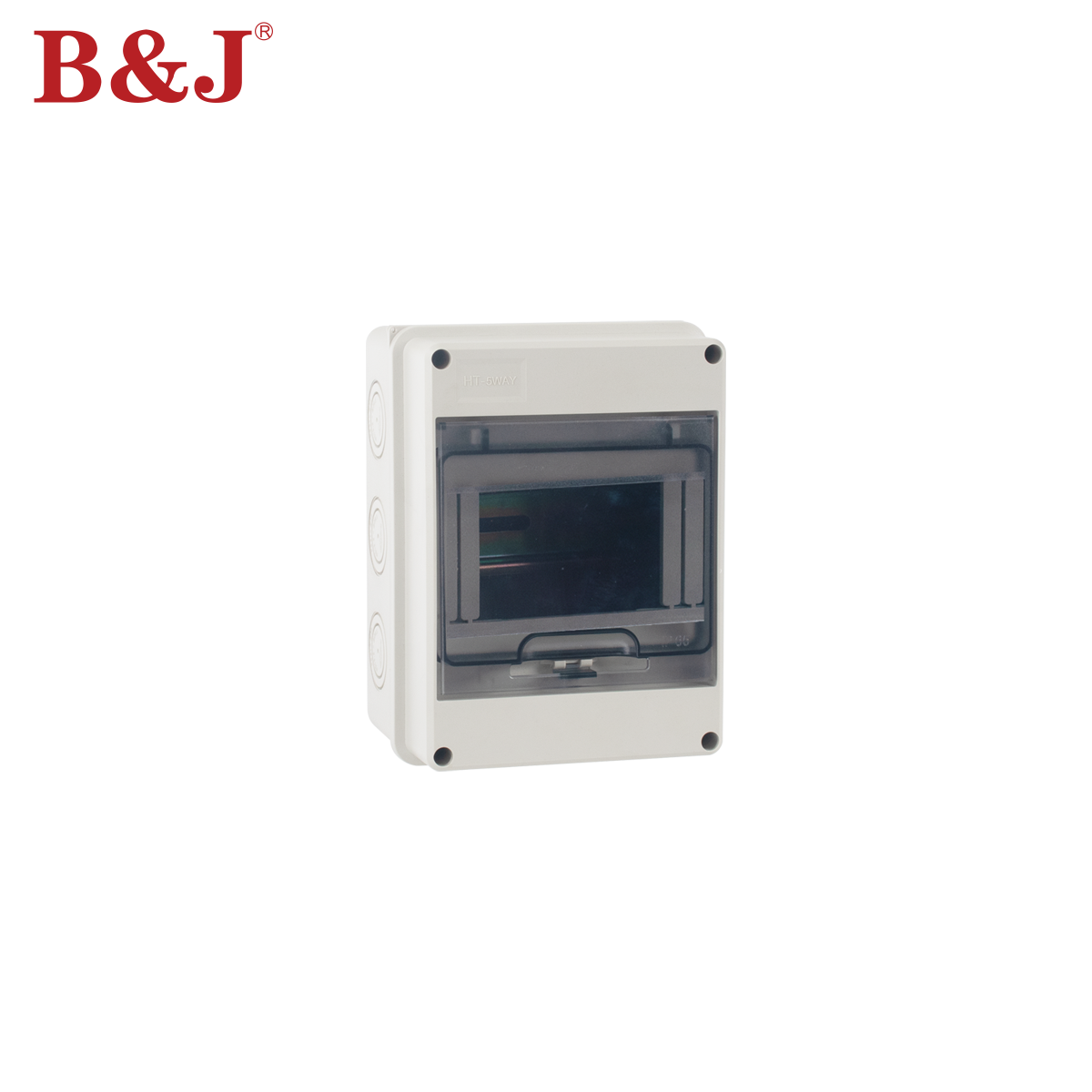
Proper maintenance of an electrical enclosure is essential for ensuring long-term performance and safety in industrial and commercial applications. These protective housings shield critical electrical components from environmental hazards, but without regular care, they can deteriorate and compromise the integrity of your electrical systems. Understanding the fundamental principles of enclosure maintenance will help you maximize equipment lifespan while minimizing costly downtime and safety risks.
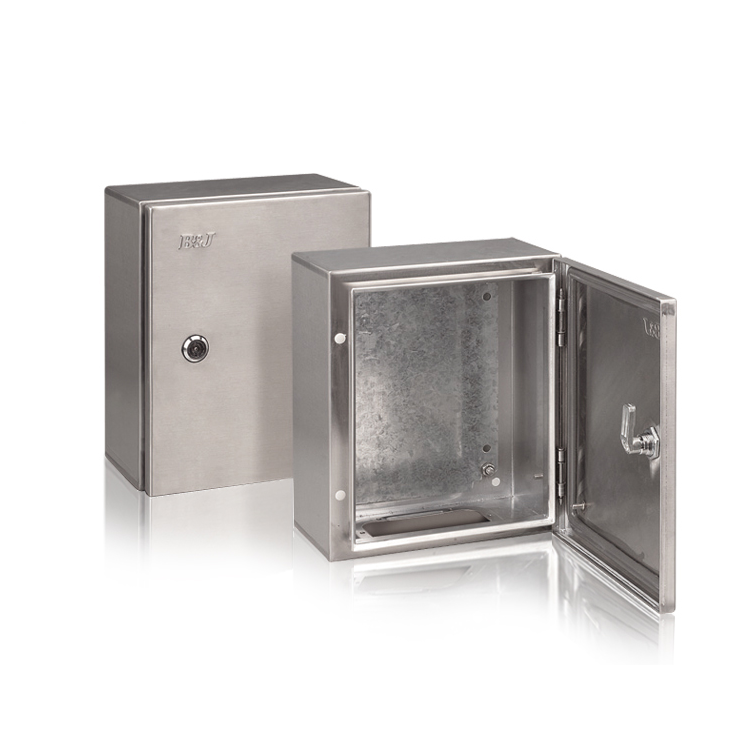
Modern electrical enclosure systems require systematic maintenance approaches that address both preventive and corrective measures. The complexity of these protective housings varies significantly based on their intended application, environmental conditions, and the sensitivity of the equipment they house. Developing a comprehensive maintenance strategy ensures that your electrical enclosure continues to provide optimal protection throughout its operational lifecycle.
Understanding Electrical Enclosure Construction and Materials
Material Properties and Environmental Resistance
The construction materials of an electrical enclosure directly influence its maintenance requirements and longevity. Stainless steel enclosures offer superior corrosion resistance and mechanical strength, making them ideal for harsh industrial environments where chemical exposure and physical abuse are common. These materials require specific cleaning agents and techniques to maintain their protective properties without causing surface damage or compromising their structural integrity.
Aluminum electrical enclosure options provide excellent thermal conductivity and lightweight characteristics while maintaining good corrosion resistance. The natural oxidation layer that forms on aluminum surfaces acts as a protective barrier, but this layer can be damaged by improper cleaning methods or exposure to certain chemicals. Understanding the specific material properties helps determine appropriate maintenance intervals and procedures for optimal performance.
Fiberglass and polymer-based electrical enclosure materials offer unique advantages in corrosive environments but require different maintenance approaches compared to metallic alternatives. These materials are generally resistant to many chemicals but can be susceptible to UV degradation and thermal cycling effects. Regular inspection of gaskets, mounting hardware, and surface integrity becomes crucial for maintaining the protective capabilities of these specialized enclosures.
Sealing Systems and Ingress Protection
The sealing system of an electrical enclosure represents one of its most critical components for maintaining environmental protection. Gaskets, O-rings, and other sealing elements must be regularly inspected and replaced according to manufacturer specifications to ensure continued ingress protection ratings. These components are subject to compression set, chemical degradation, and thermal cycling that can compromise their sealing effectiveness over time.
Door and cover sealing mechanisms require particular attention during maintenance procedures. The alignment of mating surfaces, proper torque specifications for fasteners, and the condition of sealing surfaces all contribute to the overall effectiveness of the electrical enclosure protection system. Any damage to these sealing surfaces can result in moisture ingress, contamination, and potential equipment failure.
Cable entry sealing systems often represent the weakest point in electrical enclosure integrity. Multiple cable penetrations, varying cable sizes, and the use of different sealing methods can create complex maintenance challenges. Regular inspection of cable glands, strain reliefs, and entry plates ensures that these critical penetration points maintain their protective function throughout the enclosure's service life.
Preventive Maintenance Procedures and Schedules
Regular Inspection Protocols
Establishing systematic inspection protocols forms the foundation of effective electrical enclosure maintenance. Visual inspections should be conducted at regular intervals to identify signs of corrosion, physical damage, gasket deterioration, or any other conditions that might compromise the enclosure's protective function. These inspections should follow documented checklists that ensure all critical components and areas are thoroughly evaluated during each maintenance cycle.
Environmental conditions significantly influence the frequency and intensity of required inspections. An electrical enclosure installed in marine environments or areas with high chemical exposure requires more frequent attention than units in controlled indoor environments. Developing environment-specific maintenance schedules helps optimize resource allocation while ensuring adequate protection levels are maintained.
Documentation of inspection findings provides valuable trending information that can help predict potential failure modes and optimize maintenance intervals. Photographic records, measurement data, and detailed observations create a historical database that improves future maintenance decision-making and helps identify recurring issues that may require design modifications or upgraded components.
Cleaning and Surface Treatment
Proper cleaning procedures are essential for maintaining the aesthetic appearance and functional performance of any electrical enclosure. Different materials require specific cleaning agents and techniques to avoid damage while effectively removing contaminants. Mild detergents and soft brushes are generally appropriate for most applications, but specialized cleaning solutions may be necessary for removing specific types of contamination or buildup.
Surface preparation and treatment procedures help extend the service life of electrical enclosure materials. This may include the application of protective coatings, corrosion inhibitors, or specialized treatments designed to enhance resistance to specific environmental conditions. These treatments must be compatible with the base material and should not interfere with the electrical or thermal properties of the enclosure system.
High-pressure washing and abrasive cleaning methods should generally be avoided as they can damage sealing surfaces, remove protective coatings, or force contaminants into critical areas. Gentle cleaning methods combined with appropriate drying procedures help maintain the integrity of all enclosure components while effectively removing accumulated dirt, salt, or other environmental contaminants.
Component Replacement and Upgrade Strategies
Gasket and Seal Maintenance
Gasket replacement represents one of the most critical maintenance activities for any electrical enclosure system. These components have finite service lives that are influenced by temperature cycling, chemical exposure, compression forces, and UV radiation. Establishing replacement schedules based on manufacturer recommendations and actual service conditions helps prevent seal failure and associated equipment damage.
Proper installation techniques for replacement gaskets and seals are crucial for maintaining enclosure integrity. This includes ensuring correct gasket orientation, applying appropriate lubrication when specified, and achieving proper compression without over-tightening fasteners. Using genuine replacement parts or approved alternatives ensures compatibility with existing sealing surfaces and maintains the original design performance characteristics.
Advanced sealing technologies may offer opportunities to upgrade electrical enclosure performance during routine maintenance activities. Improved gasket materials, enhanced sealing designs, or upgraded hardware can provide better environmental protection, extended service life, or improved reliability compared to original components. These upgrades should be carefully evaluated to ensure compatibility with existing systems and compliance with applicable standards.
Hardware and Fastener Management
Fastener integrity directly impacts the structural performance and sealing effectiveness of electrical enclosure systems. Regular inspection and replacement of bolts, screws, hinges, and latches helps prevent catastrophic failures and maintains proper door alignment and compression. Corrosion, wear, and mechanical damage can compromise fastener performance and should be addressed promptly during maintenance activities.
Proper torque specifications and tightening sequences ensure optimal gasket compression and structural loading without over-stressing components. Using calibrated torque tools and following manufacturer specifications helps achieve consistent results and prevents damage to threaded components or sealing surfaces. Documentation of torque values and tightening procedures provides valuable reference information for future maintenance activities.
Upgrade opportunities for hardware components may include stainless steel fasteners for improved corrosion resistance, captive screws to prevent loss during maintenance, or enhanced latch mechanisms for improved security and ease of operation. These improvements should be evaluated based on specific application requirements and environmental conditions to determine their cost-effectiveness and compatibility with existing electrical enclosure designs.
Environmental Monitoring and Condition Assessment
Temperature and Humidity Control
Environmental conditions within an electrical enclosure significantly impact the performance and longevity of housed equipment. Temperature monitoring helps identify potential ventilation problems, thermal loading issues, or heat dissipation challenges that could affect component reliability. Implementing temperature logging systems provides valuable data for optimizing enclosure design and identifying maintenance requirements.
Humidity control becomes particularly critical in applications where condensation could cause corrosion or electrical failures. Understanding the relationship between internal and external environmental conditions helps predict when moisture management systems may be required or when existing systems need maintenance or upgrade. Regular monitoring of humidity levels provides early warning of potential moisture-related problems.
Ventilation systems and thermal management components require regular maintenance to ensure proper operation. This includes cleaning air filters, inspecting fans and blowers, checking thermostat operation, and verifying proper airflow patterns. Blocked ventilation paths or failed thermal management systems can quickly lead to overheating conditions that damage both the electrical enclosure and its contents.
Corrosion Prevention and Detection
Early detection of corrosion initiation allows for timely intervention before structural integrity or sealing performance is compromised. Regular inspection techniques should include visual examination, surface measurements, and documentation of any changes in material condition. Understanding the specific corrosion mechanisms that affect different electrical enclosure materials helps focus inspection efforts on the most vulnerable areas.
Cathodic protection systems, when applicable, require regular monitoring and maintenance to ensure continued effectiveness. This includes checking sacrificial anode condition, verifying electrical continuity, and measuring protection potentials. Proper maintenance of these systems can significantly extend the service life of metallic electrical enclosure components in corrosive environments.
Protective coating systems require periodic inspection and maintenance to maintain their barrier properties. This may include touch-up painting, recoating of damaged areas, or complete refinishing depending on the extent of coating degradation. Using compatible coating materials and proper surface preparation techniques ensures optimal adhesion and long-term performance of protective finishes.
Safety Considerations and Best Practices
Electrical Safety During Maintenance
Electrical safety protocols must be rigorously followed during all electrical enclosure maintenance activities. This includes proper lockout/tagout procedures, verification of de-energized conditions, and use of appropriate personal protective equipment. Understanding the specific electrical hazards associated with each installation helps ensure that maintenance personnel are adequately protected during service activities.
Work permits and safety procedures should be developed for each type of maintenance activity based on the specific electrical enclosure configuration and its contents. These procedures should address both routine maintenance tasks and emergency repair situations. Regular training and certification of maintenance personnel ensures that safety protocols are properly understood and consistently followed.
Ground fault protection and electrical testing procedures help verify the continued integrity of grounding systems and electrical connections within the electrical enclosure. These tests should be performed by qualified personnel using appropriate test equipment and following established safety procedures. Any deficiencies identified during testing should be promptly corrected to maintain safe operating conditions.
Environmental and Regulatory Compliance
Maintenance activities must comply with applicable environmental regulations regarding waste disposal, chemical handling, and emission control. This is particularly important when dealing with cleaning solvents, coating materials, or contaminated components removed from electrical enclosure systems. Proper disposal procedures help minimize environmental impact while ensuring regulatory compliance.
Documentation requirements for maintenance activities may be specified by regulatory authorities, insurance providers, or quality management systems. Maintaining accurate records of all maintenance activities, component replacements, and system modifications provides important traceability and helps demonstrate compliance with applicable requirements. These records also provide valuable information for warranty claims and failure analysis activities.
Industry standards and codes may specify minimum maintenance requirements or intervals for electrical enclosure systems in certain applications. Understanding these requirements and incorporating them into maintenance procedures ensures compliance while optimizing system reliability and performance. Regular review of applicable standards helps identify changes that may affect maintenance practices or requirements.
Troubleshooting Common Issues
Moisture Ingress Problems
Moisture ingress represents one of the most common problems affecting electrical enclosure performance and can result from various failure modes. Damaged gaskets, improper installation, thermal cycling effects, or compromised cable entry seals can all contribute to moisture penetration. Systematic troubleshooting approaches help identify the root cause and determine appropriate corrective actions.
Diagnostic techniques for moisture ingress include pressure testing, visual inspection under controlled lighting conditions, and monitoring of internal humidity levels. These methods can help pinpoint specific failure locations and assess the extent of moisture penetration. Early detection and correction of moisture ingress problems prevent more serious damage to electrical components and maintain the protective function of the electrical enclosure system.
Remedial actions for moisture ingress may include gasket replacement, surface refinishing, hardware adjustment, or installation of additional drainage provisions. The specific corrective measures depend on the root cause and severity of the problem. Implementing improvements to prevent recurrence may include design modifications, upgraded materials, or enhanced maintenance procedures.
Mechanical Damage and Wear
Mechanical damage to electrical enclosure systems can result from impact, vibration, thermal cycling, or normal wear processes. Understanding the mechanisms that cause different types of damage helps develop appropriate repair strategies and preventive measures. Regular inspection protocols should be designed to detect early signs of mechanical deterioration before they compromise system performance.
Repair techniques for mechanical damage vary depending on the material type, location, and extent of the damage. Minor surface damage may be addressed through local repair procedures, while more extensive damage may require component replacement or significant rework. Proper repair procedures help restore the original protective function while maintaining structural integrity and appearance.
Prevention strategies for mechanical damage include proper installation techniques, vibration isolation, impact protection, and regular maintenance of moving parts. These measures help minimize the likelihood of damage occurrence and extend the service life of electrical enclosure components. Cost-benefit analysis of prevention measures versus repair costs helps optimize maintenance strategies and resource allocation.
FAQ
How often should electrical enclosure gaskets be replaced
Gasket replacement frequency depends on environmental conditions, material type, and application requirements. Generally, gaskets should be inspected annually and replaced every 3-5 years in normal conditions, or more frequently in harsh environments with extreme temperatures, chemicals, or UV exposure. Signs of cracking, hardening, or permanent deformation indicate immediate replacement is needed regardless of age.
What cleaning products are safe for stainless steel electrical enclosures
Mild detergents, isopropyl alcohol, and specialized stainless steel cleaners are generally safe options. Avoid chloride-containing cleaners, abrasive compounds, or steel wool that can damage the protective oxide layer. Always rinse thoroughly with clean water after cleaning and dry completely to prevent water spots and corrosion initiation.
How can I prevent condensation inside my electrical enclosure
Condensation prevention requires controlling both temperature and humidity through proper ventilation, heating elements, or desiccant systems. Ensure adequate air circulation, install thermostatically controlled heaters if necessary, and verify that all sealing systems are functioning properly. Regular monitoring of internal conditions helps identify potential condensation problems before they cause equipment damage.
What are the signs that an electrical enclosure needs immediate attention
Critical warning signs include visible moisture inside the enclosure, corrosion on internal components, damaged or missing gaskets, loose or corroded fasteners, and any physical damage to the enclosure structure. These conditions can compromise safety and equipment protection, requiring immediate evaluation and corrective action by qualified personnel.