 EN
EN

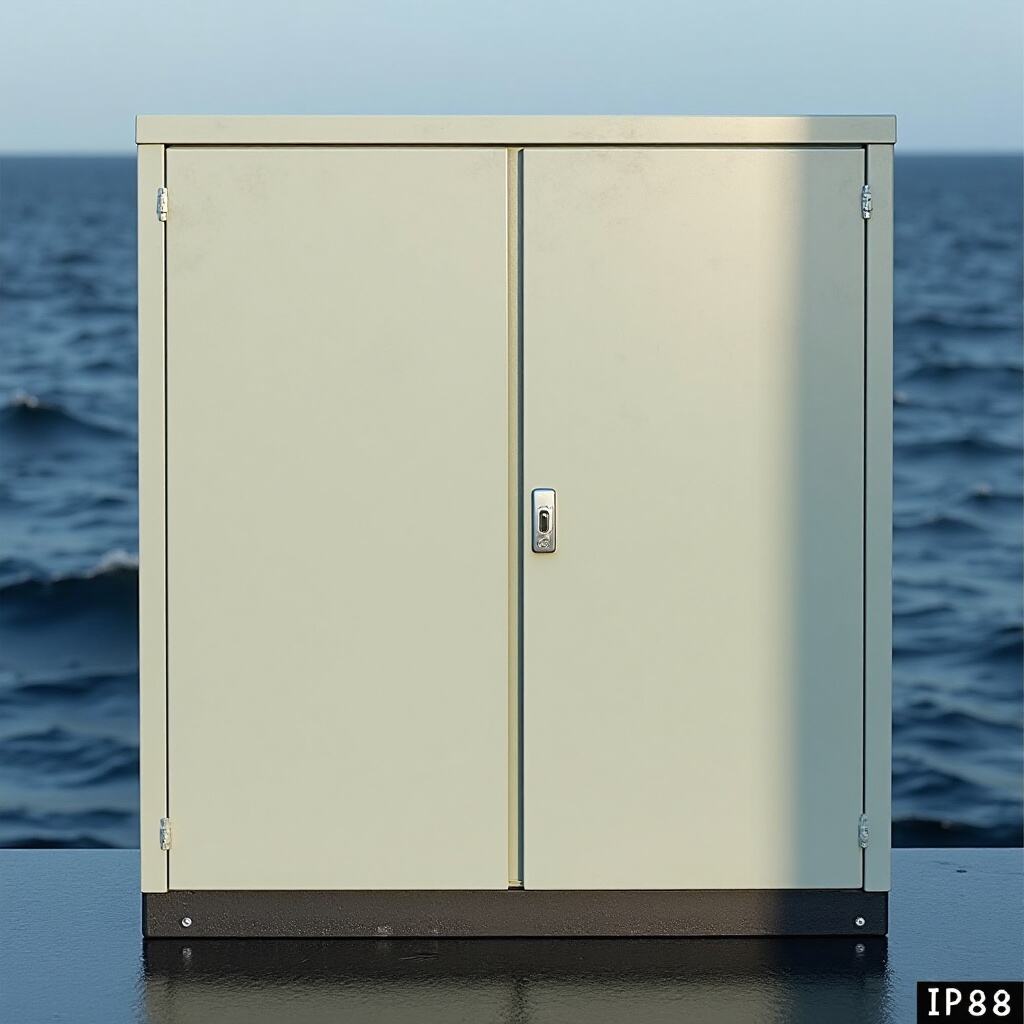
In today's rapidly evolving industrial landscape, selecting the right floor standing enclosure for your electrical equipment is more critical than ever. These protective housings serve as the backbone of electrical infrastructure across manufacturing facilities, telecommunications centers, and commercial buildings. As we enter 2025, the demand for reliable, durable, and versatile floor standing enclosure solutions continues to grow, driven by increasing automation and digitalization trends across industries.
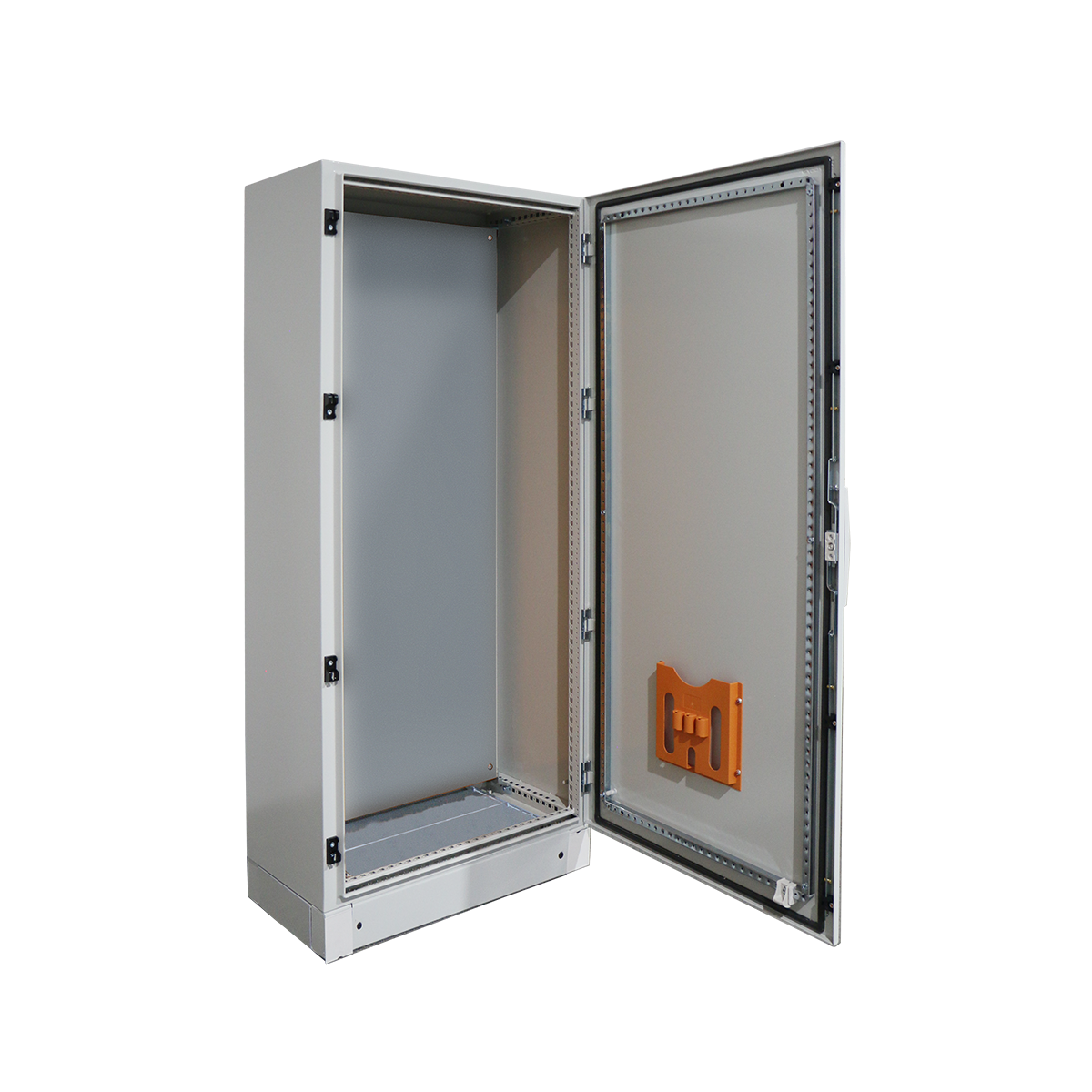
The market offers numerous options, making the selection process challenging for engineers and facility managers. Understanding the key features, specifications, and applications of different floor standing enclosure models is essential for making informed purchasing decisions. This comprehensive buyer's guide examines the top five floor standing enclosure options available in 2025, providing detailed insights into their capabilities, benefits, and ideal use cases.
Understanding Floor Standing Enclosure Fundamentals
Core Design Principles
Modern floor standing enclosure designs prioritize both protection and accessibility. These units feature robust construction materials, typically incorporating heavy-gauge steel or aluminum alloys that provide excellent durability and electromagnetic shielding. The fundamental design philosophy centers on creating a secure environment for sensitive electrical components while ensuring maintenance personnel can easily access internal equipment when necessary. Advanced floor standing enclosure models integrate multiple protection layers, including gasket sealing systems, drainage mechanisms, and ventilation solutions.
The structural integrity of a quality floor standing enclosure depends on precise engineering and manufacturing processes. Welded seams, reinforced mounting points, and carefully designed door mechanisms contribute to the overall reliability of these protective housings. Modern units also incorporate modular design elements, allowing for customization based on specific application requirements. This flexibility enables end-users to configure their floor standing enclosure installations according to unique spatial constraints and equipment specifications.
Essential Protection Standards
Industry-standard protection ratings play a crucial role in floor standing enclosure selection. The International Protection (IP) rating system defines the level of protection against solid particles and liquids that these enclosures provide. Most industrial applications require IP54 or higher ratings, ensuring adequate protection against dust ingress and water splashing. Premium floor standing enclosure models often achieve IP65 or IP66 ratings, offering superior protection for harsh industrial environments.
Beyond basic IP ratings, many floor standing enclosure units comply with additional safety and performance standards. UL certification ensures electrical safety compliance, while NEMA ratings provide standardized protection classifications specific to North American applications. The combination of these certifications gives buyers confidence in the reliability and safety of their selected floor standing enclosure solutions. Environmental considerations, such as temperature cycling resistance and corrosion protection, further enhance the long-term performance of these critical infrastructure components.
Top-Tier Floor Standing Enclosure Features
Advanced Thermal Management
Effective thermal management represents a critical feature in modern floor standing enclosure designs. Heat dissipation becomes increasingly important as electronic components become more powerful and densely packed within these protective housings. Advanced models incorporate multiple cooling strategies, including natural convection enhancement, forced air circulation systems, and heat exchanger integration. The internal temperature control directly impacts the lifespan and reliability of housed equipment, making thermal management a top priority for quality floor standing enclosure manufacturers.
Innovative ventilation designs optimize airflow patterns within the floor standing enclosure while maintaining ingress protection ratings. Strategic placement of inlet and outlet vents creates effective thermal circulation without compromising environmental protection. Some premium models feature temperature-controlled cooling systems that automatically adjust fan speeds based on internal conditions. This intelligent thermal management ensures optimal operating temperatures across varying ambient conditions and equipment loads.
Accessibility and Maintenance Features
User-friendly access mechanisms distinguish superior floor standing enclosure models from basic alternatives. Multi-point locking systems provide secure closure while enabling quick access during maintenance procedures. Ergonomic handle designs reduce operator fatigue during frequent access operations. Advanced models incorporate gas struts or counterbalance mechanisms that support heavy doors, improving safety and ease of operation for maintenance personnel.
Internal organization systems enhance the functionality of modern floor standing enclosure designs. Adjustable mounting rails, cable management systems, and removable panels facilitate efficient equipment installation and maintenance procedures. Some manufacturers offer custom internal configurations tailored to specific equipment requirements. These organizational features significantly reduce installation time and improve the overall user experience when working with floor standing enclosure systems.
Material Construction and Durability Analysis
Steel Construction Benefits
Steel remains the most popular material choice for floor standing enclosure construction due to its excellent strength-to-weight ratio and cost-effectiveness. Cold-rolled steel provides superior dimensional stability and surface finish quality compared to hot-rolled alternatives. The material selection directly impacts the protective capabilities and longevity of the floor standing enclosure installation. High-quality steel construction ensures structural integrity under mechanical stress and provides excellent electromagnetic interference (EMI) shielding properties.
Surface treatment processes significantly enhance the durability of steel floor standing enclosure units. Powder coating applications create durable, corrosion-resistant finishes that maintain their appearance and protective properties over extended service periods. Some manufacturers offer specialized coating options for extreme environments, including chemical-resistant and high-temperature formulations. The combination of quality steel construction and advanced surface treatments results in floor standing enclosure products that deliver decades of reliable service in demanding industrial applications.
Aluminum and Composite Alternatives
Aluminum floor standing enclosure models offer distinct advantages in specific applications where weight reduction and corrosion resistance are paramount. The natural corrosion resistance of aluminum eliminates the need for extensive surface treatments in many environments. These units prove particularly valuable in marine, chemical processing, and outdoor installation applications where traditional steel enclosures might face accelerated degradation. The excellent thermal conductivity of aluminum also provides inherent heat dissipation benefits for temperature-sensitive applications.
Composite materials represent an emerging category in floor standing enclosure construction, offering unique properties for specialized applications. Fiberglass-reinforced plastics provide excellent chemical resistance and electrical insulation properties while maintaining structural strength. These advanced materials prove particularly valuable in corrosive environments where metal enclosures face significant challenges. The design flexibility of composite materials enables complex geometries and integrated features that traditional manufacturing methods cannot achieve in a single floor standing enclosure unit.
Size and Configuration Options
Standard Dimensional Categories
Floor standing enclosure manufacturers typically organize their product lines into standard dimensional categories to simplify selection and ordering processes. Small-format units, ranging from 600mm to 1200mm in height, serve applications with limited equipment requirements and space constraints. Medium-sized floor standing enclosure models, spanning 1400mm to 1800mm in height, accommodate most industrial control and distribution applications. Large-format units exceed 2000mm in height and provide substantial internal volume for complex equipment installations and future expansion requirements.
Width and depth dimensions follow similar standardization patterns, with common configurations including 600x600mm, 800x600mm, and 800x800mm footprints. These standard dimensions facilitate integration with existing infrastructure and ensure compatibility with standard mounting hardware. Custom sizing options are available for specialized applications, though standard configurations typically offer the best value and delivery performance. The modular nature of many floor standing enclosure designs allows for field modification and expansion when requirements change over time.
Multi-Compartment Configurations
Advanced floor standing enclosure designs incorporate multiple compartment configurations to enhance functionality and safety. Separate compartments enable the isolation of different voltage levels, signal types, or equipment categories within a single housing. This compartmentalization approach reduces the number of individual enclosures required while improving overall installation efficiency. Multi-compartment floor standing enclosure units often feature independent access controls and environmental separation between compartments.
The internal partitioning systems in multi-compartment floor standing enclosure designs must maintain the overall protection rating while providing functional separation. Removable partitions offer flexibility for future reconfiguration, while permanent separations provide maximum isolation for critical applications. Some manufacturers offer modular partition systems that allow field customization of compartment sizes and configurations. This flexibility proves particularly valuable in applications where equipment requirements may evolve over the service life of the floor standing enclosure installation.
Installation and Integration Considerations
Foundation and Mounting Requirements
Proper foundation preparation is essential for successful floor standing enclosure installation and long-term performance. The foundation must provide adequate load distribution and maintain level surfaces to ensure proper door alignment and sealing performance. Concrete pads represent the most common foundation solution, offering excellent stability and load-bearing capacity. The foundation design must account for the total weight of the floor standing enclosure plus the maximum equipment load to prevent settling or structural issues over time.
Anchor bolt patterns and mounting hardware specifications vary among different floor standing enclosure models and manufacturers. Standard mounting configurations typically utilize four-point anchor systems with adjustable leveling provisions. Some larger units require additional anchor points to ensure adequate structural connection under seismic or wind load conditions. The mounting system design must accommodate thermal expansion and contraction cycles while maintaining secure attachment throughout the service life of the floor standing enclosure installation.
Cable Management and Access
Effective cable management systems integrated into floor standing enclosure designs facilitate clean, organized installations while maintaining ingress protection ratings. Bottom-entry configurations provide the most common cable access method, utilizing removable knockouts or gland plates to accommodate various cable sizes and types. Side-entry and top-entry options are available for specific installation requirements or space constraints. The cable entry system must maintain the overall IP rating of the floor standing enclosure while providing adequate sealing around cables and conduits.
Internal cable routing systems within the floor standing enclosure should provide organized pathways for different cable types while minimizing interference and maintaining accessibility. Dedicated channels for power, control, and communication cables prevent crosstalk and simplify troubleshooting procedures. Removable cable trays and mounting brackets enable easy reconfiguration when equipment changes occur. Quality floor standing enclosure designs incorporate adequate bending radii and strain relief provisions to protect cables from damage during installation and service procedures.
Cost Analysis and Value Considerations
Initial Investment Factors
The initial purchase price of a floor standing enclosure represents just one component of the total cost of ownership. Material quality, manufacturing precision, and included features significantly impact the upfront investment required. Premium models with advanced features and superior construction typically command higher initial prices but deliver enhanced long-term value through improved reliability and reduced maintenance requirements. The size, configuration complexity, and customization level directly influence the floor standing enclosure pricing structure.
Additional costs associated with floor standing enclosure procurement include shipping, installation, and commissioning expenses. Large or heavy units may require specialized transportation and handling equipment, increasing the delivered cost. Custom modifications or non-standard configurations typically incur engineering and manufacturing premiums. Buyers should consider these additional expenses when comparing different floor standing enclosure options to ensure accurate total cost assessments.
Long-Term Value Assessment
The long-term value proposition of a floor standing enclosure depends on multiple factors including durability, maintenance requirements, and adaptability to changing needs. High-quality units with robust construction and premium finishes typically provide decades of reliable service with minimal maintenance intervention. The protection level and environmental resistance directly impact the service life of both the enclosure and the equipment it houses. Investing in a superior floor standing enclosure often results in lower total cost of ownership over the installation lifetime.
Energy efficiency considerations play an increasingly important role in floor standing enclosure value assessments. Thermal management effectiveness directly impacts the cooling costs and equipment reliability within the enclosure. Models with efficient ventilation designs or integrated cooling systems can provide significant energy savings over time. The environmental impact and sustainability aspects of floor standing enclosure manufacturing and materials are becoming important factors in procurement decisions for many organizations.
FAQ
What protection rating should I choose for my floor standing enclosure?
The protection rating selection depends on your specific environmental conditions and application requirements. For indoor applications with minimal dust and moisture exposure, IP54 ratings typically provide adequate protection. Outdoor installations or harsh industrial environments usually require IP65 or higher ratings. Consider factors such as wash-down requirements, dust levels, and exposure to weather when selecting the appropriate protection level for your floor standing enclosure.
How do I determine the correct size for my floor standing enclosure?
Size determination should account for current equipment requirements plus anticipated future expansion needs. Calculate the total volume of equipment to be housed, including clearances for ventilation and maintenance access. Add 25-30% extra capacity for future additions or modifications. Consider the physical constraints of your installation location, including ceiling height, doorway access, and proximity to other equipment when selecting floor standing enclosure dimensions.
What maintenance is required for floor standing enclosures?
Regular maintenance typically includes inspecting door seals and gaskets for wear or damage, cleaning ventilation filters, and checking for corrosion or finish deterioration. Lubricate hinges and locking mechanisms annually or as specified by the manufacturer. Verify that drainage systems remain clear and functional. Interior cleaning should be performed during scheduled equipment maintenance to remove dust and debris that could impact equipment performance or air circulation within the floor standing enclosure.
Can I modify my floor standing enclosure after installation?
Most quality floor standing enclosure designs accommodate field modifications within certain limitations. Additional knockouts can typically be added for cable entries, and internal mounting provisions can often be reconfigured. However, major structural modifications may compromise the integrity and protection rating of the unit. Consult with the manufacturer or a qualified engineer before making significant changes to ensure that modifications maintain the safety and performance characteristics of your floor standing enclosure installation.