 EN
EN

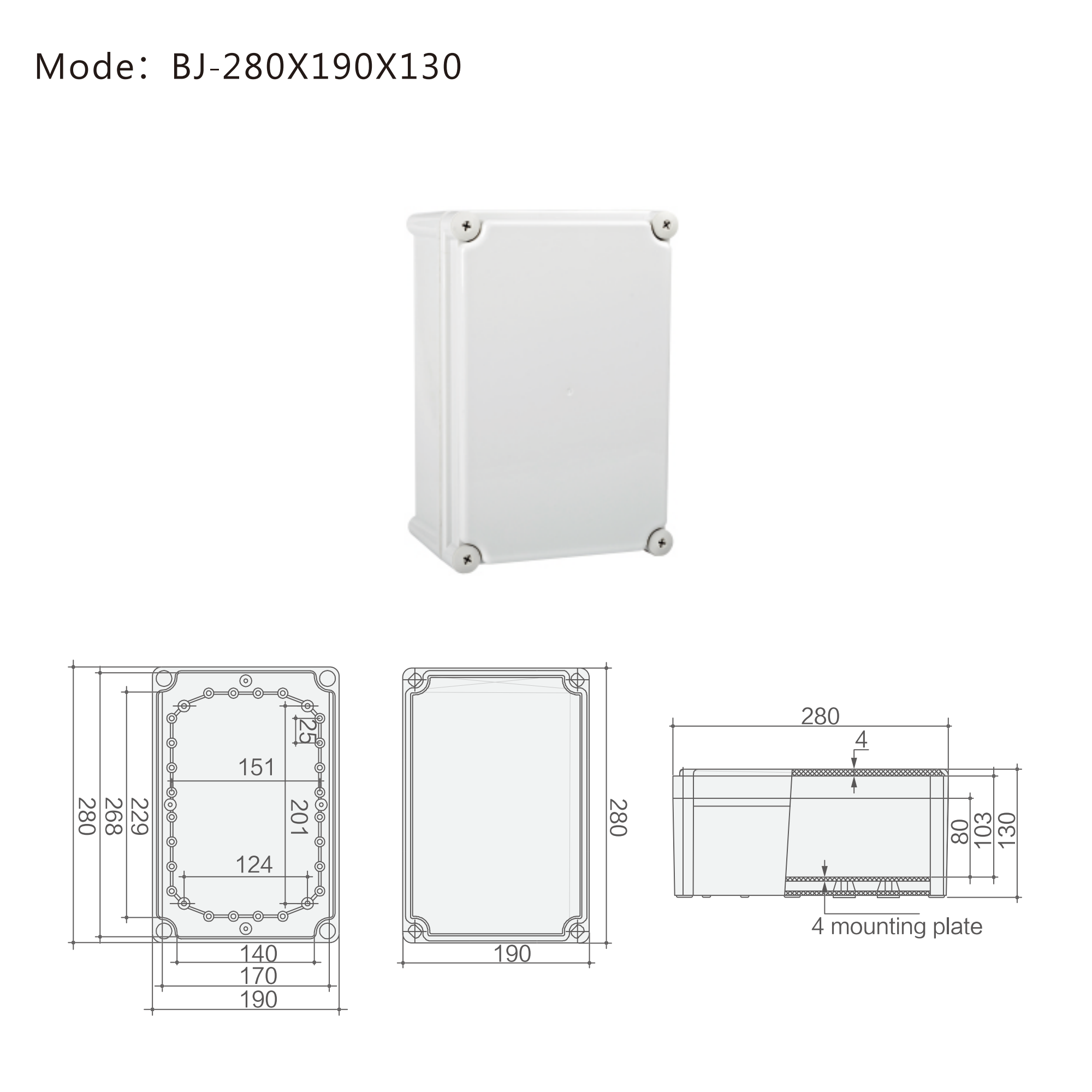
When selecting protective electrical housing for industrial applications, understanding the distinction between a junction enclosure and a junction box becomes crucial for ensuring optimal performance and safety. While these terms are often used interchangeably in casual conversation, they represent different categories of electrical protection systems with distinct characteristics, applications, and performance capabilities that can significantly impact your project's success.
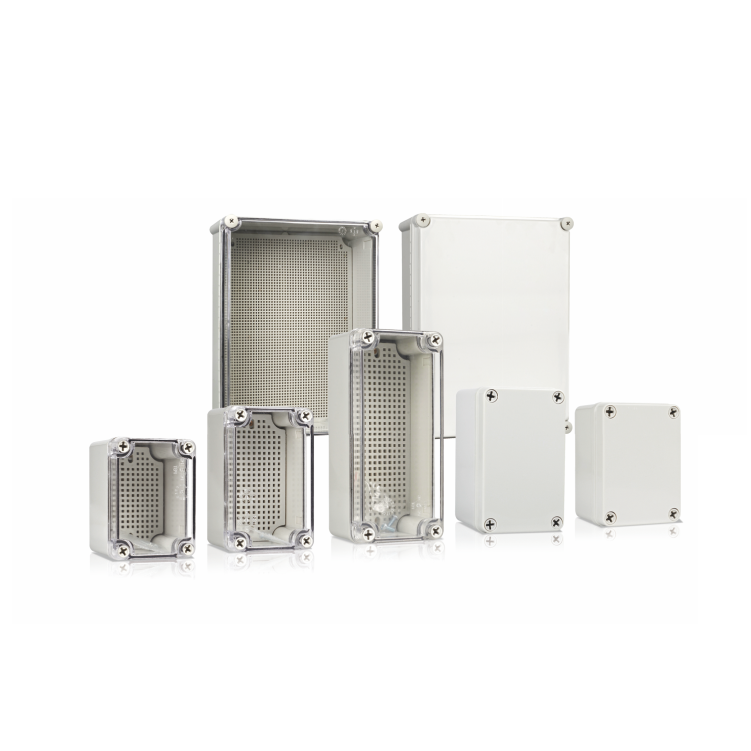
The fundamental differences between a junction enclosure and a junction box extend beyond simple terminology, encompassing critical factors such as environmental protection ratings, material construction, size specifications, and intended operational environments. These distinctions directly influence installation requirements, maintenance protocols, and long-term reliability in various industrial settings, making proper selection essential for electrical system integrity.
Structural Design and Construction Differences
Material Composition and Durability Standards
A junction enclosure typically features more robust construction materials compared to standard junction boxes, incorporating advanced polymers, reinforced plastics, or specialized metal alloys designed to withstand extreme environmental conditions. The junction enclosure construction emphasizes long-term durability through enhanced wall thickness, superior gasket systems, and reinforced mounting points that provide exceptional mechanical strength under stress.
Junction boxes, while functional for basic applications, often utilize lighter-weight materials and simpler construction methods that prioritize cost-effectiveness over maximum environmental protection. The material selection for junction boxes focuses on meeting standard electrical codes while maintaining affordability for general-purpose installations where extreme conditions are not anticipated.
The manufacturing processes for junction enclosure units involve precision molding techniques and quality control measures that ensure consistent wall thickness, proper gasket seating, and accurate dimensional tolerances. These manufacturing standards contribute to the superior sealing performance and mechanical integrity that distinguish junction enclosures from conventional junction boxes.
Size and Configuration Options
Junction enclosure systems offer extensive size ranges and configuration flexibility to accommodate complex electrical installations requiring multiple cable entries, internal component mounting, and future expansion capabilities. The design philosophy behind junction enclosure sizing emphasizes modularity and adaptability, allowing engineers to select optimal dimensions for specific application requirements.
Standard junction boxes follow more limited sizing conventions based on common electrical installation needs, with standardized dimensions that serve general-purpose wiring applications efficiently. The junction box sizing approach prioritizes standardization and inventory simplification over specialized application optimization, making them suitable for routine electrical work.
Internal space utilization differs significantly between junction enclosure and junction box designs, with enclosures providing enhanced cable management features, mounting provisions for electrical components, and optimized internal layouts that facilitate professional installation practices and future maintenance access.
Environmental Protection and Performance Ratings
IP Rating Classifications and Sealing Performance
The junction enclosure category emphasizes superior environmental protection through advanced sealing technologies and higher IP ratings that ensure reliable operation in challenging outdoor, underground, or industrial environments. Junction enclosure units commonly achieve IP65, IP66, IP67, or even IP68 ratings through precision-engineered gasket systems and advanced sealing mechanisms.
Junction boxes typically provide basic environmental protection suitable for indoor or mild outdoor applications, with IP ratings that meet standard electrical installation requirements without the enhanced sealing performance needed for extreme conditions. The protection level offered by junction boxes focuses on preventing casual contact and basic moisture intrusion rather than complete environmental isolation.
Sealing system design represents a key differentiator, with junction enclosure products incorporating multi-stage sealing, premium gasket materials, and engineered compression systems that maintain integrity under pressure cycling, temperature variations, and mechanical stress. This advanced sealing approach ensures long-term reliability in demanding operational environments.
Temperature and Chemical Resistance
Junction enclosure materials undergo specialized treatment processes and incorporate additives that enhance resistance to temperature extremes, UV radiation, chemical exposure, and environmental degradation factors commonly encountered in industrial applications. The material science behind junction enclosure construction emphasizes long-term stability under harsh conditions.
Temperature performance specifications for junction enclosures typically exceed those of standard junction boxes, with operating ranges extending from extreme cold to high-heat environments while maintaining dimensional stability and sealing integrity. This enhanced temperature performance makes junction enclosures suitable for outdoor installations and industrial processes involving thermal cycling.
Chemical resistance properties distinguish junction enclosure products from basic junction boxes, with specialized material formulations that resist degradation from industrial chemicals, cleaning agents, and environmental contaminants that could compromise standard electrical housing materials over time.
Application-Specific Design Features
Cable Entry and Connection Systems
Junction enclosure designs incorporate sophisticated cable entry systems featuring multiple gland options, strain relief mechanisms, and sealing technologies that accommodate various cable types and sizes while maintaining environmental protection integrity. These advanced entry systems support professional installation practices and ensure reliable long-term performance.
The cable management approach in junction enclosure products emphasizes organization, protection, and serviceability through internal features such as cable guides, separation barriers, and mounting provisions that facilitate neat installations and simplify future maintenance procedures. This attention to cable management detail reflects the professional-grade nature of junction enclosure applications.
Junction boxes utilize simpler cable entry methods that meet basic electrical code requirements while prioritizing installation speed and cost-effectiveness over advanced cable management features. The entry systems in junction boxes focus on fundamental functionality rather than the enhanced protection and organization capabilities found in junction enclosure products.
Internal Component Integration
Junction enclosure internal design accommodates electrical components such as terminal blocks, relays, switches, and control devices through integrated mounting systems, proper spacing provisions, and ventilation considerations that support reliable component operation within the protected environment. This component integration capability expands the functional scope of junction enclosure applications.
The internal architecture of junction enclosure units considers electromagnetic interference shielding, component accessibility for maintenance, and thermal management to ensure optimal performance of housed electrical components. These design considerations reflect the advanced applications where junction enclosures provide value beyond simple wire termination protection.
Junction box internal spaces prioritize wire termination and basic electrical connections without the enhanced component mounting and integration features that characterize junction enclosure designs. This simpler internal approach aligns with the fundamental wire protection and connection functions that define junction box applications.
Installation and Maintenance Considerations
Mounting and Installation Requirements
Junction enclosure installation procedures emphasize proper mounting techniques, gasket compression verification, and environmental sealing validation to ensure optimal long-term performance in demanding applications. The installation process for junction enclosures requires attention to detail and adherence to manufacturer specifications to achieve rated protection levels.
Mounting hardware and installation accessories for junction enclosure products typically include specialized fasteners, sealing compounds, and alignment tools that support professional installation practices. The comprehensive installation approach reflects the critical nature of applications where junction enclosures provide essential electrical system protection.
Junction box installation follows standard electrical practices with conventional mounting methods and basic sealing requirements that prioritize installation efficiency over maximum environmental protection. The simplified installation approach makes junction boxes suitable for routine electrical work where specialized protection is not required.
Long-term Maintenance and Serviceability
Maintenance protocols for junction enclosure systems include periodic gasket inspection, sealing integrity verification, and internal component checking to ensure continued protection performance throughout the service life. The maintenance approach for junction enclosures emphasizes preventive care to maintain critical system protection.
Access design in junction enclosure products facilitates maintenance procedures through removable covers, clear internal layouts, and component accessibility that enables efficient service without compromising protection integrity. This serviceability focus supports the long-term reliability requirements of critical electrical installations.
Junction box maintenance requirements remain minimal, focusing on basic inspection and standard electrical maintenance practices without the enhanced protection verification procedures needed for junction enclosure applications. This simplified maintenance approach aligns with the basic protection functions that junction boxes provide.
FAQ
What is the primary difference between a junction enclosure and a junction box?
The primary difference lies in their level of environmental protection and construction quality. A junction enclosure provides superior sealing, higher IP ratings, and more robust construction designed for harsh industrial environments, while a junction box offers basic electrical protection suitable for standard indoor applications with simpler construction and lower environmental resistance.
When should I choose a junction enclosure over a junction box?
Choose a junction enclosure when your application involves outdoor installation, extreme temperatures, chemical exposure, high moisture environments, or critical electrical systems requiring maximum protection. Junction enclosures are also preferred when housing electronic components, requiring enhanced cable management, or when long-term reliability in challenging conditions is essential.
Are junction enclosures worth the additional cost compared to junction boxes?
Junction enclosures justify their higher cost in applications where electrical system failure would result in significant downtime, safety risks, or replacement costs. The enhanced protection, durability, and reliability of junction enclosures provide long-term value in demanding environments, while junction boxes remain cost-effective for basic applications with minimal environmental challenges.
Can junction enclosures and junction boxes be used interchangeably?
While both serve electrical protection functions, they cannot always be used interchangeably due to different protection levels, mounting requirements, and environmental capabilities. A junction enclosure can typically substitute for a junction box in most applications, but a junction box may not provide adequate protection for applications specifically requiring junction enclosure performance levels.