 EN
EN

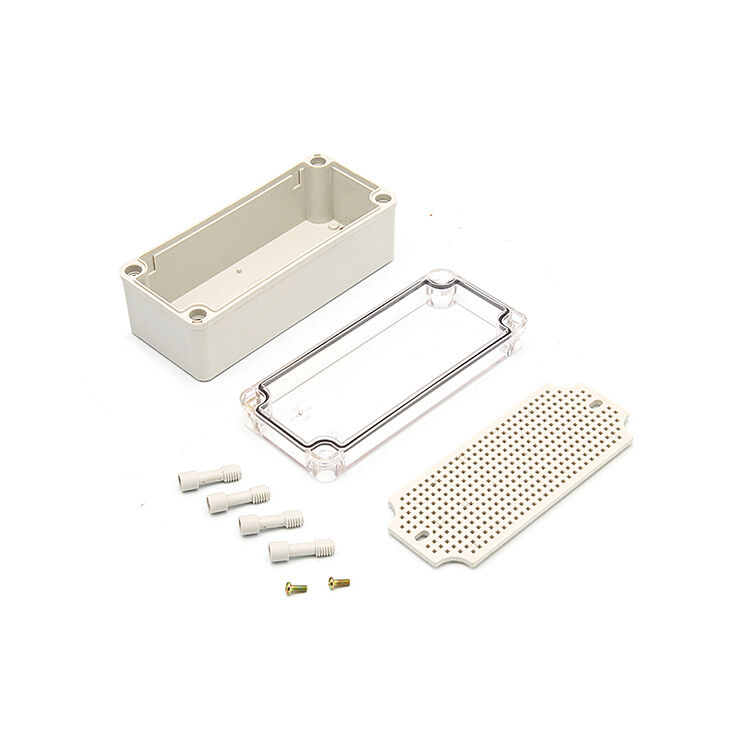
When selecting electrical enclosures for your project, choosing between a plastic or metal junction box can significantly impact both performance and budget. The junction box serves as a critical protective housing for electrical connections, safeguarding wiring from environmental hazards while ensuring code compliance. Understanding the fundamental differences between these two materials helps electrical contractors and engineers make informed decisions that balance cost-effectiveness with long-term reliability.
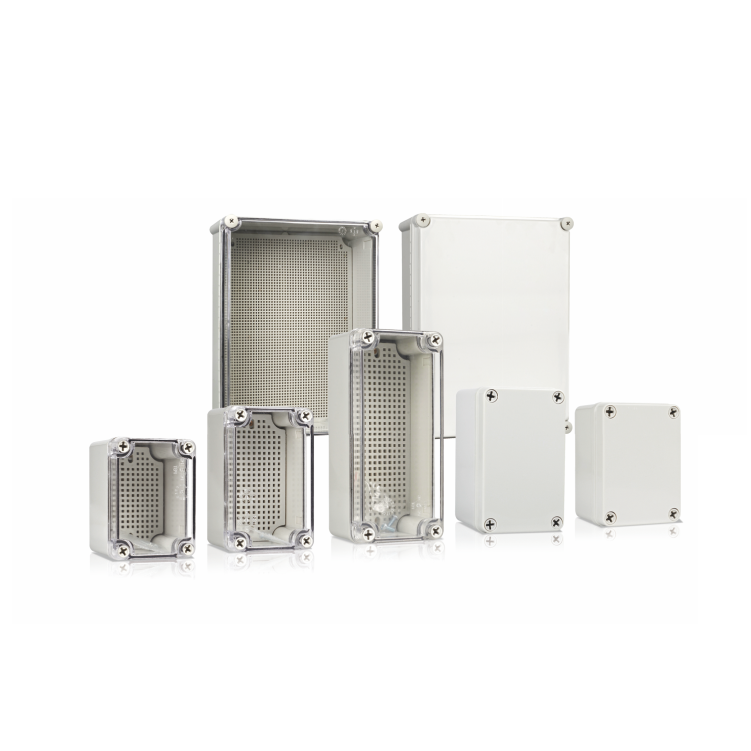
Modern construction projects demand careful consideration of material properties, installation requirements, and lifecycle costs. Each junction box type offers distinct advantages depending on the application environment, from residential wiring to industrial installations. The decision between plastic and metal enclosures affects everything from initial procurement costs to maintenance schedules and replacement intervals.
Material Properties and Construction Differences
Plastic Junction Box Characteristics
Thermoplastic junction boxes are manufactured primarily from PVC, polycarbonate, or ABS materials, each offering unique benefits for specific applications. These materials provide excellent electrical insulation properties while resisting corrosion from moisture and chemical exposure. The molding process allows for complex geometries and integrated mounting features that simplify installation procedures.
Weight reduction represents a significant advantage of plastic enclosures, particularly in overhead installations or applications requiring frequent access. The lightweight nature reduces structural loading requirements and simplifies handling during installation. Modern plastic formulations also incorporate UV stabilizers and flame retardants to meet stringent safety standards.
Temperature resistance varies significantly among plastic types, with polycarbonate junction box options providing superior performance in extreme environments. Standard PVC enclosures typically operate effectively within -40°F to 140°F ranges, while specialized formulations extend these limits for demanding applications.
Metal Junction Box Construction
Steel and aluminum represent the most common metals used in junction box manufacturing, with each offering distinct advantages. Steel enclosures provide exceptional mechanical strength and electromagnetic interference shielding, making them ideal for industrial environments with heavy machinery or sensitive electronic equipment.
Galvanized coatings or powder coating finishes protect metal junction boxes from corrosion while maintaining structural integrity over extended service periods. Stainless steel variants offer superior corrosion resistance for marine or chemical processing environments where standard coatings may fail.
The manufacturing process for metal enclosures typically involves stamping or welding operations that create robust housings capable of withstanding significant mechanical stress. Threaded mounting holes and knockouts provide secure connection points for conduit and cable entries.
Cost Analysis and Budget Considerations
Initial Purchase Price Comparison
Plastic junction boxes generally offer lower initial purchase prices compared to metal alternatives, with cost savings ranging from 30% to 60% depending on size and specifications. Volume purchasing agreements can further reduce plastic enclosure costs, making them attractive for large-scale residential developments or retrofit projects.
However, metal junction box pricing remains competitive for applications requiring specific performance characteristics. Specialized coatings, increased wall thickness, or custom configurations can narrow the price gap between materials, particularly in commercial or industrial grades.
Market fluctuations in raw material costs affect both plastic and metal enclosures differently, with petroleum-based plastics showing greater price volatility compared to steel or aluminum. Long-term procurement strategies should consider these fluctuations when selecting enclosure materials for multi-phase projects.
Installation Labor and Associated Costs
Installation time differences between plastic and metal enclosures can significantly impact project budgets through labor cost variations. Plastic junction boxes typically require less installation time due to lighter weight and simplified mounting procedures, reducing overall labor expenses.
Metal enclosures may require additional grounding connections or specialized mounting hardware that increases installation complexity and time requirements. However, the robust construction often allows for easier modification or expansion during installation, potentially offsetting some time disadvantages.
Tool requirements also differ between materials, with metal enclosures potentially requiring specialized cutting or drilling equipment for field modifications. Plastic junction box installations typically use standard electrical tools, reducing equipment costs and training requirements for installation crews.
Durability and Environmental Performance
Weather Resistance and Environmental Protection
Outdoor applications demand careful consideration of environmental factors that affect junction box longevity. junction box enclosures with proper IP ratings provide excellent protection against moisture ingress and environmental contamination regardless of material composition.
UV radiation exposure presents challenges for both materials, with plastic enclosures requiring UV stabilizers to prevent degradation and discoloration. Metal junction boxes with quality coatings generally show superior long-term appearance retention under continuous sunlight exposure.
Chemical resistance varies significantly between materials, with certain plastic formulations offering superior performance against acids, alkalis, and solvents. Metal enclosures may require specialized coatings or material selection for chemical processing environments.
Mechanical Impact and Physical Durability
Impact resistance represents a critical performance factor in high-traffic or industrial environments. Metal junction boxes typically provide superior protection against mechanical damage from tools, equipment, or accidental impact during maintenance operations.
Plastic enclosures have improved significantly in impact resistance through advanced material formulations and reinforcement techniques. Modern polycarbonate junction box designs can withstand considerable impact while maintaining electrical insulation properties.
Vibration resistance differs between materials, with metal enclosures generally providing better performance in applications with continuous mechanical vibration. Proper mounting and gasket selection can improve plastic junction box performance in moderate vibration environments.
Installation Time and Complexity Factors
Mounting and Connection Procedures
Installation efficiency depends heavily on mounting system design and connection accessibility. Plastic junction boxes often feature integrated mounting tabs or brackets that simplify positioning and securing procedures, reducing installation time and potential errors.
Conduit connections typically require different approaches between materials, with metal enclosures providing threaded entries that ensure secure mechanical and electrical connections. Plastic junction box conduit connections may require additional fittings or adapters to achieve equivalent security.
Wire termination accessibility varies between designs, with some plastic enclosures offering improved access through removable covers or hinged designs. Metal junction boxes may provide more space for complex wiring configurations but require careful attention to grounding requirements.
Modification and Customization Capabilities
Field modifications represent common requirements during electrical installations, particularly in retrofit or renovation projects. Metal junction boxes typically allow for easier drilling, cutting, or knockout removal using standard tools and techniques.
Plastic enclosures may require specialized cutting tools or techniques to prevent cracking or damage during modification. However, the softer material often allows for faster cutting operations when proper tools are used.
Custom configurations or special mounting requirements can be accommodated differently depending on material properties. Metal junction box modifications maintain structural integrity more predictably, while plastic modifications require careful consideration of stress concentration points.
Application-Specific Recommendations
Residential and Light Commercial Applications
Residential electrical systems typically benefit from plastic junction box installations due to cost advantages and simplified installation procedures. The controlled environment of interior spaces reduces weather exposure concerns while maximizing budget efficiency.
Light commercial applications may warrant metal enclosures in areas with potential mechanical damage or where electromagnetic interference protection is required. Office environments with sensitive electronic equipment often benefit from the shielding properties of metal junction boxes.
Renovation projects frequently favor plastic enclosures due to weight considerations and ease of installation in existing structures. The reduced structural loading requirements can eliminate the need for additional support structures or reinforcement.
Industrial and Heavy-Duty Environments
Manufacturing facilities and industrial environments typically require metal junction boxes to withstand harsh operating conditions and provide reliable long-term performance. The superior mechanical protection justifies higher initial costs through reduced maintenance and replacement requirements.
Chemical processing plants or facilities with corrosive atmospheres may benefit from specialized plastic junction box materials designed for chemical resistance. Proper material selection becomes critical for ensuring long-term reliability in these demanding environments.
High-vibration applications such as machinery installations generally require metal enclosures to maintain connection integrity and prevent fatigue failures. The rigid construction provides stable mounting platforms for sensitive electrical connections.
FAQ
What factors should determine junction box material selection
Material selection should consider environmental conditions, budget constraints, installation requirements, and long-term maintenance needs. Plastic junction boxes excel in cost-sensitive applications with controlled environments, while metal enclosures provide superior durability in harsh conditions. Consider factors such as temperature extremes, chemical exposure, mechanical stress, and electromagnetic interference requirements when making your selection.
How do installation times compare between plastic and metal junction boxes
Plastic junction boxes typically require 15-30% less installation time due to lighter weight and simplified mounting procedures. However, metal enclosures may offer time savings during modifications or when complex grounding requirements are involved. The overall time difference depends on specific application requirements, accessibility, and installer experience with each material type.
Which junction box type offers better long-term value
Long-term value depends on specific application requirements and environmental conditions. Plastic junction boxes provide excellent value in controlled environments with lower initial costs and reduced installation time. Metal enclosures offer superior long-term value in harsh environments where durability and mechanical protection justify higher initial investment through reduced maintenance and replacement costs.
Can plastic junction boxes meet industrial safety standards
Modern plastic junction boxes can meet most industrial safety standards including UL, CSA, and IEC certifications when properly specified for the application. High-performance plastic materials offer excellent flame resistance, impact protection, and environmental sealing comparable to metal alternatives. However, specific applications may require metal enclosures to meet electromagnetic compatibility or mechanical protection requirements that exceed plastic capabilities.