 EN
EN

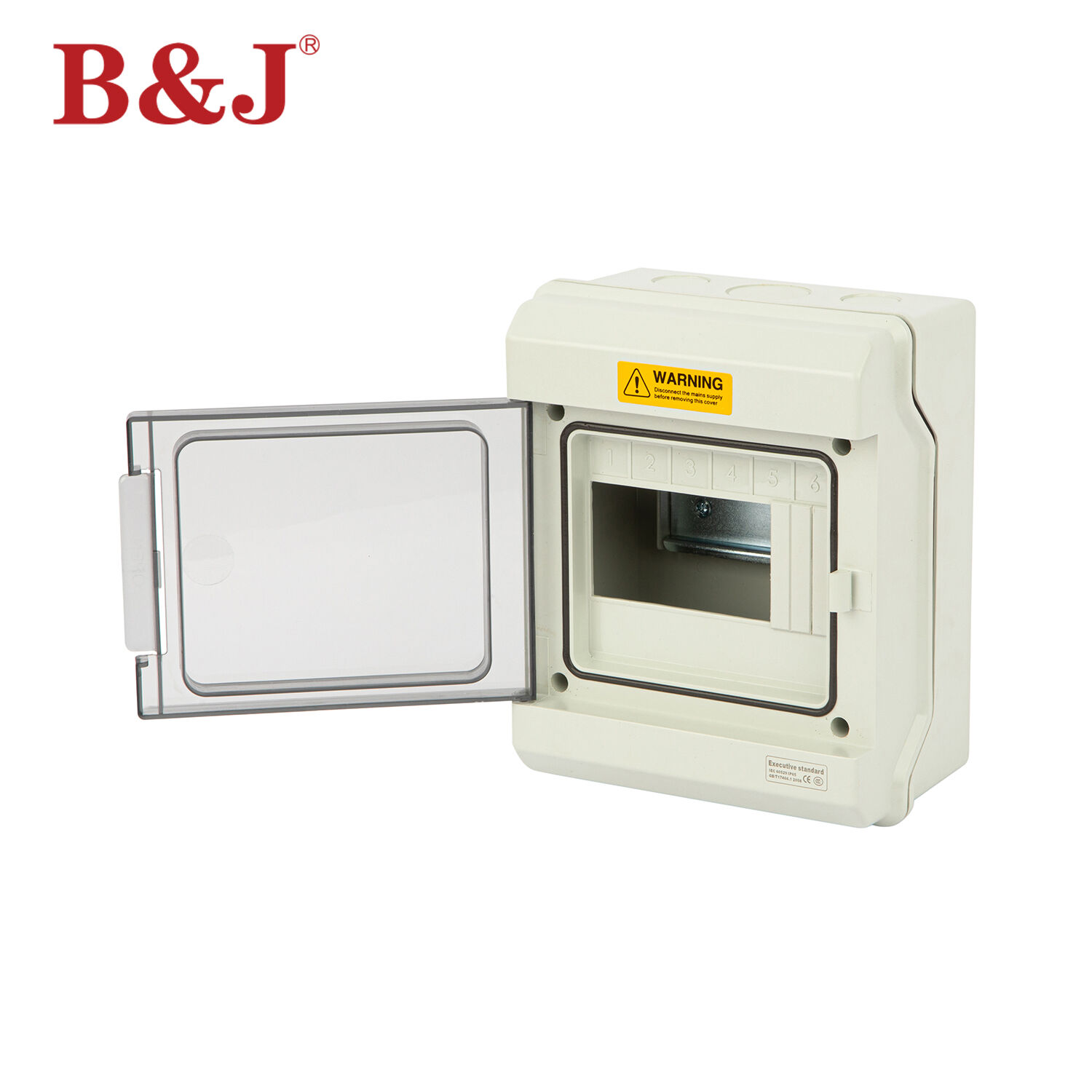
Improper junction box mounting represents one of the most common yet preventable issues in electrical installations, potentially leading to safety hazards, code violations, and costly repairs. Understanding the critical mounting mistakes that plague both novice and experienced electricians can significantly improve installation quality and long-term reliability of electrical systems.
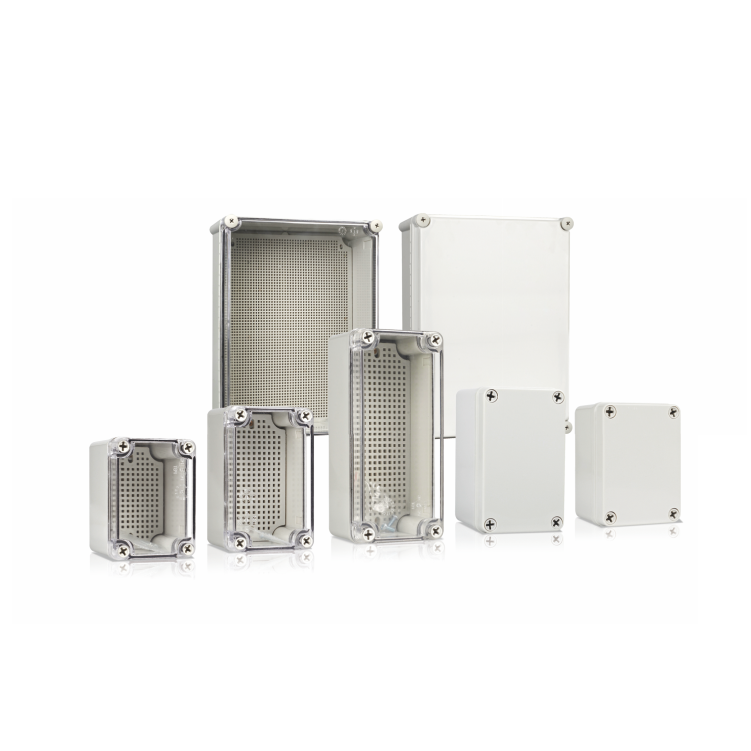
Professional electrical contractors recognize that junction box mounting errors create cascading problems throughout the electrical system, affecting everything from wire management to maintenance accessibility. These mounting mistakes often remain hidden until inspection time or when electrical issues arise, making prevention through proper installation techniques essential for project success and regulatory compliance.
Critical Mounting Position Errors
Inadequate Structural Support Assessment
The most fundamental mounting mistake involves failing to properly evaluate the structural capacity of the mounting surface before installing a junction box. Many installers assume that drywall anchors or basic fasteners provide sufficient support without considering the weight and stress factors that affect long-term stability. This oversight becomes particularly problematic in commercial installations where junction box systems carry significant loads and experience regular vibration or movement.
Professional assessment requires understanding load distribution principles and selecting mounting hardware that matches both the junction box specifications and the structural characteristics of the installation surface. Concrete, masonry, metal studs, and wood framing each demand specific fastening approaches to ensure reliable mounting performance over the system's operational lifespan.
Structural engineers emphasize that inadequate support assessment leads to progressive mounting failure, where initial minor movement gradually compromises electrical connections and creates safety hazards. Proper evaluation includes checking for hidden utilities, assessing material composition, and verifying that mounting locations align with structural elements rather than relying solely on surface-level attachment.
Improper Depth and Flush Installation
Junction box depth miscalculations represent another critical positioning error that affects both functionality and code compliance. Installing boxes too shallow creates insufficient space for wire connections and proper conductor management, while excessive depth complicates access and may violate electrical code requirements for maximum recess distances.
Code-compliant junction box installation requires precise depth calculations that account for wall thickness, finish materials, and accessibility requirements. The National Electrical Code specifies maximum recess depths to ensure that electrical connections remain accessible for maintenance and inspection purposes, making accurate depth planning essential for regulatory compliance.
Experienced contractors use depth gauges and measurement tools to verify proper junction box positioning before finalizing mounting locations. This attention to dimensional accuracy prevents costly reinstallation work and ensures that electrical systems meet both functional and regulatory standards throughout their operational life.
Fastener Selection and Application Failures
Inappropriate Hardware Choices
Selecting incorrect fasteners for junction box mounting creates immediate and long-term stability problems that compromise electrical system integrity. Many installation failures stem from using general-purpose screws or anchors that lack the specific characteristics required for electrical enclosure mounting applications.
Each mounting substrate demands fastener selection based on material properties, load requirements, and environmental conditions. Masonry installations require expansion anchors or concrete screws that create mechanical attachment, while metal stud applications need self-drilling screws designed for steel thickness and gauge specifications.
Professional-grade junction box installations utilize corrosion-resistant fasteners that maintain holding strength despite environmental exposure and thermal cycling. Stainless steel and zinc-plated options provide superior longevity compared to standard hardware, particularly in outdoor or high-humidity applications.
Inadequate Fastener Quantity and Distribution
Using insufficient fasteners or poor distribution patterns creates stress concentration points that lead to mounting failure under normal operational loads. This mistake often occurs when installers attempt to save time or materials by reducing the number of attachment points below manufacturer recommendations.
Junction box manufacturers specify minimum fastener requirements based on structural testing and safety factors that account for dynamic loads, thermal expansion, and long-term material fatigue. Deviating from these specifications compromises the engineering integrity of the mounting system and may void warranty coverage.
Proper fastener distribution involves positioning attachment points to balance loads evenly across the junction box mounting tabs or flanges. Corner-loading patterns and asymmetric attachment create stress risers that accelerate material failure and compromise electrical connection integrity over time.
Environmental Protection Oversights
Moisture Intrusion Vulnerabilities
Failing to address moisture protection during junction box mounting creates long-term reliability problems and potential safety hazards in electrical systems. Many mounting mistakes involve inadequate sealing around penetrations or improper orientation that allows water accumulation within the enclosure.
Professional waterproofing requires understanding moisture pathways and implementing barrier systems that prevent water intrusion while maintaining proper drainage for condensation management. This includes selecting appropriate gaskets, sealants, and mounting orientations that work with gravity rather than fighting natural water flow patterns.
Industrial applications often require IP-rated junction box systems with specific mounting procedures that maintain environmental protection ratings. Compromising gasket compression or creating unsealed penetrations during mounting defeats the engineered protection features and exposes electrical components to corrosive environments.
Temperature Expansion Accommodation
Rigid mounting systems that fail to accommodate thermal expansion create stress concentrations that damage both the junction box and surrounding materials. This oversight becomes particularly problematic in outdoor installations or applications with significant temperature variations.
Thermal expansion coefficients for different materials create differential movement that must be managed through proper mounting techniques and hardware selection. Flexible mounting systems and expansion joints prevent stress buildup while maintaining structural integrity across temperature ranges.
Engineering analysis shows that thermal stress failures often manifest as cracked enclosures, loose connections, and compromised environmental seals. Preventing these problems requires mounting system design that accommodates predictable expansion while maintaining electrical and mechanical performance standards.
Code Compliance and Accessibility Issues
Violation of Clearance Requirements
Junction box mounting locations that violate electrical code clearance requirements create inspection failures and operational safety hazards. These mistakes often result from inadequate planning or misunderstanding of working space requirements for different voltage levels and installation types.
The National Electrical Code specifies minimum working clearances for electrical equipment based on voltage levels and installation configurations. Junction box mounting must maintain these clearances while providing adequate access for installation, maintenance, and emergency operations.
Professional installation planning includes clearance verification using measurement tools and code references to ensure compliance before finalizing mounting locations. This preventive approach eliminates costly relocation work and ensures that electrical systems meet regulatory standards throughout their operational life.
Poor Accessibility Planning
Mounting junction box systems in locations that compromise future maintenance access creates long-term operational problems and increased service costs. This mistake often occurs when installation convenience takes priority over lifecycle considerations and maintenance requirements.
Maintenance accessibility requires considering tool requirements, work space needs, and safety considerations for technicians who will service the electrical system over its operational life. Poor mounting location choices can make routine maintenance dangerous or require system shutdown for simple procedures.
Industry best practices emphasize accessibility planning during the design phase, with mounting locations selected to optimize both installation efficiency and long-term maintenance requirements. This approach reduces operational costs and improves system reliability through better maintenance practices.
Prevention Strategies and Best Practices
Pre-Installation Planning and Assessment
Comprehensive pre-installation planning represents the most effective strategy for preventing junction box mounting mistakes. This process involves structural assessment, code review, and coordination with other building systems to optimize mounting locations and installation procedures.
Professional assessment includes evaluating mounting surface characteristics, identifying potential interference issues, and verifying utility clearances before beginning installation work. This planning investment prevents costly corrections and ensures that junction box systems integrate properly with building infrastructure.
Quality control checklists and installation procedures help standardize mounting practices and reduce variability in installation quality. These tools ensure that critical steps receive proper attention and that mounting specifications align with manufacturer requirements and code standards.
Quality Control and Verification Procedures
Implementing systematic quality control procedures during junction box mounting prevents mistakes from progressing into operational problems. These verification steps include dimensional checks, fastener torque verification, and environmental seal testing where applicable.
Professional installation teams use inspection checklists that verify proper mounting hardware selection, adequate structural support, and compliance with code requirements. This systematic approach catches potential problems before they affect system performance or create safety hazards.
Documentation of mounting procedures and verification results provides valuable reference information for future maintenance and system modifications. This record-keeping practice supports warranty compliance and helps identify patterns that could indicate systematic installation issues requiring corrective action.
FAQ
What is the most common junction box mounting mistake?
The most common junction box mounting mistake is inadequate structural support assessment, where installers fail to properly evaluate the mounting surface capacity and select inappropriate fasteners. This leads to progressive mounting failure and potential safety hazards as the system ages.
How do I know if my junction box mounting meets code requirements?
Junction box mounting code compliance requires verifying proper clearance distances, accessibility requirements, and installation depth specifications according to the National Electrical Code. Professional inspection and measurement against current code standards ensures regulatory compliance and operational safety.
Can improper junction box mounting cause electrical failures?
Yes, improper junction box mounting can cause electrical failures through loose connections, moisture intrusion, and mechanical stress on conductors. These mounting problems create progressive reliability issues that may result in system outages, safety hazards, and costly repairs over time.
What tools help prevent junction box mounting mistakes?
Essential tools for preventing junction box mounting mistakes include depth gauges for proper positioning, torque wrenches for fastener specification compliance, and level indicators for alignment verification. Quality installation also requires appropriate fasteners, sealants, and mounting hardware matched to specific application requirements.