 EN
EN

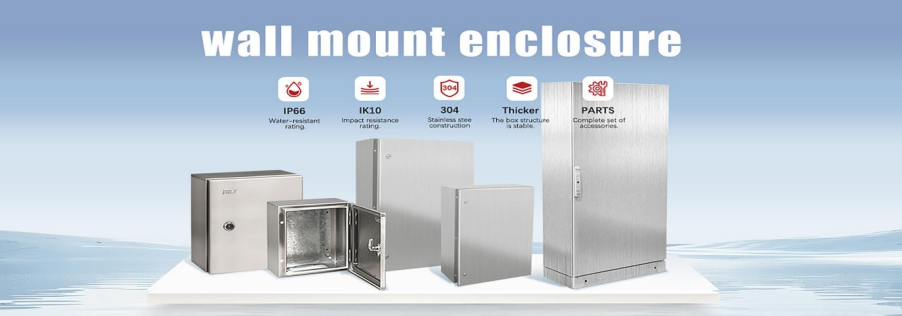
Stainless Steel vs. Carbon Steel Distribution Boxes: A B2B Cost-Benefit Analysis
For B2B buyers, the choice of material for distribution boxes is one of the most consequential decisions in the procurement cycle. It’s a delicate balance between initial acquisition cost (CAPEX) and long-term Maintenance, Repair, and Operations (MRO) expenses (OPEX). While carbon steel is often the budget-friendly choice, stainless steel offers a "buy it once" longevity that can significantly lower the Total Cost of Ownership (TCO) in harsh environments. In this guide, we break down the engineering and financial factors that should drive your material selection process.
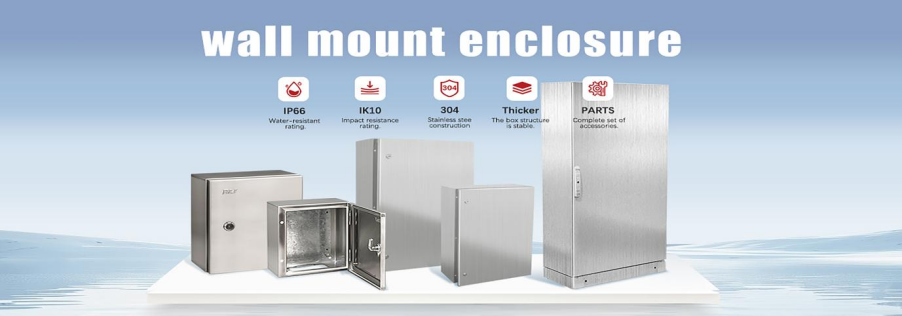
The Case for Carbon Steel: Versatility and Economy
Carbon steel (typically cold-rolled or galvanized) remains the workhorse of the industrial world for indoor and controlled outdoor environments.
- Initial Cost: Carbon steel enclosures are significantly more affordable than their stainless steel counterparts, often costing 40-60% less. For a project requiring thousands of units in a controlled environment (like a dry warehouse or climate-controlled data center), this saving can be massive.
- Customization and Machinability: Carbon steel is easier to fabricate, weld, and modify. If your project requires on-site adjustments or unique knock-out configurations, carbon steel is more forgiving to standard tools.
- Aesthetic and Functional Finishing: The powder coating process allows for almost any RAL color. This is not just for branding; it's for safety. High-voltage boxes can be orange, control boxes can be grey, and emergency systems can be red, allowing for instant identification by maintenance staff.
However, the lifespan of carbon steel is entirely dependent on the integrity of its coating. Once the paint is scratched or degraded by UV rays, the underlying steel is exposed to oxygen and moisture, leading to rapid oxidation. In coastal or high-humidity areas, a carbon steel box may show signs of structural rust in as little as 3 years.
The Premium Choice: Stainless Steel (304 vs. 316)
Stainless steel is the gold standard for durability. At B&J Electrical, we specialize in high-precision stainless steel boxes, but choosing the right grade is critical to ensuring your project isn't "over-engineered" or "under-protected."
Grade 304: The All-Rounder
304 stainless steel contains 18% chromium and 8% nickel. It provides excellent corrosion resistance for most general industrial applications.
- Applications: Food processing facilities (where washdowns are frequent but non-corrosive), inland outdoor sites, and public infrastructure where vandal resistance is needed.
- Benefit: It maintains a professional "brushed" aesthetic for decades and is significantly more resistant to physical scratches than powder-coated steel.
Grade 316: The Marine and Chemical Specialist
Grade 316 contains an additional 2-3% molybdenum, which provides superior resistance to chlorides (like salt spray) and aggressive chemical cleaners.
- Applications: Offshore oil rigs, coastal power stations (within 5 miles of the sea), pharmaceutical cleanrooms, and chemical processing plants.
- Benefit: 316 is the only viable long-term solution for high-salinity environments. Without it, even stainless steel can suffer from "pitting" corrosion.
Analyzing the Total Cost of Ownership (TCO)
When presenting a procurement plan to stakeholders, B2B managers should look at the 10-year and 20-year horizon rather than the initial invoice.
- Replacement Cycle: If a carbon steel box costs $200 and fails every 5 years (requiring a $300 labor cost for re-wiring and a $200 cost for the new box), the 15-year cost is $1,200. A stainless steel box costing $500 that lasts 20 years with zero replacement labor is significantly cheaper over the long run.
- Downtime Risks: The failure of an electrical enclosure due to rust can lead to a short circuit that shuts down an entire production line. In many industries, one hour of downtime costs more than the entire fleet of stainless steel enclosures combined.
- Regulatory Compliance: In industries like food and pharma, rusted enclosures are a hygiene violation. Stainless steel’s non-porous surface and resistance to harsh sanitizers ensure you stay compliant with health and safety audits.
Environmental Considerations: Sustainability in Procurement
As ESG (Environmental, Social, and Governance) targets become mandatory for many B2B organizations, the sustainability of materials is a key differentiator.
- High Recyclability: Stainless steel is one of the most recycled materials on earth. Over 80% of a B&J stainless enclosure can be returned to the circular economy at the end of its life.
- Reduced Material Throughput: By choosing a 25-year product over a 5-year product, you are reducing the amount of raw material, energy for manufacturing, and transportation emissions by 80%. This is the most effective way to lower the carbon footprint of your project’s infrastructure.
Making the Strategic Decision: The B&J Engineering Audit
How do you decide? We recommend the following site audit:
- Corrosivity: Use a salt-spray map or check the proximity to chemical discharge. (High? Use 316)
- Physical Abuse Risk: Is the box in a high-traffic area with forklifts? (Use Stainless for IK10 strength)
- Climate and UV: Is it a desert with 45°C sun? (Use Carbon Steel with UV-stable powder or Stainless)
- Operational Budget: Can the project afford the higher upfront cost to eliminate future MRO labor?
At B&J Electrical, we don't just manufacture boxes; we help you engineer the best ROI for your project. Whether it’s our robust IP66 powder-coated units for a warehouse or our precision-welded 316 cabinets for a coastal wind farm, we ensure your investment is protected by the best materials in the industry.
Table of Contents
- Stainless Steel vs. Carbon Steel Distribution Boxes: A B2B Cost-Benefit Analysis
- The Case for Carbon Steel: Versatility and Economy
- The Premium Choice: Stainless Steel (304 vs. 316)
- Analyzing the Total Cost of Ownership (TCO)
- Environmental Considerations: Sustainability in Procurement
- Making the Strategic Decision: The B&J Engineering Audit