junction box plug
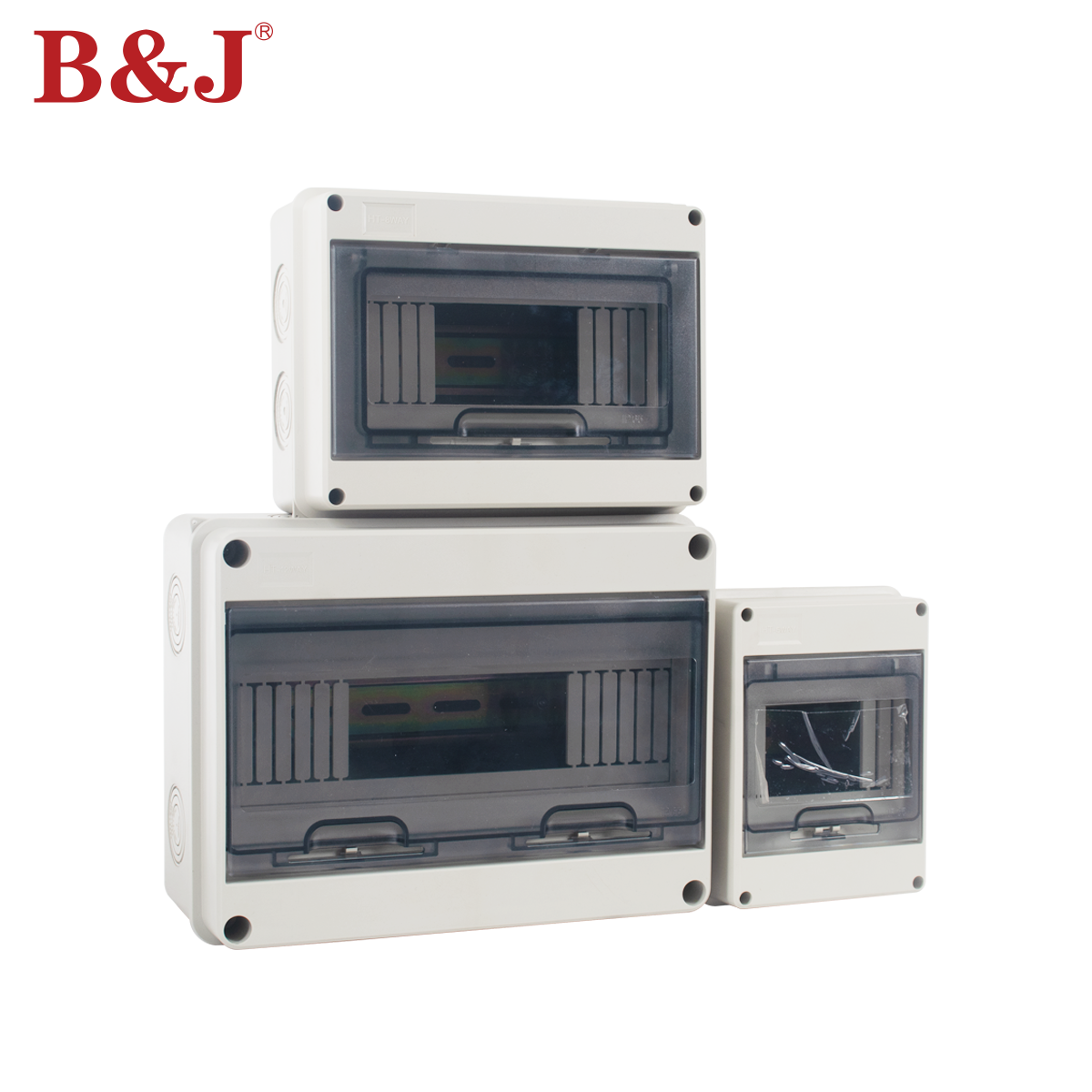
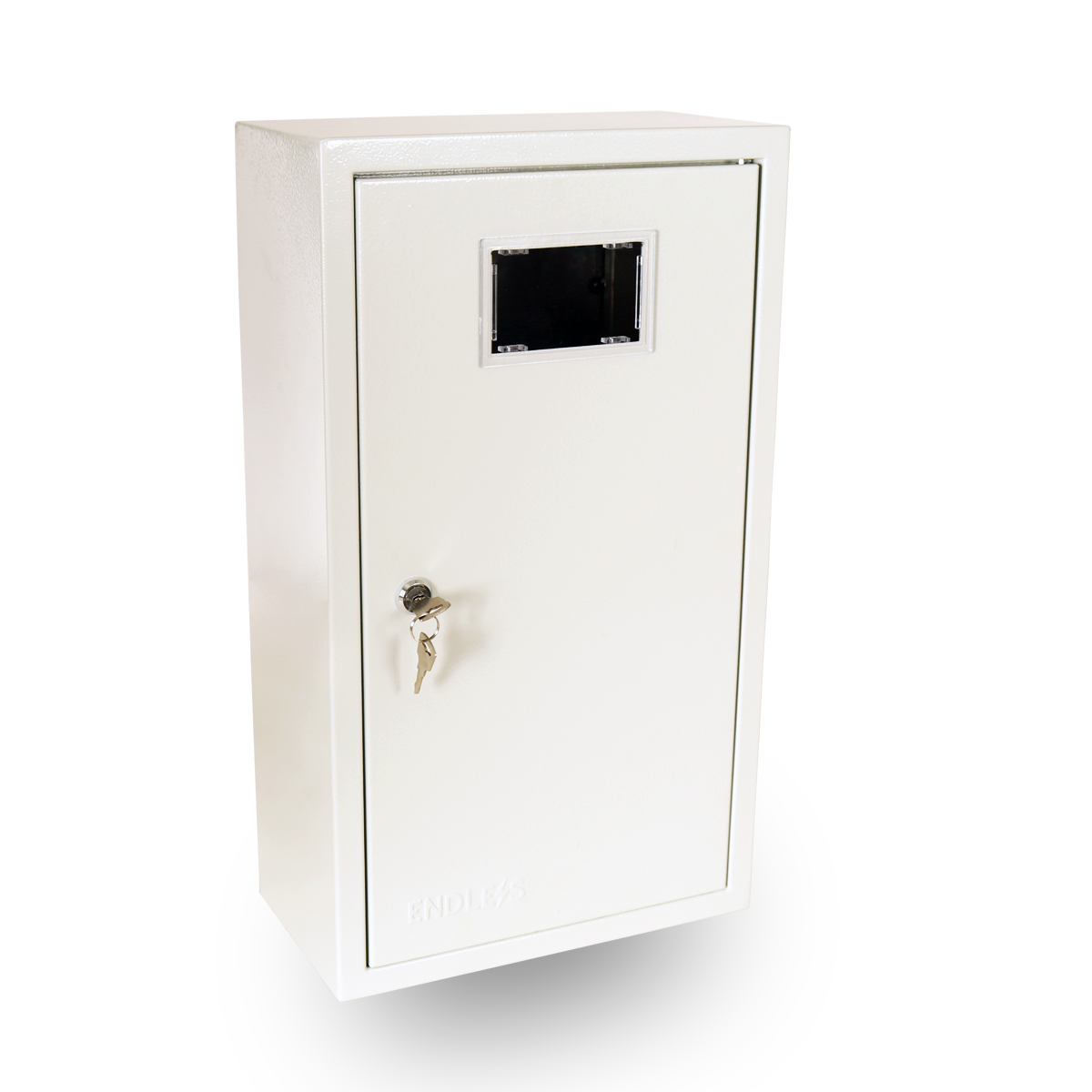
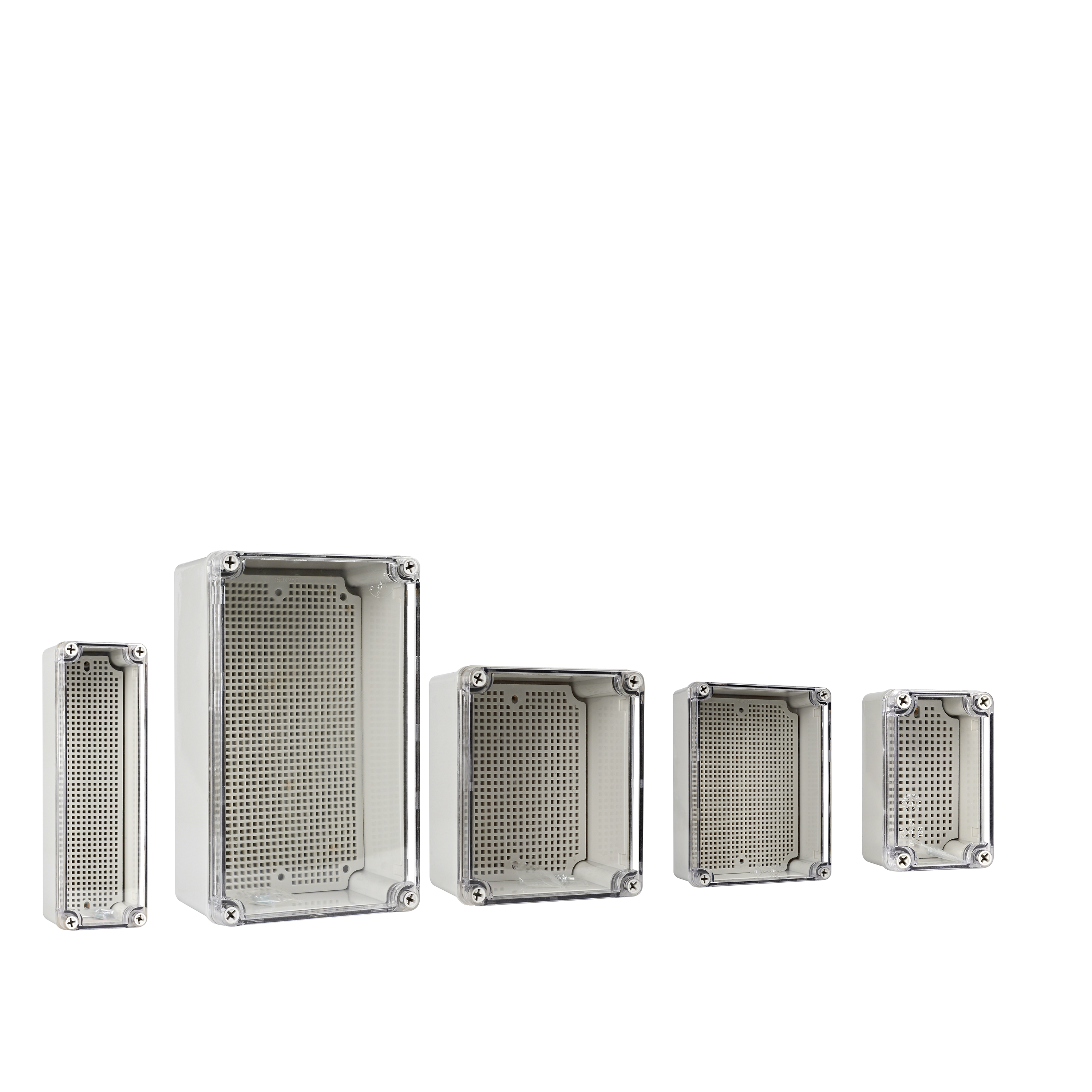
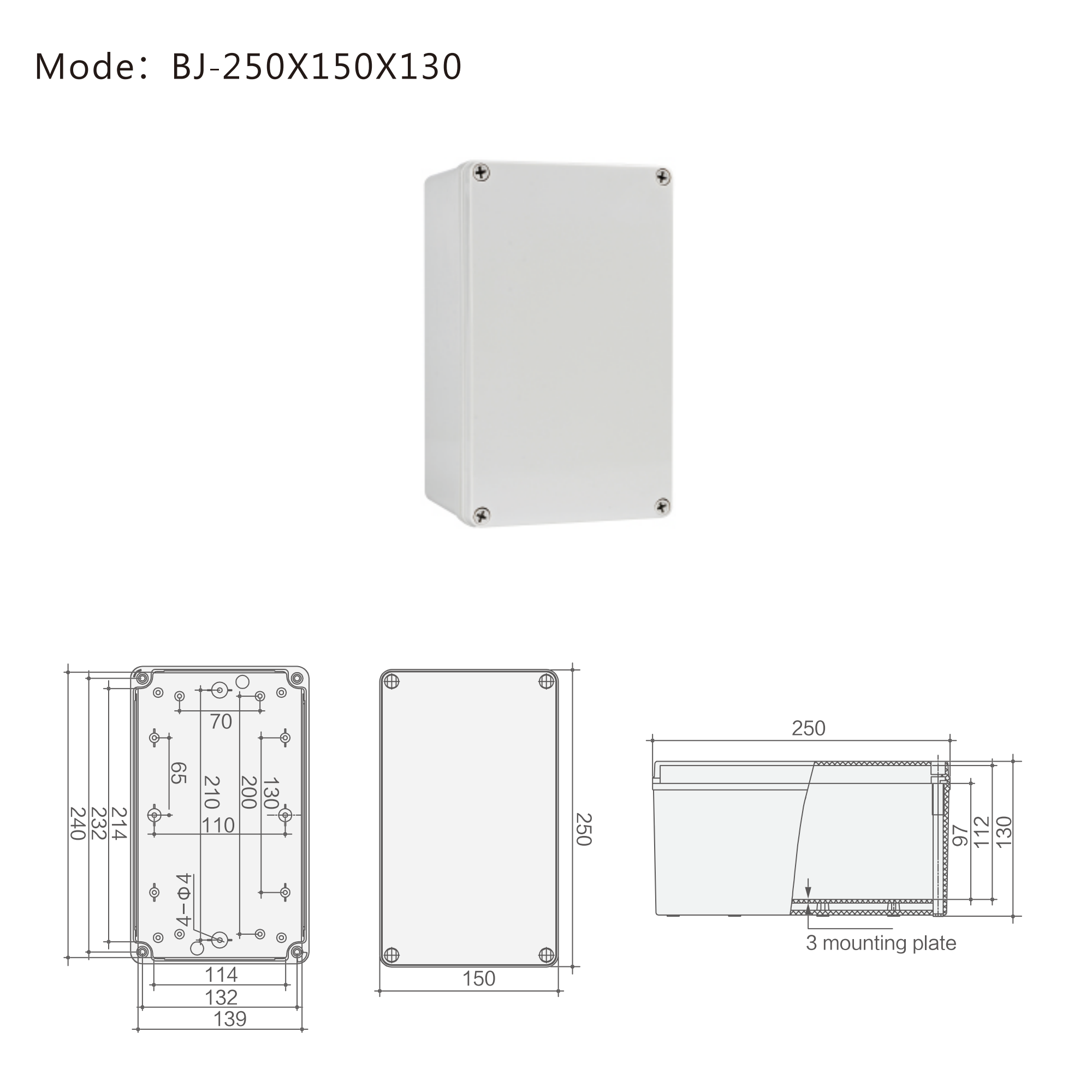
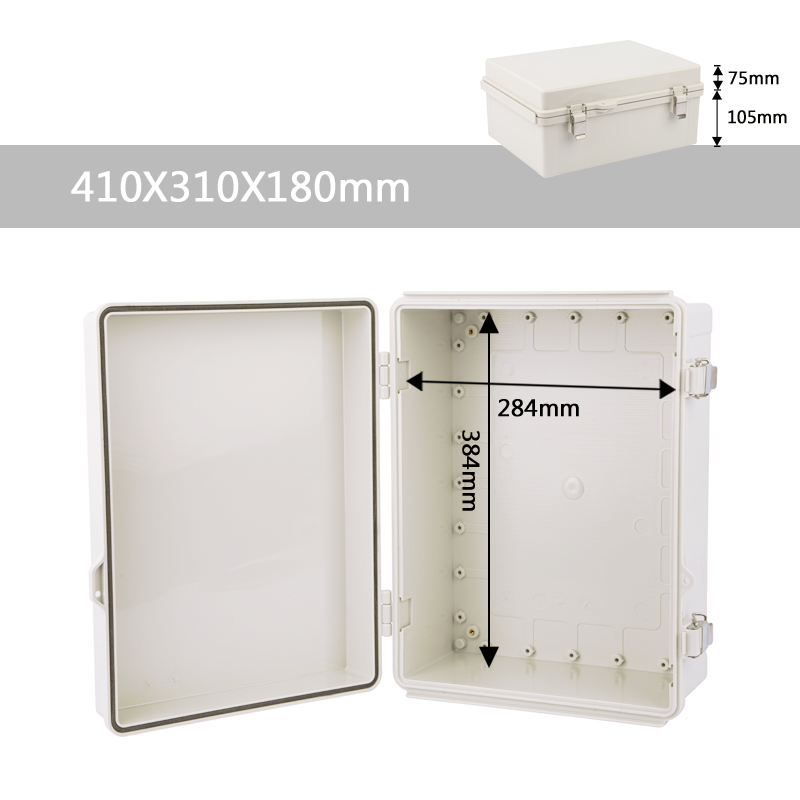
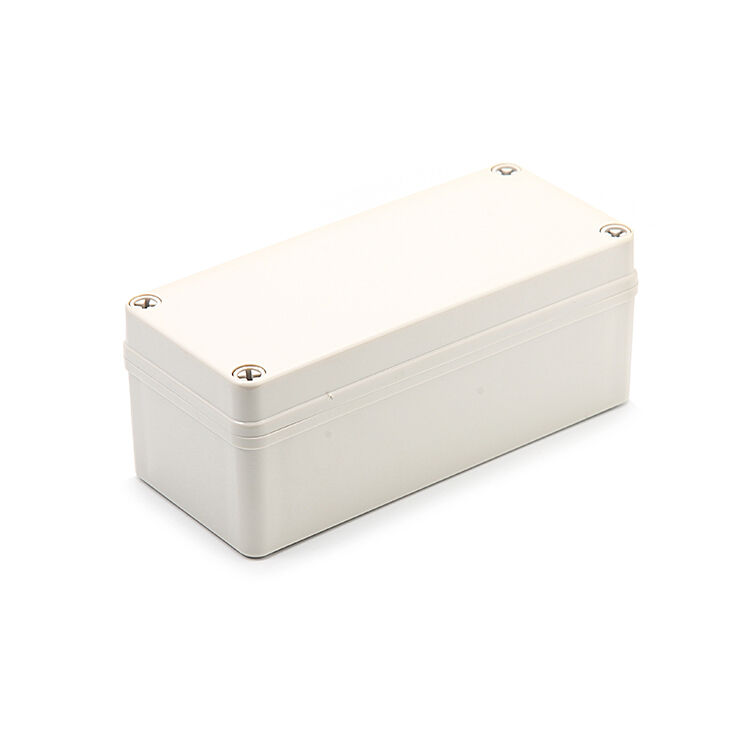
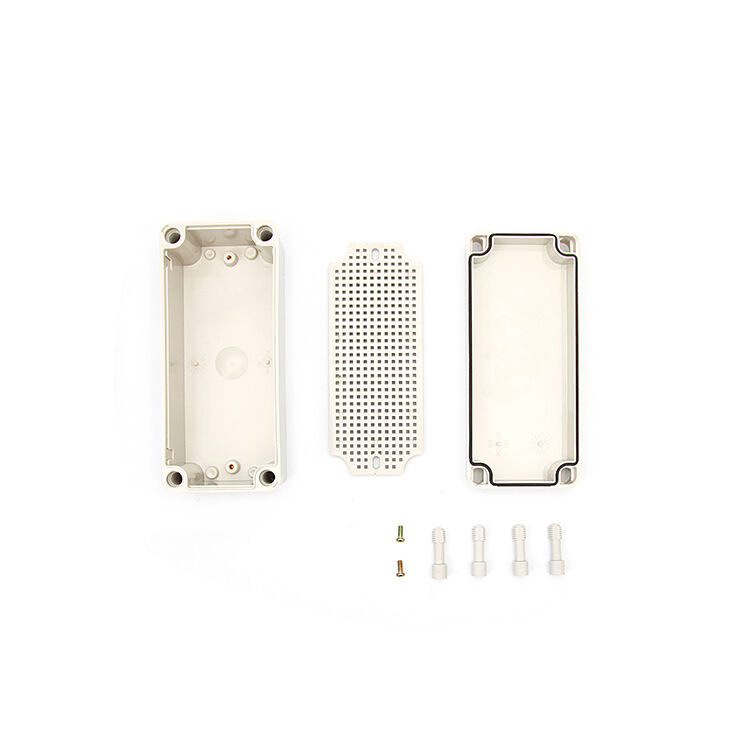
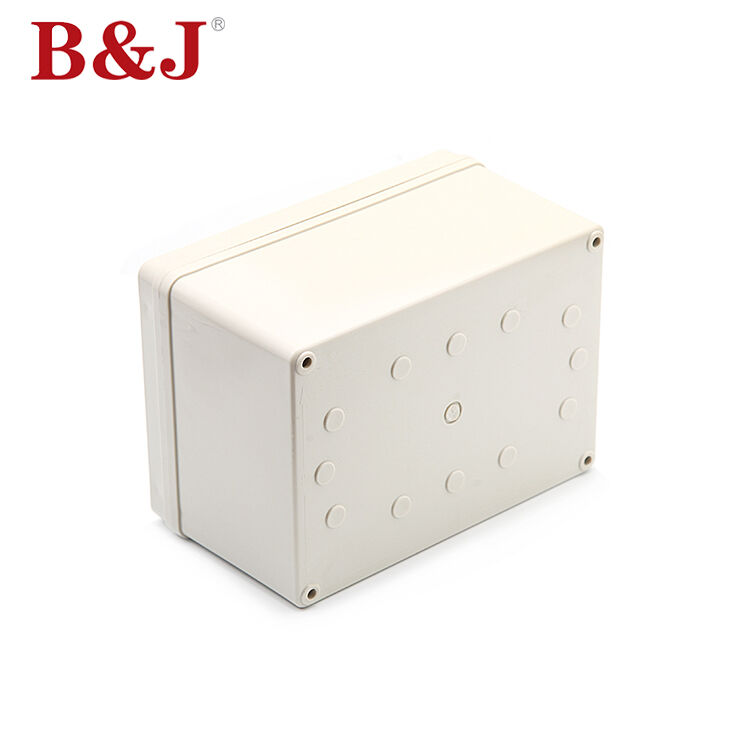
The junction box plug represents a crucial electrical component designed to facilitate secure connections in various electrical systems and installations. This specialized device serves as a central connection point where multiple electrical circuits converge, providing a safe and organized method for managing electrical connections. The junction box plug functions as both a protective housing and connection interface, ensuring that electrical joints remain secure from environmental factors while maintaining accessibility for maintenance and inspection purposes. Modern junction box plugs incorporate advanced materials and engineering principles to deliver reliable performance across diverse applications. The primary function of a junction box plug involves creating weatherproof and tamper-resistant electrical connections that can withstand harsh environmental conditions. These components feature robust construction using high-grade materials such as reinforced plastics, aluminum alloys, or stainless steel, depending on the specific application requirements. The technological features of junction box plugs include precision-engineered contact points that ensure optimal electrical conductivity while minimizing resistance and heat generation. Many contemporary models incorporate self-sealing mechanisms, corrosion-resistant coatings, and flame-retardant properties to enhance safety and longevity. The junction box plug design typically includes multiple entry points for cables, allowing for versatile configuration options to accommodate various wiring schemes. Advanced models feature modular designs that enable easy expansion and modification of electrical systems without requiring complete reinstallation. Applications for junction box plugs span across residential, commercial, and industrial sectors, including outdoor lighting systems, solar panel installations, marine electrical systems, and telecommunications infrastructure. These versatile components prove essential in renewable energy applications, particularly in solar and wind power installations where reliable connections must withstand extreme weather conditions while maintaining optimal electrical performance throughout extended operational periods.
 EN
EN