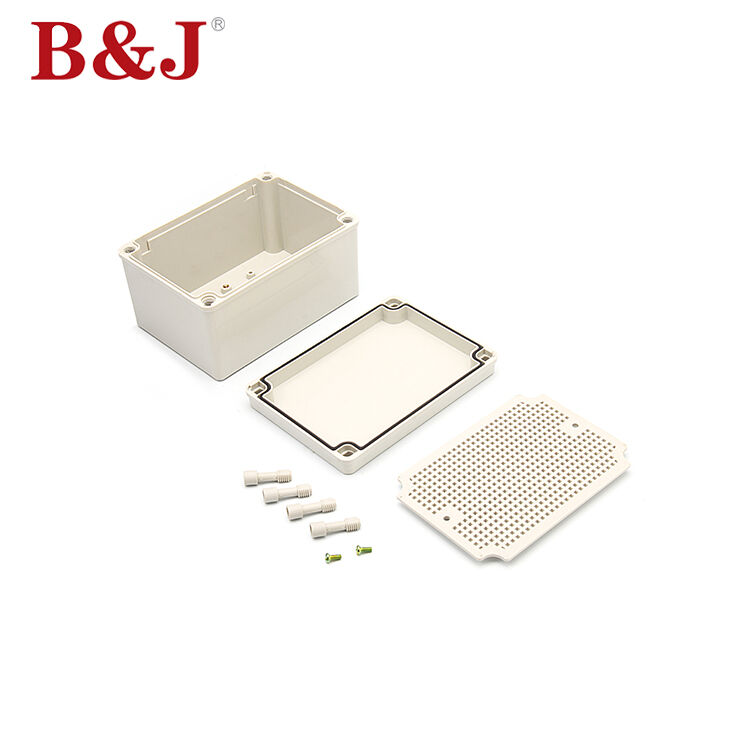
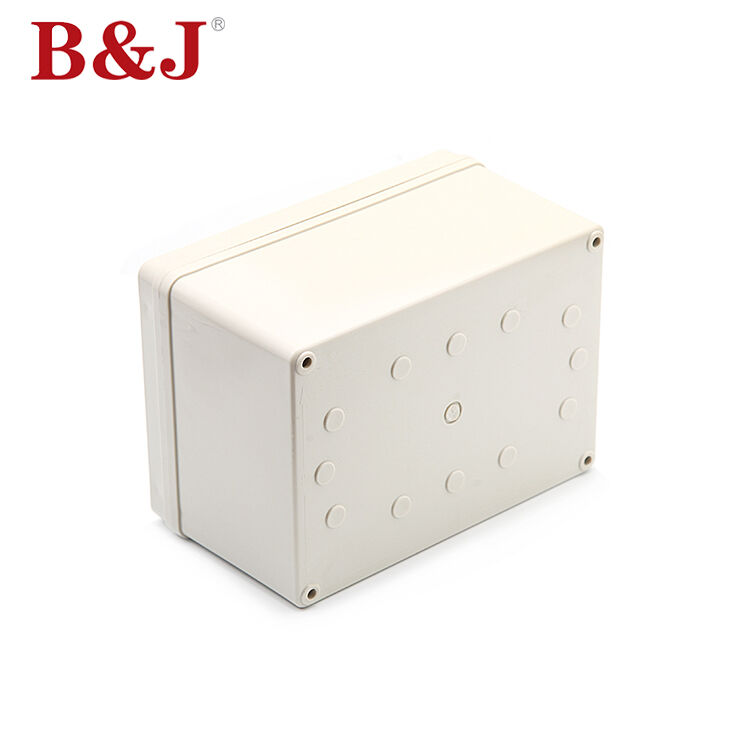
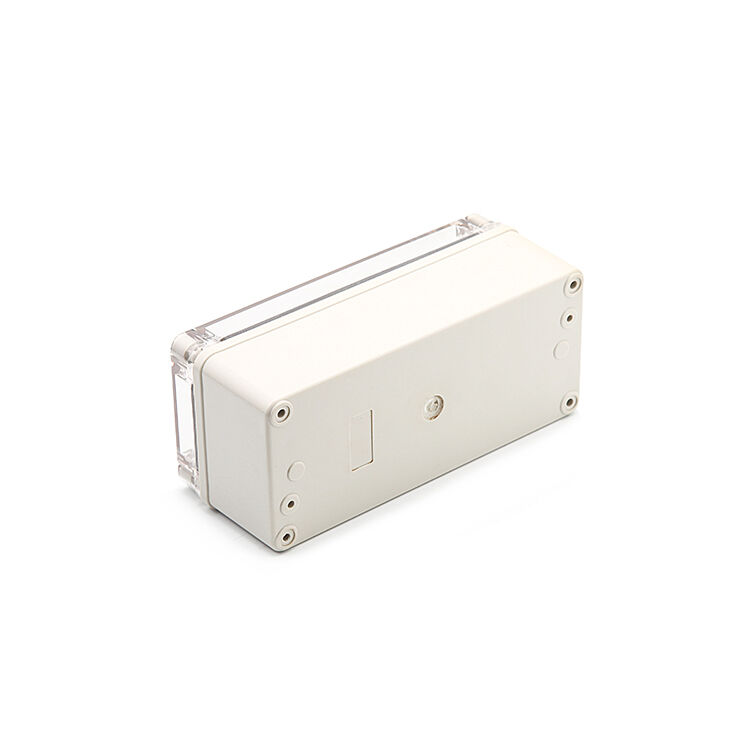
instrumentation junction box
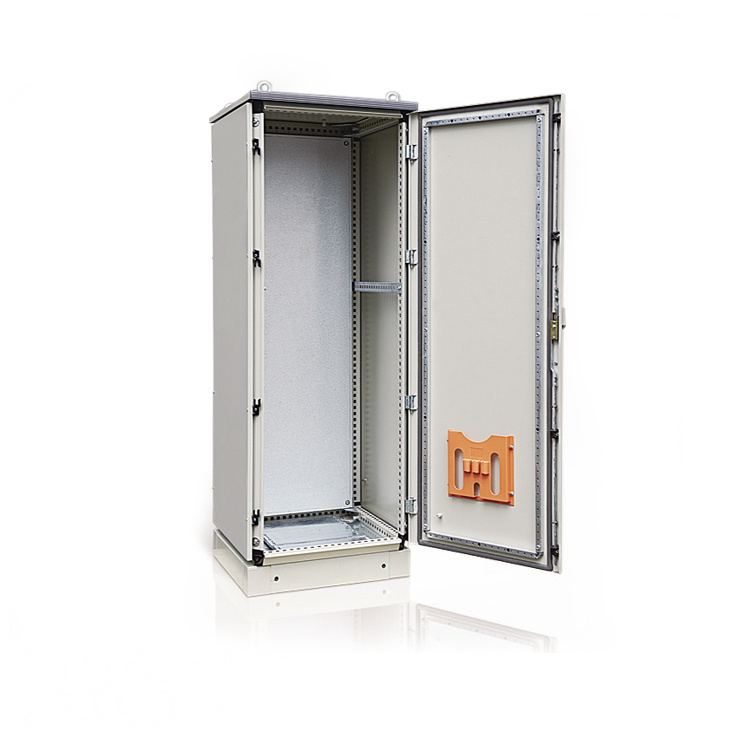
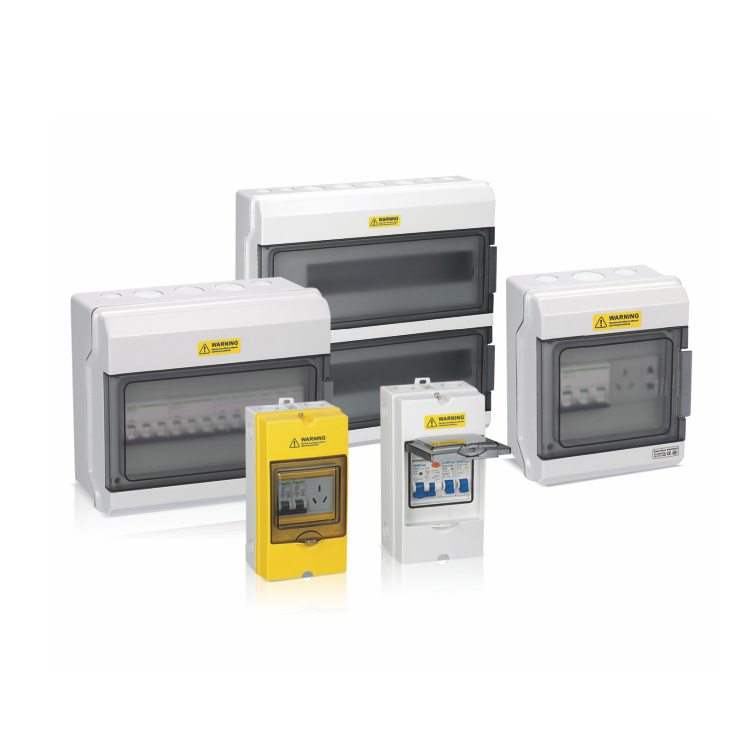
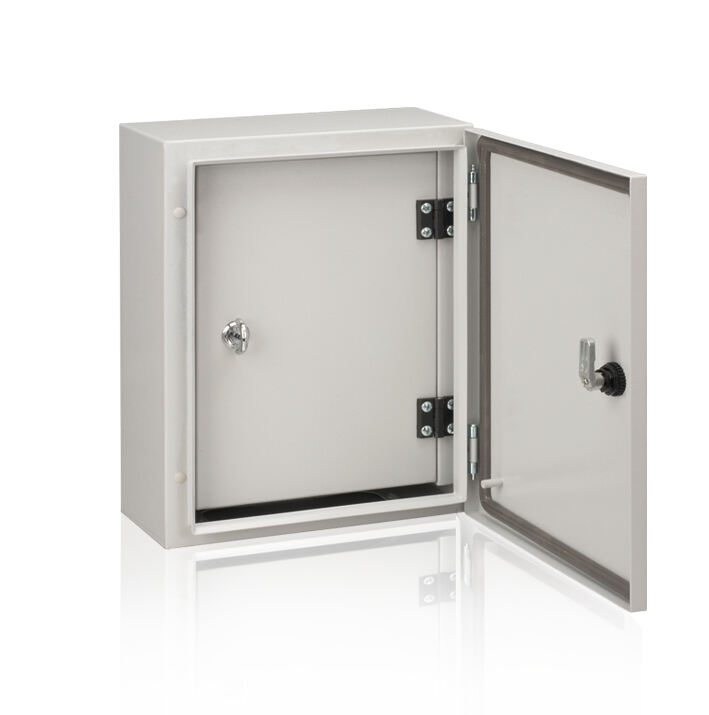
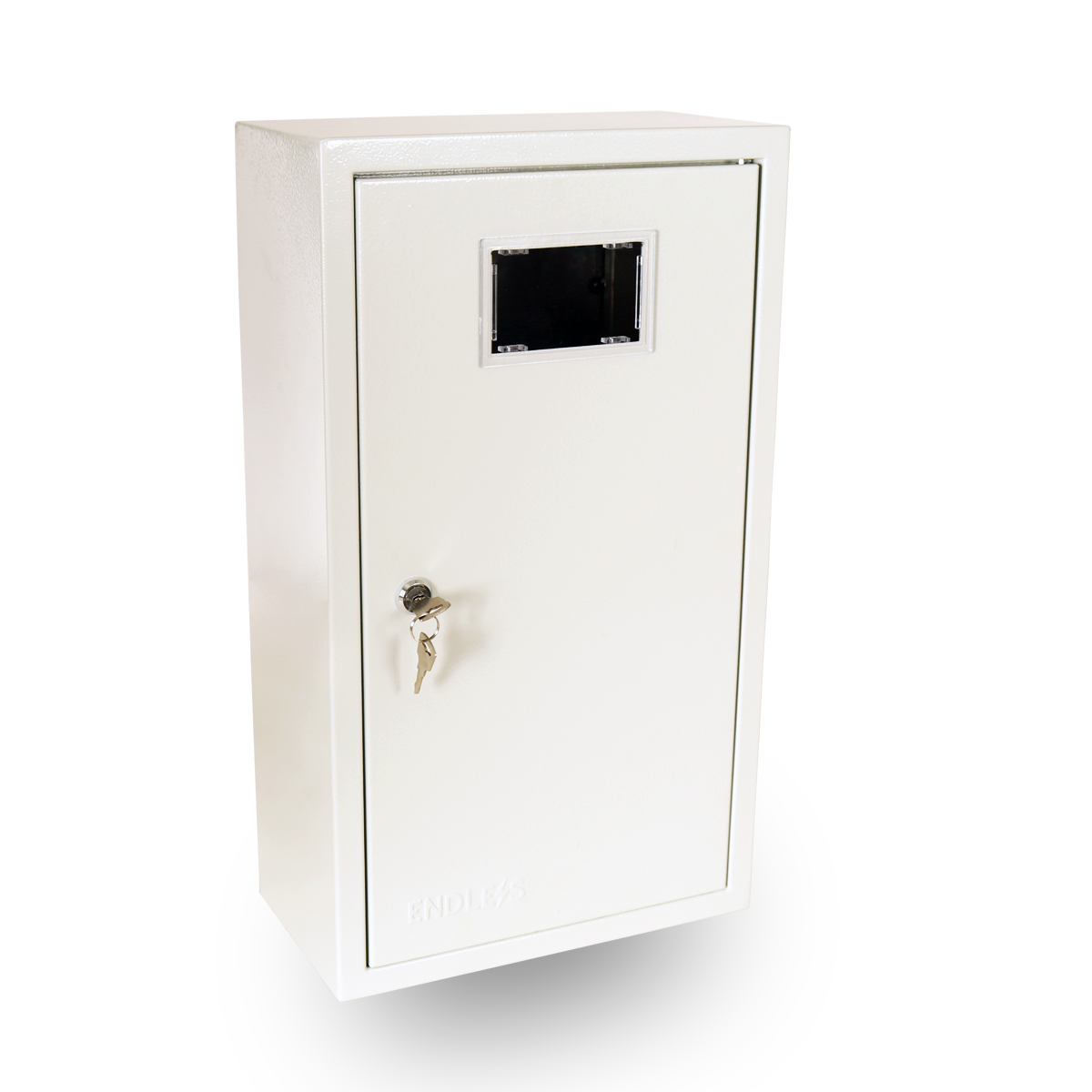
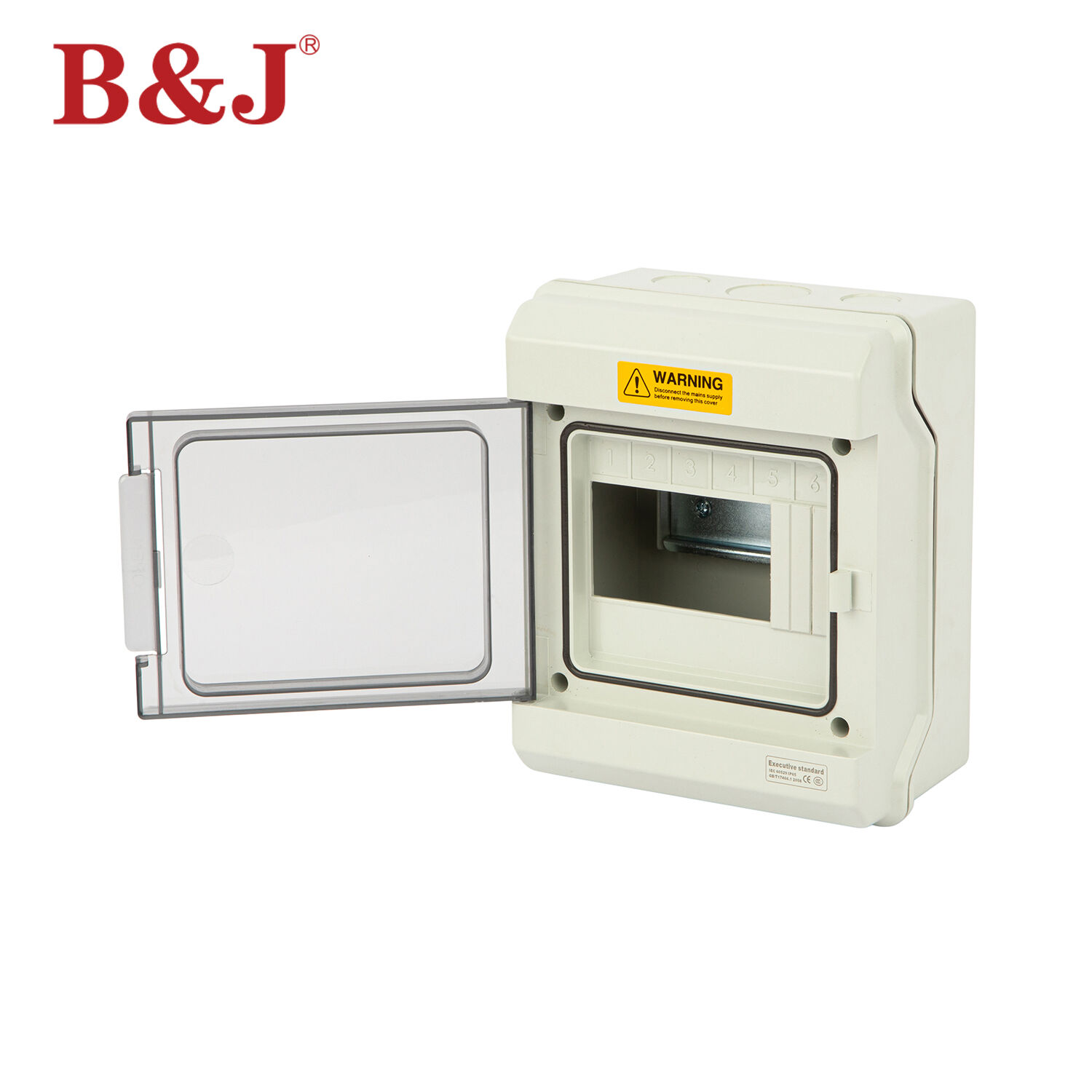
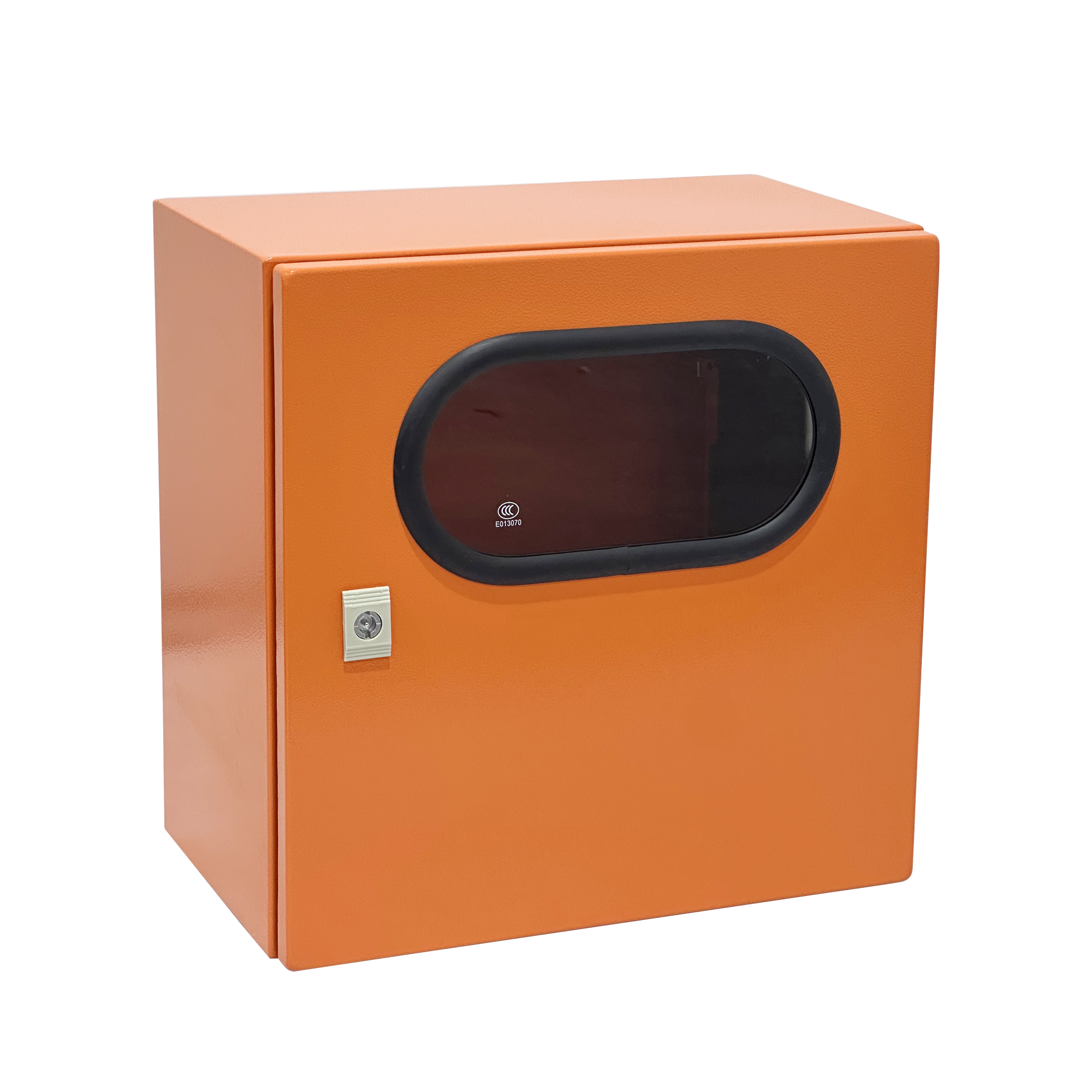
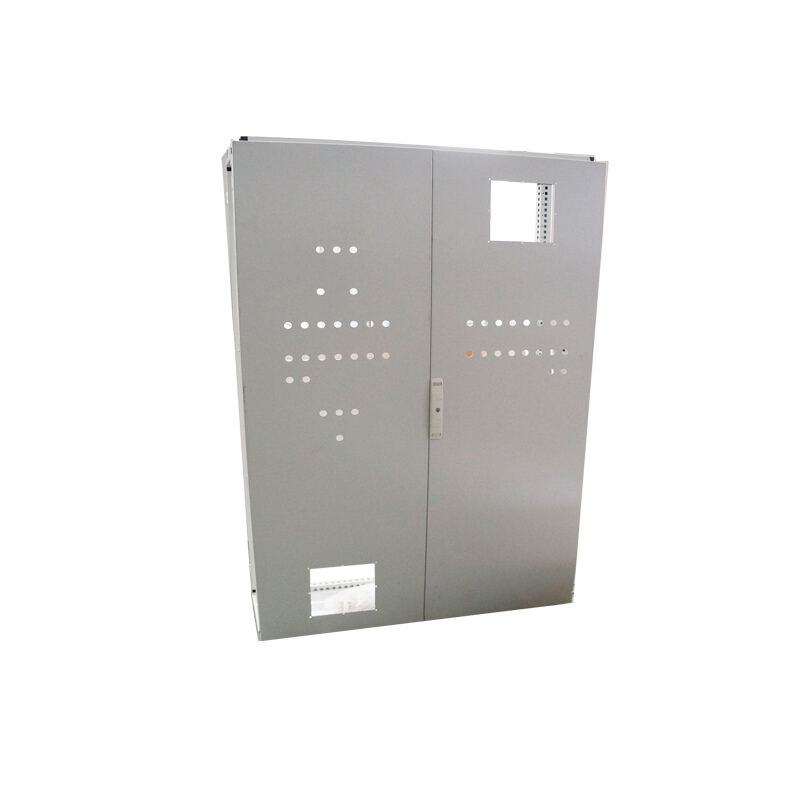
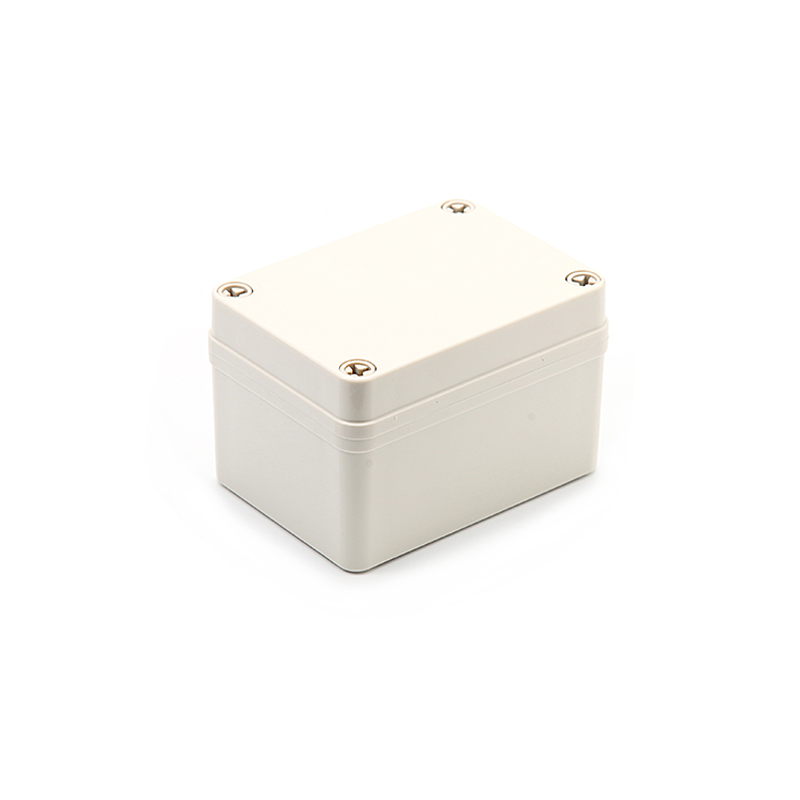
An instrumentation junction box serves as a critical component in industrial automation and control systems, functioning as a centralized hub for electrical connections and signal distribution. This essential device provides a secure enclosure that houses terminal blocks, connectors, and wiring interfaces, enabling seamless integration between field instruments and control systems. The instrumentation junction box acts as an intermediary point where multiple sensor cables, transmitter wires, and communication lines converge, creating an organized and accessible connection point for maintenance and troubleshooting activities. Modern instrumentation junction boxes incorporate advanced materials and engineering designs that ensure reliable performance in harsh industrial environments. These enclosures feature robust construction with weatherproof seals, corrosion-resistant coatings, and temperature-stable components that maintain signal integrity across wide operating ranges. The internal architecture of an instrumentation junction box includes precisely arranged terminal strips, cable entry points with strain relief mechanisms, and clearly labeled connection points that facilitate efficient installation procedures. Signal conditioning capabilities represent another technological advancement found in sophisticated instrumentation junction box models, where built-in amplifiers, isolators, and converters enhance signal quality before transmission to control rooms. The modular design philosophy allows for customizable configurations that accommodate varying project requirements, from simple point-to-point connections to complex multi-channel signal routing applications. Safety features integrated into instrumentation junction box designs include intrinsic safety barriers for hazardous area installations, surge protection devices, and fault indication systems that provide immediate alerts for connection issues. These protective mechanisms ensure personnel safety while maintaining system reliability in critical industrial processes. The compact footprint and standardized mounting options make instrumentation junction box installations straightforward, whether mounted on walls, panels, or equipment structures, contributing to overall system efficiency and reducing installation costs.
 EN
EN