stainless steel wall enclosure
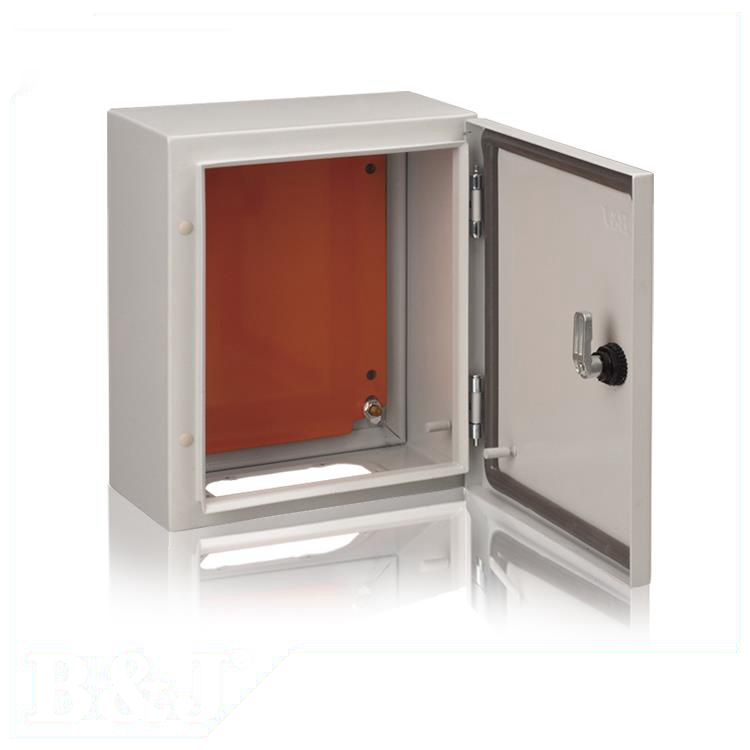
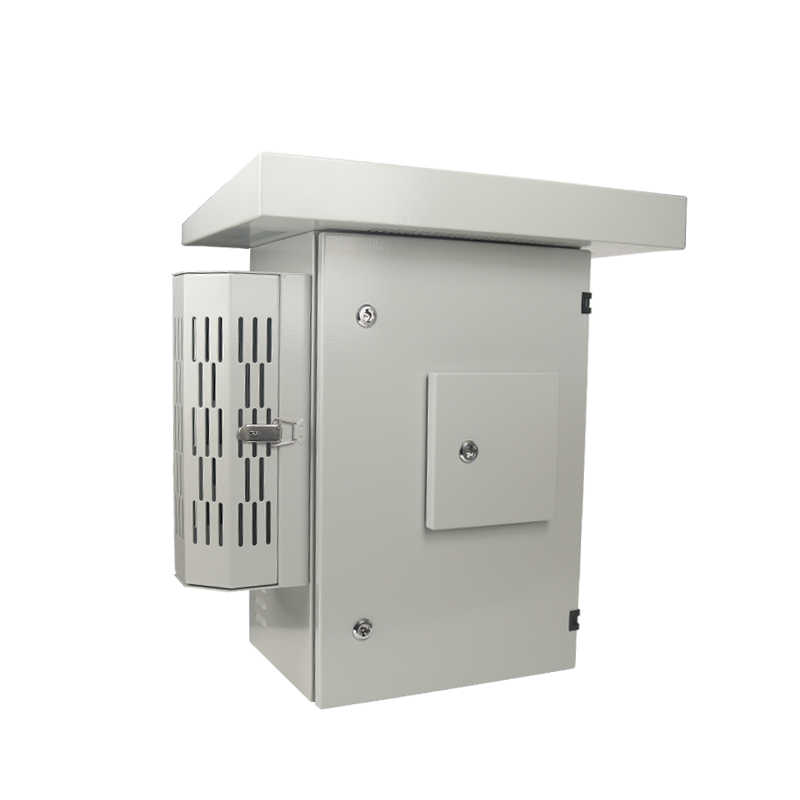
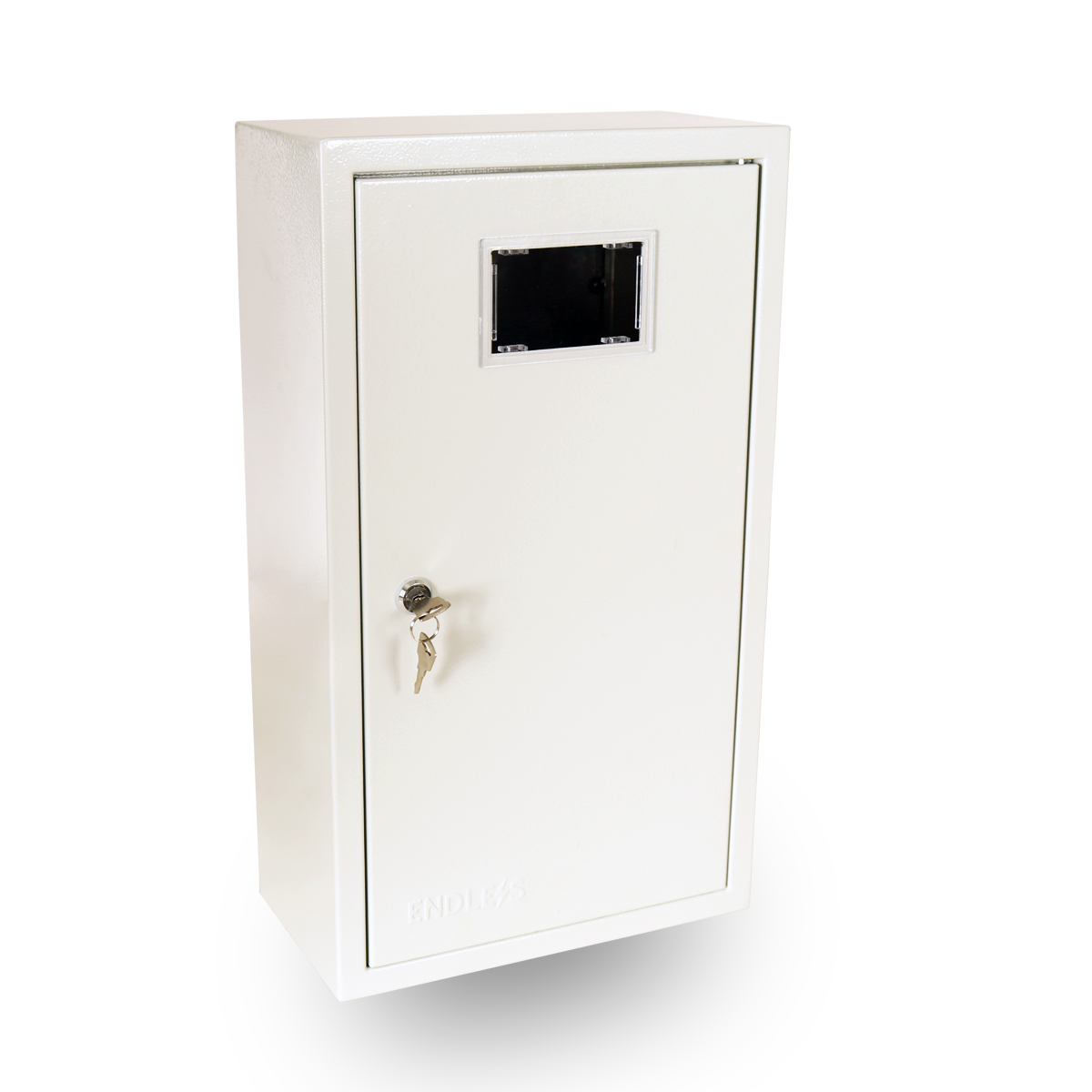
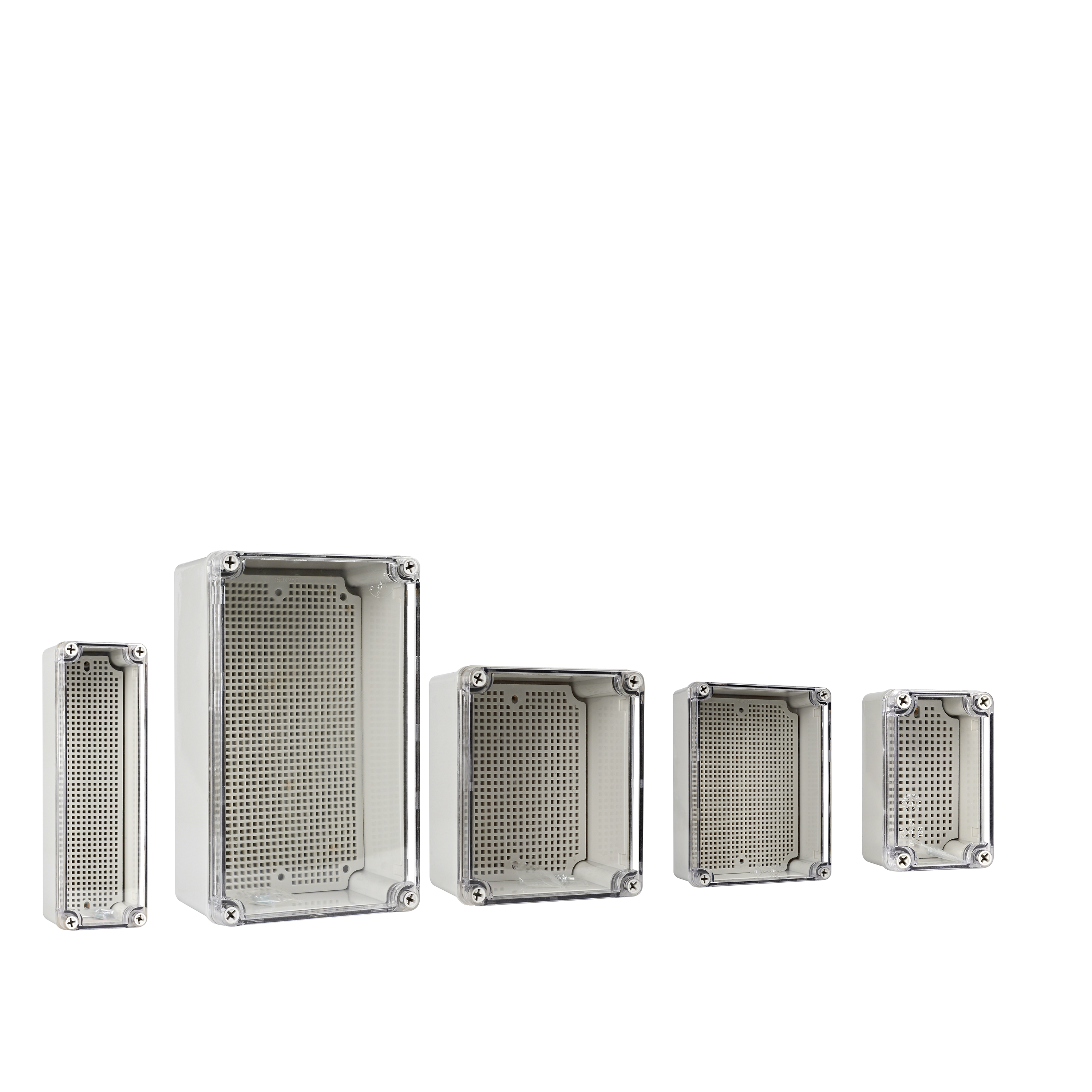
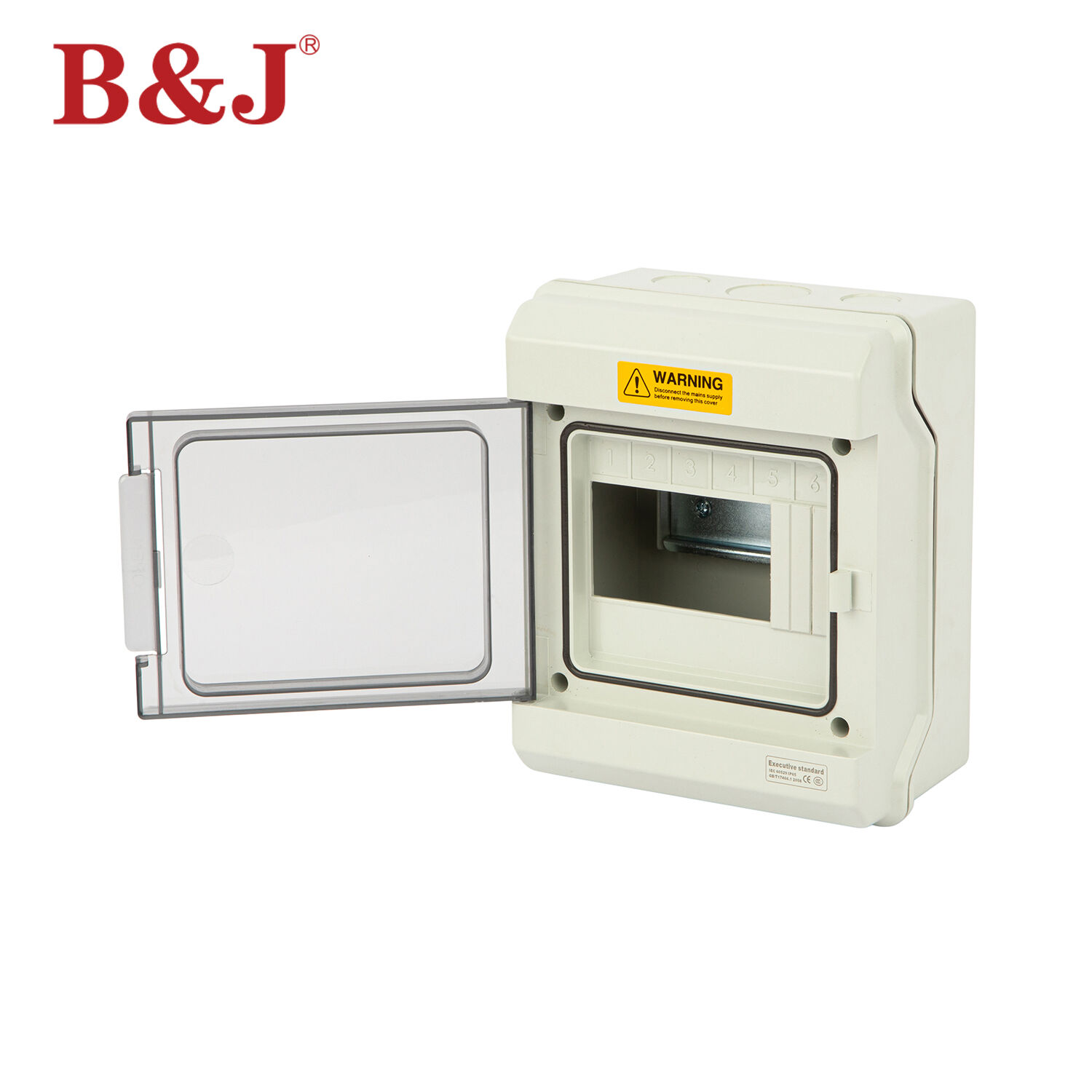
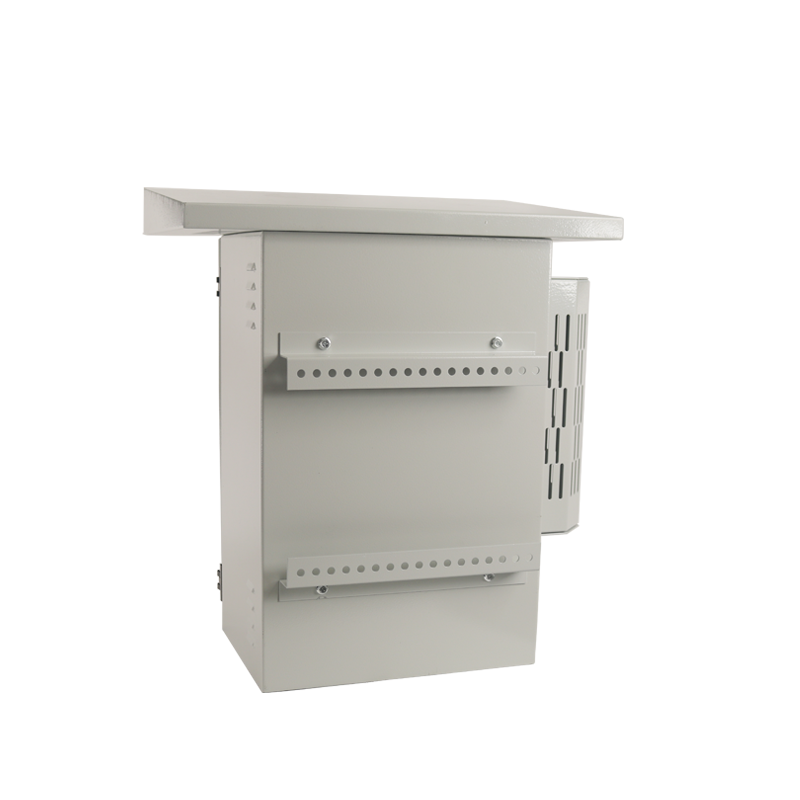
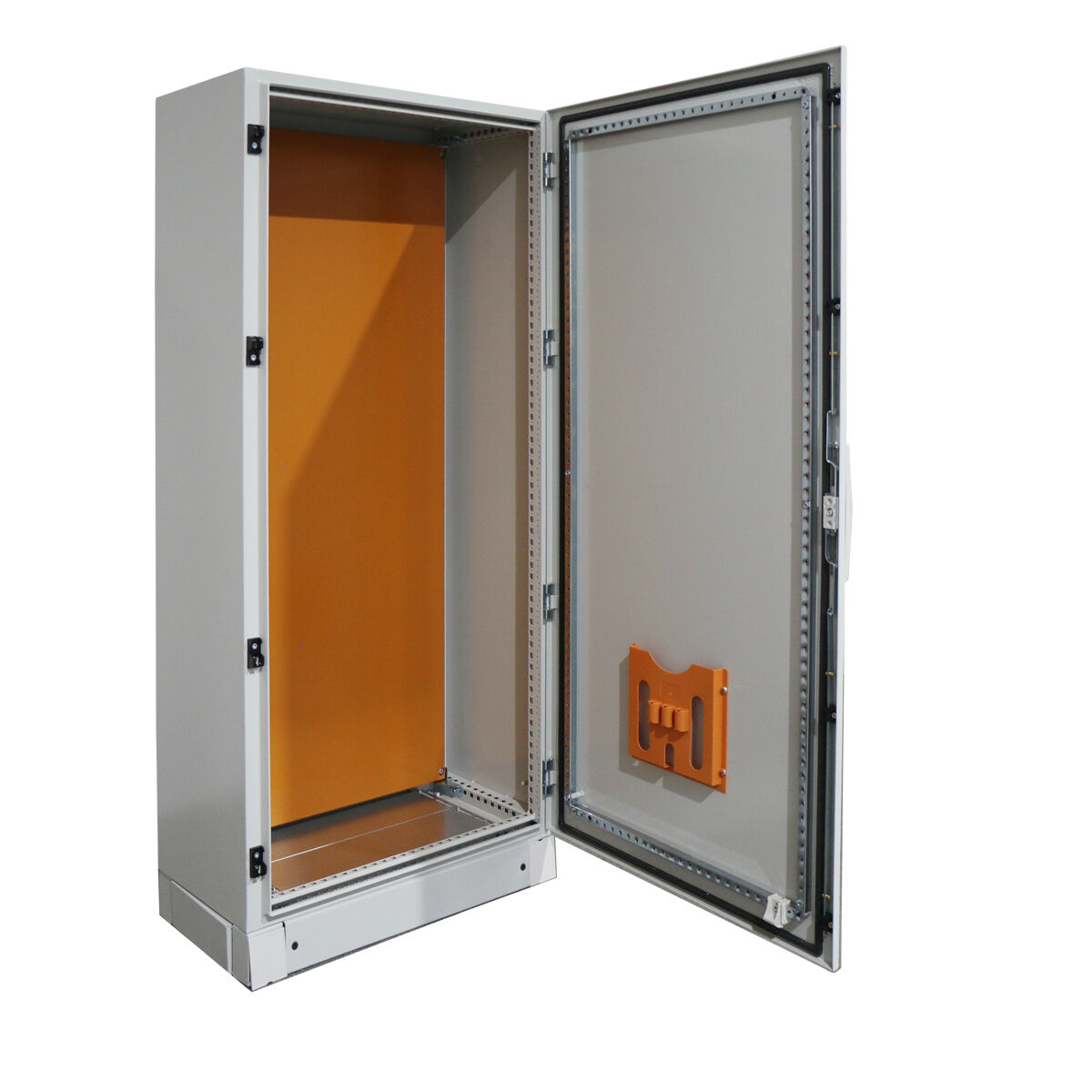
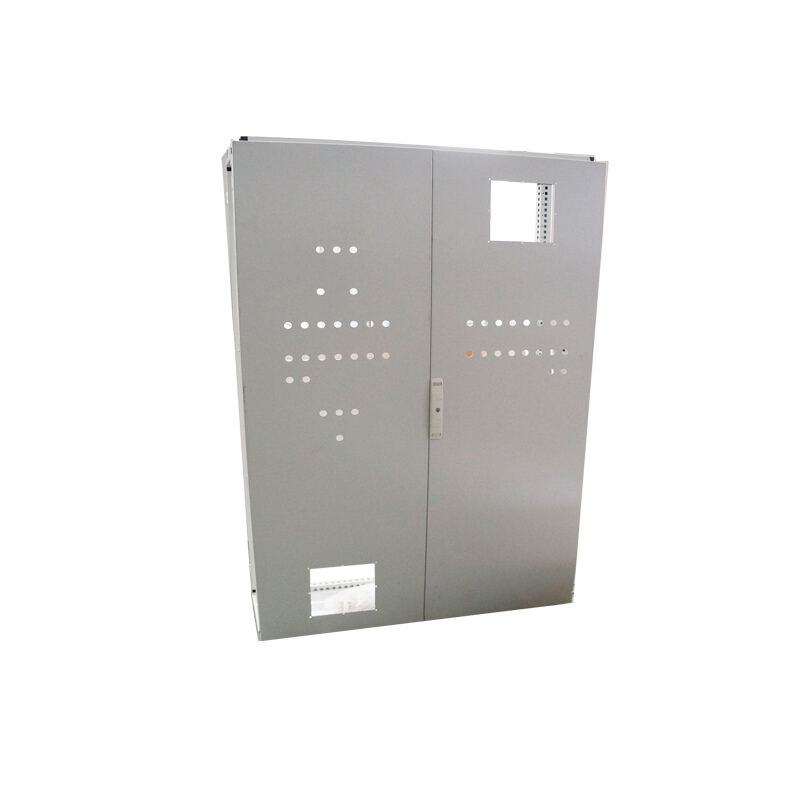
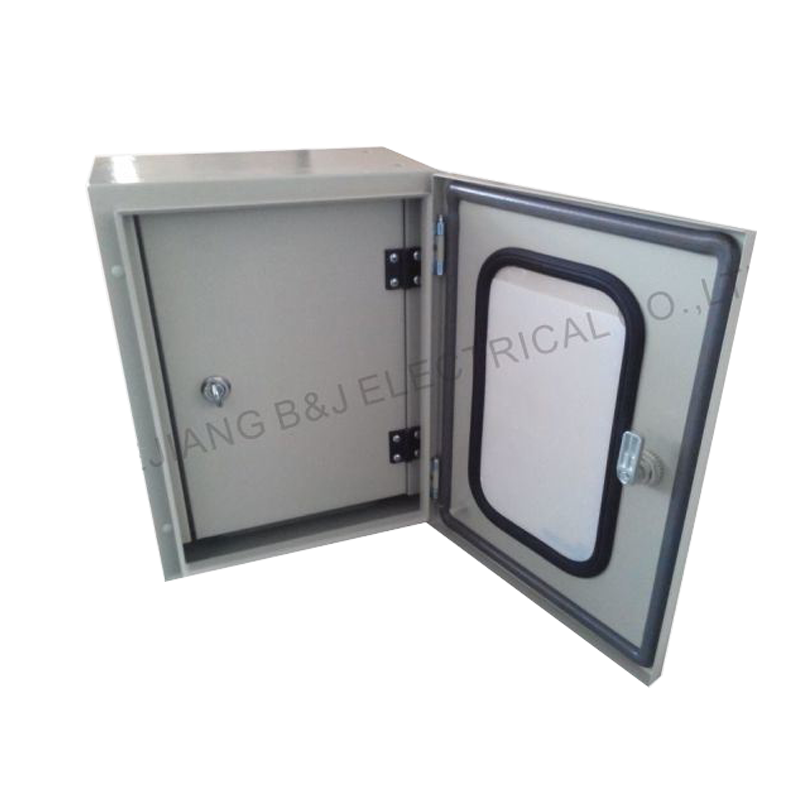
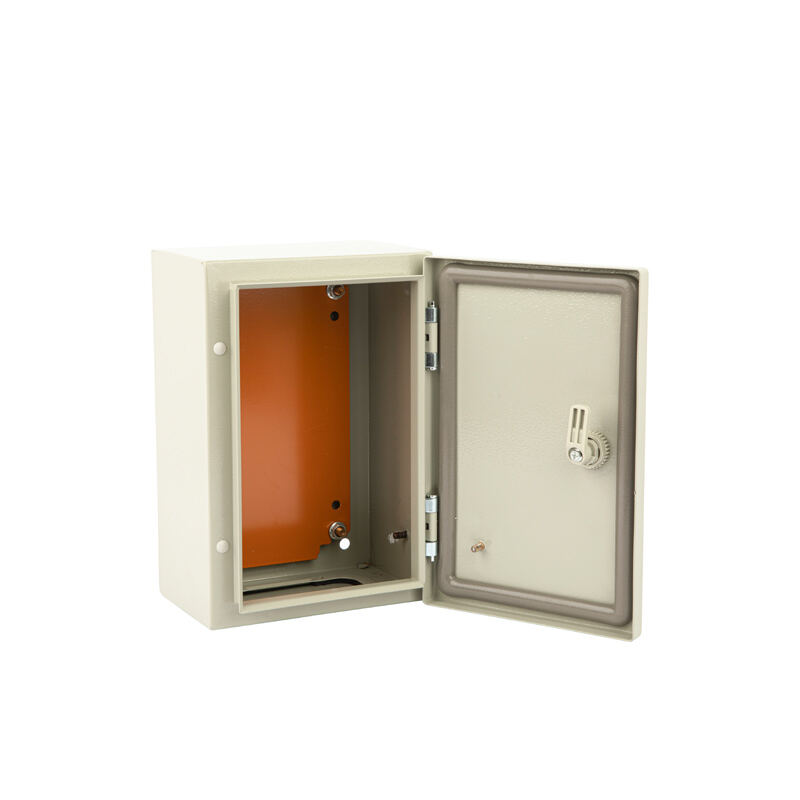
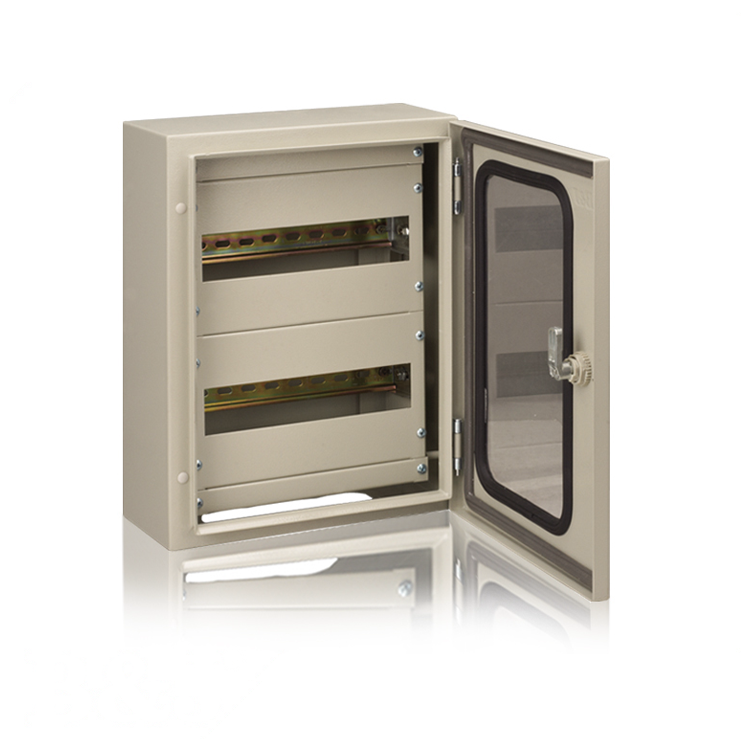
A stainless steel wall enclosure represents a critical infrastructure component designed to protect sensitive electrical, telecommunications, and industrial equipment from environmental hazards while maintaining optimal operational conditions. These robust protective housings are engineered from high-grade stainless steel alloys, typically 304 or 316 series, which deliver exceptional resistance to corrosion, moisture infiltration, and extreme temperature fluctuations. The primary functions of a stainless steel wall enclosure encompass equipment protection, environmental isolation, security enhancement, and accessibility facilitation for maintenance operations. Modern stainless steel wall enclosure units incorporate sophisticated sealing mechanisms, including gasket systems and weatherproof designs that achieve IP65 or IP66 ingress protection ratings, ensuring complete defense against dust particles and water penetration. Technological features integrated into contemporary stainless steel wall enclosure designs include advanced ventilation systems, cable management solutions, mounting hardware compatibility, and modular expansion capabilities. These enclosures accommodate various equipment configurations, from simple control panels to complex server installations, making them versatile solutions for diverse industrial applications. Manufacturing processes involve precision welding techniques, surface finishing treatments, and quality control measures that guarantee structural integrity and longevity. Applications span across telecommunications infrastructure, power distribution systems, industrial automation facilities, outdoor equipment installations, and marine environments where salt air exposure demands superior corrosion resistance. The stainless steel wall enclosure construction methodology emphasizes durability through reinforced corner joints, heavy-duty hinges, and secure locking mechanisms that prevent unauthorized access while facilitating routine maintenance procedures. Installation flexibility allows for surface mounting, semi-flush mounting, or fully recessed configurations to meet specific architectural requirements and space constraints in both indoor and outdoor environments.
 EN
EN