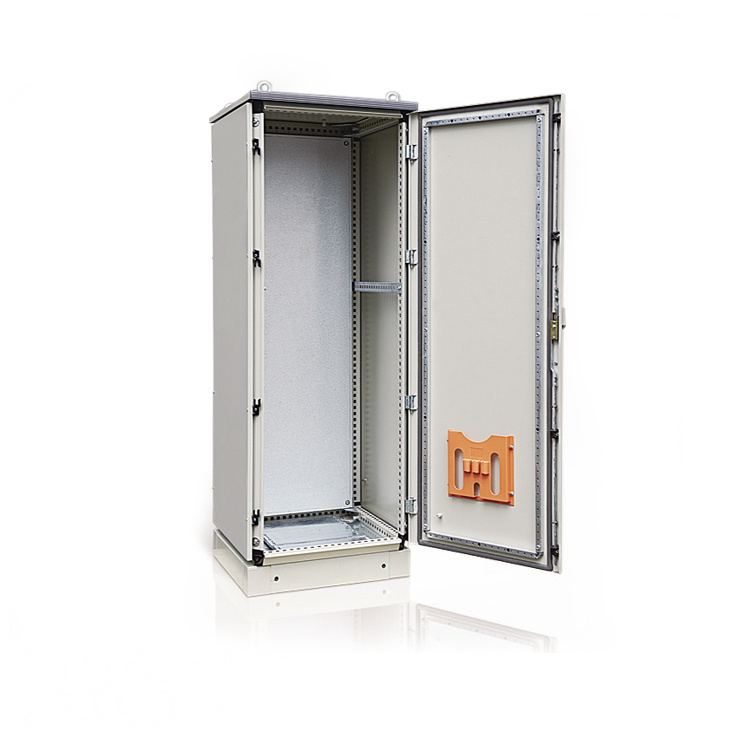
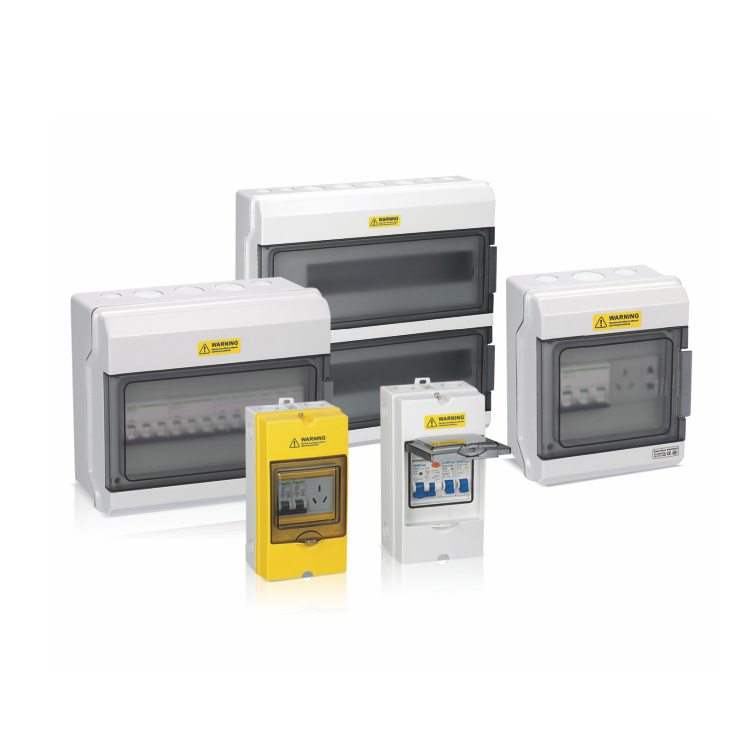
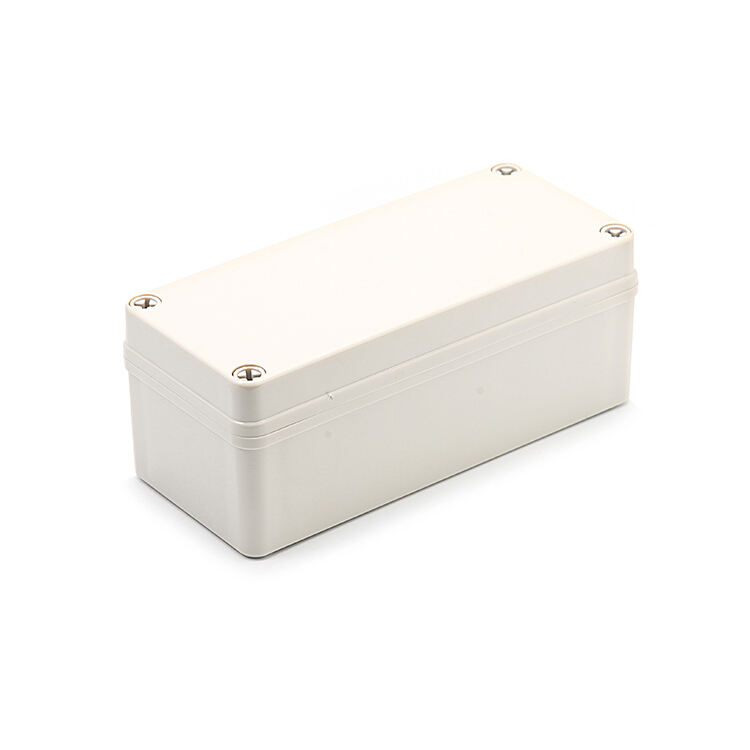
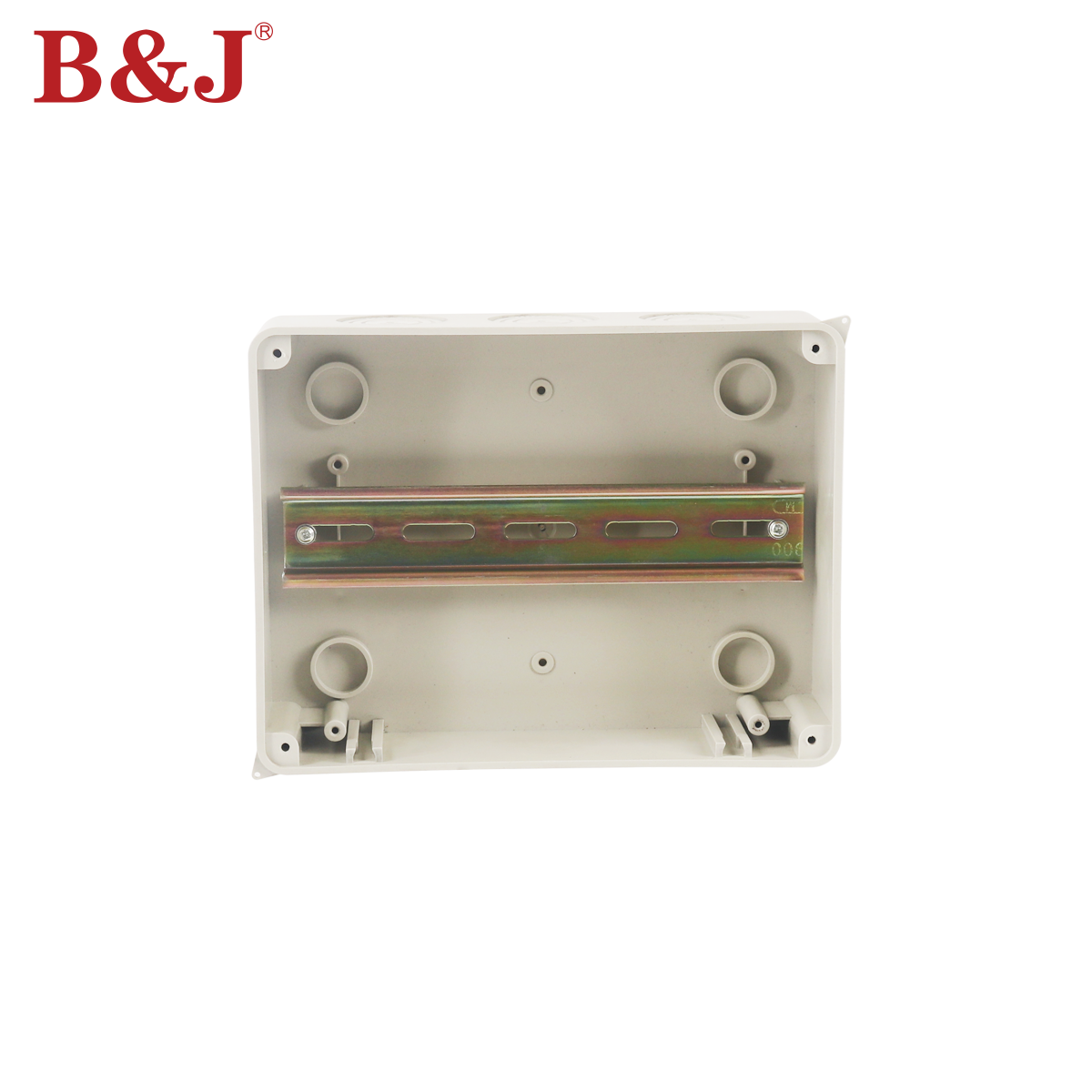
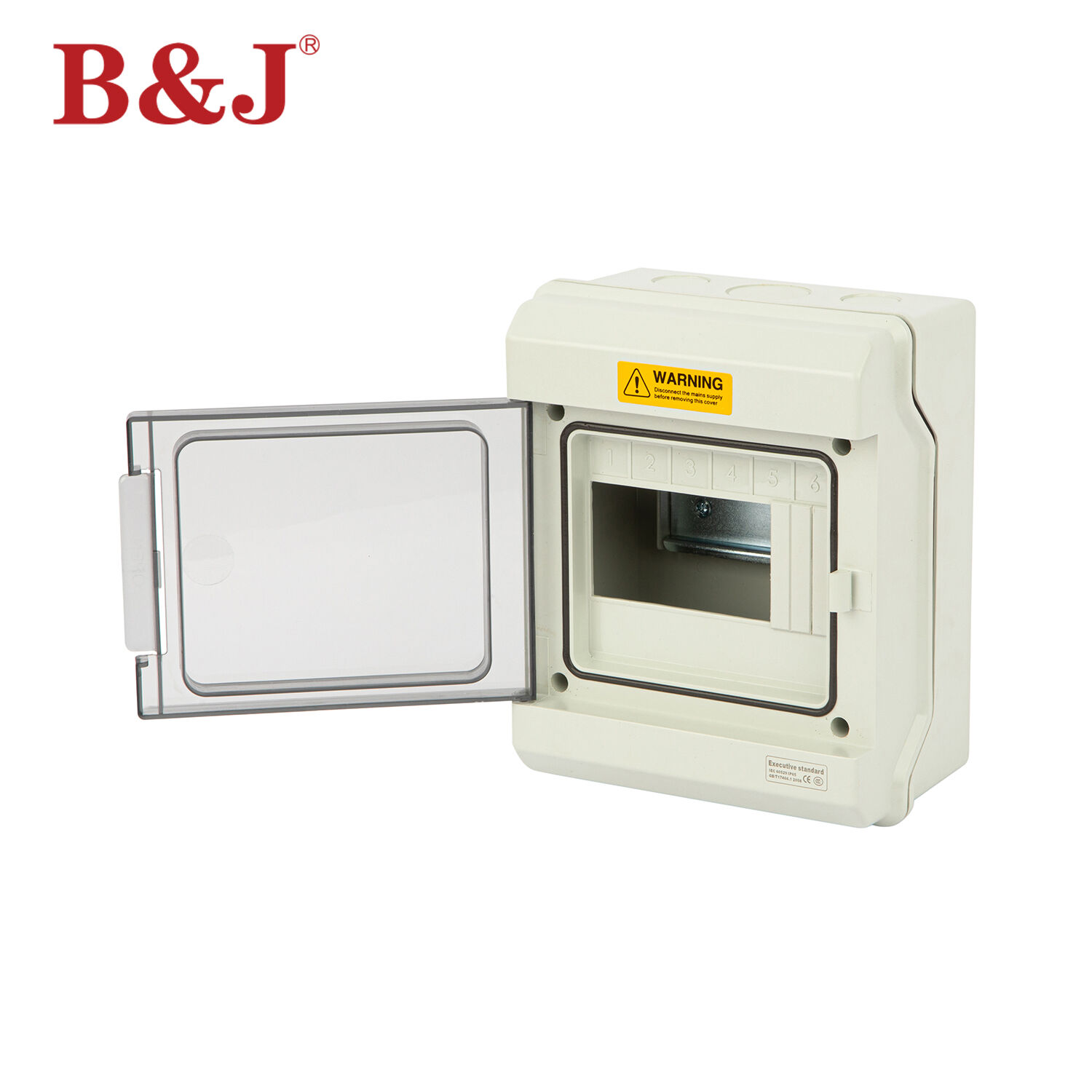
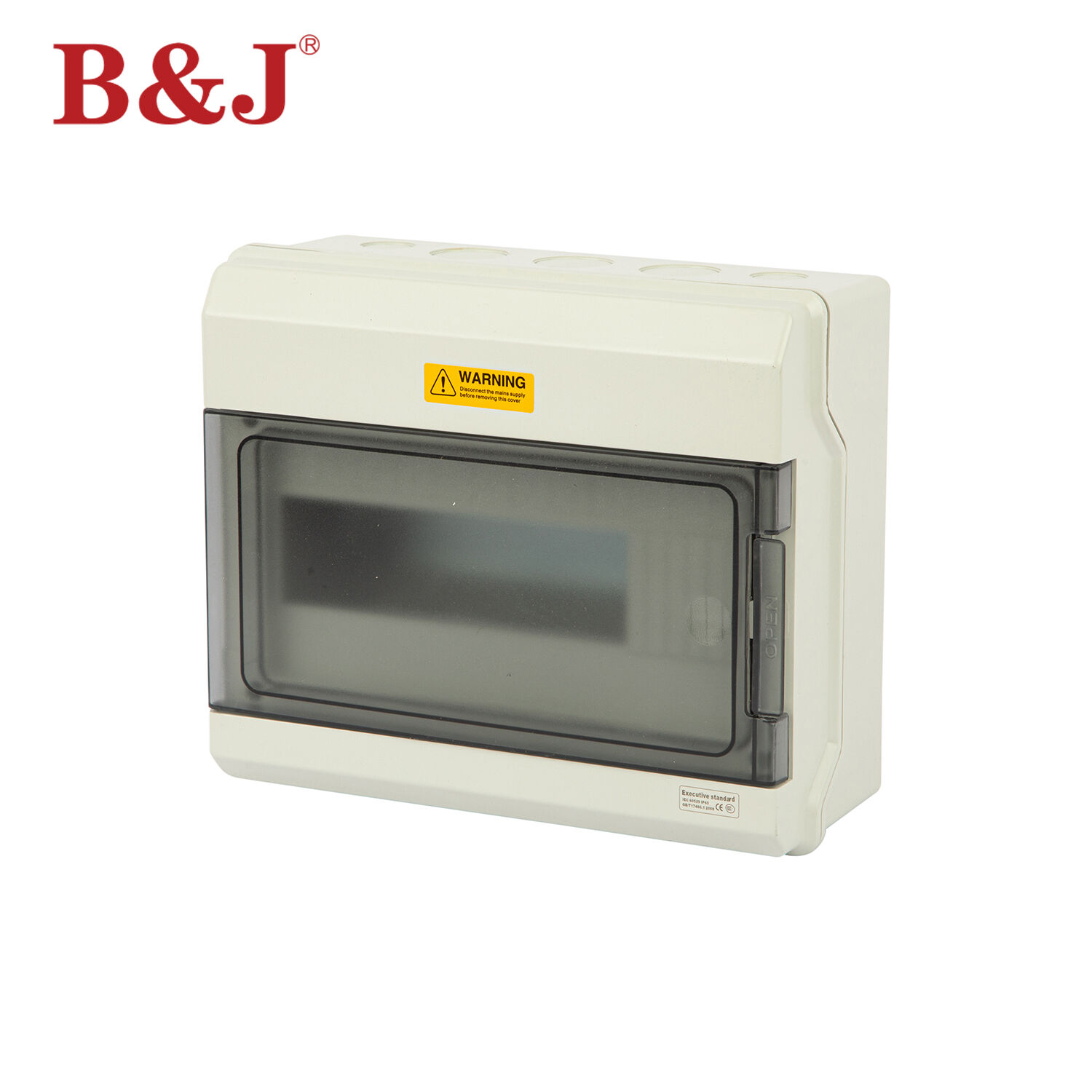
drainage distribution box
A drainage distribution box represents a critical infrastructure component designed to efficiently manage and redirect wastewater flow in residential, commercial, and industrial settings. This essential system serves as a central hub where incoming drainage from multiple sources converges and gets systematically distributed to appropriate discharge points or treatment facilities. The drainage distribution box functions as an intelligent routing mechanism that prevents overflow situations while maintaining optimal flow rates throughout the entire drainage network. Modern drainage distribution boxes incorporate advanced engineering principles to ensure reliable performance under varying load conditions and environmental factors. These systems feature robust construction materials that resist corrosion, chemical damage, and structural degradation over extended operational periods. The primary function of a drainage distribution box involves receiving wastewater from various collection points including sinks, toilets, floor drains, and external drainage systems. Once collected, the system employs gravity-fed or pump-assisted mechanisms to channel the waste toward designated treatment areas or municipal sewer connections. Advanced models integrate smart monitoring capabilities that track flow volumes, detect blockages, and alert maintenance personnel to potential issues before they escalate into costly problems. The technological features of modern drainage distribution boxes include precision-engineered inlet and outlet configurations that optimize hydraulic performance while minimizing turbulence and sediment accumulation. Many units incorporate removable covers for easy inspection and maintenance access, while specialized filtering components help separate solid debris from liquid waste streams. The applications for drainage distribution boxes span across diverse sectors including residential developments, commercial buildings, industrial facilities, and municipal infrastructure projects. These versatile systems adapt to various installation requirements whether underground, above-ground, or integrated within existing plumbing networks. Professional installers value the modular design approach that allows customization based on specific site conditions and capacity requirements.
 EN
EN