enclosure for electrical panel
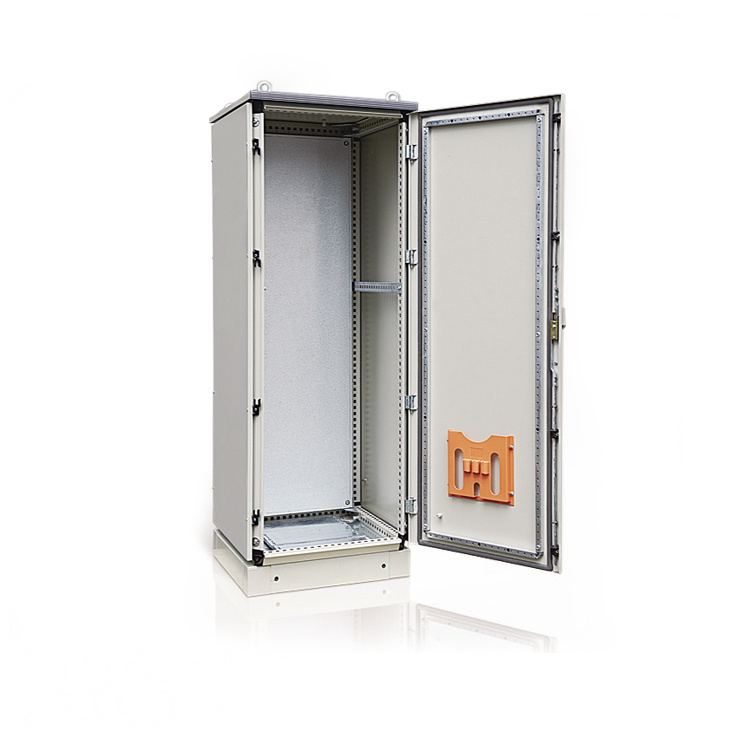
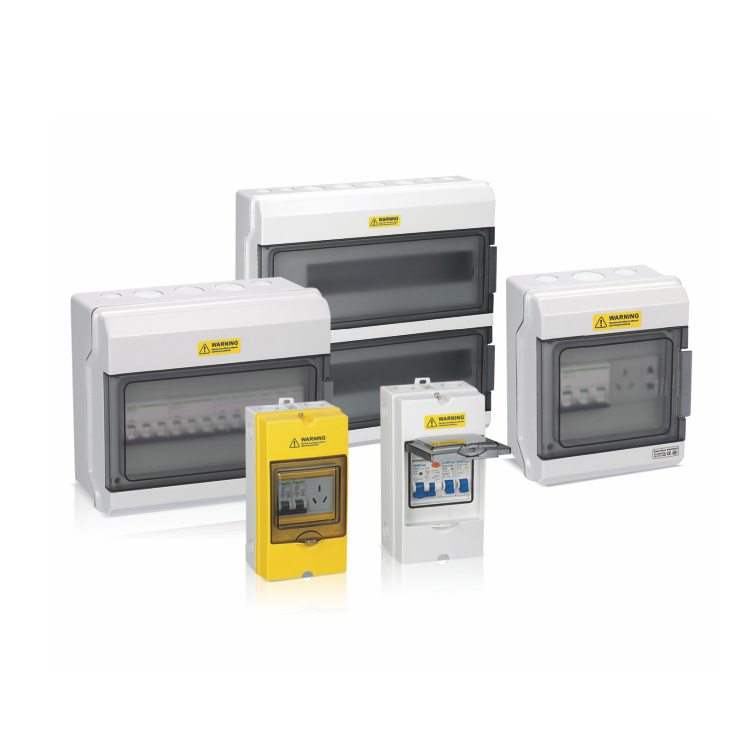
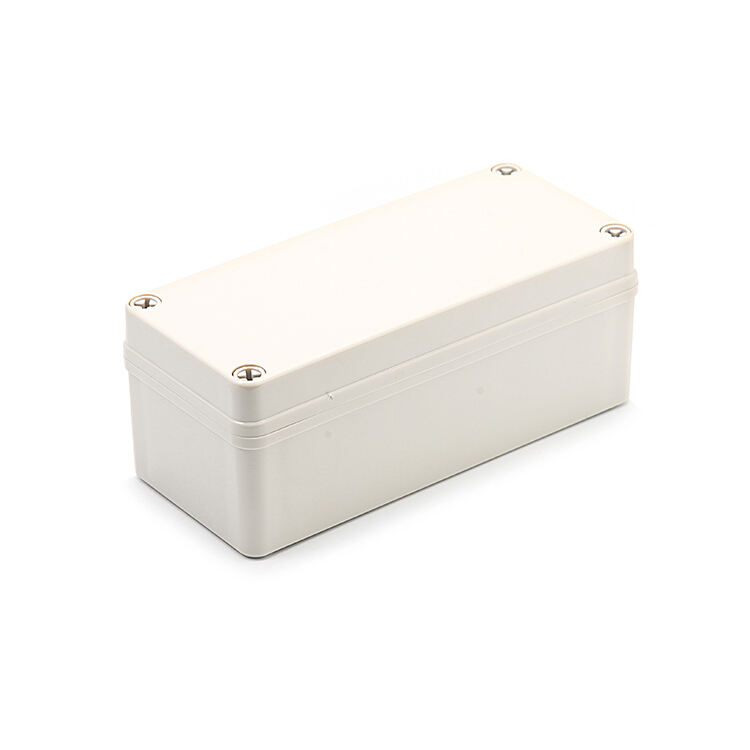
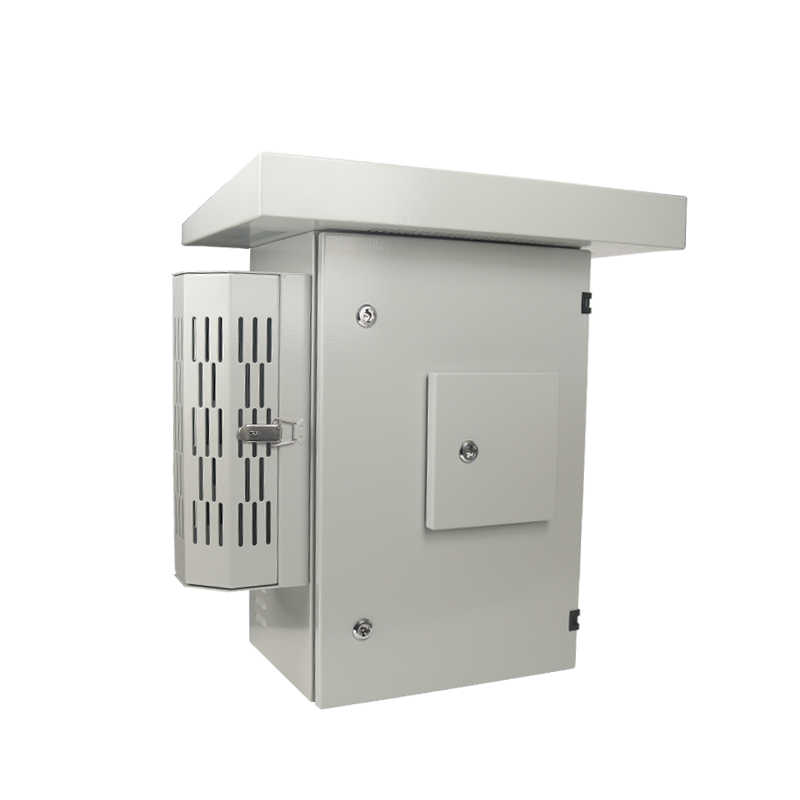
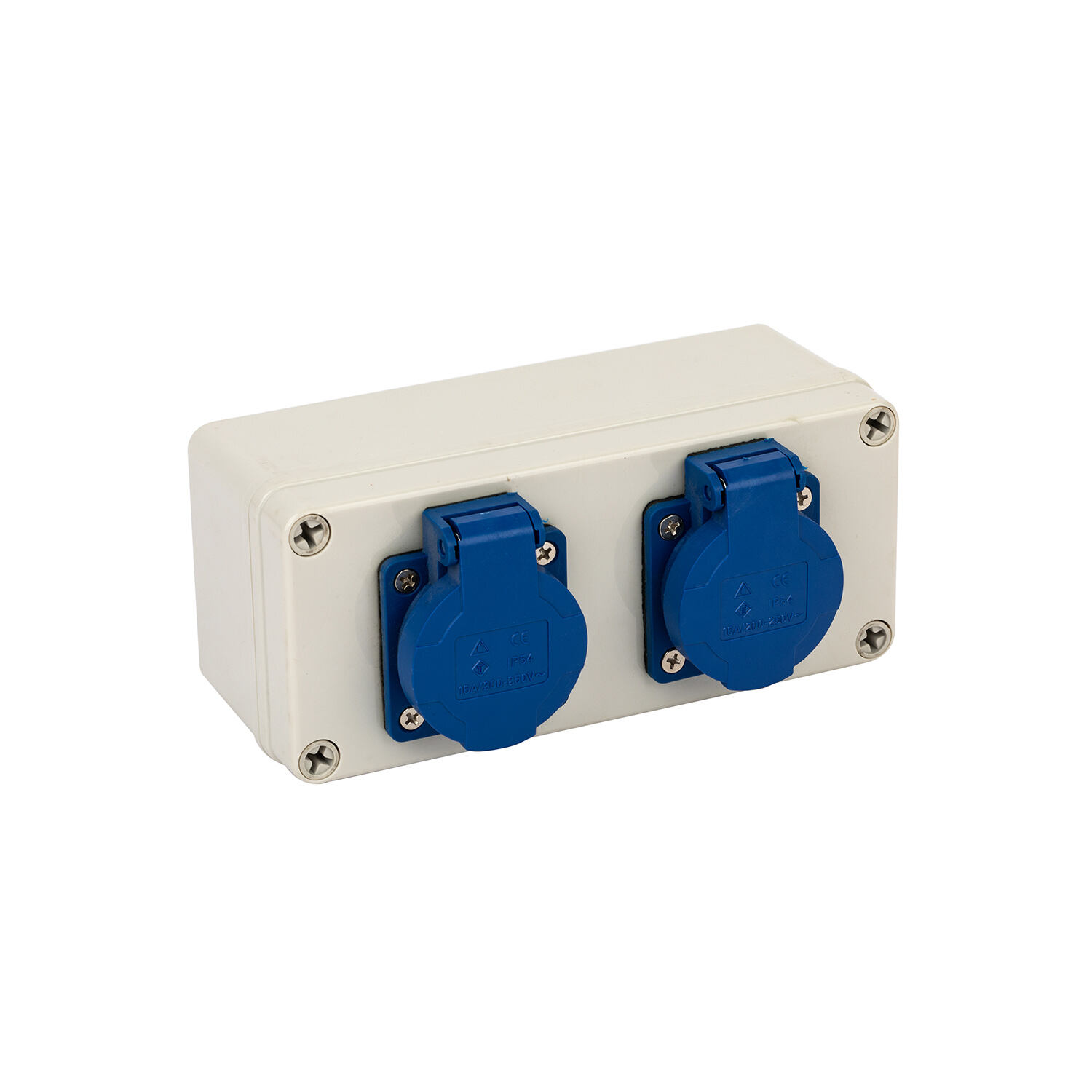
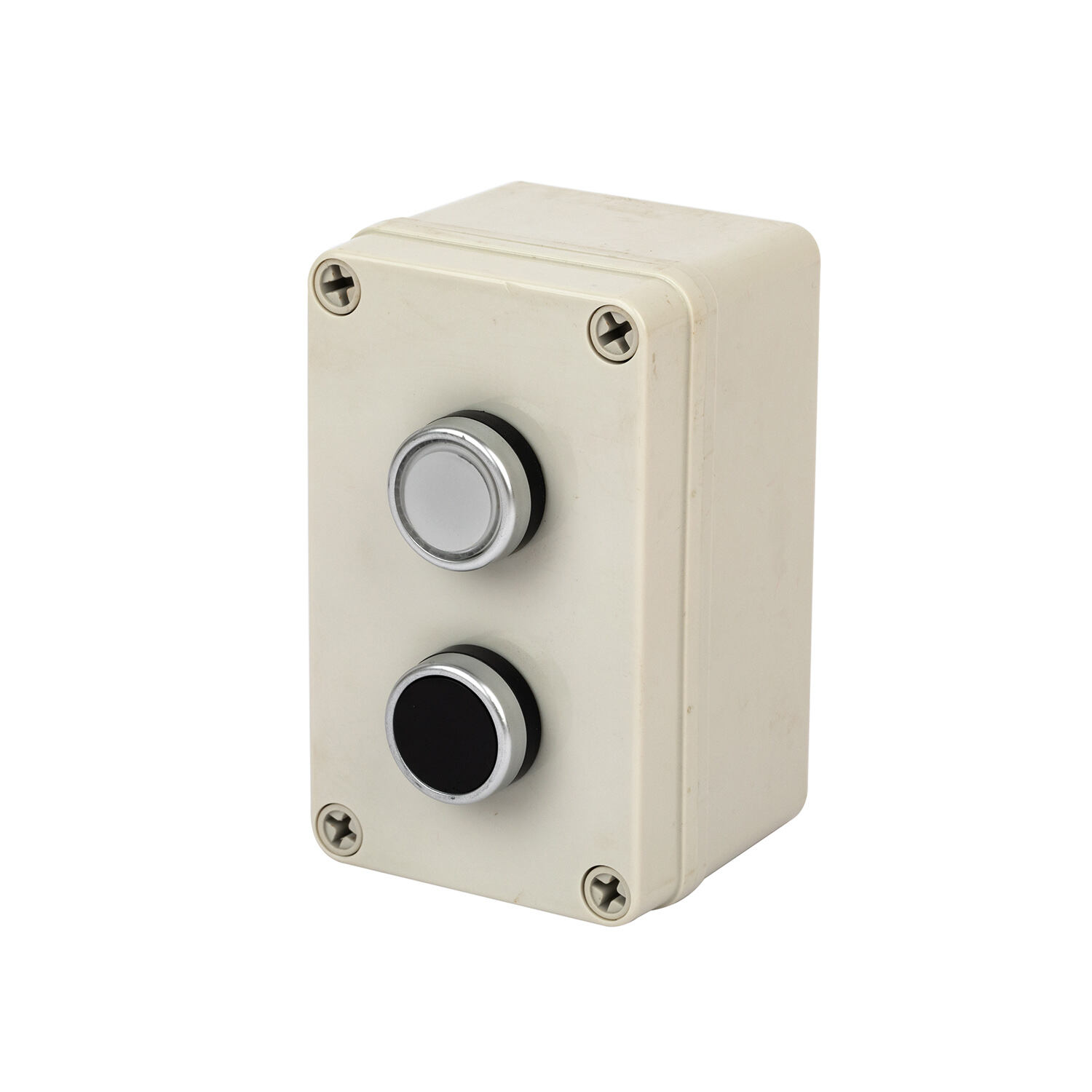
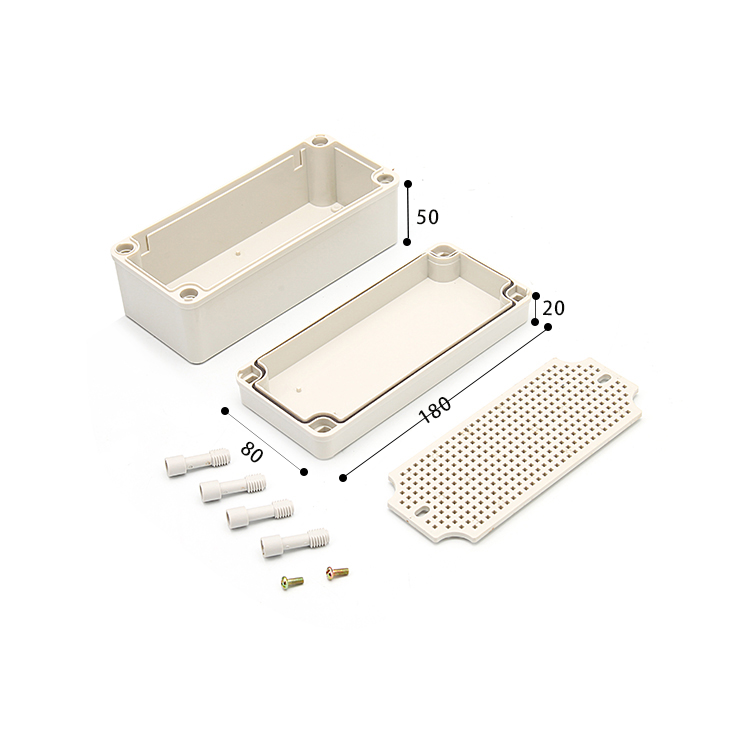
An enclosure for electrical panel serves as a protective housing system designed to safeguard electrical components, control systems, and distribution equipment from environmental hazards, unauthorized access, and operational risks. This essential infrastructure component creates a secure barrier between sensitive electrical equipment and external factors that could compromise system performance or safety. The enclosure for electrical panel typically consists of robust materials such as steel, stainless steel, aluminum, or specialized polymers, engineered to withstand various environmental conditions while maintaining optimal functionality. Modern electrical panel enclosures incorporate advanced design principles that prioritize both protection and accessibility, ensuring that maintenance personnel can safely perform necessary operations while keeping critical components secure. The primary functions of an enclosure for electrical panel include weather protection, electromagnetic interference shielding, thermal management, and physical security. These enclosures prevent moisture ingress, dust accumulation, and temperature fluctuations that could damage delicate electronic components or create hazardous operating conditions. Additionally, they provide structured organization for electrical components, facilitating easier maintenance procedures and reducing downtime during service operations. Technological features of contemporary electrical panel enclosures encompass sophisticated sealing systems, ventilation mechanisms, and modular configurations that adapt to diverse installation requirements. Many enclosures incorporate IP-rated protection standards, ensuring compliance with international safety regulations and environmental protection guidelines. Advanced models feature integrated cooling systems, cable management solutions, and expandable designs that accommodate future system upgrades. Applications for electrical panel enclosures span numerous industries, including manufacturing facilities, commercial buildings, renewable energy installations, telecommunications infrastructure, and residential developments. These versatile protection systems support various electrical configurations, from basic distribution panels to complex automation control systems, making them indispensable components in modern electrical infrastructure design and implementation strategies.
 EN
EN