Exceptional Durability and Long-Term Value
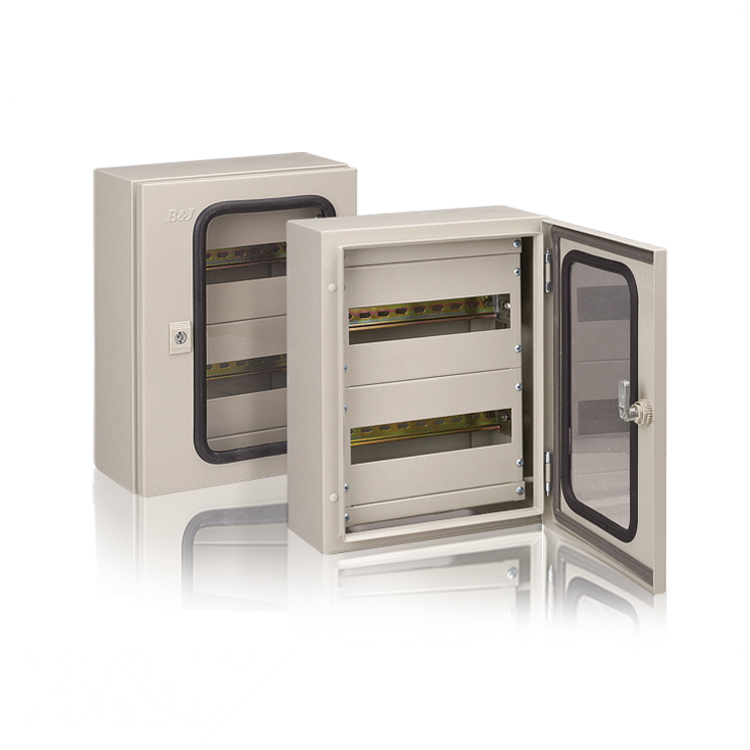
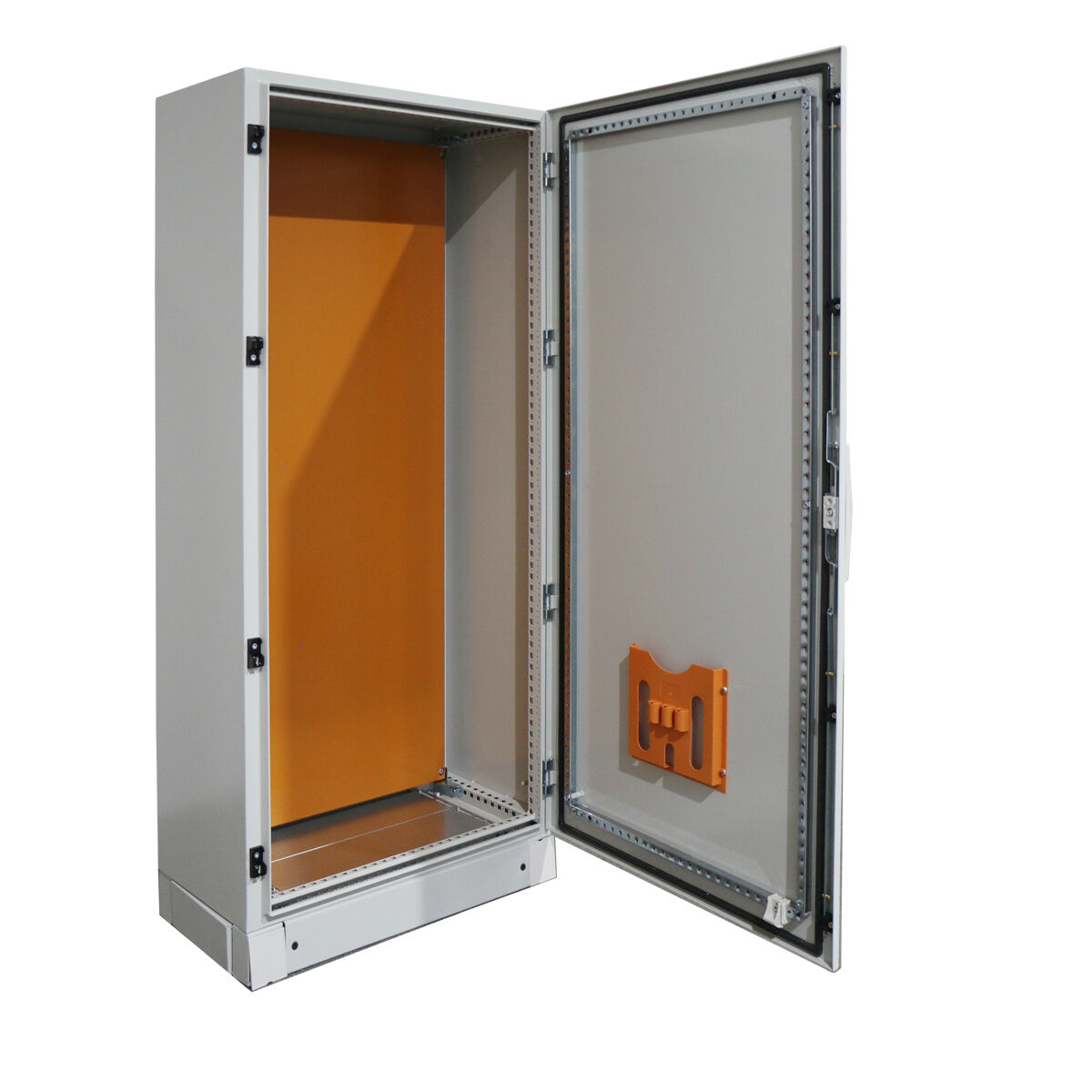
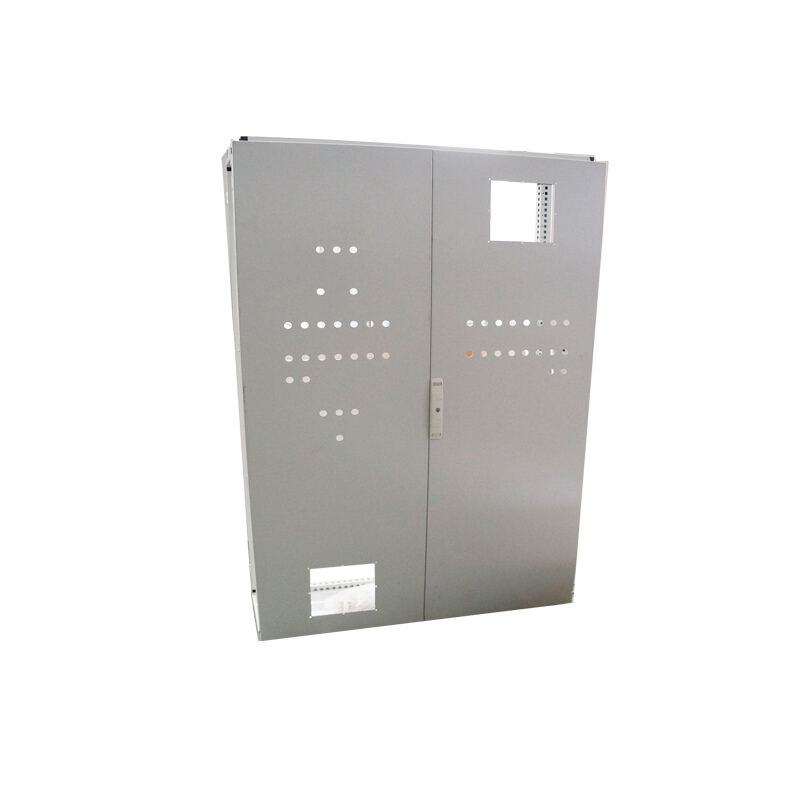
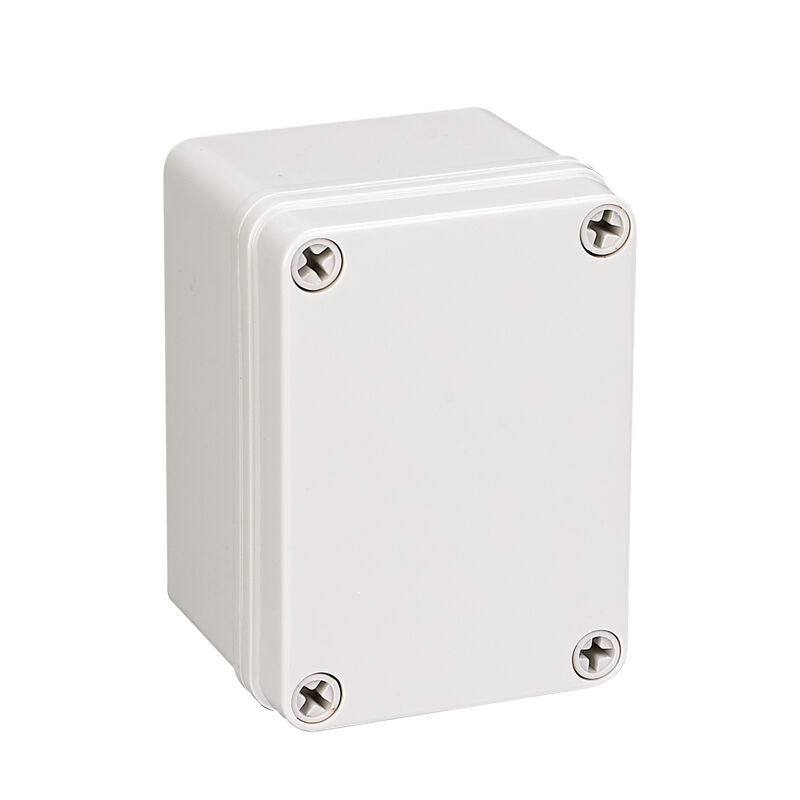
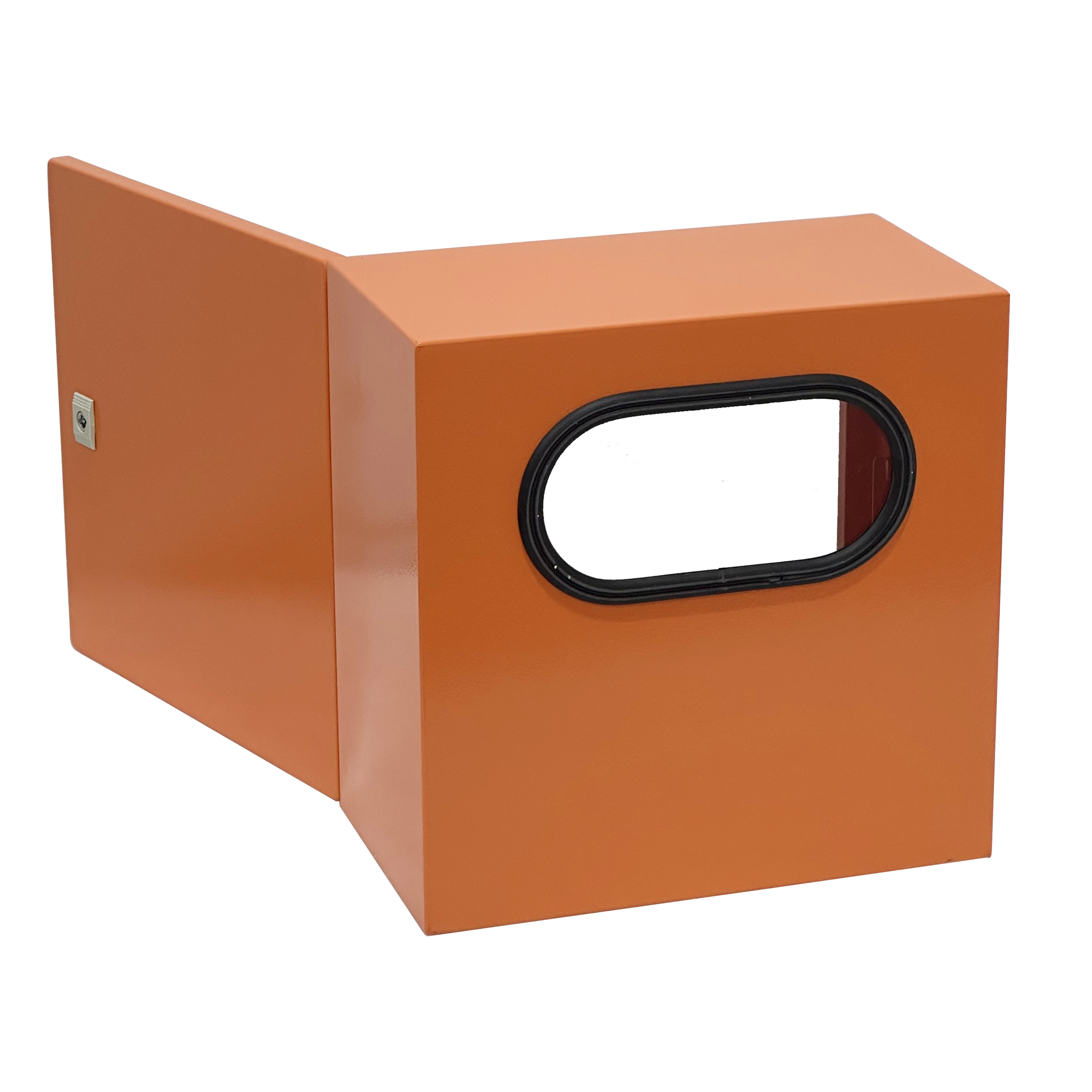
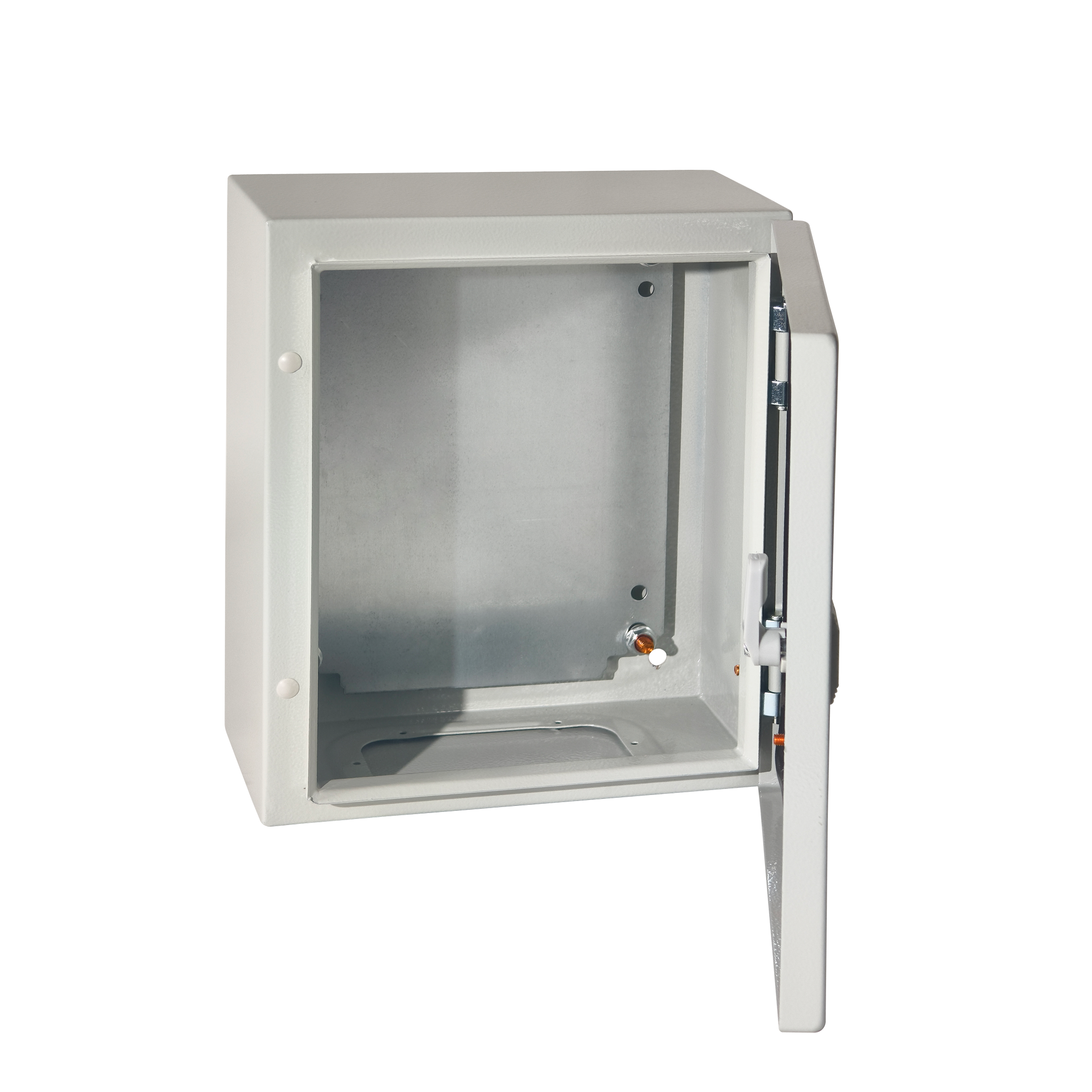
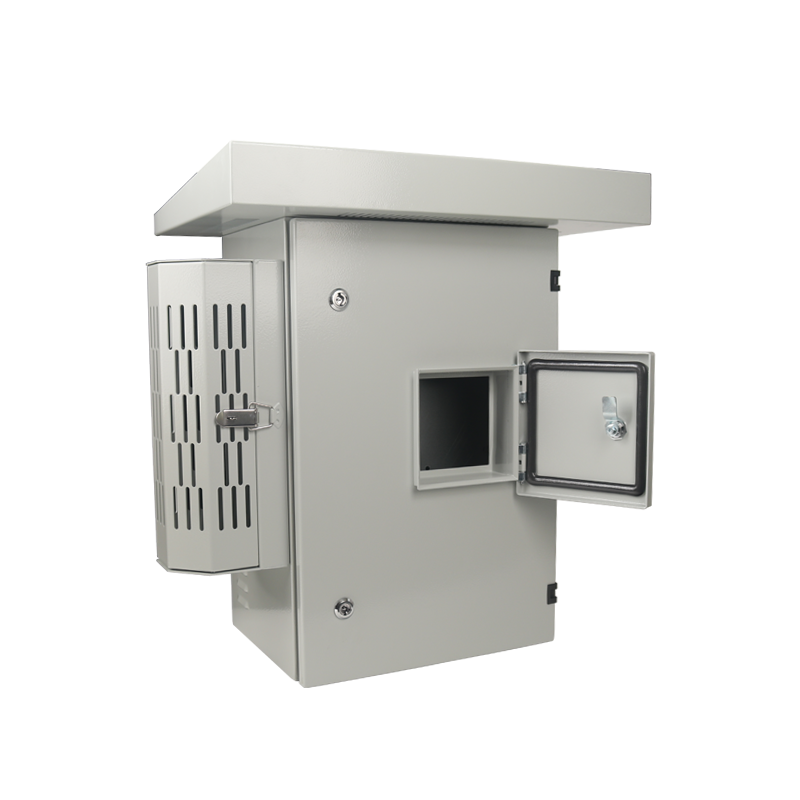
The exceptional durability of indoor metal enclosures represents a fundamental advantage that delivers outstanding long-term value through decades of reliable performance and minimal maintenance requirements. This durability stems from the inherent properties of metal construction materials, advanced manufacturing techniques, and quality engineering processes that create products capable of withstanding the most demanding operational environments. The structural integrity of indoor metal enclosures is built upon high-grade steel or aluminum alloys that provide superior mechanical strength, impact resistance, and dimensional stability over extended service periods. These materials undergo rigorous testing and quality control processes to ensure consistent performance characteristics and compliance with industry standards for strength and durability. The manufacturing processes employed in creating indoor metal enclosures utilize precision forming, welding, and assembly techniques that eliminate weak points and stress concentrations that could lead to premature failure. Surface treatment technologies such as powder coating, galvanization, or anodization provide additional layers of protection against corrosion, wear, and environmental degradation that could compromise long-term performance. These protective coatings are applied using controlled processes that ensure uniform coverage, proper adhesion, and optimal thickness for maximum durability. The result is a finish that maintains its protective properties and aesthetic appearance throughout years of service, reducing the need for refinishing or replacement due to surface deterioration. Maintenance requirements for indoor metal enclosures are minimal compared to alternative materials, as the metal construction resists degradation from temperature cycling, UV exposure, and chemical contact that commonly affect other enclosure materials. Routine maintenance typically involves basic cleaning and periodic inspection of sealing components, rather than structural repairs or component replacement that may be required with less durable alternatives. The long-term value proposition of indoor metal enclosures becomes evident through lifecycle cost analysis that considers initial investment, maintenance expenses, and replacement costs over the operational lifetime of protected equipment. While the upfront cost may be higher than alternative materials, the extended service life and reduced maintenance requirements result in significantly lower total ownership costs. Additionally, the durability of indoor metal enclosures protects valuable equipment investments by providing consistent protection throughout changing operational conditions and evolving facility requirements. This reliability factor allows organizations to plan long-term equipment strategies with confidence, knowing that protective infrastructure will continue performing effectively for decades. The resale and salvage value of metal enclosures further enhances their economic appeal, as these products retain value even after their primary service period ends.
 EN
EN