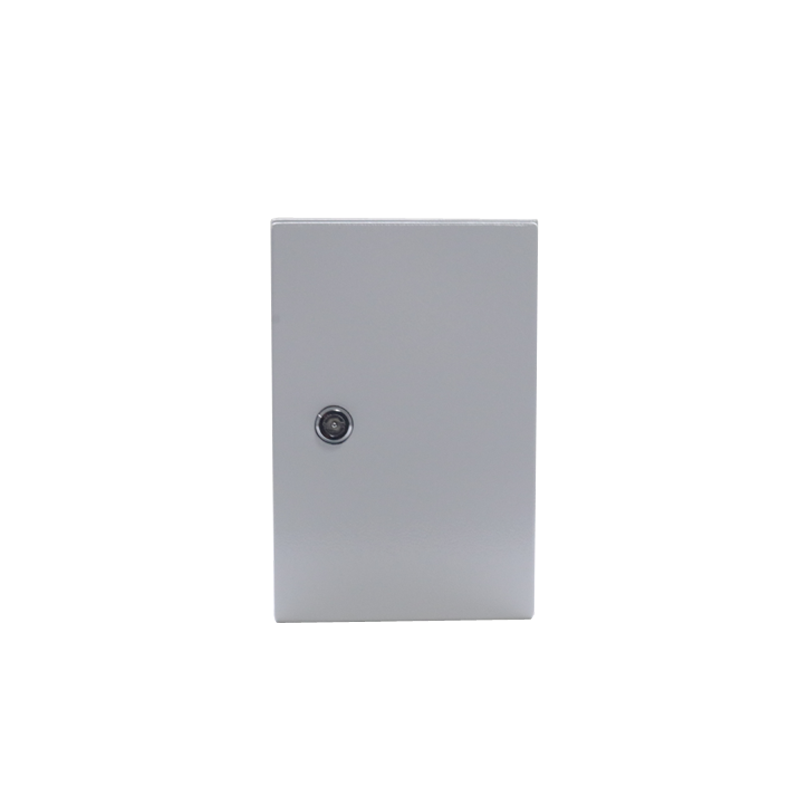
Industrial Metal Enclosure Solutions: Premium Protection for Critical Equipment

Get a Free Quote

Our representative will contact you soon.
Email
Name
Company Name
Message
0/1000

industrial metal enclosure

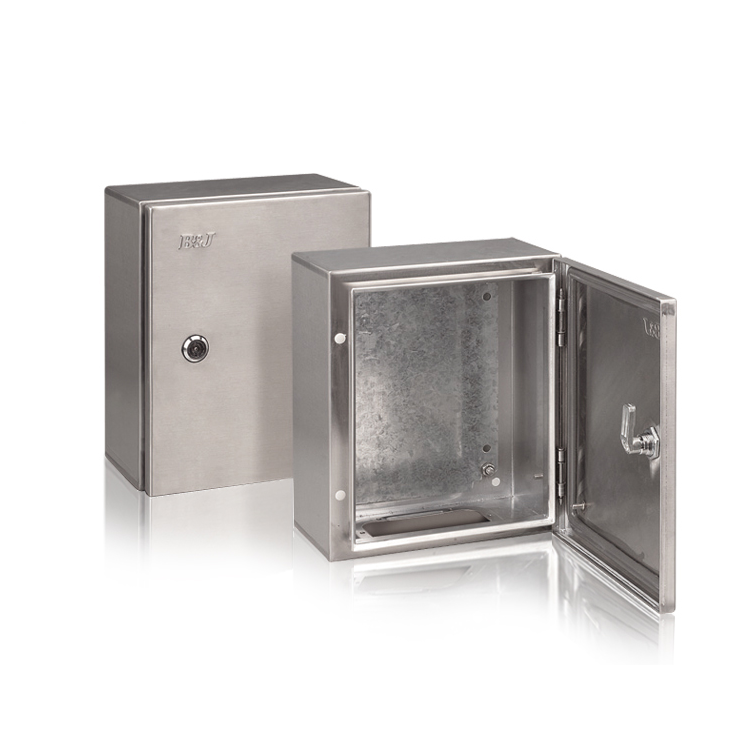
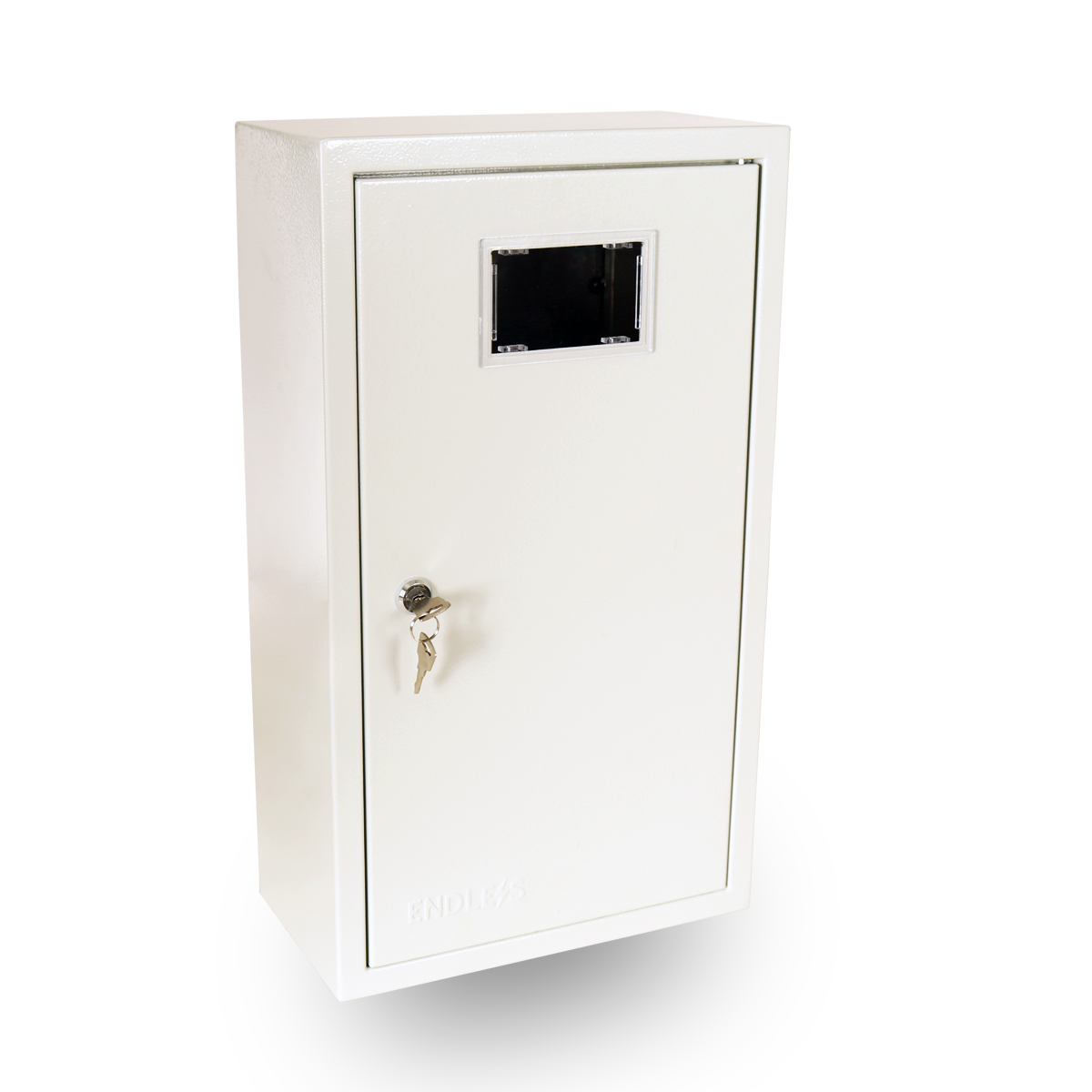
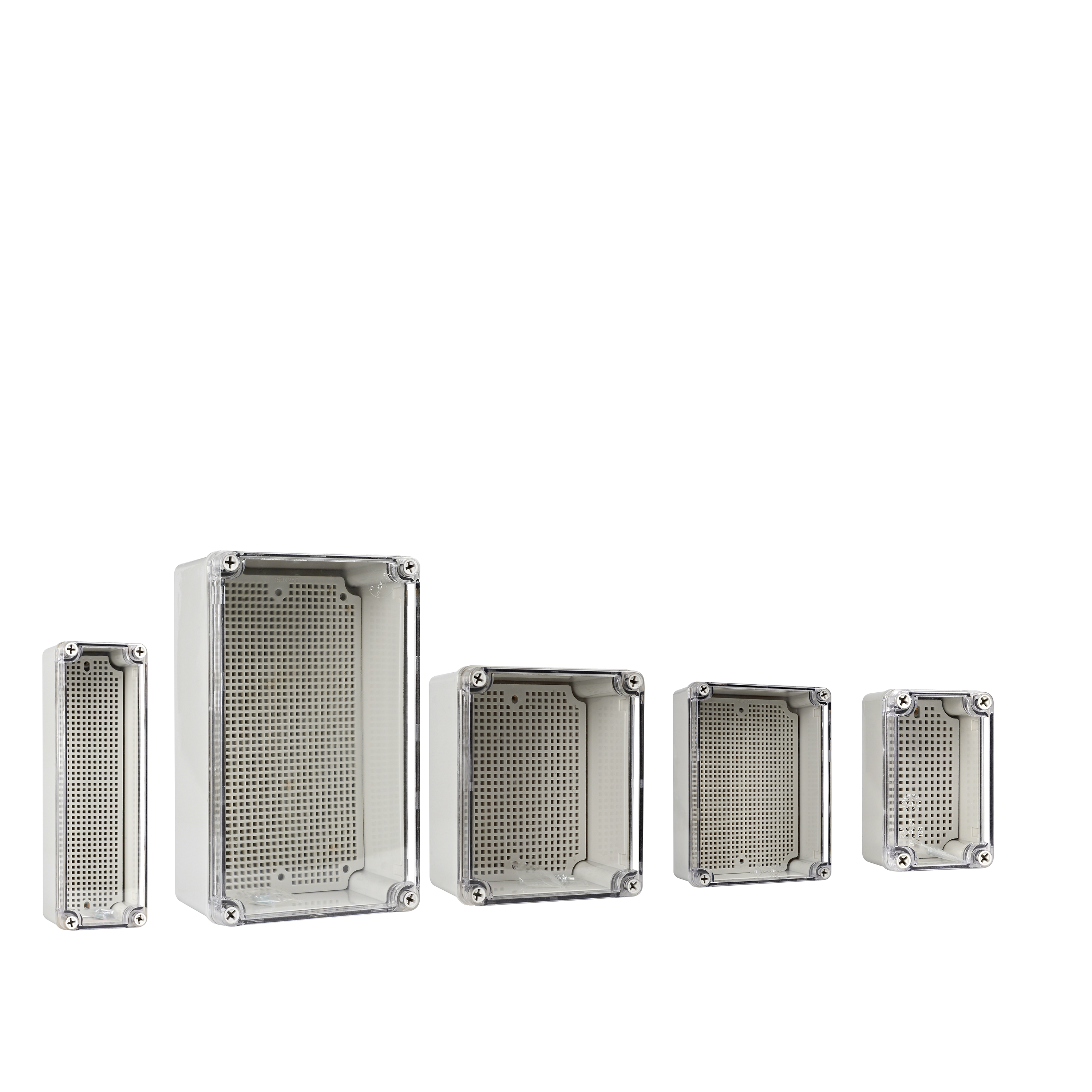
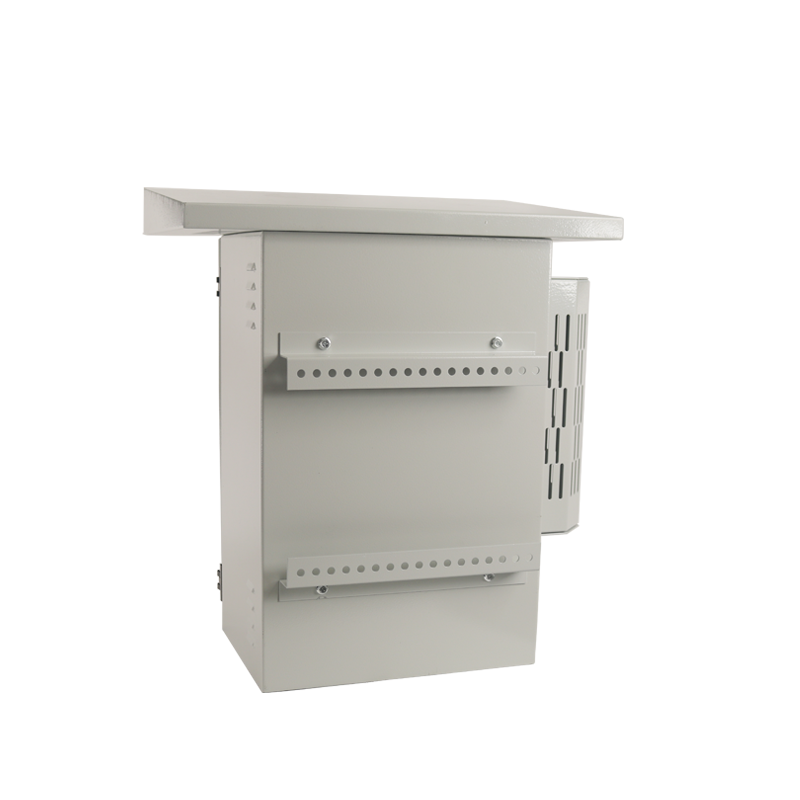
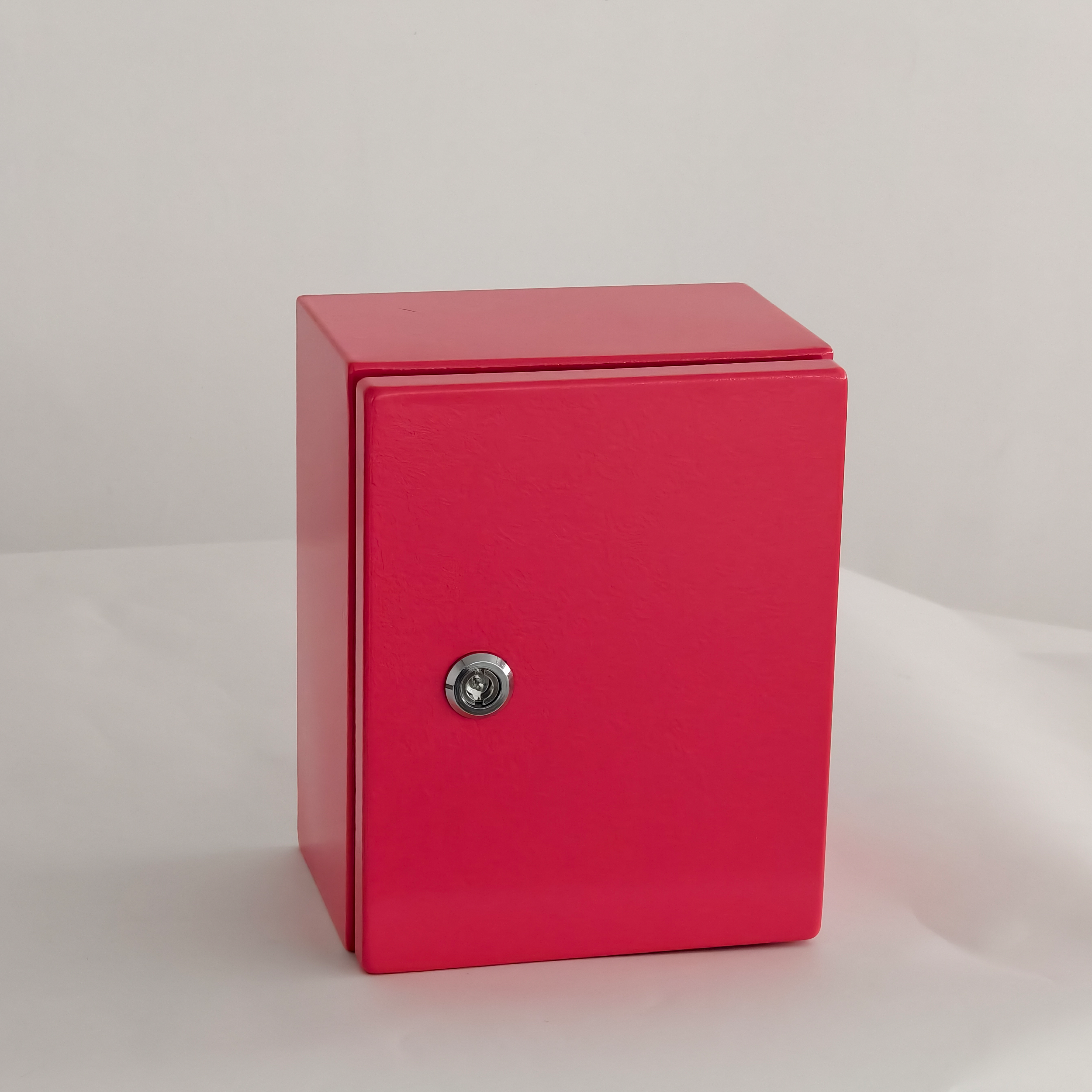
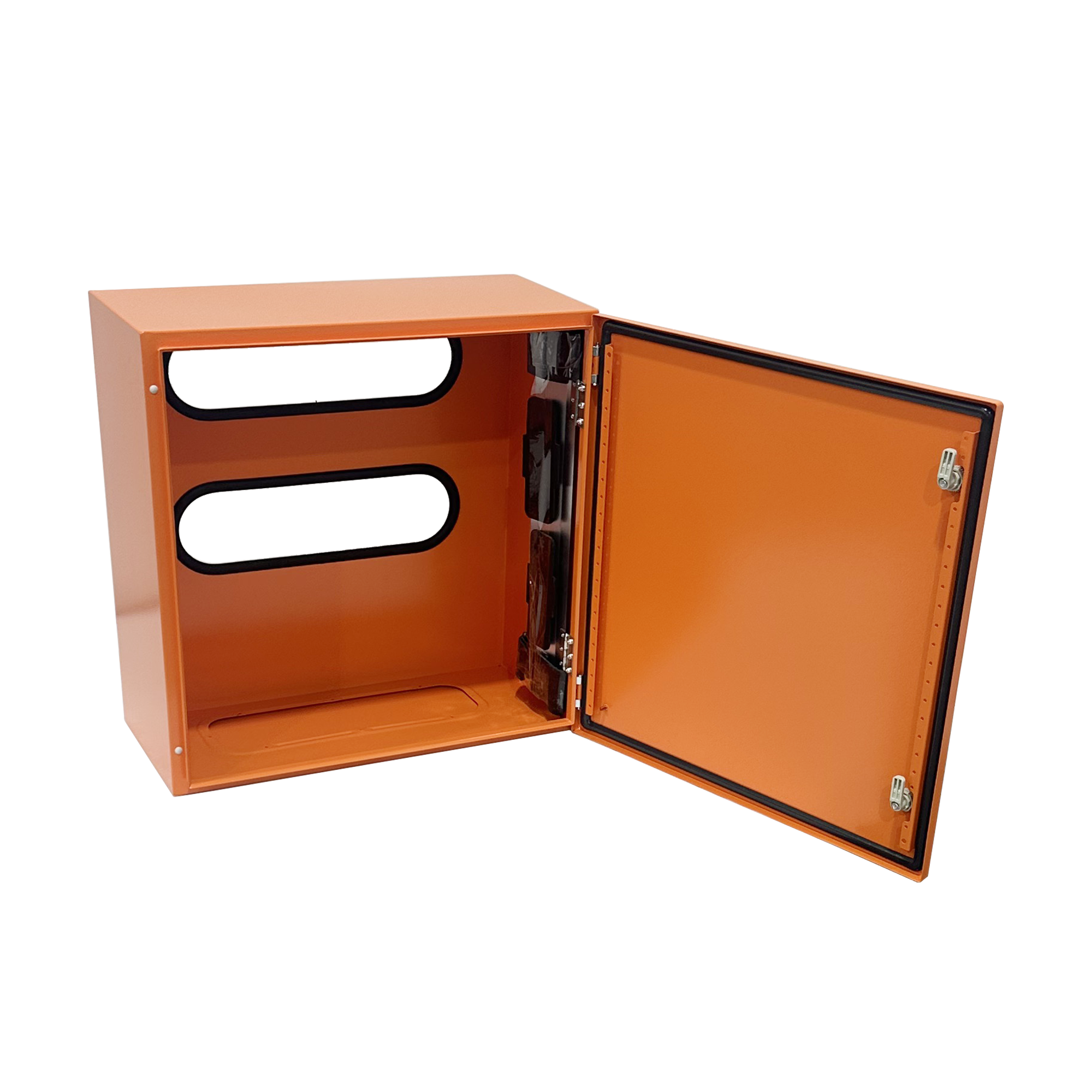
An industrial metal enclosure serves as a critical protective housing system designed to safeguard sensitive electrical and electronic equipment in demanding operational environments. These robust protective structures are engineered from premium-grade metals, typically including steel, aluminum, and stainless steel, providing exceptional durability against harsh industrial conditions. The primary function of an industrial metal enclosure centers on protecting valuable equipment from environmental hazards such as dust, moisture, chemical exposure, electromagnetic interference, and physical impact. Modern industrial metal enclosure designs incorporate sophisticated ventilation systems, ensuring optimal thermal management while maintaining protective integrity. These enclosures feature precision-engineered mounting systems that accommodate various equipment configurations, from simple control panels to complex automation systems. The technological features of an industrial metal enclosure include advanced sealing mechanisms, corrosion-resistant coatings, and modular construction capabilities that allow for customizable configurations. Many units incorporate specialized gasket systems that provide IP-rated protection levels, ensuring compliance with international standards for ingress protection. The structural design of an industrial metal enclosure typically includes reinforced mounting points, integrated cable management systems, and accessibility features that facilitate maintenance operations. Applications for industrial metal enclosure systems span across numerous sectors including manufacturing, telecommunications, energy production, transportation, and process control industries. In manufacturing environments, these enclosures protect programmable logic controllers, variable frequency drives, and human-machine interfaces from production-related contaminants. Telecommunications facilities rely on industrial metal enclosure solutions to house critical networking equipment, ensuring reliable communication infrastructure. Power generation facilities utilize these protective systems for control equipment, monitoring devices, and safety systems that require continuous operation under extreme conditions. The versatility of an industrial metal enclosure makes it an essential component in modern industrial infrastructure, providing reliable protection while maintaining operational accessibility and compliance with safety regulations.

New Products

Industrial metal enclosure systems deliver substantial practical benefits that directly impact operational efficiency and equipment longevity. The primary advantage lies in superior equipment protection, where the robust metal construction shields valuable electronics from environmental threats that could cause costly failures or downtime. This protection translates into significant cost savings by extending equipment lifespan and reducing replacement frequency. The durability factor of an industrial metal enclosure means businesses avoid frequent housing replacements, providing excellent return on investment over extended periods. Installation flexibility represents another major benefit, as these enclosures accommodate diverse mounting configurations and can be easily modified to meet changing operational requirements. The standardized design of most industrial metal enclosure units simplifies procurement processes and ensures compatibility across different equipment brands and models. Maintenance advantages become apparent through accessible design features that allow technicians to perform routine inspections and repairs without compromising protective integrity. The thermal management capabilities built into modern industrial metal enclosure designs prevent equipment overheating, ensuring consistent performance and preventing thermal-related failures. Safety benefits extend to personnel protection, as proper grounding and electrical isolation features reduce risks of electrical hazards in industrial environments. Regulatory compliance becomes streamlined when using certified industrial metal enclosure products that meet industry standards, simplifying audit processes and ensuring adherence to safety requirements. The customization potential allows businesses to specify exact configurations that match their operational needs, eliminating the compromise often associated with generic solutions. Energy efficiency improvements occur through proper thermal management and electromagnetic shielding, reducing cooling requirements and preventing interference-related power consumption issues. The professional appearance of an industrial metal enclosure contributes to organized facility aesthetics while maintaining functional excellence. Long-term reliability ensures consistent protection performance, reducing unexpected maintenance costs and operational disruptions. The resale value retention of quality industrial metal enclosure systems provides additional financial benefits when facilities undergo upgrades or relocations. These combined advantages make industrial metal enclosure investments strategic decisions that support operational excellence while protecting valuable assets.

Tips And Tricks

EPDM vs. Silicone Gaskets for Junction Enclosures: Which Seals Best?

24

Mar

EPDM vs. Silicone Gaskets for Junction Enclosures: Which Seals Best?

When designing electrical installations that must withstand harsh environmental conditions, the choice between EPDM and silicone gaskets for your junction enclosure can determine the long-term reliability of your entire system. Both materials offer d...
View More
Powder-Coated vs. Galvanized Metal Boxes: Which Resists Rust Longer?

23

Apr

Powder-Coated vs. Galvanized Metal Boxes: Which Resists Rust Longer?

When selecting a metal box for industrial applications, the coating choice directly impacts how long your investment will withstand corrosion and environmental challenges. Powder-coated and galvanized finishes represent two fundamentally different ap...
View More
Top 10 Best-Selling Metal Boxes on Amazon in 2025 (Reviewed)

23

Apr

Top 10 Best-Selling Metal Boxes on Amazon in 2025 (Reviewed)

Finding the right metal box for your storage, electrical, or organizational needs has become increasingly important as industries demand more durable and reliable solutions. The popularity of metal box products on Amazon continues to surge in 2025, d...
View More
Laser Cutting vs. CNC Punching: Which Lowers Metal-Enclosure Costs?

23

Apr

Laser Cutting vs. CNC Punching: Which Lowers Metal-Enclosure Costs?

Manufacturing cost optimization remains a critical factor when selecting fabrication methods for metal enclosure production. The choice between laser cutting and CNC punching directly impacts both initial tooling investments and per-unit production e...
View More

Get a Free Quote

Our representative will contact you soon.
Email
Name
Company Name
Message
0/1000

industrial metal enclosure

Superior Environmental Protection and Durability

Superior Environmental Protection and Durability

The exceptional environmental protection capabilities of an industrial metal enclosure represent its most significant value proposition for businesses operating in challenging conditions. These protective systems are engineered to withstand extreme temperatures, corrosive chemicals, moisture exposure, and mechanical impacts that would quickly destroy unprotected equipment. The robust metal construction, typically featuring heavy-gauge steel or marine-grade aluminum, provides structural integrity that maintains protective performance even under severe stress conditions. Advanced sealing technologies integrated into each industrial metal enclosure create multiple barriers against environmental intrusion, with precision-machined surfaces and high-performance gaskets ensuring consistent protection levels throughout the unit's operational life. The corrosion resistance built into these systems extends far beyond basic paint coatings, incorporating specialized treatments such as powder coating, anodizing, or galvanization that create molecular-level barriers against chemical attack. This comprehensive protection approach means that an industrial metal enclosure can maintain its protective function for decades, even in highly corrosive environments such as chemical processing plants, marine facilities, or outdoor installations exposed to harsh weather conditions. The thermal performance characteristics allow these enclosures to maintain stable internal temperatures through integrated heat dissipation features, preventing thermal cycling damage to sensitive electronics. Impact resistance testing ensures that each industrial metal enclosure can withstand physical abuse from industrial operations, including vibration, shock loads, and accidental contact from mobile equipment. The ingress protection ratings achieved by these systems, often reaching IP65 or higher, provide quantifiable assurance that dust, moisture, and other contaminants cannot penetrate the protective barrier. This level of environmental protection translates directly into reduced maintenance costs, extended equipment life, and improved operational reliability that justifies the investment in quality industrial metal enclosure solutions for demanding applications.
Versatile Mounting and Configuration Options

Versatile Mounting and Configuration Options

The exceptional versatility in mounting configurations and internal arrangements makes an industrial metal enclosure an adaptable solution for diverse operational requirements across multiple industries. These systems incorporate sophisticated mounting frameworks that accommodate everything from simple switch panels to complex multi-component installations, providing maximum flexibility for current needs while allowing for future expansion. The modular design philosophy behind modern industrial metal enclosure systems enables users to configure internal spaces precisely according to their equipment specifications, eliminating wasted space and optimizing accessibility for maintenance operations. Standardized mounting dimensions ensure compatibility with industry-standard equipment while providing sufficient customization options to meet unique application requirements. The structural engineering of each industrial metal enclosure incorporates reinforced mounting points capable of supporting substantial equipment weights without compromising the enclosure integrity or protective performance. Cable management systems integrated into these units facilitate organized routing of power and signal cables, reducing electromagnetic interference potential while maintaining clean internal arrangements that simplify troubleshooting and maintenance procedures. The accessibility features built into quality industrial metal enclosure designs include removable panels, hinged doors with multiple opening angles, and strategic component placement that ensures technicians can safely access equipment without exposing sensitive components to environmental hazards. Ventilation integration capabilities allow for customized airflow management through precisely positioned intake and exhaust points that maintain optimal operating temperatures while preserving protective sealing integrity. The scalability of these systems means that an industrial metal enclosure installation can grow with changing operational needs through modular additions or internal reconfigurations without requiring complete system replacement. Wall-mounting, floor-standing, and pole-mounting options provide installation flexibility that adapts to space constraints and operational requirements in diverse facility environments. The professional integration capabilities ensure that each industrial metal enclosure installation maintains aesthetic consistency while delivering functional excellence that supports efficient operations and regulatory compliance requirements.
Advanced Thermal Management and Energy Efficiency

Advanced Thermal Management and Energy Efficiency

The sophisticated thermal management capabilities integrated into modern industrial metal enclosure designs represent a critical technological advancement that directly impacts equipment performance, energy efficiency, and operational costs. These systems incorporate intelligent heat dissipation mechanisms that actively regulate internal temperatures through engineered airflow patterns, strategic ventilation placement, and thermal bridging optimization that prevents hotspots while maintaining environmental protection integrity. The metal construction of an industrial metal enclosure provides excellent thermal conductivity properties that facilitate natural heat transfer from internal components to the external environment, reducing reliance on active cooling systems and associated energy consumption. Advanced thermal modeling during the design phase ensures that each industrial metal enclosure configuration optimizes heat distribution patterns, preventing thermal buildup that could compromise equipment performance or reliability. The ventilation systems built into these units feature precisely calculated intake and exhaust configurations that promote natural convection currents while maintaining ingress protection ratings through specialized louver designs and filter integration capabilities. Temperature monitoring provisions allow for real-time thermal assessment and proactive cooling system activation when environmental conditions exceed predetermined thresholds, ensuring consistent equipment performance regardless of external temperature variations. The energy efficiency benefits extend beyond reduced cooling requirements to include electromagnetic shielding properties that prevent interference-related power consumption issues and voltage regulation problems that can increase overall energy usage. Insulation options available for specialized industrial metal enclosure applications provide additional thermal barrier properties that maintain stable internal environments with minimal energy input, particularly valuable in extreme temperature installations. The thermal mass properties of metal construction create natural temperature stabilization that dampens thermal cycling effects, reducing stress on sensitive electronic components and extending operational lifespans. Heat exchanger integration capabilities allow for active thermal management in high-density installations where natural cooling proves insufficient, while maintaining the protective integrity that defines quality industrial metal enclosure performance. These comprehensive thermal management features ensure optimal equipment performance while minimizing energy costs and environmental impact throughout the operational lifecycle.
Industrial Metal Enclosure Solutions: Premium Protection for Critical Equipment

Get a Free Quote

Our representative will contact you soon.
Email
Name
Company Name
Message
0/1000