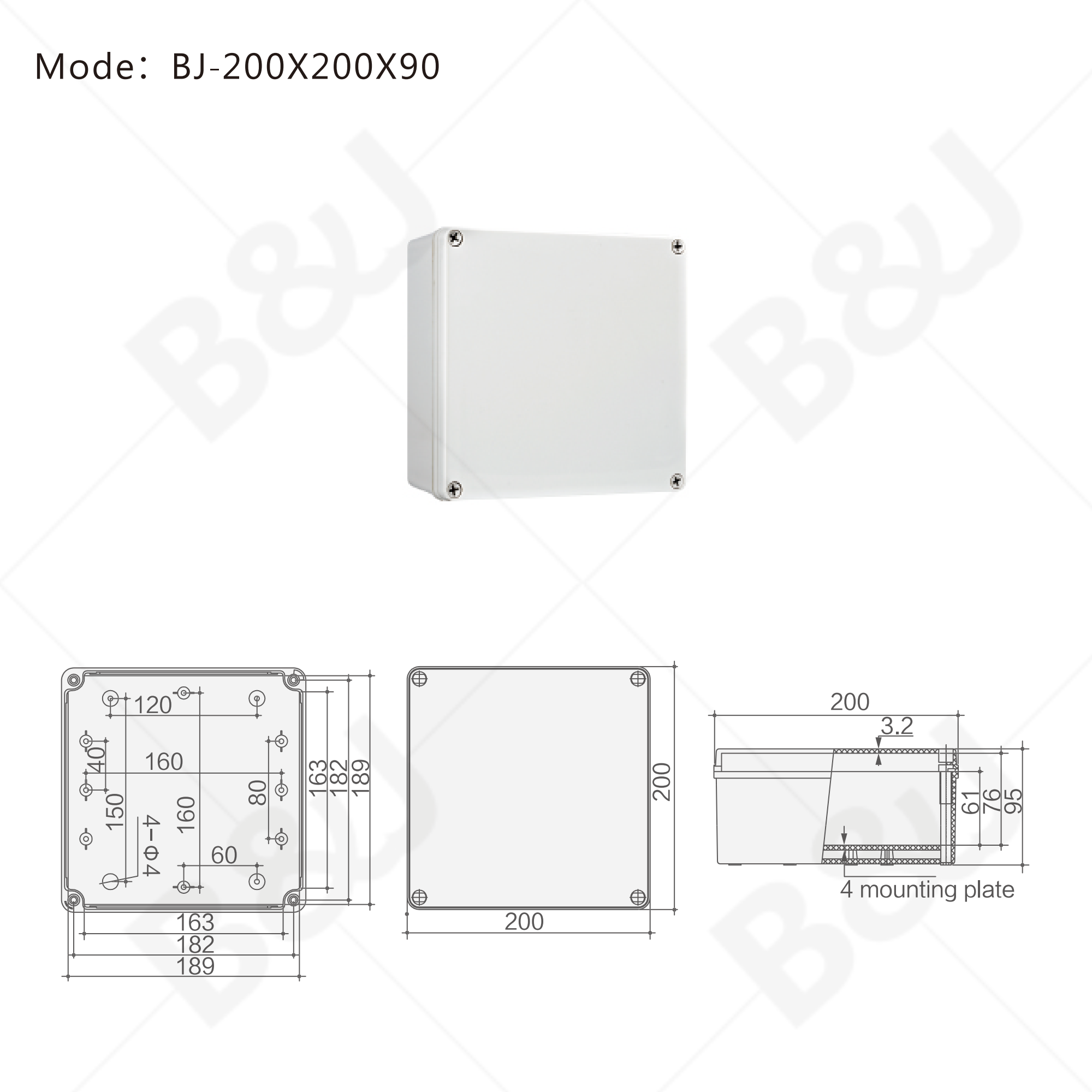
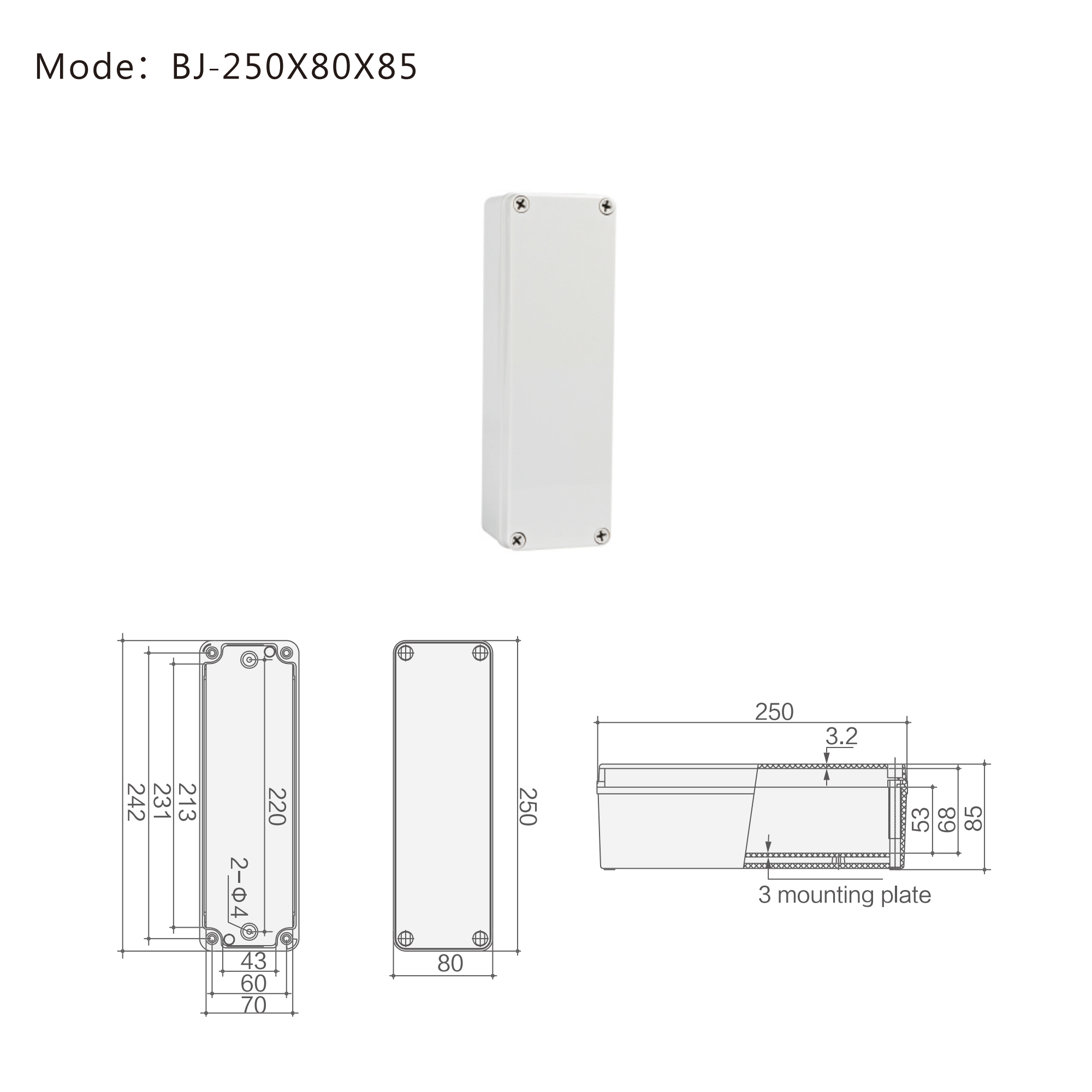
surface mount junction enclosure
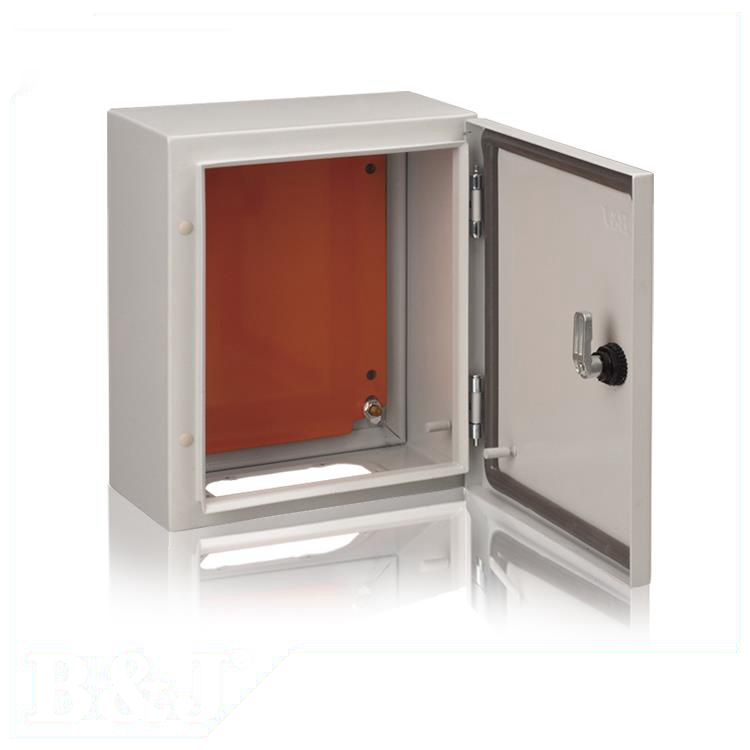
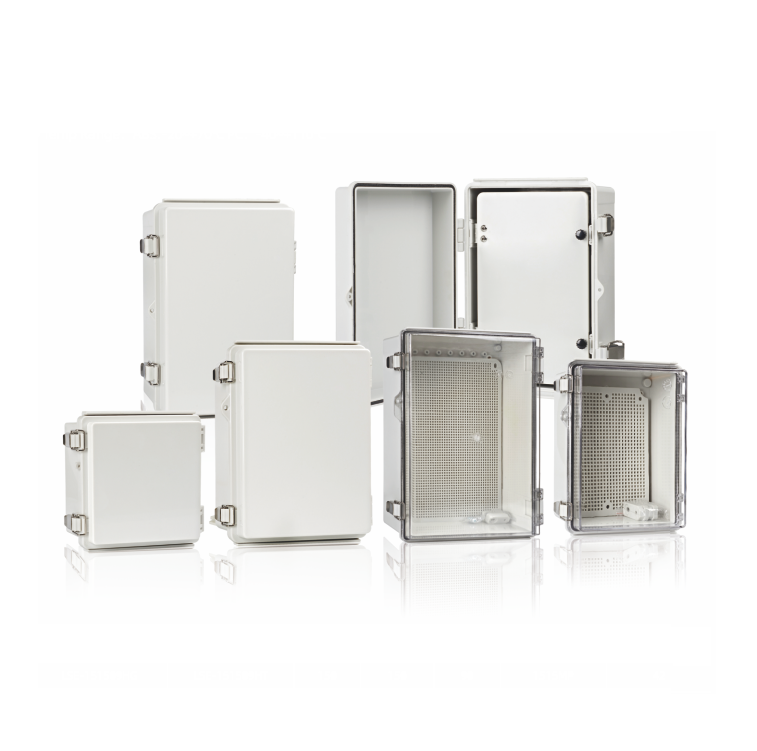
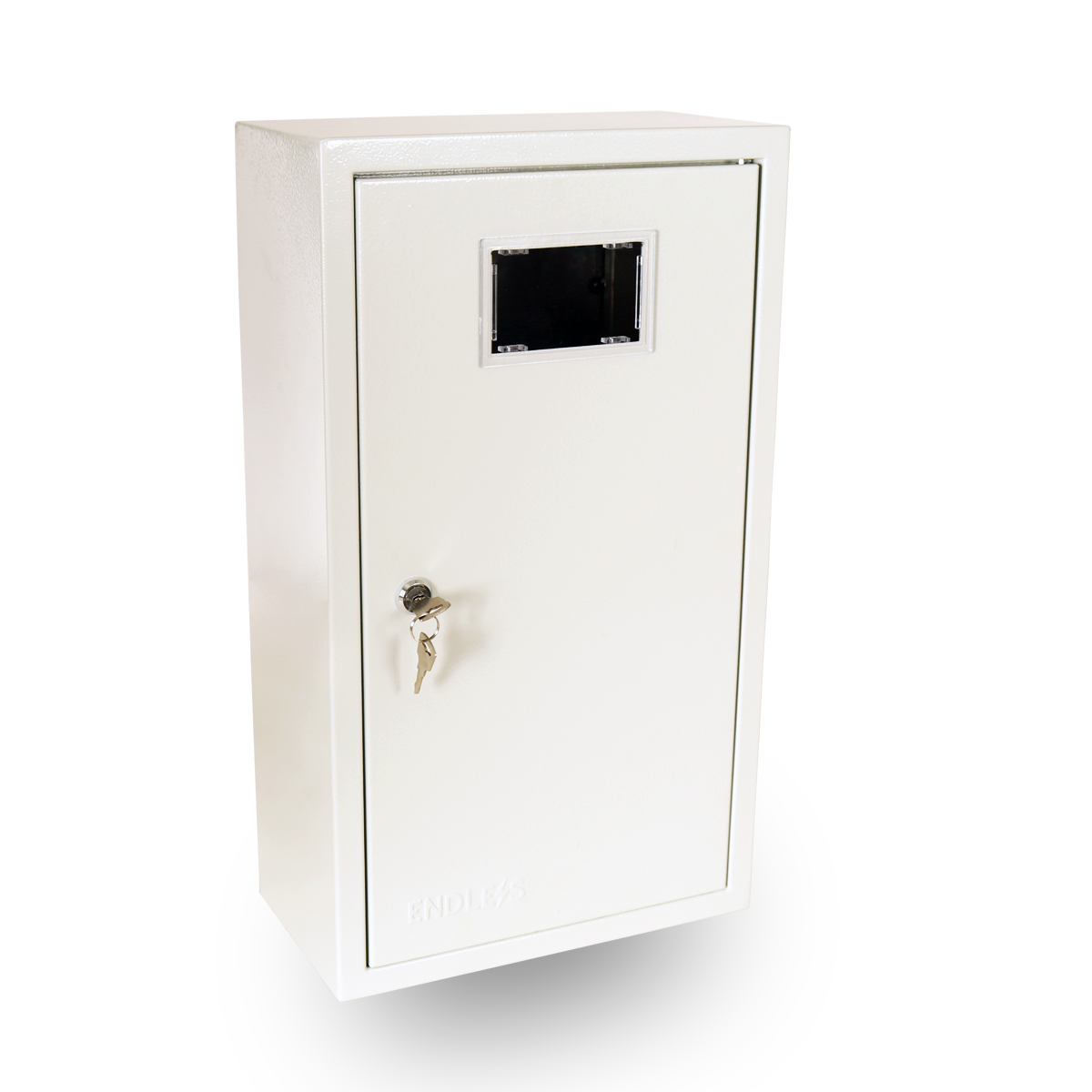
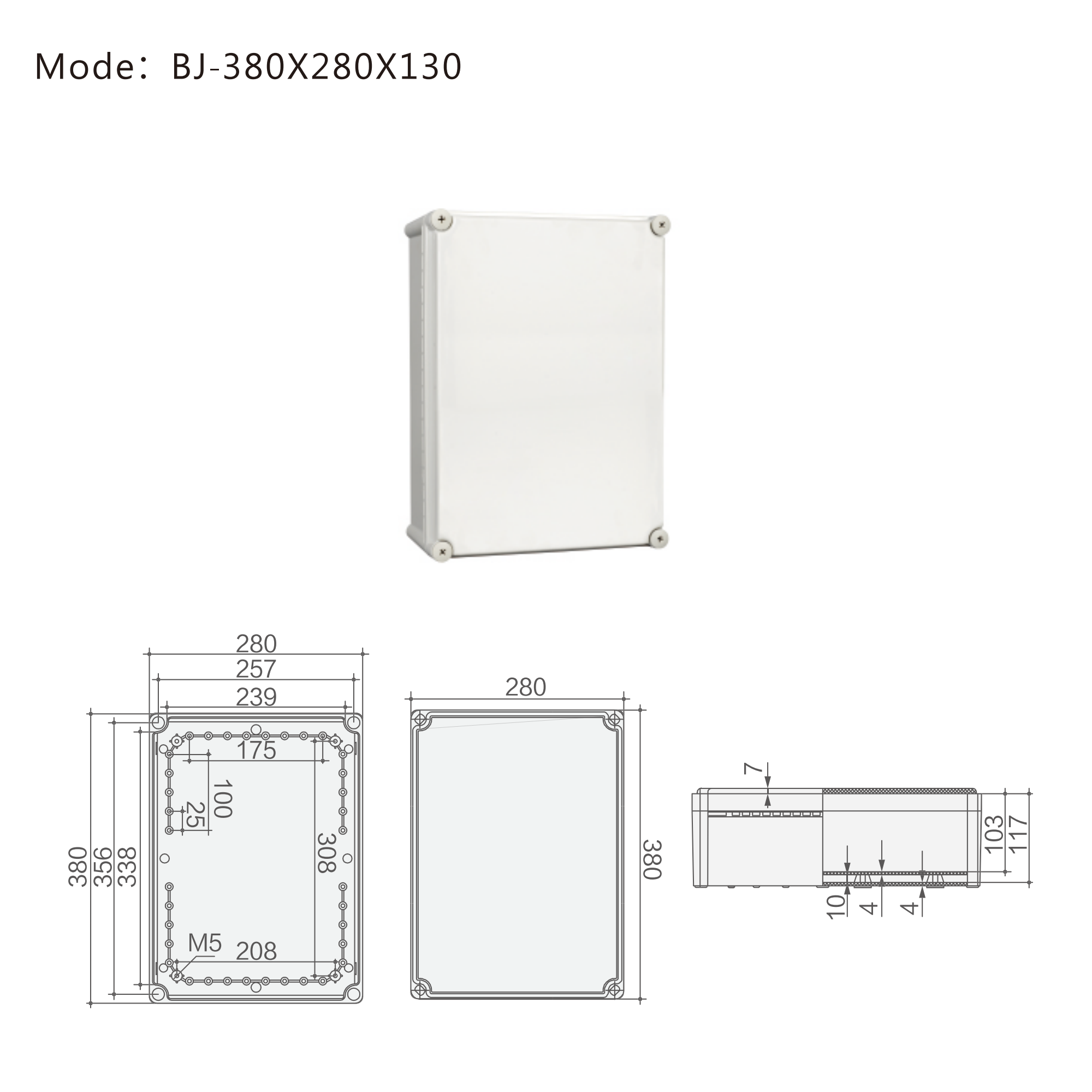
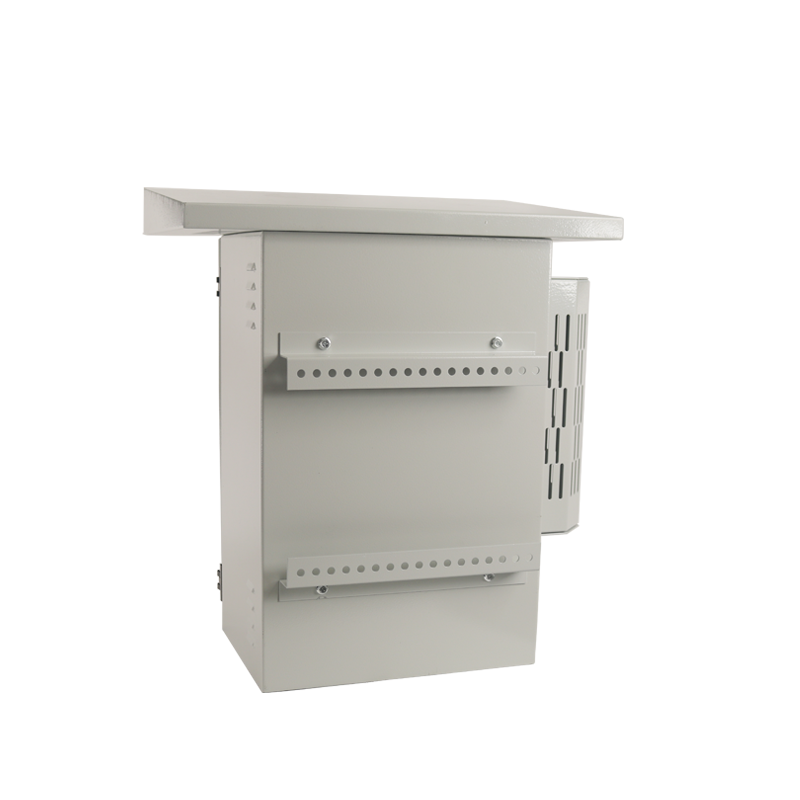
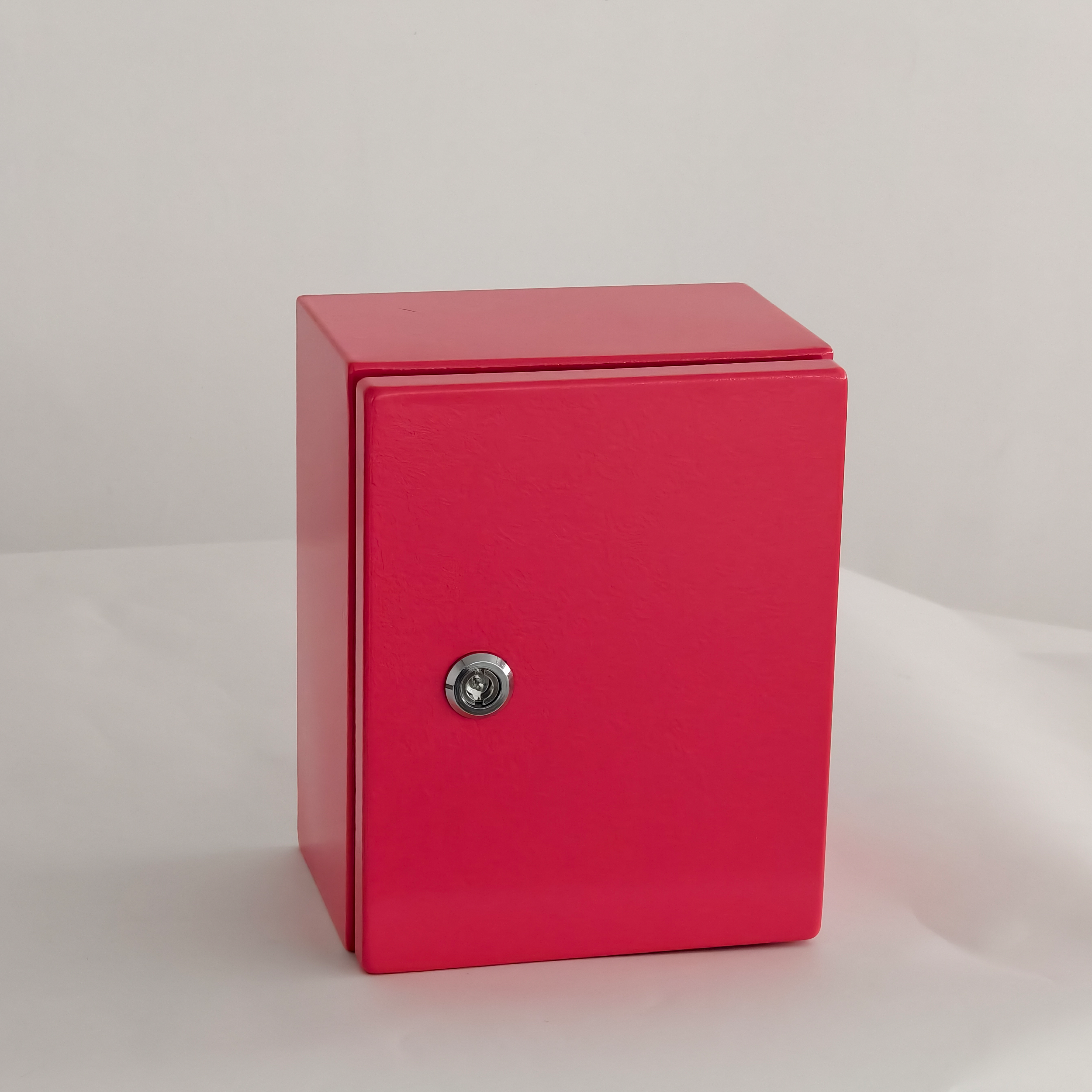
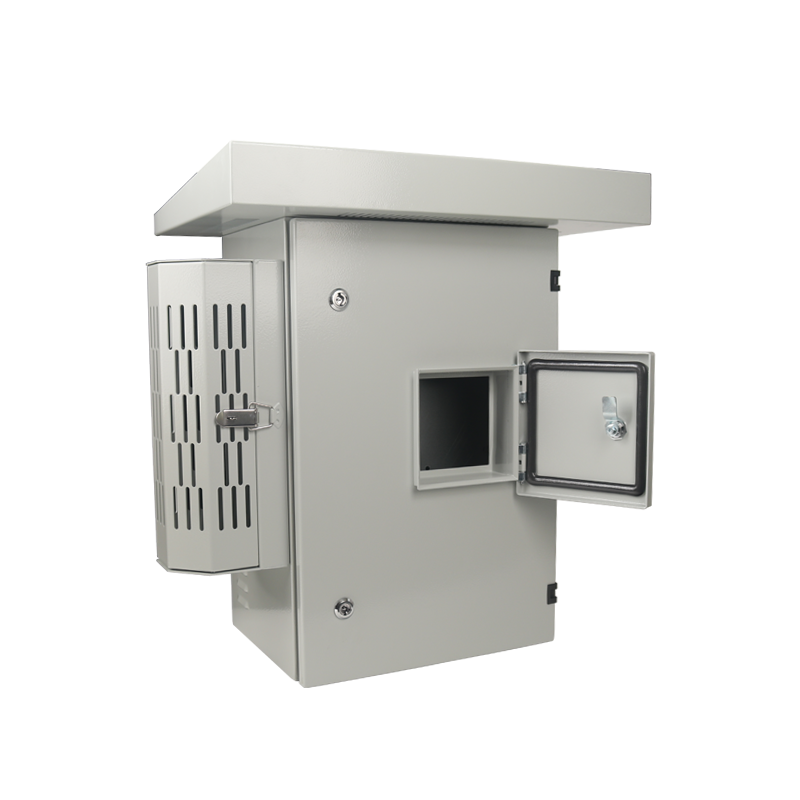
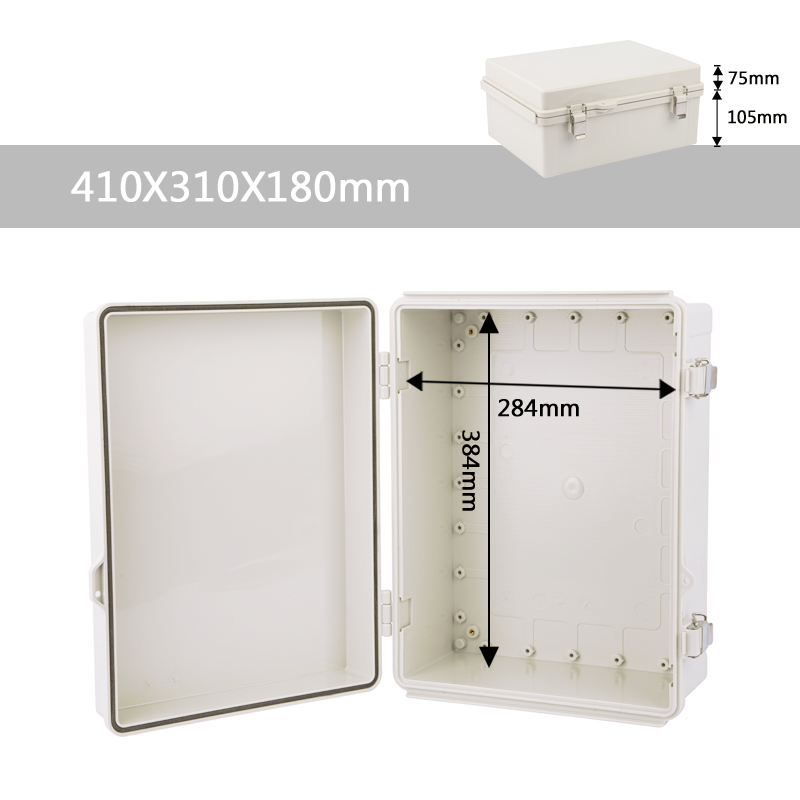
A surface mount junction enclosure represents a critical component in modern electrical installations, serving as a protective housing for electrical connections in various applications. This specialized enclosure system provides secure mounting directly onto surfaces without requiring recessed installation, making it an ideal solution for both new constructions and retrofit projects. The surface mount junction enclosure combines durability, accessibility, and versatility to meet demanding electrical infrastructure requirements. These enclosures feature robust construction designed to withstand environmental challenges while maintaining easy access for maintenance and inspections. The primary function of a surface mount junction enclosure involves protecting electrical connections from moisture, dust, debris, and physical damage that could compromise system integrity. Advanced materials and engineering ensure these enclosures deliver long-term reliability in diverse operating conditions. Technological features include precision-molded housings with integrated gasket systems that provide superior environmental sealing. Many models incorporate modular designs allowing customization based on specific application requirements. The enclosures often feature knockouts or pre-punched holes for cable entry, streamlining installation processes and reducing labor costs. Modern surface mount junction enclosures utilize corrosion-resistant materials such as high-grade plastics, aluminum alloys, or stainless steel depending on environmental demands. Applications span residential, commercial, and industrial sectors where reliable electrical connections are essential. Common uses include telecommunications infrastructure, building automation systems, security installations, and power distribution networks. The surface mount junction enclosure proves particularly valuable in settings where space constraints or aesthetic considerations prevent recessed mounting options. These enclosures support various wiring configurations and connection types, accommodating different electrical specifications and installation requirements while maintaining compliance with relevant safety standards and building codes.
 EN
EN