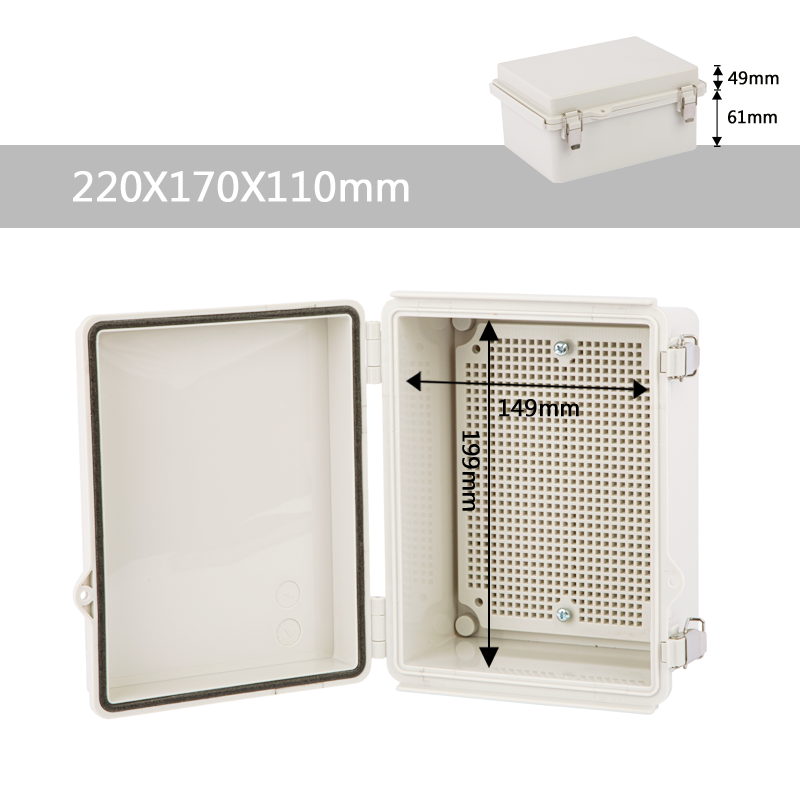
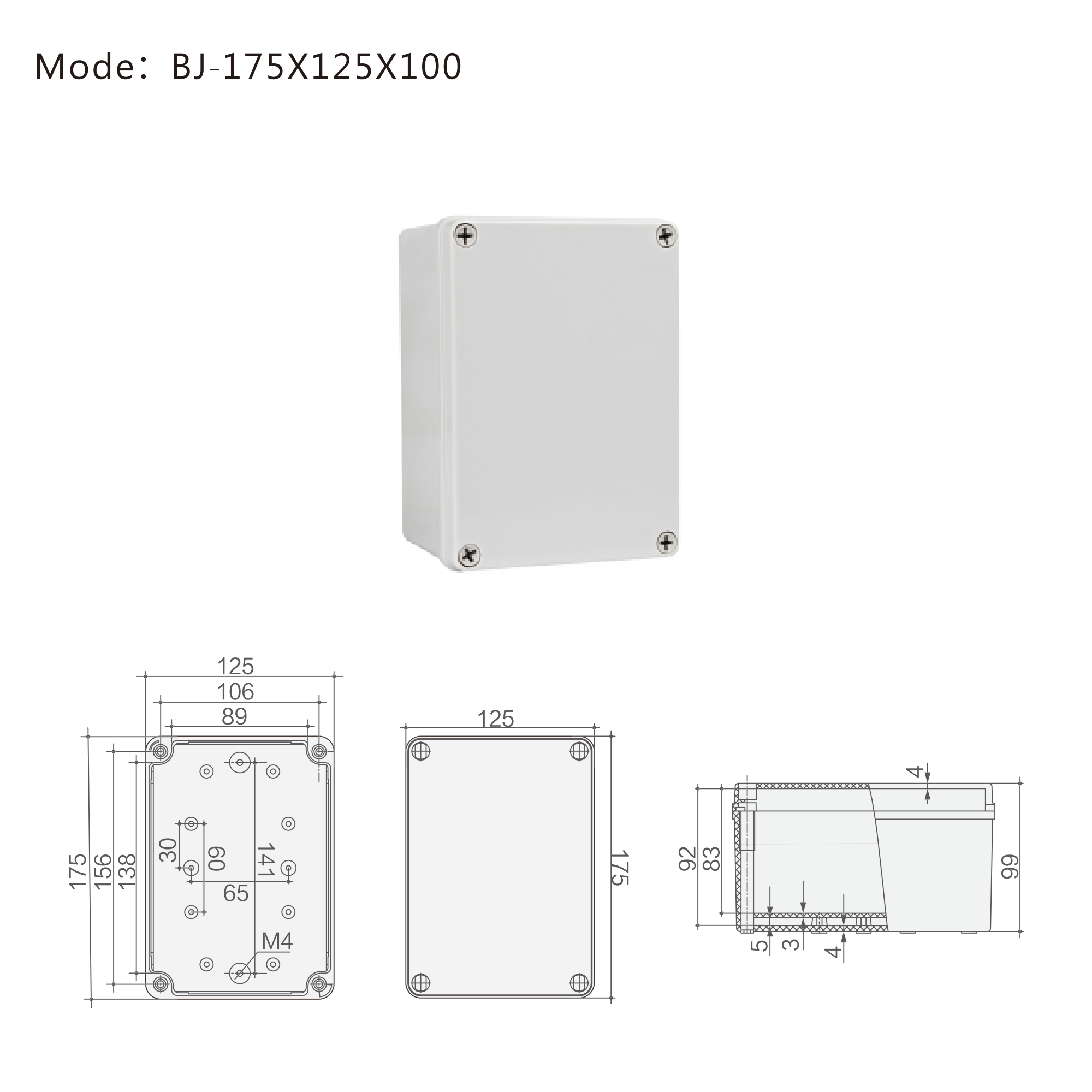
Ventilated Junction Enclosure Solutions - Advanced Thermal Management & Environmental Protection

Get a Free Quote

Our representative will contact you soon.
Email
Name
Company Name
Message
0/1000

ventilated junction enclosure

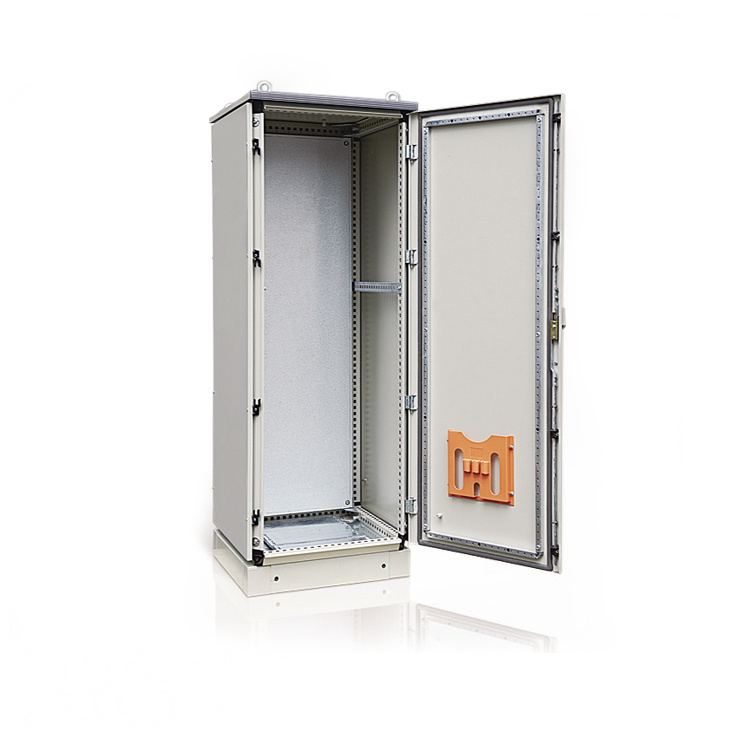
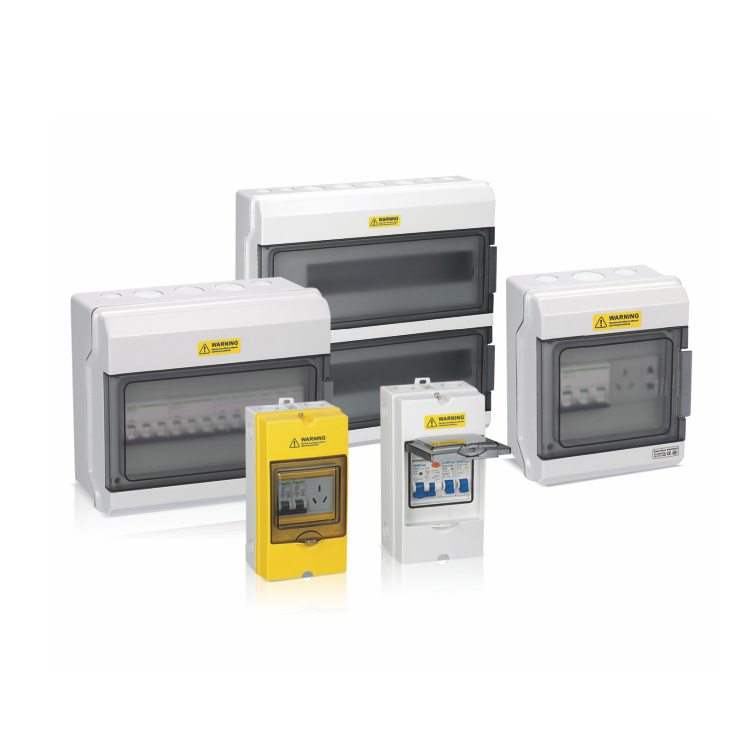
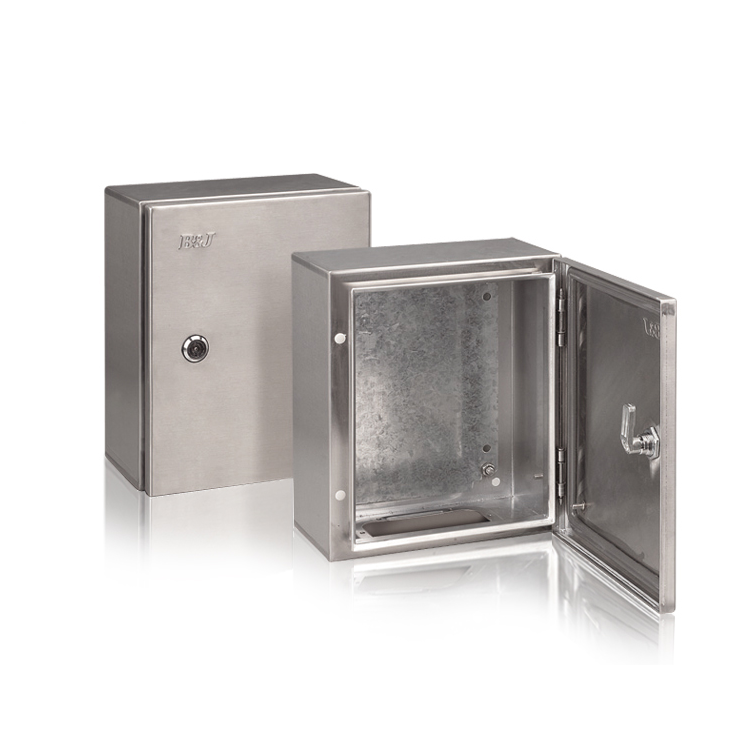
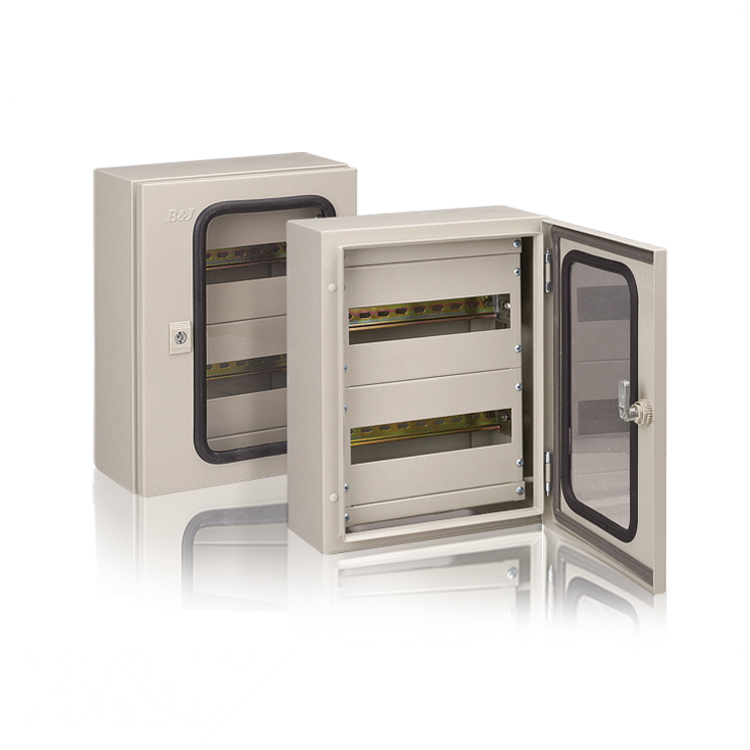
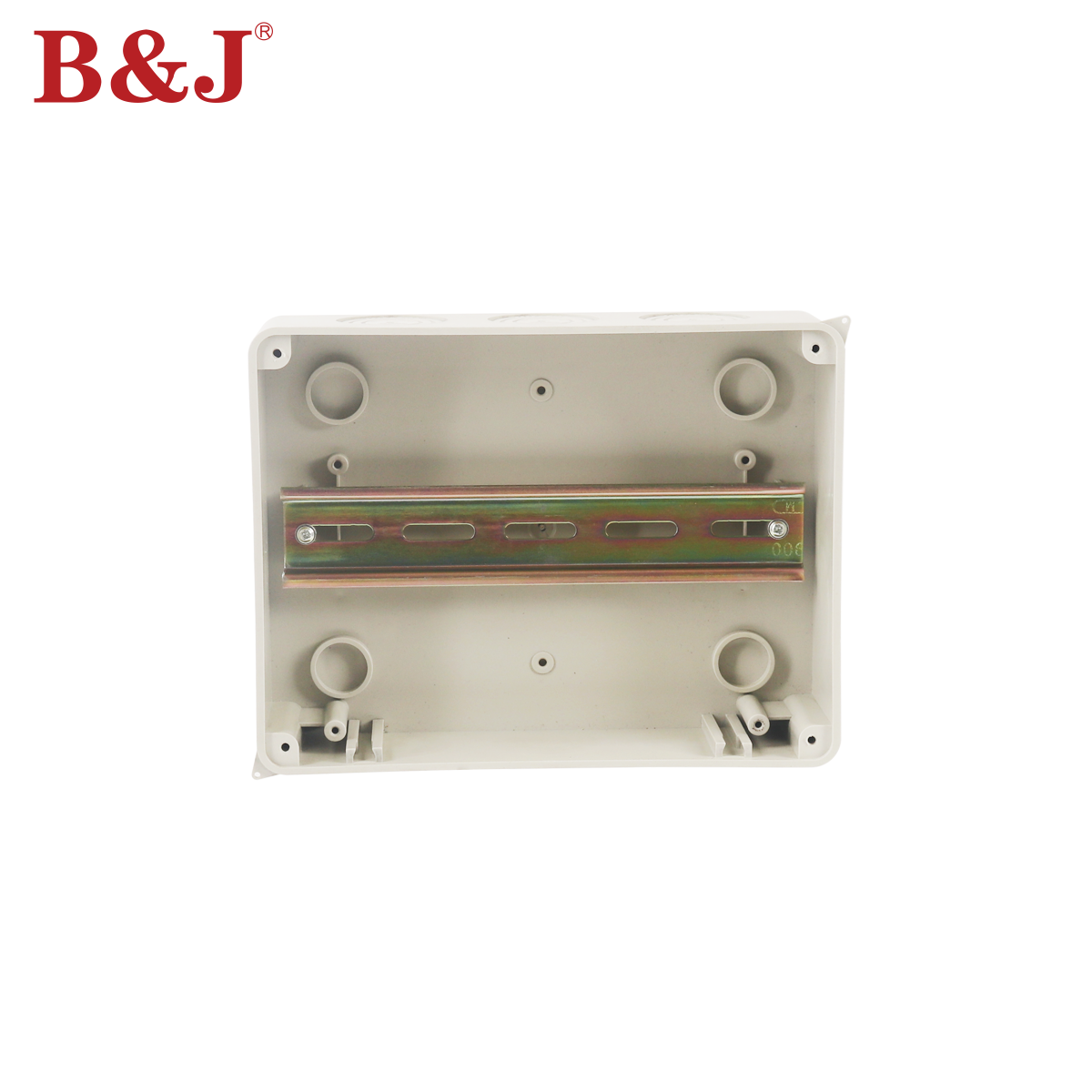
A ventilated junction enclosure represents a sophisticated electrical housing solution designed to protect critical connections while maintaining optimal operating temperatures through integrated airflow management. These specialized enclosures serve as protective barriers for electrical junctions, splices, and connection points in various industrial and commercial applications. The primary function of a ventilated junction enclosure centers on safeguarding electrical components from environmental hazards while preventing heat buildup that could compromise system performance. The ventilation system within these enclosures utilizes strategically positioned vents, louvers, or fans to promote continuous air circulation, effectively dissipating heat generated by electrical equipment. This thermal management capability distinguishes ventilated junction enclosures from standard sealed units, making them particularly valuable in high-temperature environments or applications involving heat-generating components. The technological features of modern ventilated junction enclosures include corrosion-resistant materials, weather-sealed ventilation systems, and modular designs that accommodate various installation requirements. Advanced models incorporate filtration systems to prevent dust and debris infiltration while maintaining airflow efficiency. These enclosures typically feature removable panels for easy maintenance access, cable management systems, and mounting provisions for different installation scenarios. The construction materials range from aluminum and stainless steel to specialized polymers, each selected based on environmental conditions and application requirements. Applications for ventilated junction enclosures span numerous industries, including telecommunications, power distribution, industrial automation, and renewable energy systems. They prove essential in outdoor installations where temperature fluctuations and weather exposure pose significant challenges. Solar installations frequently utilize these enclosures to house inverter connections and monitoring equipment, while telecommunications networks rely on them for junction protection in base stations and distribution points. Manufacturing facilities employ ventilated junction enclosures to protect motor control centers and process control connections in environments with elevated ambient temperatures.

Popular Products

The ventilated junction enclosure delivers exceptional thermal management capabilities that significantly extend the lifespan of electrical components and connections. Unlike sealed enclosures that trap heat and create potential failure points, these units actively promote air circulation to maintain optimal operating temperatures. This temperature control reduces thermal stress on sensitive electronics, preventing premature component degradation and costly system failures. Users benefit from reduced maintenance requirements and longer equipment lifecycles, translating directly into lower total cost of ownership and improved operational reliability. The enhanced accessibility features of ventilated junction enclosures streamline installation and maintenance procedures for technicians and engineers. These enclosures incorporate user-friendly designs with removable panels, organized cable management systems, and clear component layouts that simplify troubleshooting and repairs. The ventilation openings allow for easier visual inspection of internal components without requiring complete enclosure removal, saving valuable time during routine maintenance checks. This accessibility reduces downtime and labor costs while improving overall system serviceability. Environmental protection stands as another crucial advantage, as these enclosures shield sensitive electrical connections from moisture, dust, and corrosive elements while maintaining necessary airflow. The balanced approach between protection and ventilation ensures optimal performance in challenging outdoor conditions and industrial environments. Advanced sealing technologies prevent water ingress while allowing controlled air exchange, creating an ideal microenvironment for electrical components. Cost-effectiveness emerges through multiple pathways, including energy savings from improved thermal efficiency, reduced cooling requirements in surrounding areas, and decreased need for additional ventilation equipment. The preventive nature of proper thermal management eliminates expensive emergency repairs and unplanned shutdowns that can cost thousands in lost productivity. Installation flexibility provides significant value through modular designs that adapt to various mounting configurations and space constraints. These enclosures accommodate different installation scenarios, from wall mounting to floor standing configurations, making them suitable for retrofit projects and new construction alike. The standardized dimensions and connection interfaces simplify integration with existing systems while providing room for future expansion. Quality construction using durable materials ensures long-term performance even in harsh environmental conditions, providing excellent return on investment through extended service life and minimal replacement requirements.

Practical Tips

Top Industrial Distribution Box Brands to Consider in 2025

13

Mar

Top Industrial Distribution Box Brands to Consider in 2025

Top Industrial Distribution Box Brands to Consider in 2025 Industrial facilities require reliable and durable electrical infrastructure, and the distribution box is one of the most critical components of any power distribution system. From manufactu...
View More
Junction Enclosure vs. Junction Box: Key Differences Explained

24

Mar

Junction Enclosure vs. Junction Box: Key Differences Explained

When selecting protective electrical housing for industrial applications, understanding the distinction between a junction enclosure and a junction box becomes crucial for ensuring optimal performance and safety. While these terms are often used inte...
View More
EV Charging Station Junction Enclosure Solutions for 2025

24

Mar

EV Charging Station Junction Enclosure Solutions for 2025

The rapid expansion of electric vehicle infrastructure in 2025 demands specialized junction enclosure solutions that can withstand harsh environmental conditions while maintaining reliable electrical connections. As EV charging stations become more p...
View More
Are Plastic Enclosures Durable? 2025 New-Material Lab Report

23

Apr

Are Plastic Enclosures Durable? 2025 New-Material Lab Report

Modern industrial applications demand housing solutions that can withstand harsh environmental conditions while maintaining cost-effectiveness and design flexibility. The durability question surrounding plastic enclosure technology has become increas...
View More

Get a Free Quote

Our representative will contact you soon.
Email
Name
Company Name
Message
0/1000

ventilated junction enclosure

Advanced Thermal Management System

Advanced Thermal Management System

The sophisticated thermal management system within a ventilated junction enclosure represents a breakthrough in electrical equipment protection and performance optimization. This system operates on the principle of controlled airflow circulation, utilizing strategically positioned ventilation openings, internal baffles, and optional forced-air components to maintain ideal operating temperatures. The thermal management capabilities extend far beyond simple heat dissipation, creating a stable microclimate that prevents both overheating and condensation formation. The engineering behind these systems considers factors such as heat load distribution, ambient temperature variations, and humidity control to deliver consistent performance across diverse operating conditions. Professional-grade ventilated junction enclosures incorporate thermodynamic principles that maximize heat transfer efficiency while minimizing energy consumption. The ventilation design creates natural convection currents that continuously cycle fresh air through the enclosure, removing heat generated by transformers, switches, and electronic components. This passive cooling approach reduces dependence on external cooling systems and lowers overall energy costs. Advanced models feature temperature-activated ventilation controls that automatically adjust airflow based on internal conditions, ensuring optimal cooling precisely when needed. The thermal management system directly impacts component reliability and longevity, as excessive heat represents one of the primary causes of electrical equipment failure. By maintaining temperatures within manufacturer-specified ranges, these enclosures prevent thermal cycling stress that leads to connection loosening, insulation degradation, and component failure. The controlled environment also prevents moisture condensation that can cause short circuits and corrosion damage. Users experience significantly reduced maintenance requirements and extended equipment service life, often doubling or tripling the operational lifespan of sensitive electronic components. The value proposition becomes particularly compelling in high-temperature industrial environments, outdoor installations, and applications involving heat-generating equipment where traditional sealed enclosures would fail to provide adequate protection.
Superior Environmental Protection with Controlled Ventilation

Superior Environmental Protection with Controlled Ventilation

The environmental protection capabilities of a ventilated junction enclosure achieve an optimal balance between safeguarding electrical components and maintaining necessary airflow for thermal management. This sophisticated protection system addresses the fundamental challenge of keeping harmful elements out while allowing beneficial air circulation, creating a controlled environment that maximizes equipment performance and longevity. The protection framework encompasses multiple layers of defense, including weather-resistant housing materials, precision-engineered ventilation filters, and advanced sealing technologies that work in harmony to create an ideal operating environment. The outer shell construction utilizes corrosion-resistant materials such as marine-grade aluminum, stainless steel, or specialized polymer composites that withstand extreme weather conditions, UV exposure, and chemical environments. These materials resist degradation from salt spray, acid rain, and industrial pollutants that commonly damage standard electrical enclosures. The surface treatments and coatings provide additional protection layers, ensuring long-term durability and maintaining aesthetic appearance throughout the service life. The controlled ventilation system incorporates sophisticated filtration technologies that prevent dust, debris, and insects from entering the enclosure while maintaining optimal airflow rates. These filters utilize multi-stage designs that capture particles of various sizes without significantly restricting air movement. The filter systems require minimal maintenance and provide visual indicators for replacement scheduling, ensuring consistent protection levels. Advanced designs feature washable filter elements that reduce operating costs and environmental impact. Moisture management represents another critical aspect of environmental protection, as these enclosures prevent water ingress through multiple mechanisms while allowing humidity control through controlled air exchange. The ventilation system creates slight positive pressure that prevents moisture infiltration while specialized drainage systems handle any condensation that might form during temperature transitions. This comprehensive moisture control prevents corrosion, short circuits, and insulation breakdown that commonly plague sealed enclosures in humid environments. The protection system adapts to various environmental challenges, from desert heat and sandstorms to coastal salt spray and industrial chemical exposure, making ventilated junction enclosures suitable for the most demanding applications.

Flexible Installation and Maintenance Solutions

Flexible Installation and Maintenance Solutions

The installation and maintenance advantages of a ventilated junction enclosure provide significant value through innovative design features that simplify deployment, reduce labor costs, and streamline ongoing service requirements. These enclosures incorporate thoughtful engineering solutions that address real-world installation challenges while providing technicians with user-friendly access for maintenance and troubleshooting. The flexible mounting options accommodate diverse installation scenarios, from cramped equipment rooms to expansive outdoor installations, ensuring optimal placement regardless of space constraints or environmental conditions. The modular construction approach allows for customizable configurations that adapt to specific project requirements without requiring extensive modifications or special tooling. Universal mounting brackets and standardized connection interfaces ensure compatibility with existing infrastructure while providing options for future expansion or reconfiguration. The installation process benefits from pre-engineered cable entry systems that accommodate various conduit sizes and routing requirements. These systems feature removable knockouts, sealed cable glands, and organized internal routing channels that simplify wire management and reduce installation time. The thoughtful layout provides adequate working space for technicians while maintaining proper separation between high and low voltage circuits. Maintenance accessibility represents a cornerstone feature, with removable panels, hinged doors, and strategically positioned access points that enable comprehensive inspection and service without requiring complete enclosure removal. The internal organization systems include labeled connection points, color-coded wiring zones, and clear sight lines to critical components that facilitate rapid troubleshooting and repair procedures. Tool-free access panels and captive fasteners prevent hardware loss and reduce maintenance time. The service-friendly design extends to component replacement procedures, with standardized mounting systems and plug-in connections that enable rapid component swapping without extensive rewiring. Documentation systems integrated into the enclosure design provide quick reference to wiring diagrams, component specifications, and maintenance schedules. These features significantly reduce the skill level required for routine maintenance while improving service quality and reducing the likelihood of errors. The overall result delivers substantial cost savings through reduced installation time, lower maintenance labor requirements, and improved system reliability that minimizes emergency service calls and unplanned downtime.
Ventilated Junction Enclosure Solutions - Advanced Thermal Management & Environmental Protection

Get a Free Quote

Our representative will contact you soon.
Email
Name
Company Name
Message
0/1000