industrial junction enclosure
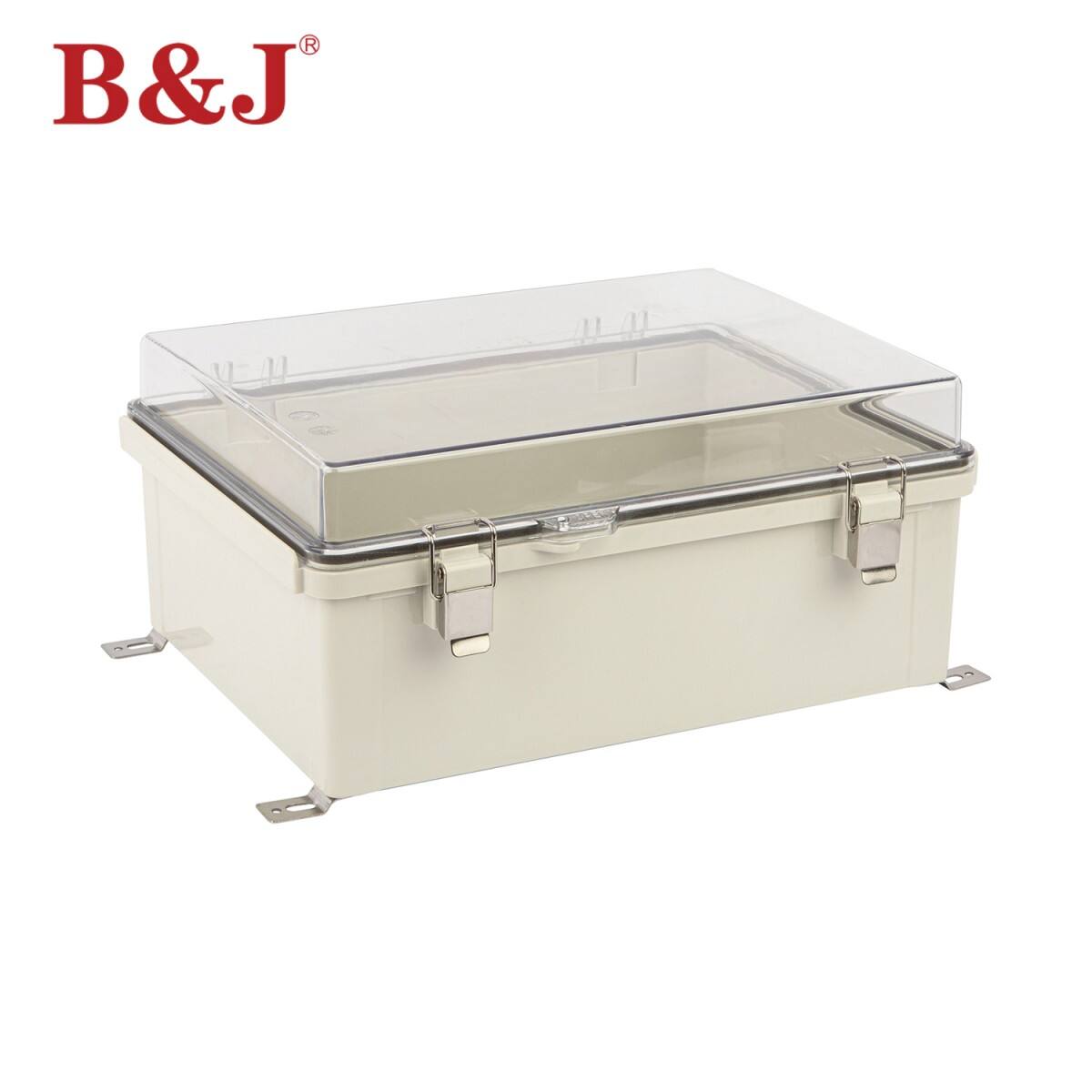
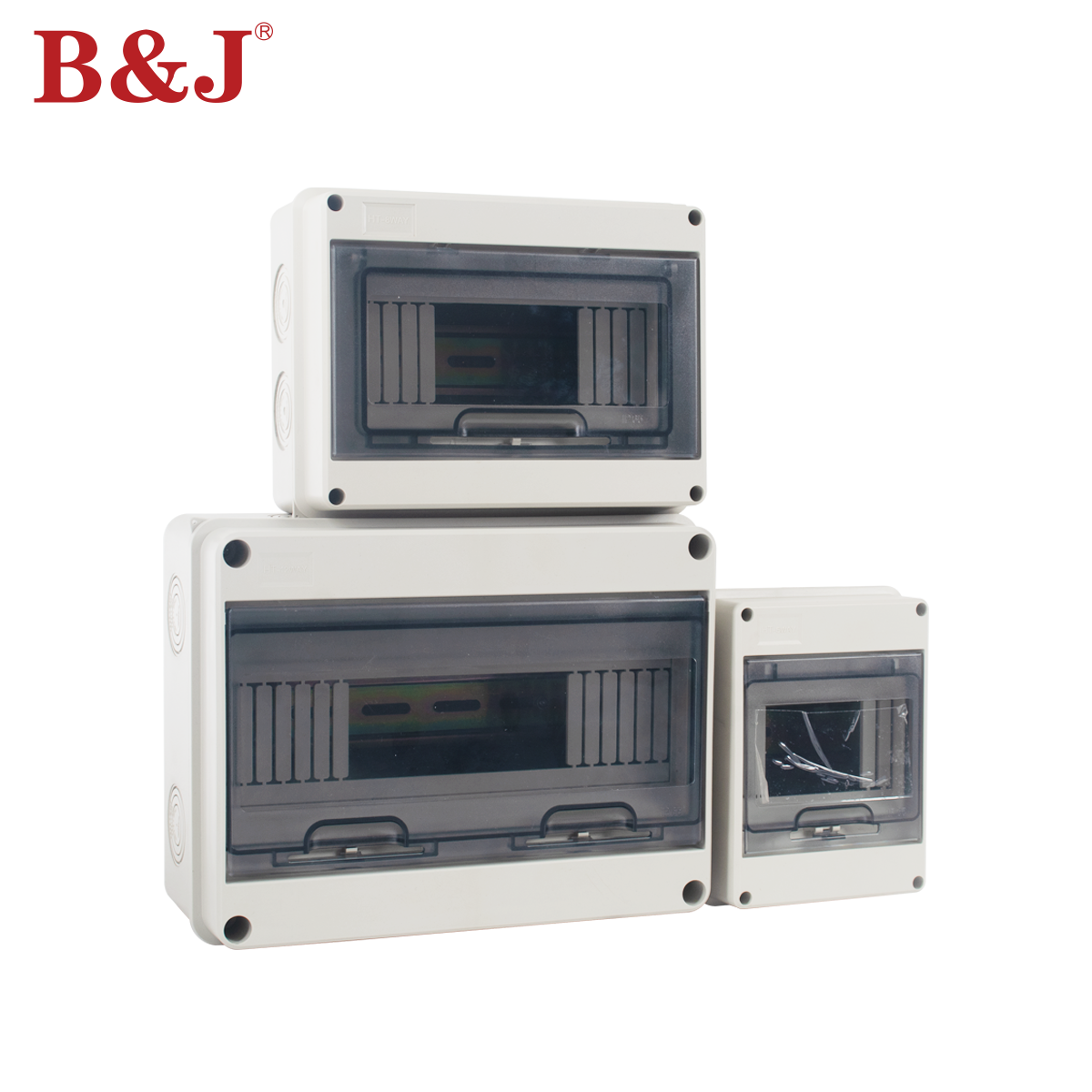
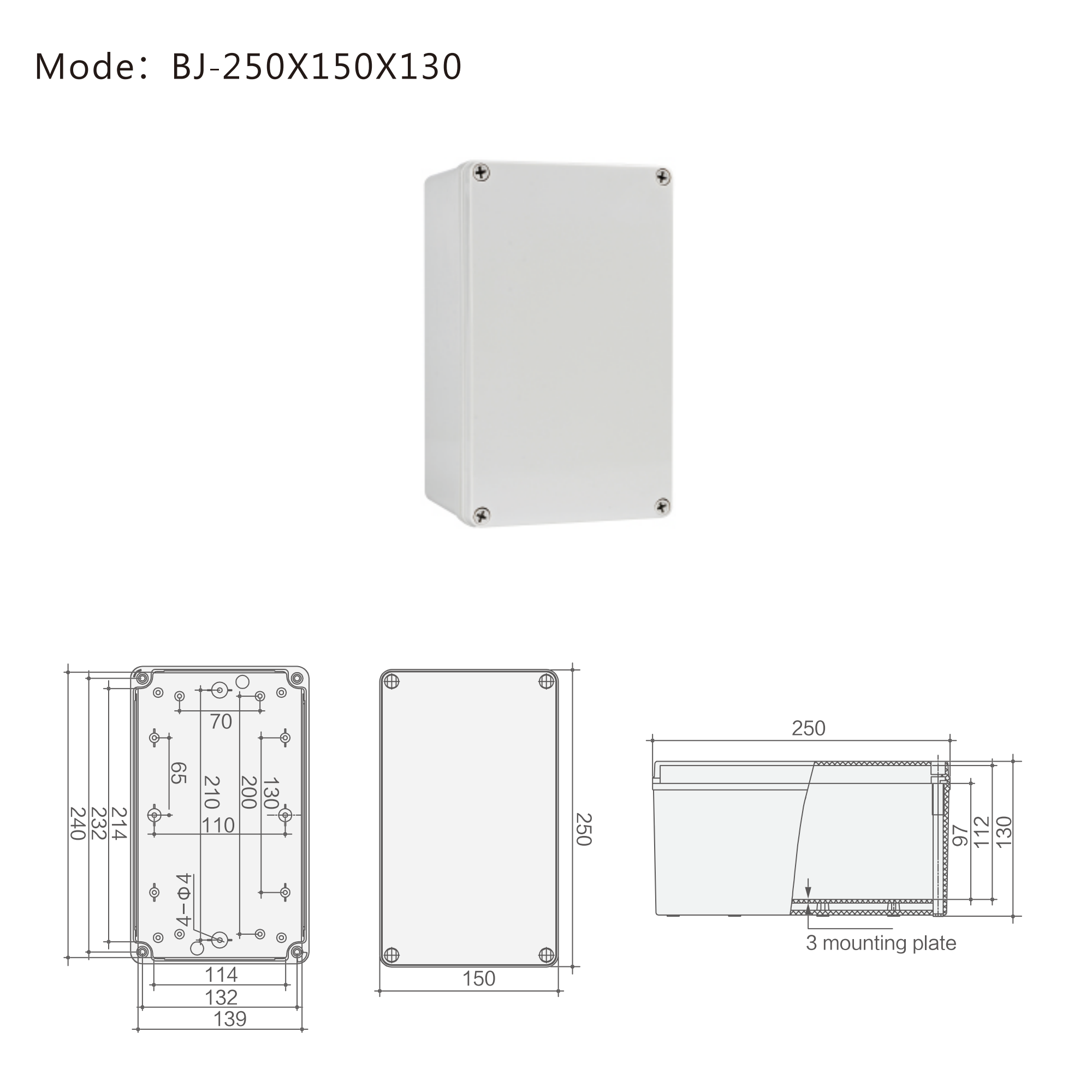
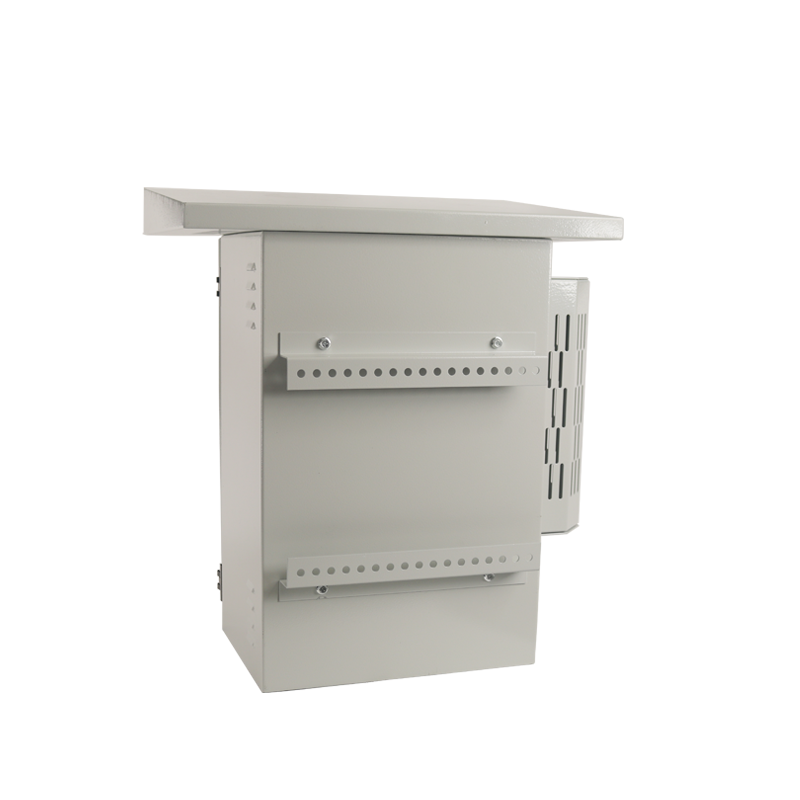
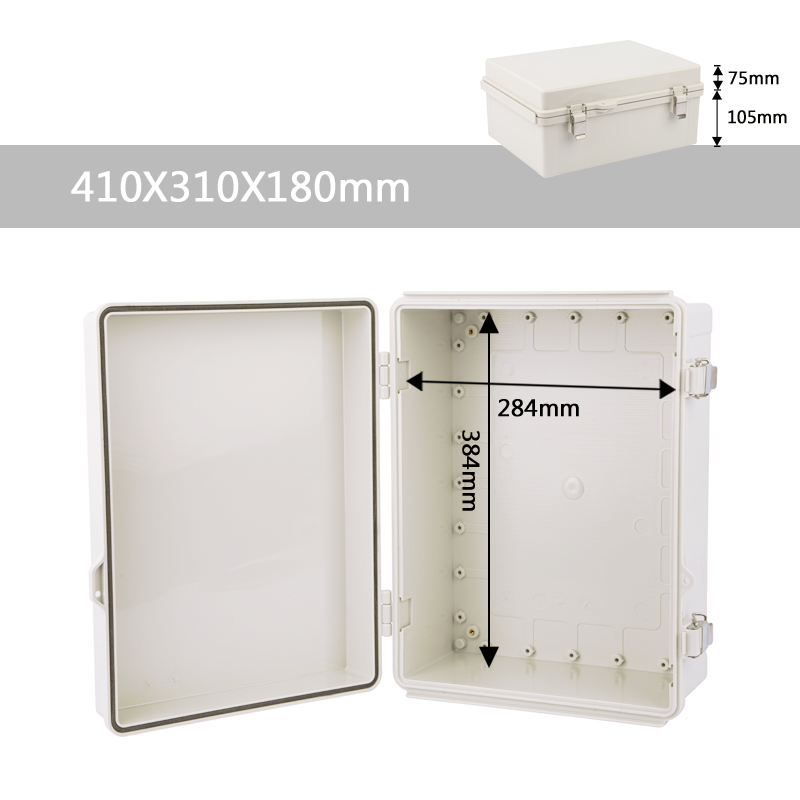
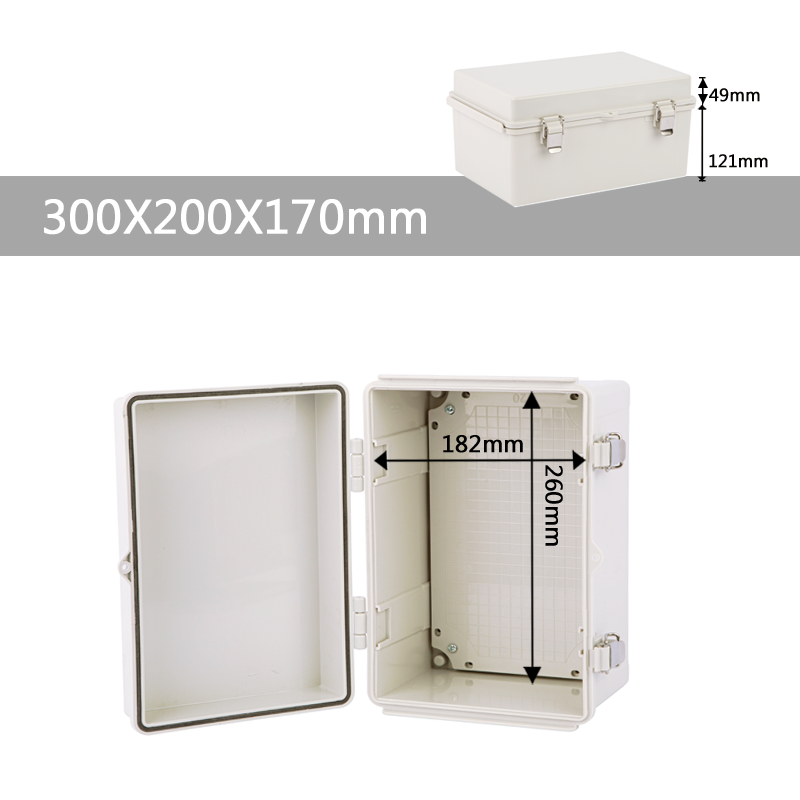
An industrial junction enclosure serves as a critical protective housing system designed to safeguard electrical connections and components in demanding industrial environments. These specialized enclosures provide secure containment for wire splices, cable connections, terminal blocks, and various electrical junction points that require protection from environmental hazards. The primary function of an industrial junction enclosure centers on creating a sealed barrier between sensitive electrical components and external threats such as moisture, dust, corrosive chemicals, extreme temperatures, and physical impact. Modern industrial junction enclosures incorporate advanced sealing technologies including gasket systems, threaded entries, and compression fittings that maintain consistent protection levels throughout their operational lifespan. These enclosures feature robust construction materials ranging from reinforced plastics to stainless steel and aluminum alloys, selected based on specific application requirements and environmental conditions. The technological features embedded within contemporary industrial junction enclosures include modular design elements that facilitate easy installation and maintenance procedures. Many units incorporate standardized mounting systems, pre-drilled cable entry points, and removable panels that streamline field installation processes. Advanced models integrate smart monitoring capabilities, allowing remote assessment of internal conditions and connection integrity. The applications for industrial junction enclosures span across numerous sectors including manufacturing facilities, chemical processing plants, oil and gas operations, water treatment facilities, and outdoor infrastructure projects. These enclosures prove essential in environments where electrical connections face continuous exposure to harsh conditions that could compromise system reliability and safety. The versatility of industrial junction enclosures enables their deployment in both indoor and outdoor settings, with specialized variants designed for hazardous locations requiring explosion-proof characteristics or enhanced fire resistance ratings.
 EN
EN