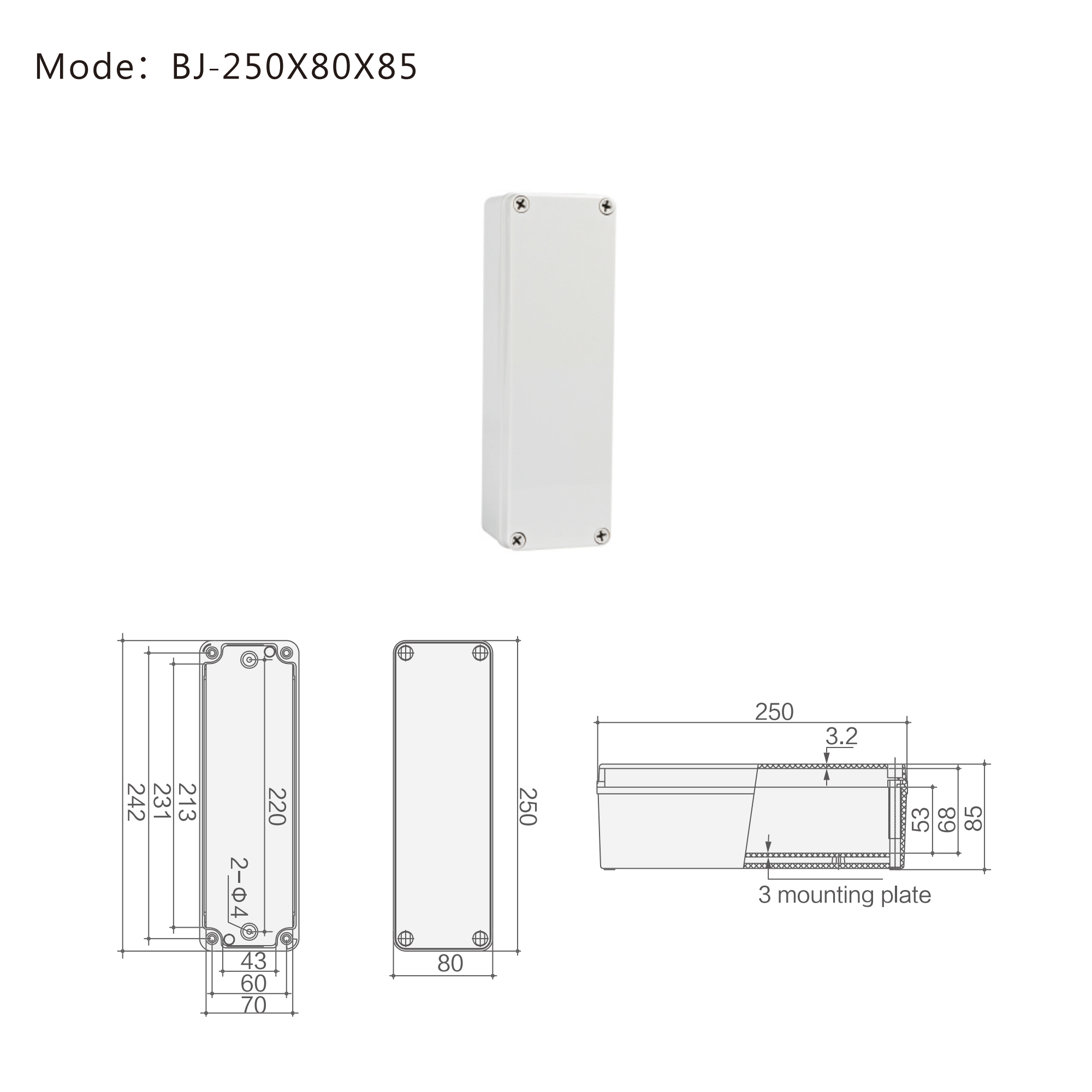
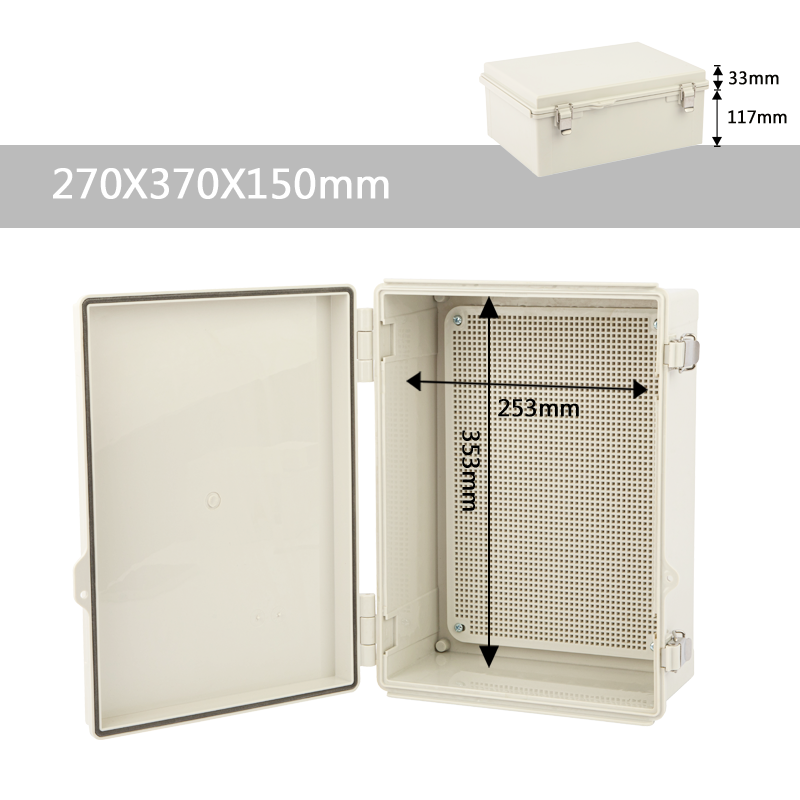
wall mount junction enclosure
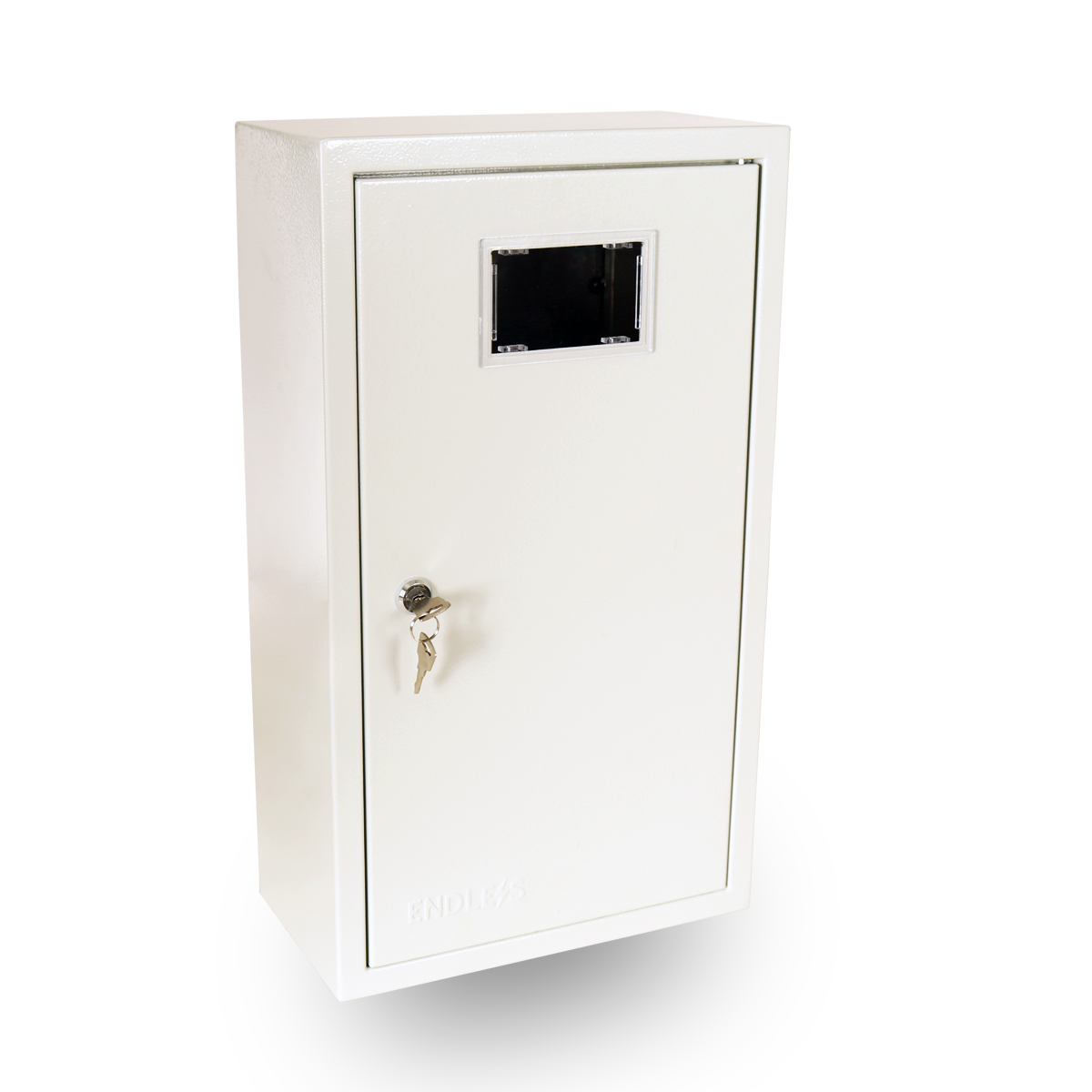
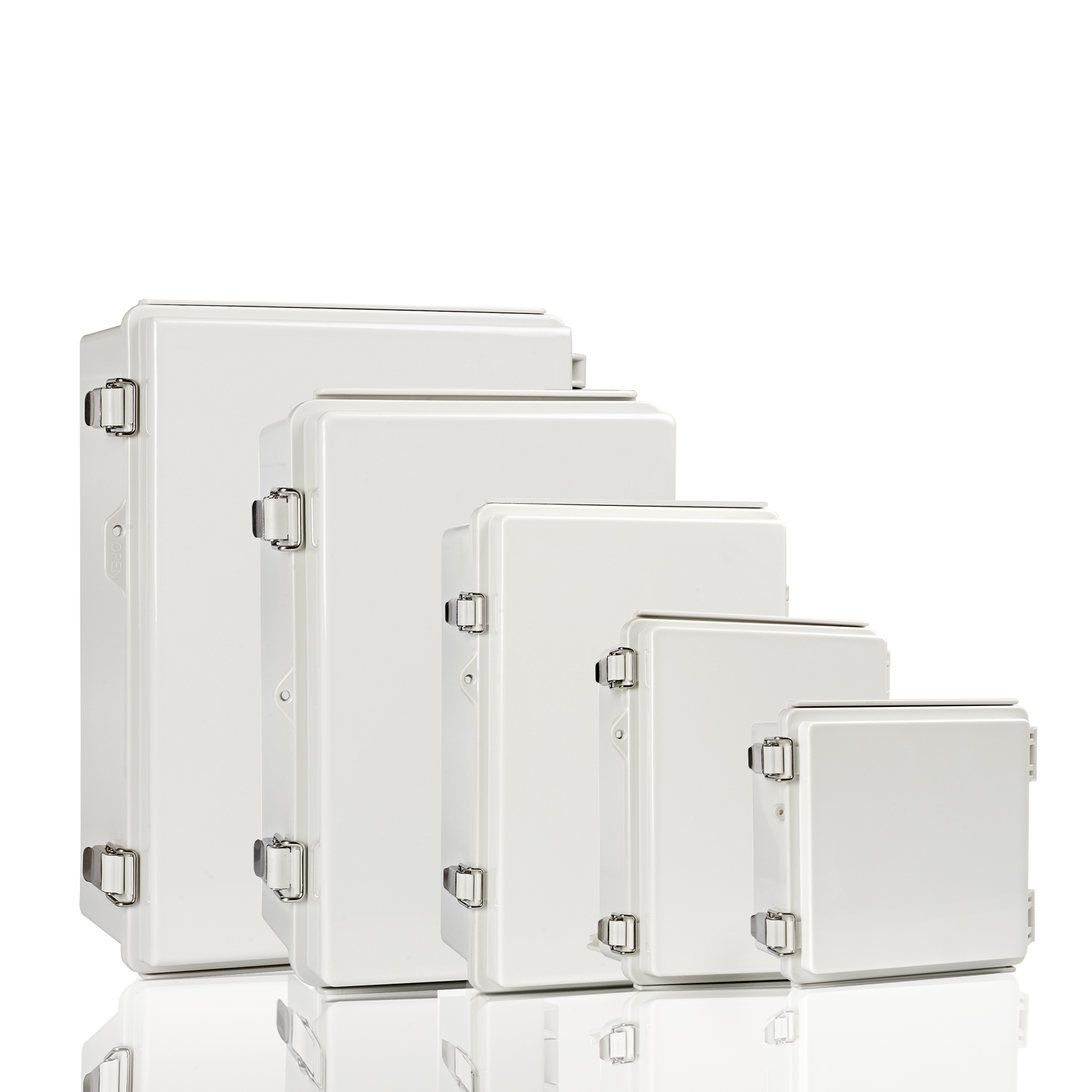
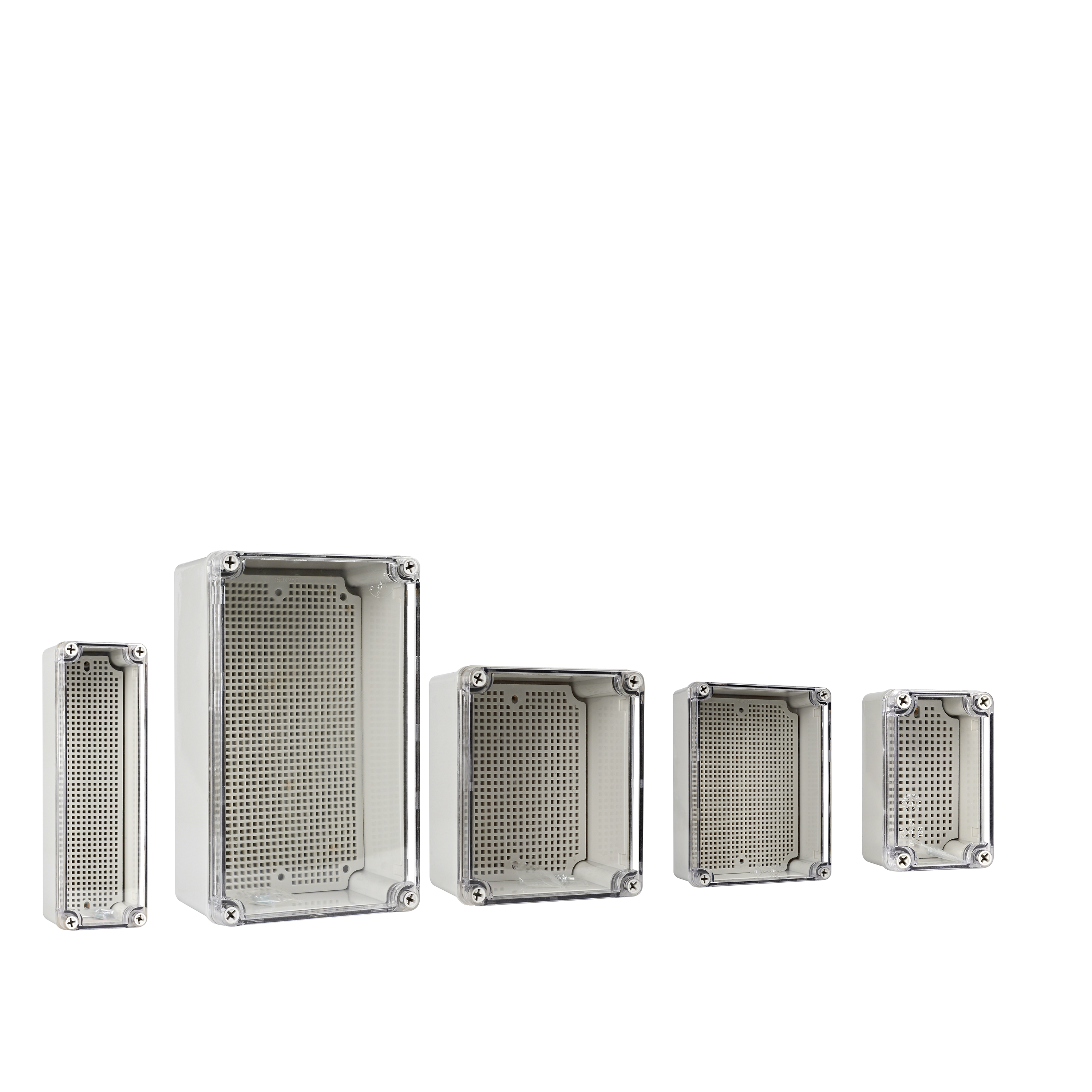
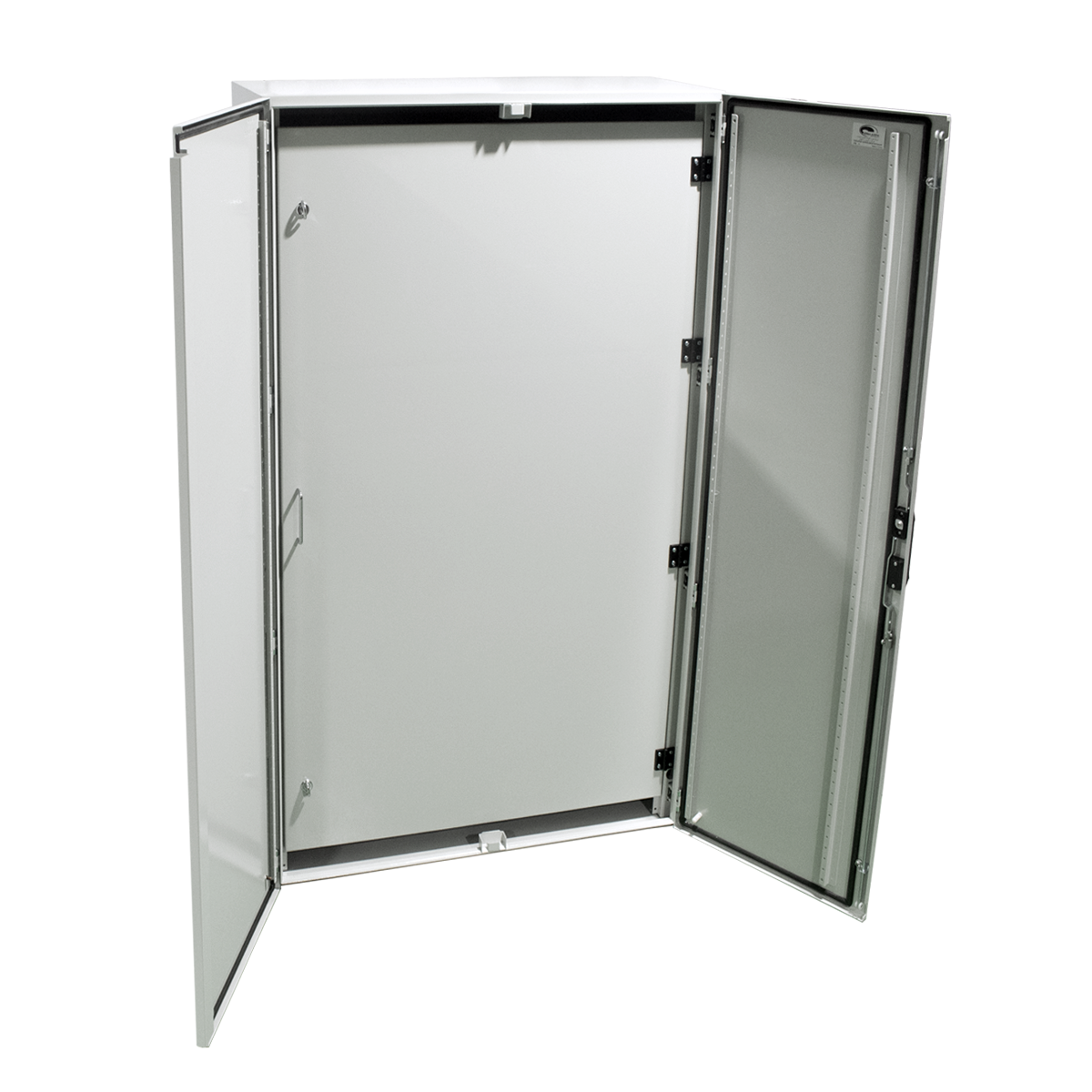
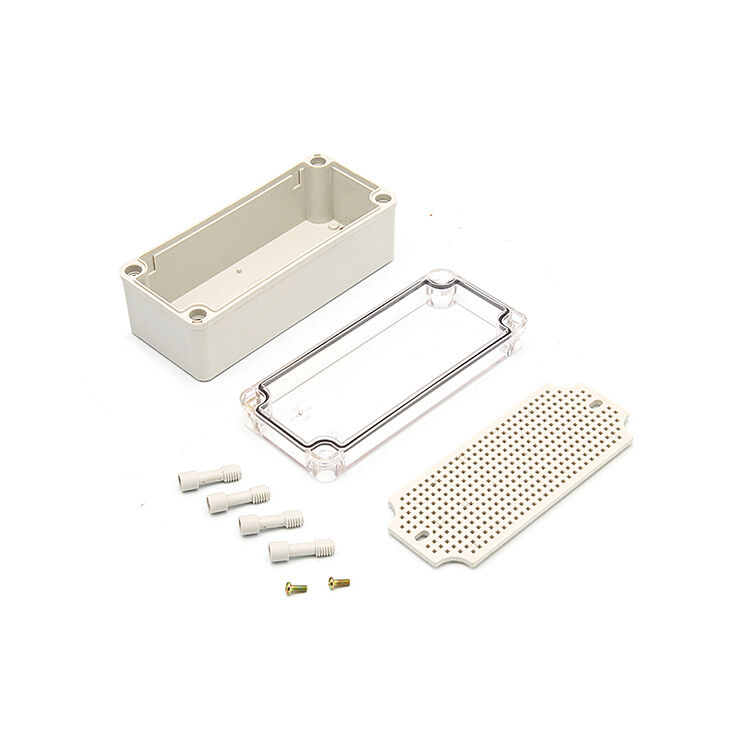
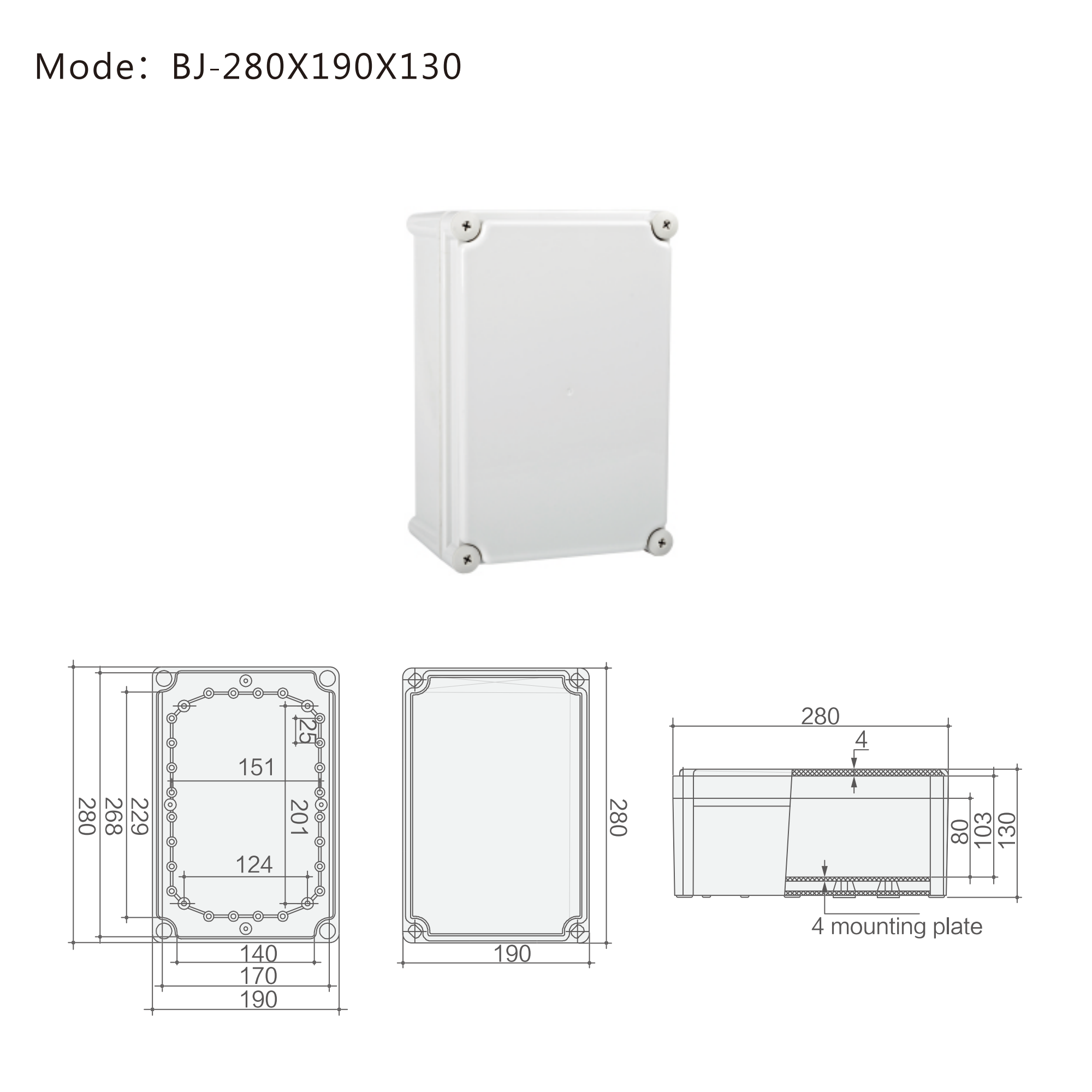
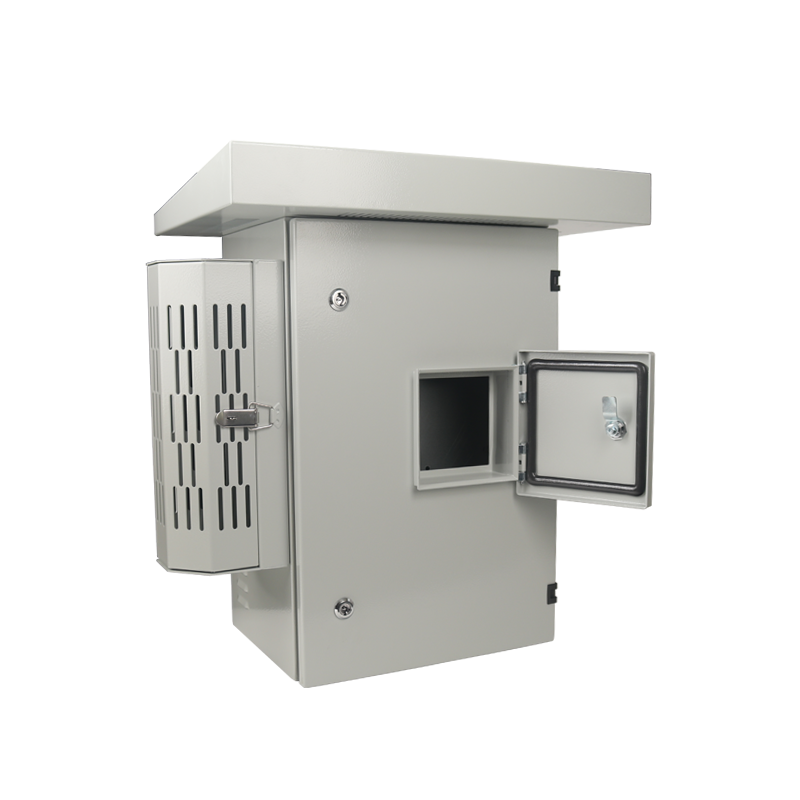
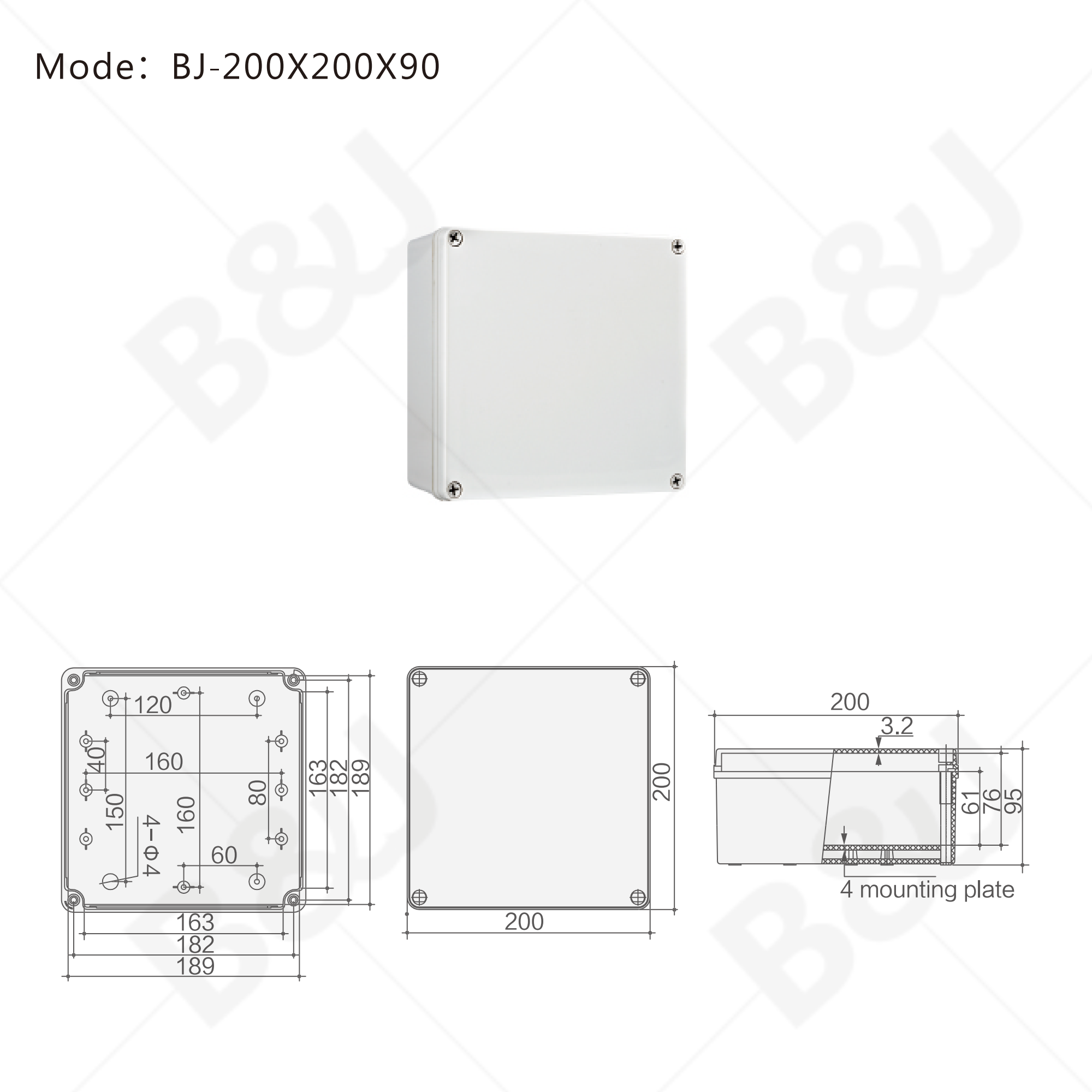
A wall mount junction enclosure serves as a critical protective housing designed to safeguard electrical connections, wiring, and components in various industrial and commercial applications. This specialized enclosure mounts directly onto walls, providing secure access to electrical junction points while protecting internal components from environmental hazards such as moisture, dust, debris, and potential tampering. The wall mount junction enclosure features robust construction materials, typically manufactured from high-grade steel, aluminum, or engineered plastics that ensure long-lasting durability and reliable performance in demanding environments. These enclosures incorporate advanced sealing technologies, including gasket systems and weatherproof designs that maintain IP ratings suitable for both indoor and outdoor installations. The primary function of a wall mount junction enclosure involves creating a controlled environment for electrical connections, terminal blocks, circuit breakers, relays, and other essential components. Modern designs integrate innovative ventilation systems that prevent condensation buildup while maintaining optimal operating temperatures for sensitive electronic equipment. The wall mount junction enclosure typically features hinged doors with secure locking mechanisms, enabling authorized personnel to perform maintenance tasks while preventing unauthorized access. Internal mounting rails and panel systems allow for flexible component arrangement and easy modification as system requirements evolve. Advanced models incorporate cable management features, including strain relief connectors, cable glands, and organized entry points that facilitate professional installation practices. The technological features of contemporary wall mount junction enclosures include corrosion-resistant coatings, electromagnetic interference shielding, and modular designs that accommodate various sizes and configurations. These enclosures support diverse applications across telecommunications, power distribution, industrial automation, building management systems, and renewable energy installations, making them indispensable components in modern electrical infrastructure projects.
 EN
EN