industrial panel board
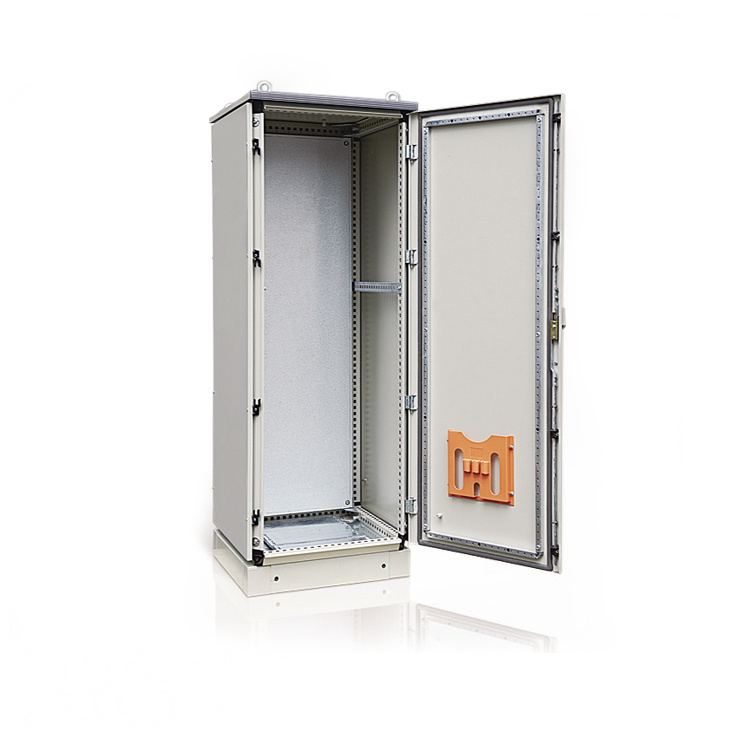
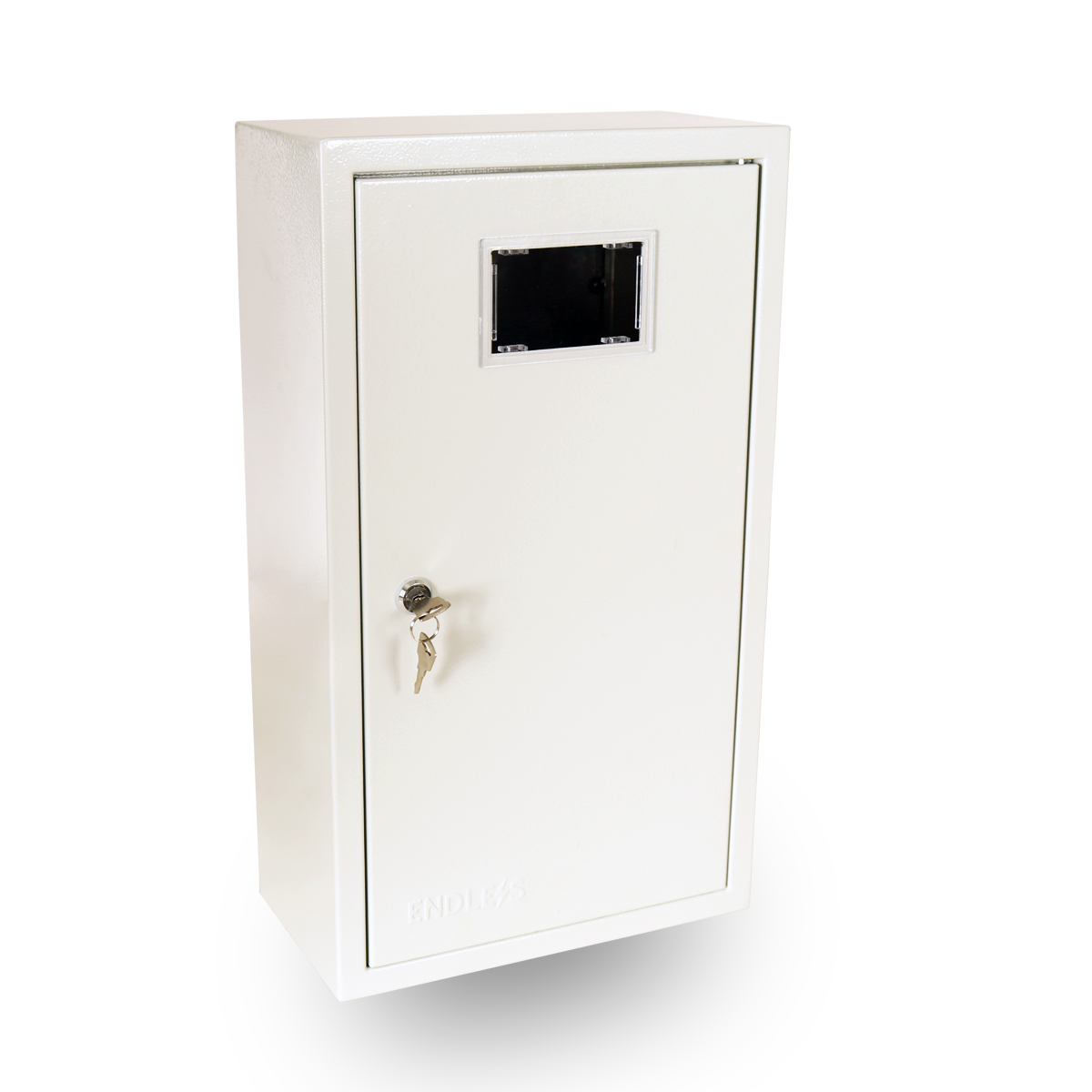
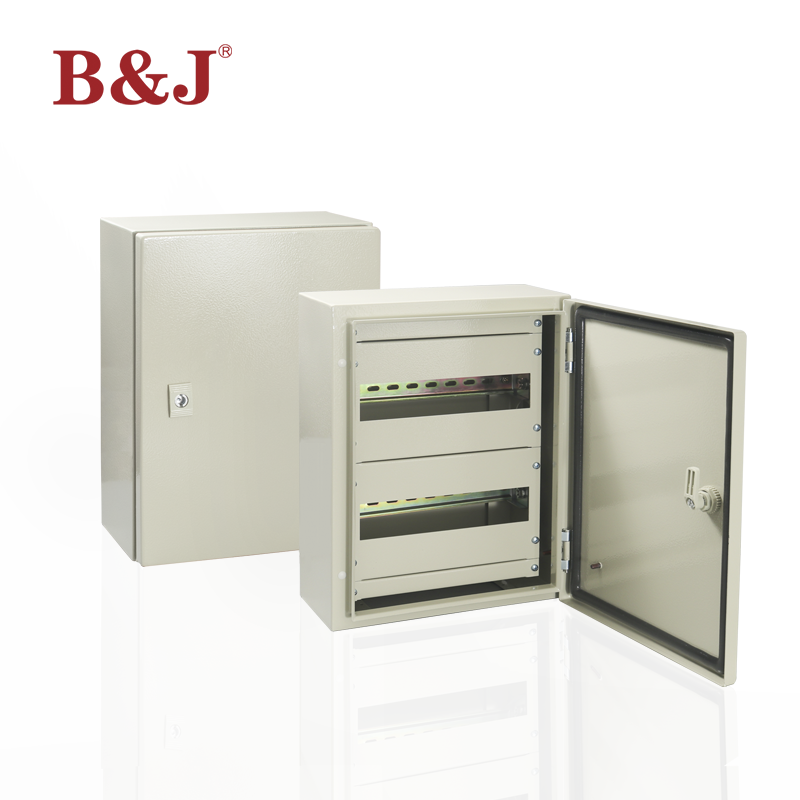
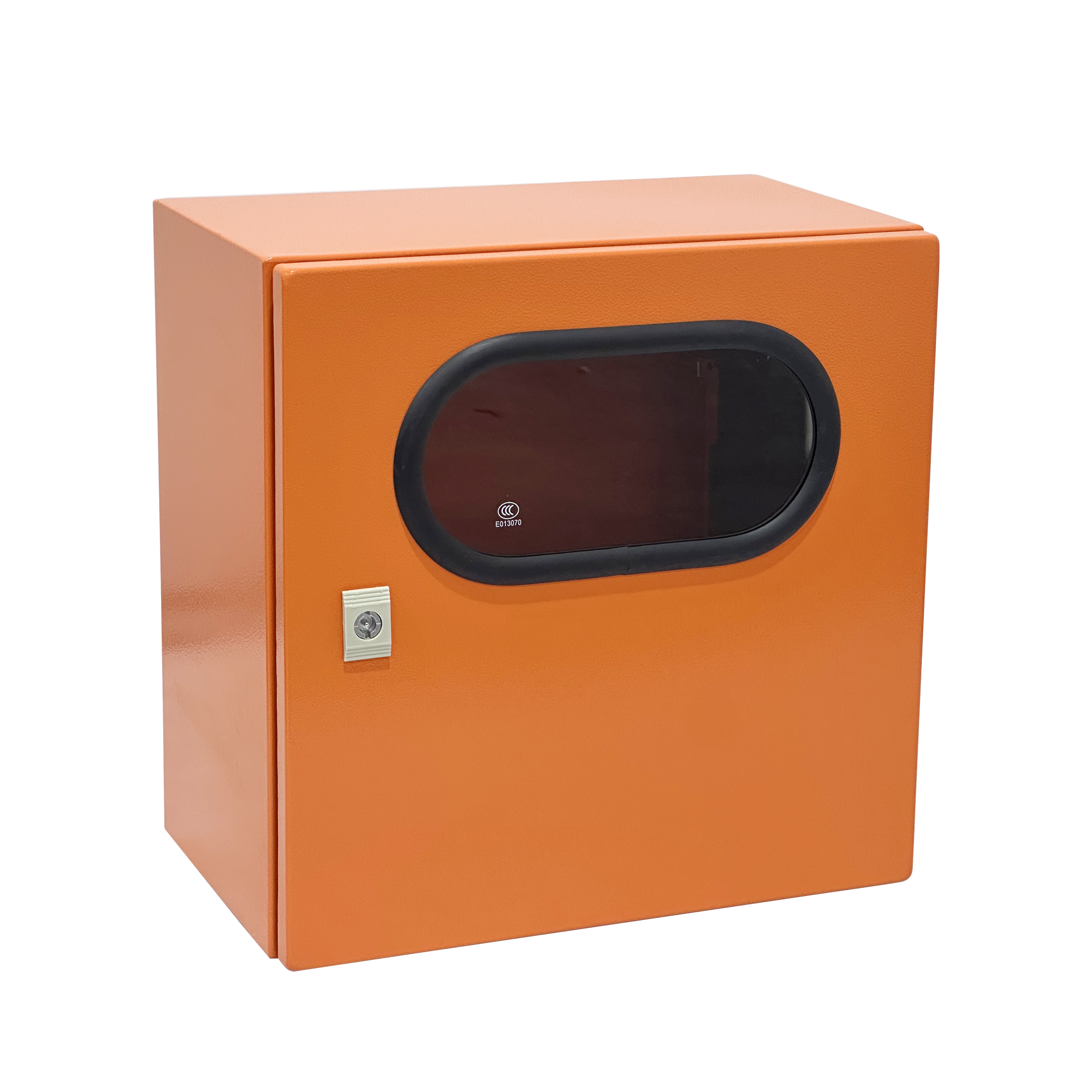
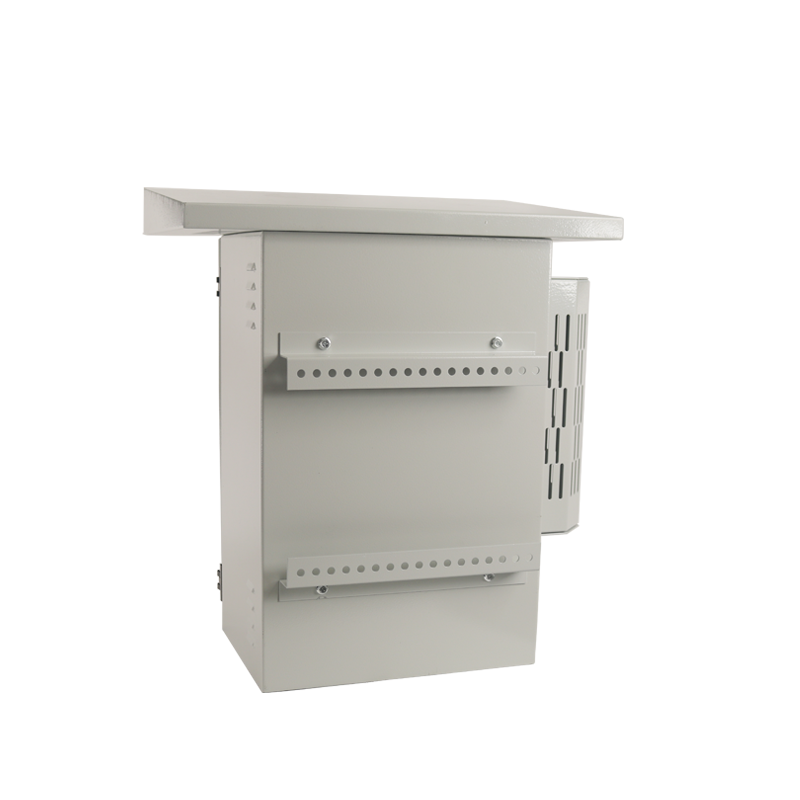
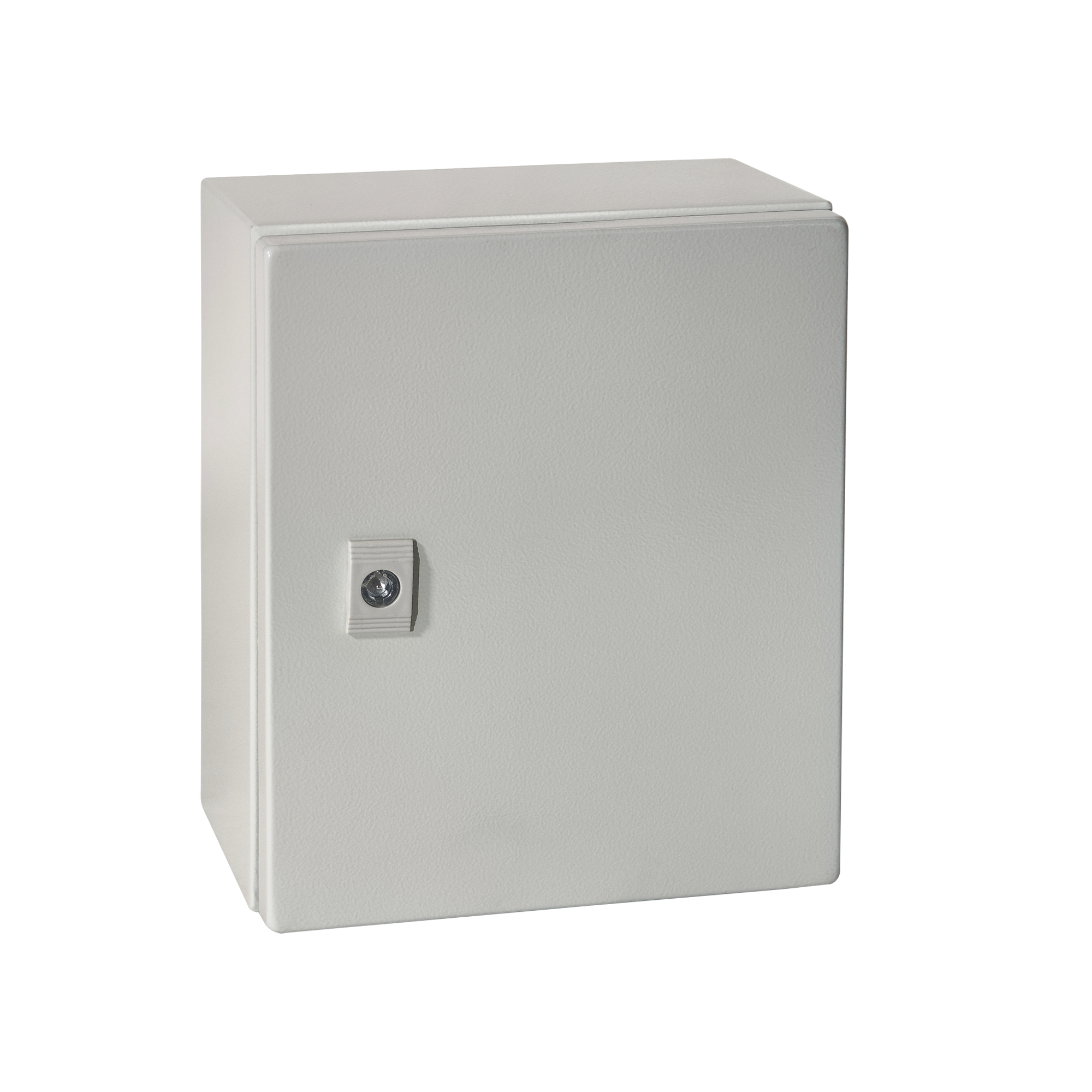
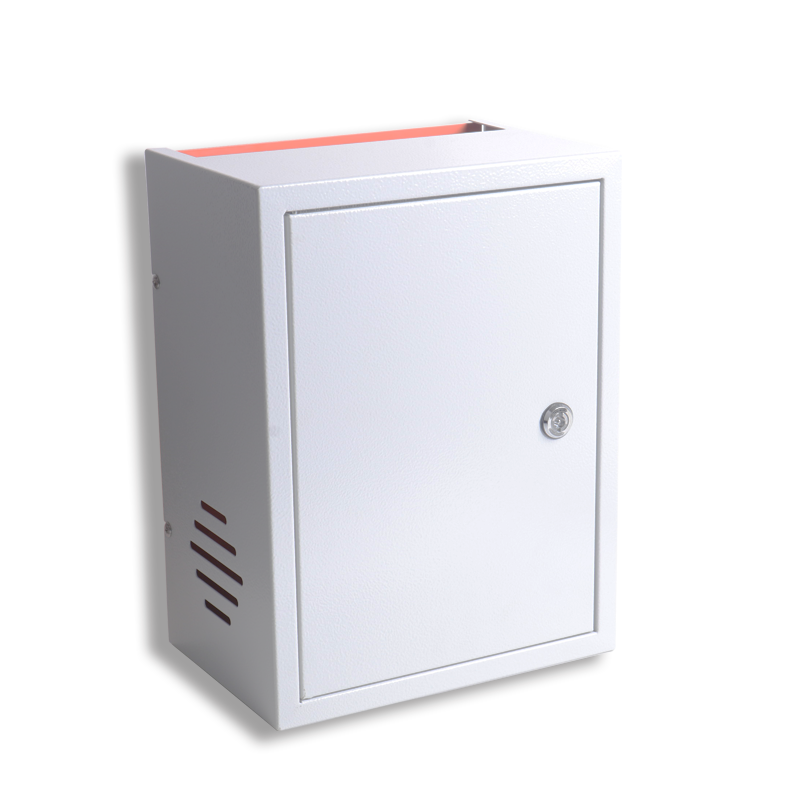
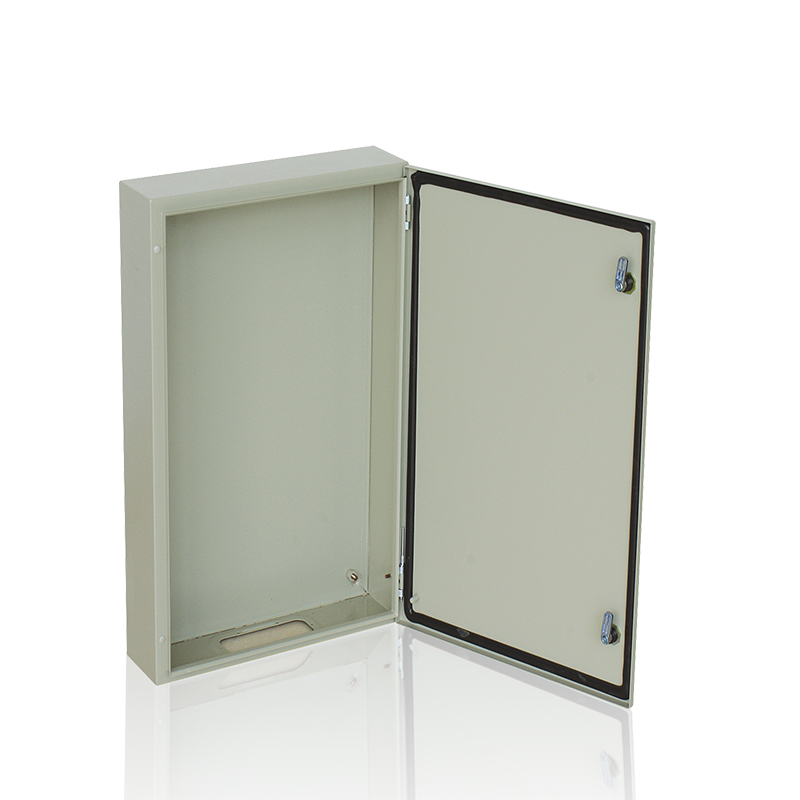
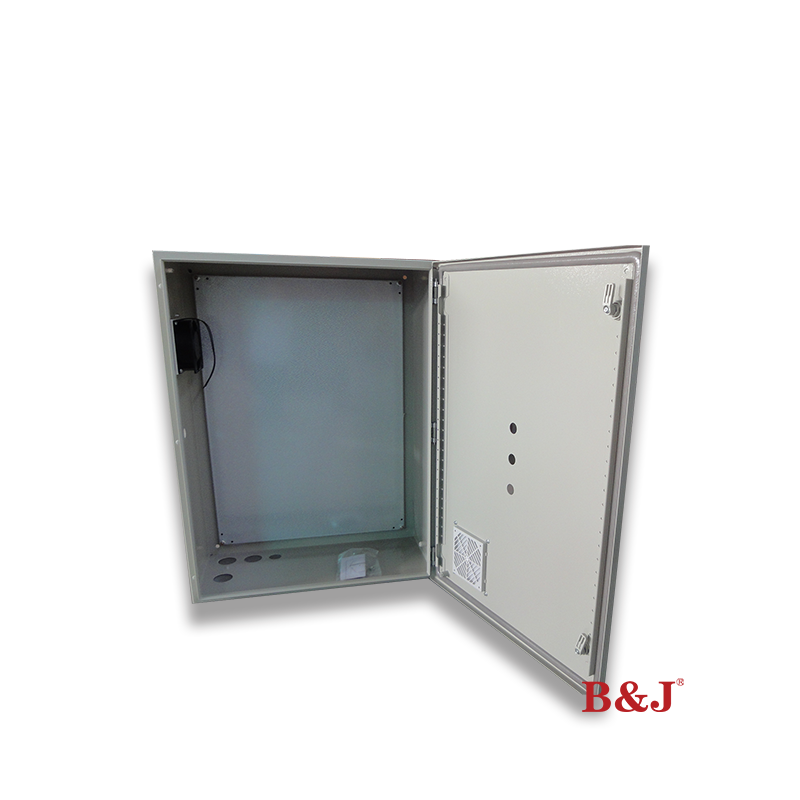
Industrial panel board represents a critical electrical distribution component designed to manage, control, and protect electrical circuits in manufacturing environments. This sophisticated equipment serves as the central hub for electrical power distribution within factories, processing plants, and heavy-duty commercial facilities. The industrial panel board functions by receiving electrical power from main supply lines and distributing it safely to various machinery, equipment, and lighting systems throughout the facility. The core structure incorporates multiple circuit breakers, switches, meters, and protective devices housed within a robust enclosure that withstands harsh industrial conditions. Modern industrial panel board systems feature advanced monitoring capabilities that track electrical consumption, detect faults, and provide real-time operational data to facility managers. These units typically accommodate voltage ranges from 480V to 13.8kV, making them suitable for diverse industrial applications. The technological framework includes digital relays, programmable logic controllers, and communication interfaces that enable remote monitoring and control functionality. Safety mechanisms built into every industrial panel board include arc fault protection, ground fault detection, and emergency shutdown capabilities. The modular design allows for easy expansion and modification as facility requirements change. Installation typically involves mounting the panel board in designated electrical rooms with proper ventilation and accessibility for maintenance personnel. The integrated metering systems provide detailed analytics on power usage patterns, helping facilities optimize energy consumption and reduce operational costs. Quality industrial panel board units undergo rigorous testing procedures to ensure compliance with electrical standards and safety regulations. The construction materials resist corrosion, vibration, and temperature fluctuations common in industrial environments. Advanced models incorporate smart grid connectivity features that facilitate integration with building management systems and energy optimization platforms.
 EN
EN