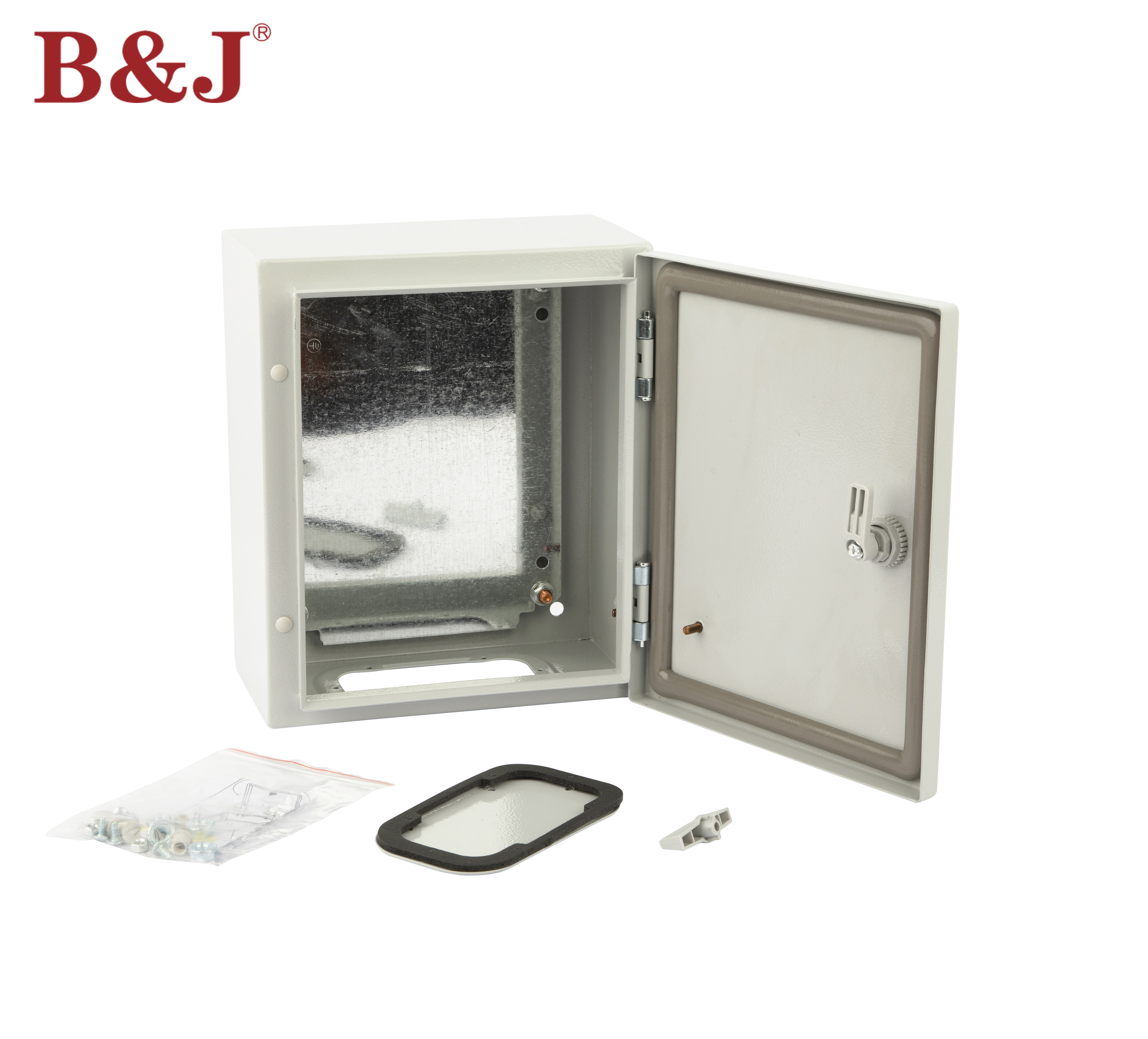
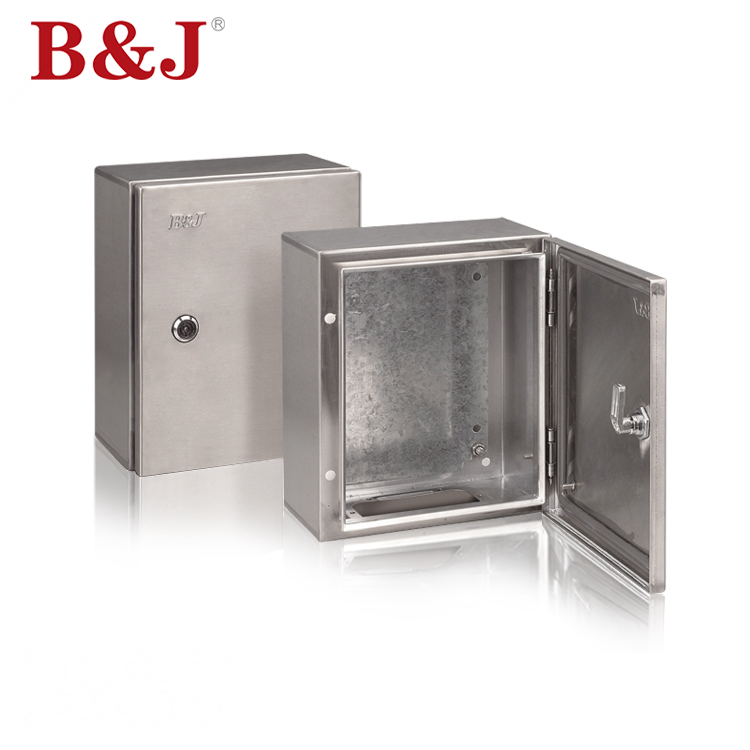
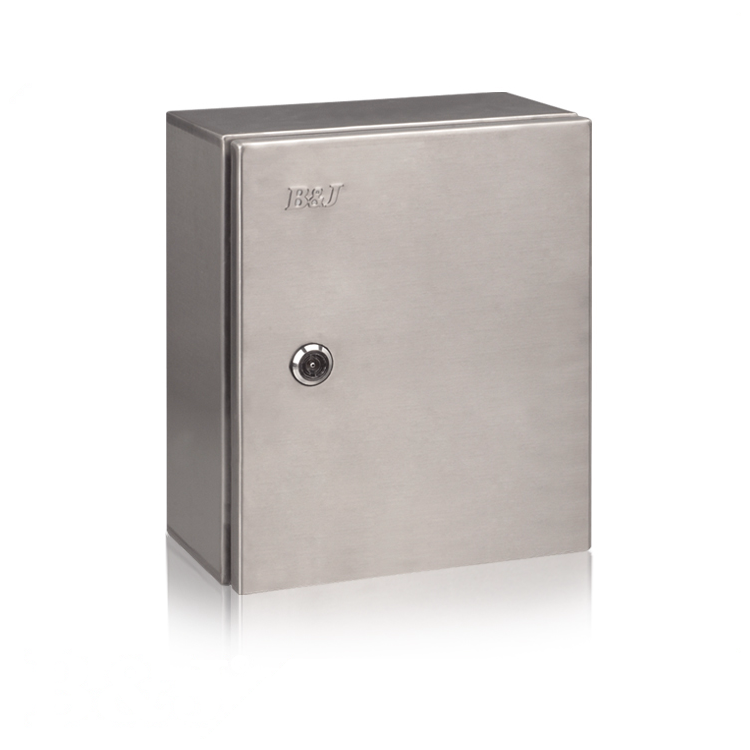
stainless steel outdoor enclosure
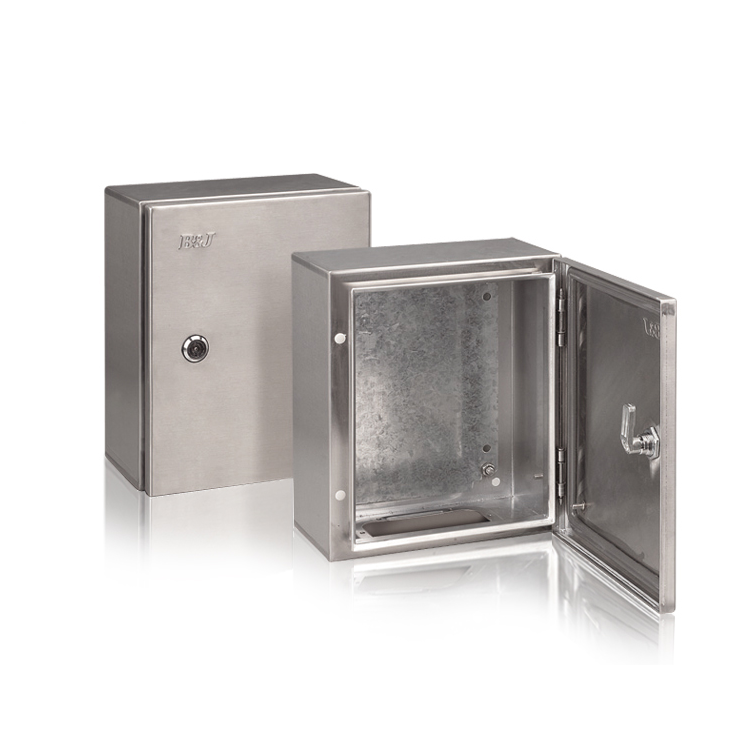
The stainless steel outdoor enclosure represents a pinnacle of engineering excellence designed to protect sensitive electronic equipment and industrial components in challenging outdoor environments. These robust protective housings combine superior material properties with advanced manufacturing techniques to deliver unmatched reliability and longevity. Constructed from high-grade stainless steel alloys, typically 304 or 316 series, these enclosures provide exceptional resistance to corrosion, extreme temperatures, moisture, dust, and various environmental contaminants that can compromise equipment performance. The main functions of a stainless steel outdoor enclosure encompass comprehensive protection against harsh weather conditions, electromagnetic interference, physical impacts, and unauthorized access. These enclosures maintain optimal internal conditions for electronic components through sophisticated sealing systems, thermal management features, and pressure equalization mechanisms. Technological features include precision-welded seams, reinforced mounting points, advanced gasket systems, and optional climate control integration. The enclosures often incorporate cable management systems, grounding provisions, and modular internal configurations to accommodate diverse equipment requirements. Applications span telecommunications infrastructure, industrial automation systems, renewable energy installations, transportation networks, and security systems. In telecommunications, stainless steel outdoor enclosures house critical equipment such as base stations, fiber optic connections, and network switches that require continuous operation regardless of environmental conditions. Industrial applications include protecting control panels, monitoring systems, and process equipment in chemical plants, oil refineries, and manufacturing facilities where corrosive substances pose constant threats. The renewable energy sector relies heavily on these enclosures to safeguard inverters, monitoring equipment, and control systems in solar farms and wind installations where exposure to extreme weather is inevitable. Transportation infrastructure utilizes these protective housings for traffic management systems, railway signaling equipment, and highway monitoring devices that must operate reliably in all weather conditions throughout their operational lifespan.
 EN
EN