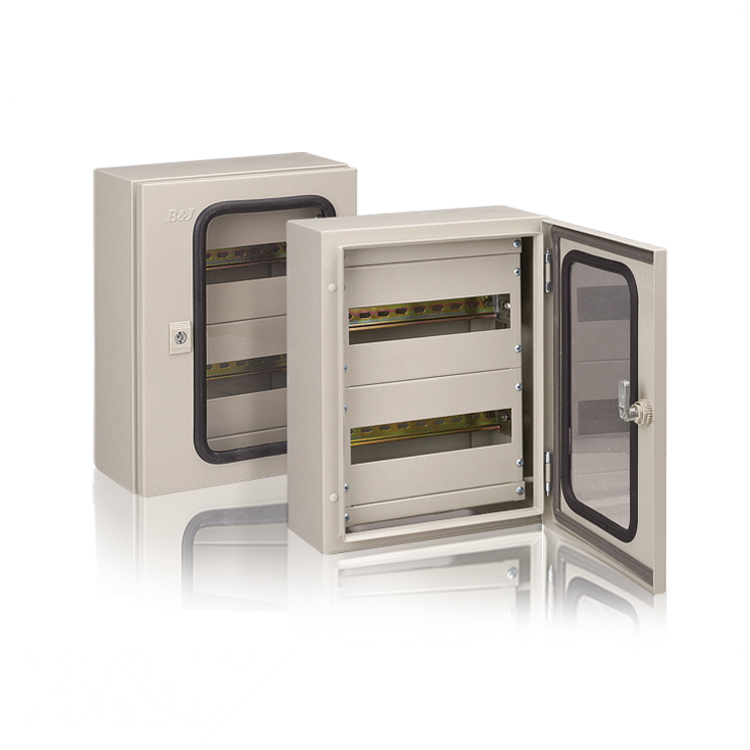
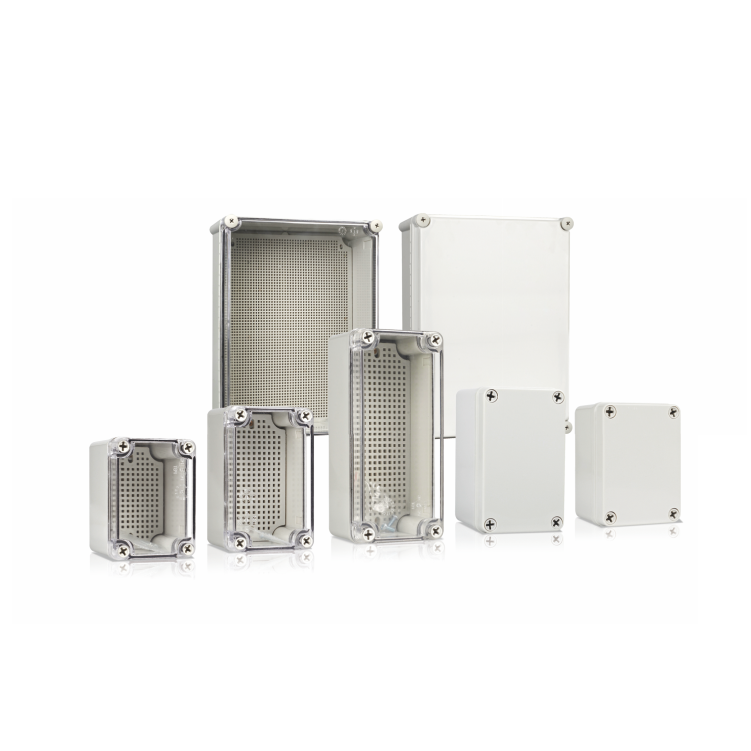
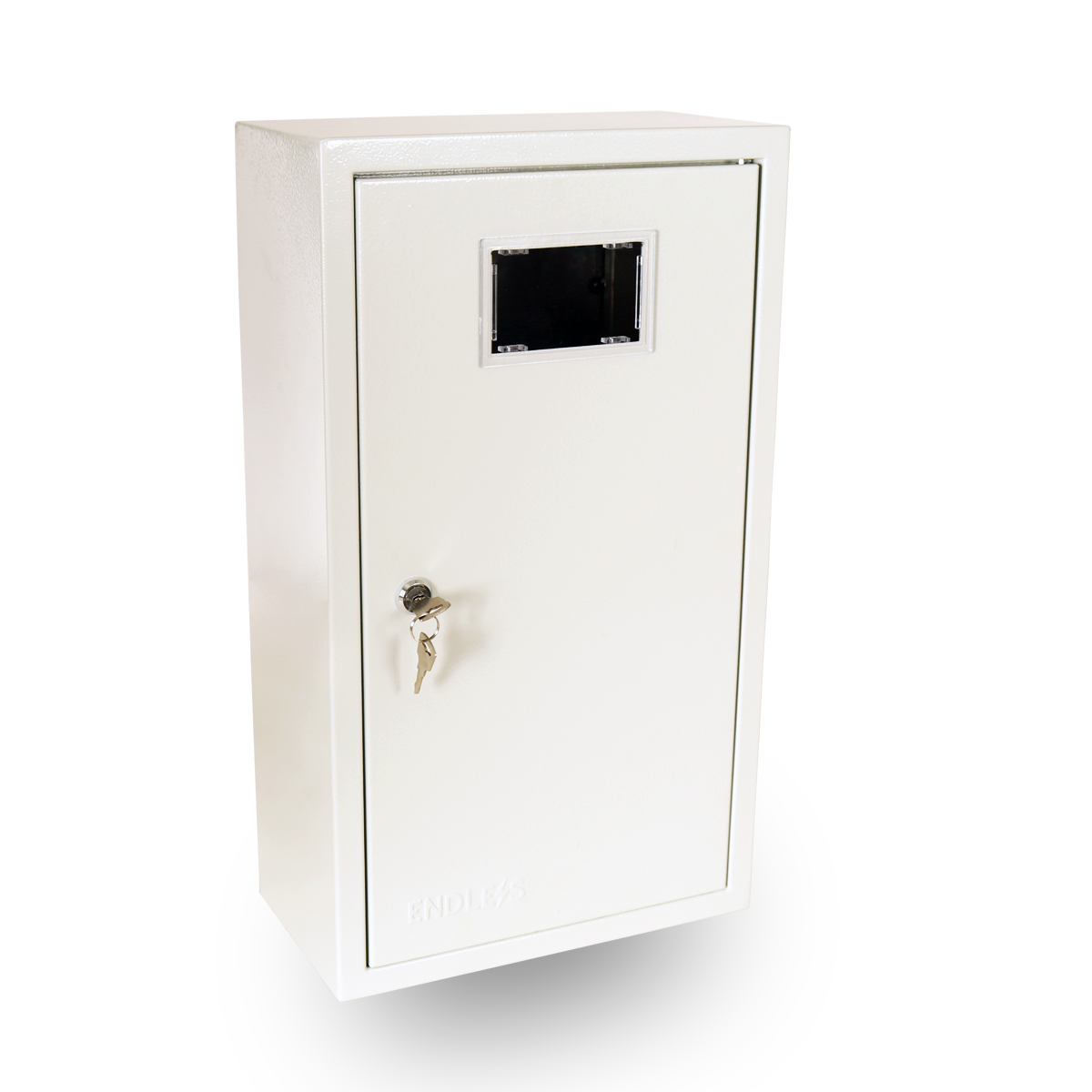
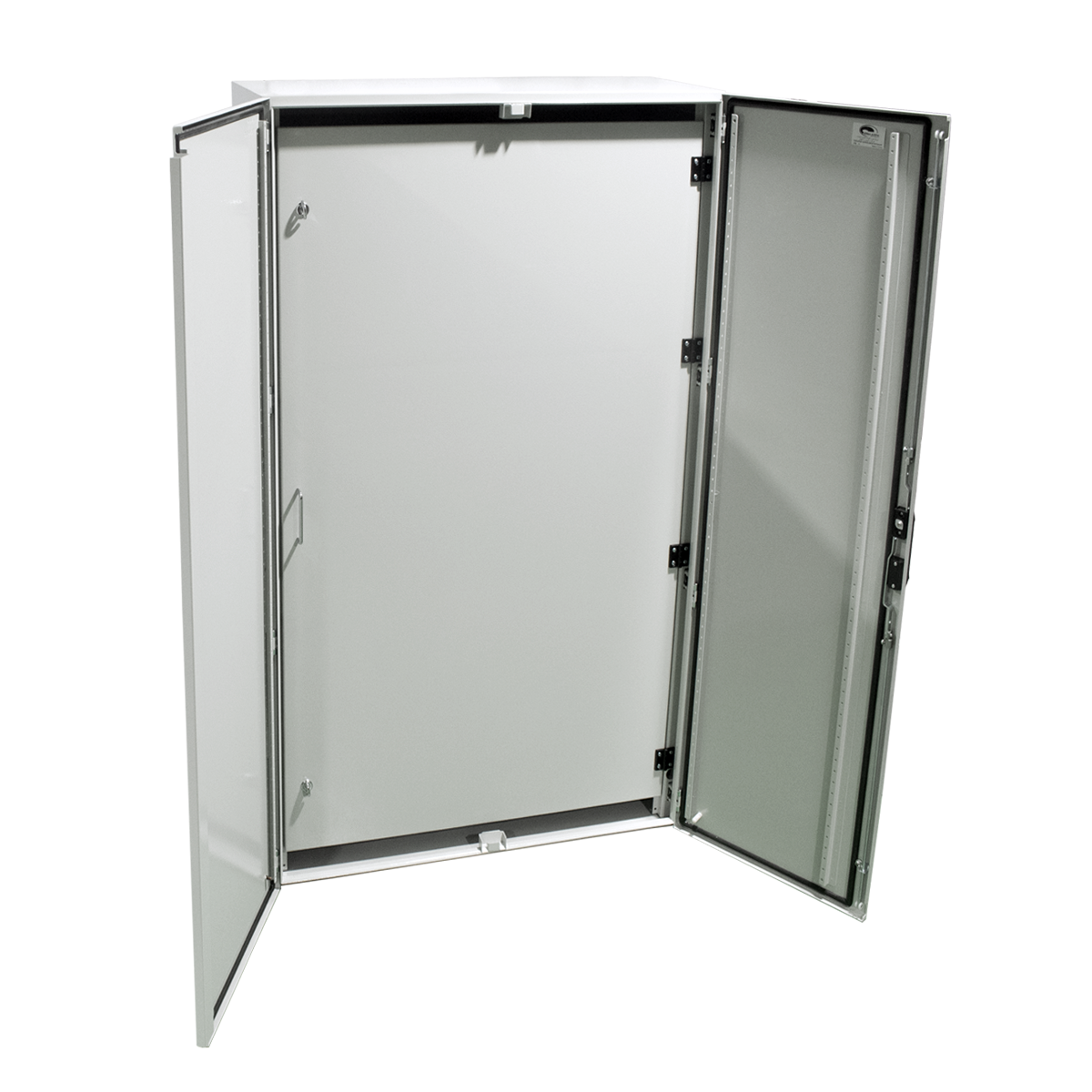
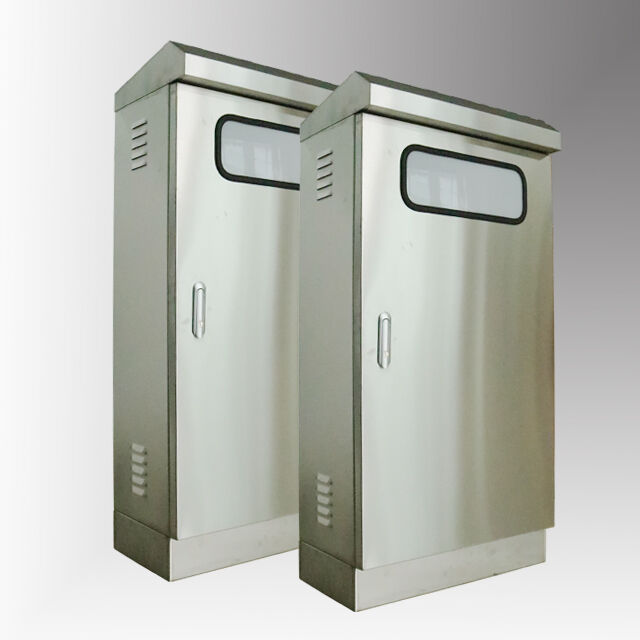
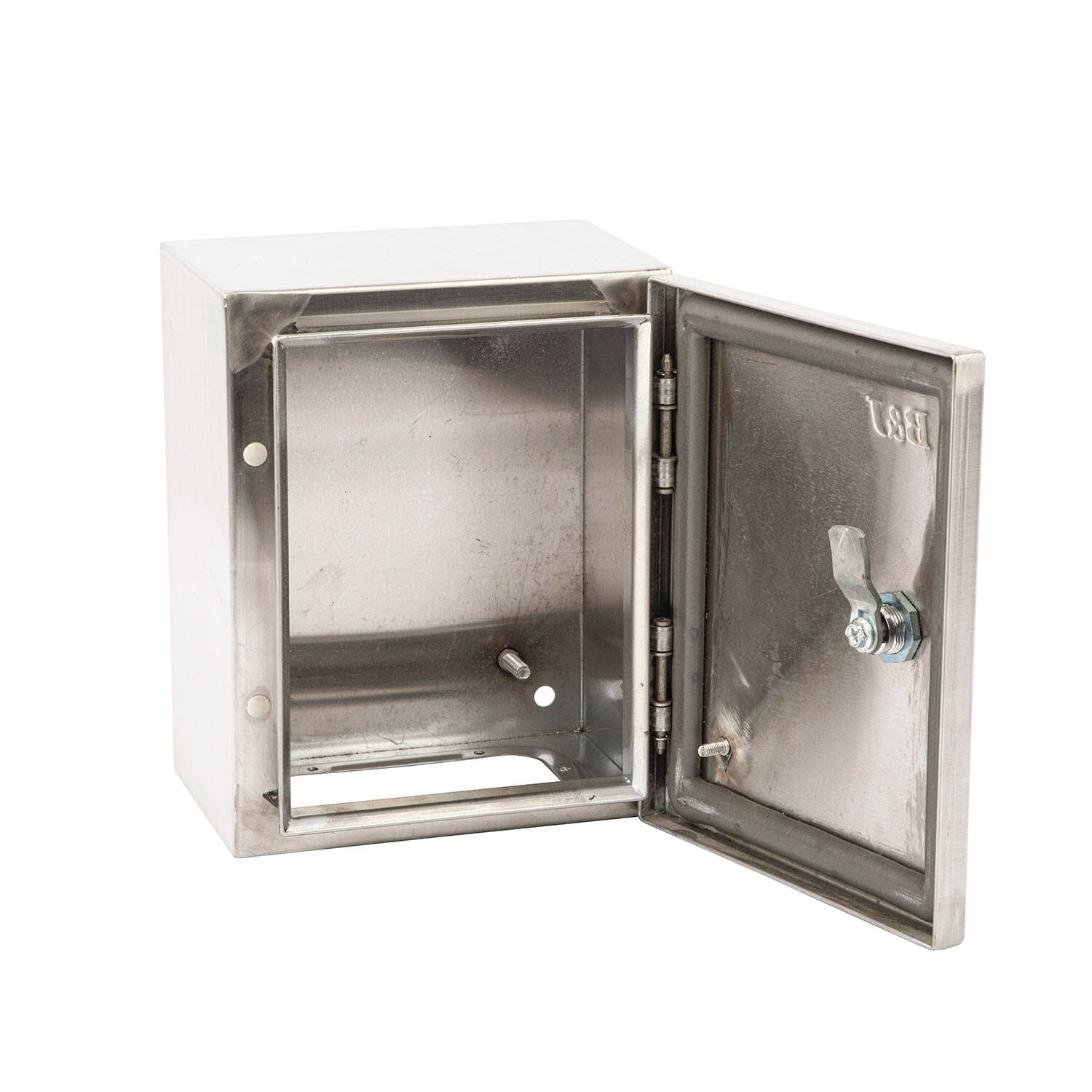
laboratory stainless enclosure
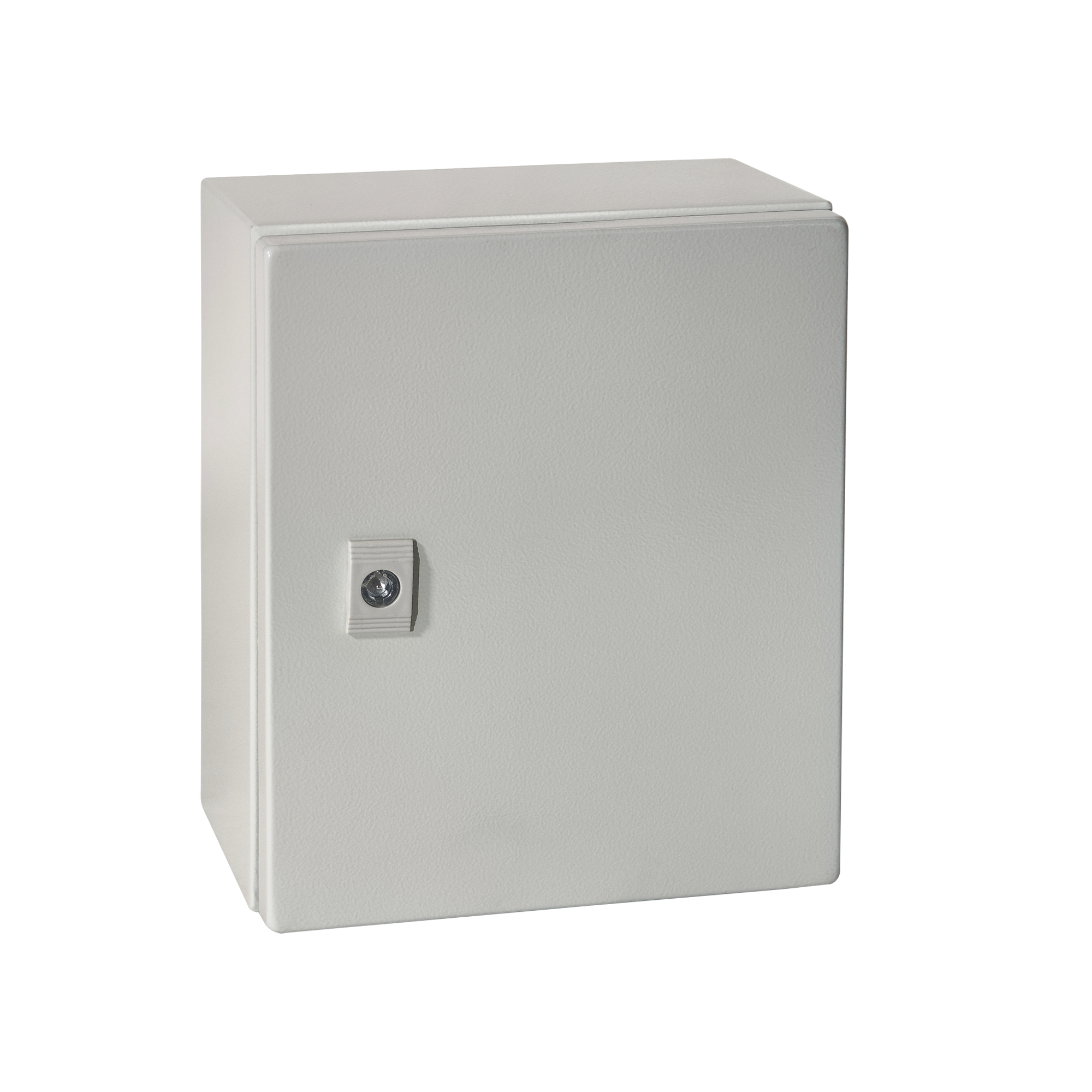
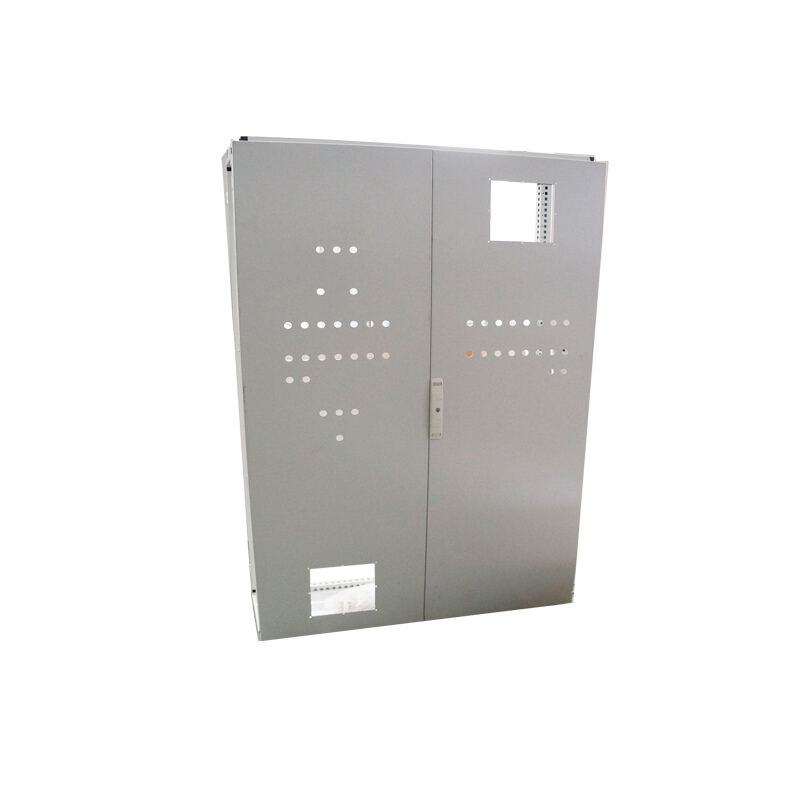
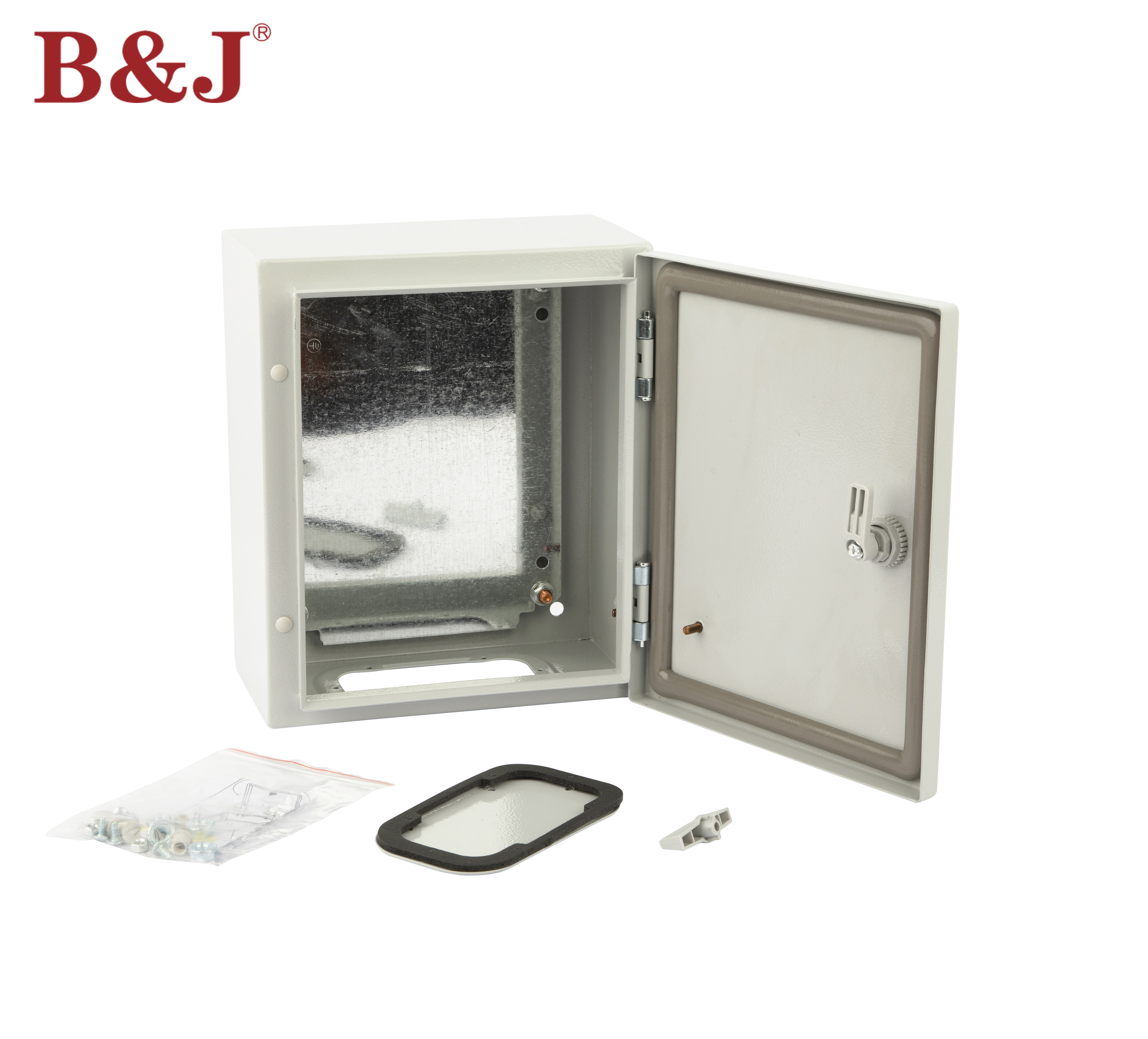
The laboratory stainless enclosure represents a critical component in modern scientific and research environments, designed to provide secure, controlled spaces for sensitive equipment and experiments. These specialized enclosures are constructed using high-grade stainless steel materials, typically 304 or 316L grades, which offer exceptional resistance to corrosion, chemical exposure, and environmental contamination. The primary function of a laboratory stainless enclosure involves creating isolated environments that protect valuable instruments, samples, and processes from external interference while maintaining precise environmental conditions. These enclosures serve multiple purposes including electromagnetic interference shielding, temperature regulation, humidity control, and contamination prevention. The technological features of laboratory stainless enclosures incorporate advanced engineering principles that ensure optimal performance across diverse scientific applications. Modern designs integrate seamless welded construction techniques that eliminate potential contamination points and provide superior structural integrity. The enclosures feature precision-machined access ports, viewing windows made from specialized glass or acrylic materials, and customizable internal configurations to accommodate various equipment sizes and operational requirements. Advanced ventilation systems maintain proper airflow patterns while filtration components remove particulates and chemical vapors. Many laboratory stainless enclosures include integrated monitoring systems that continuously track internal conditions such as temperature, humidity, pressure differentials, and gas concentrations. Applications for laboratory stainless enclosures span numerous scientific disciplines including pharmaceutical research, biotechnology development, materials testing, analytical chemistry, and environmental monitoring. These enclosures protect sensitive analytical instruments like spectrophotometers, chromatography systems, and electron microscopes from vibration, electromagnetic interference, and atmospheric contamination. Research facilities utilize laboratory stainless enclosures for cell culture work, chemical synthesis procedures, and quality control testing where sterile or controlled environments are essential. The versatility of these enclosures makes them indispensable for both routine laboratory operations and specialized research projects requiring stringent environmental controls.
 EN
EN