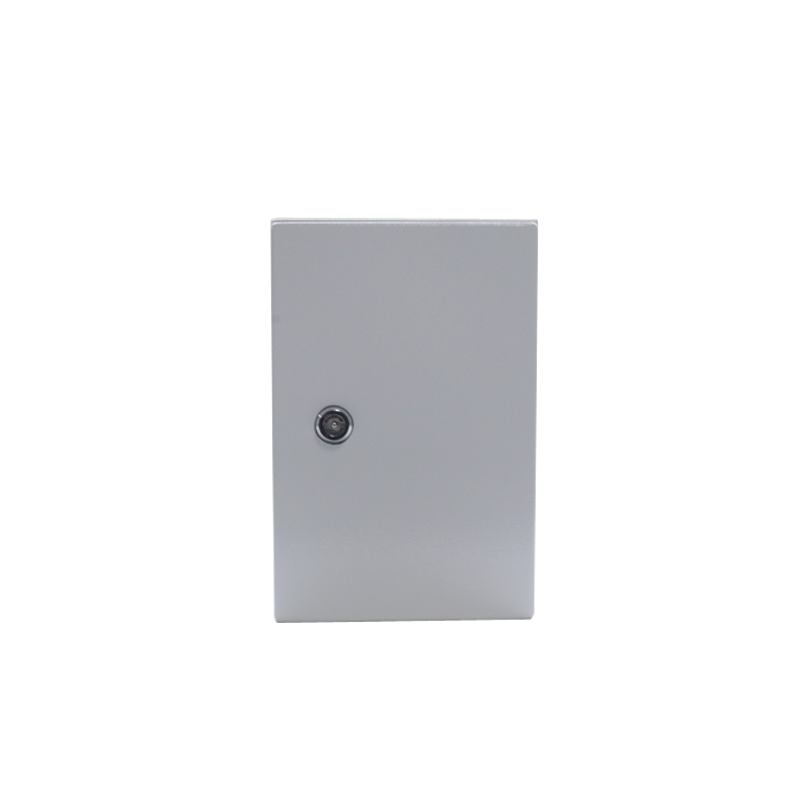
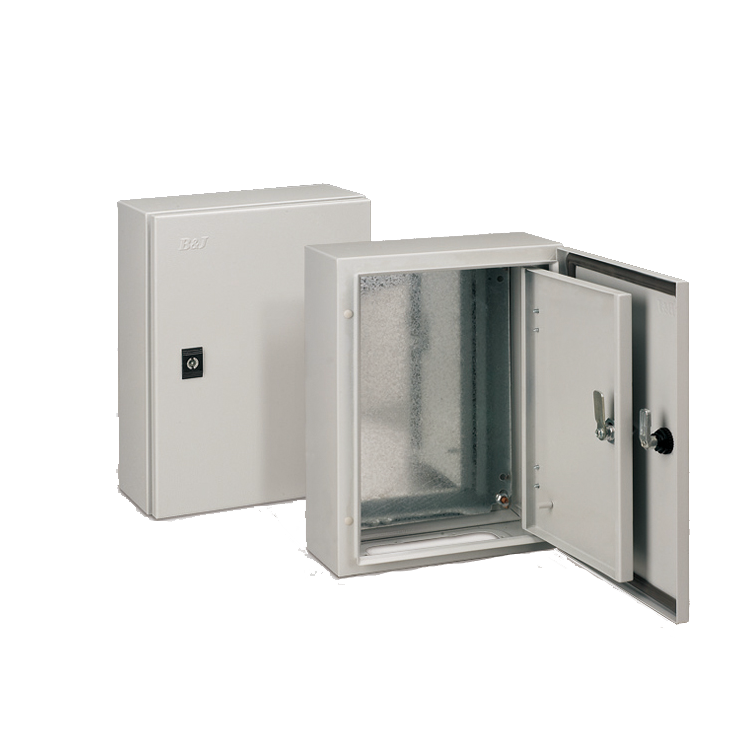
transformer enclosure
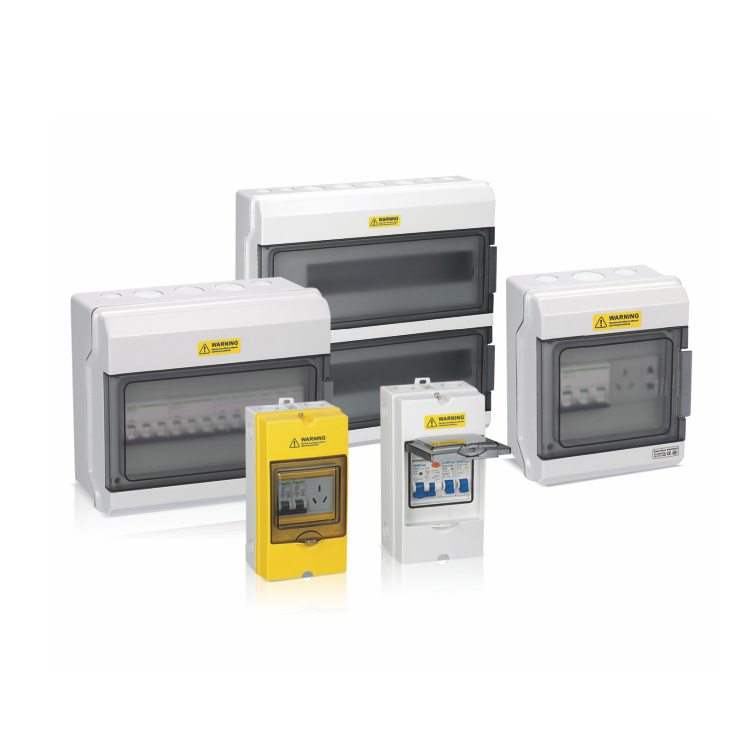
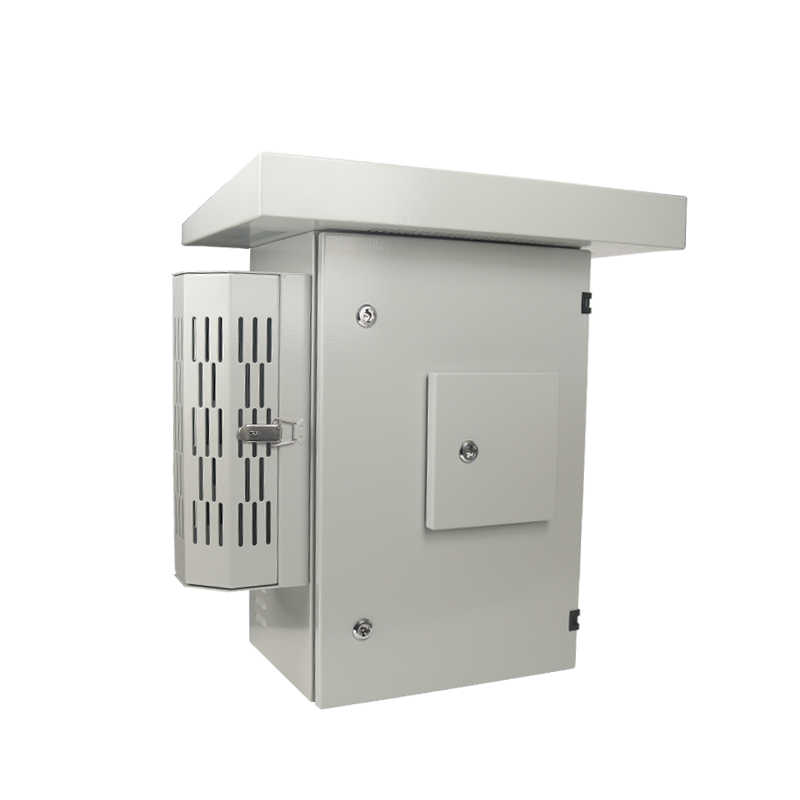
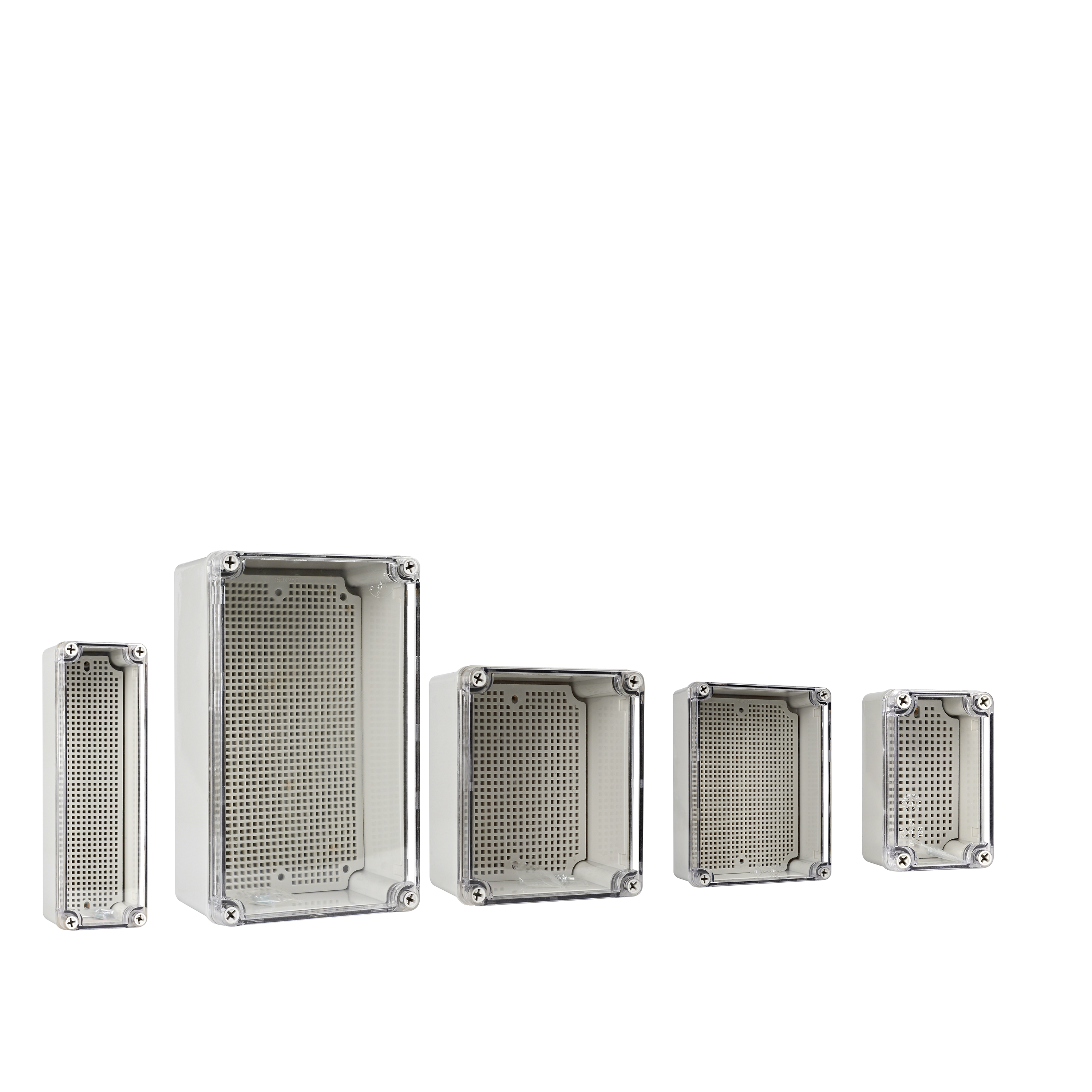
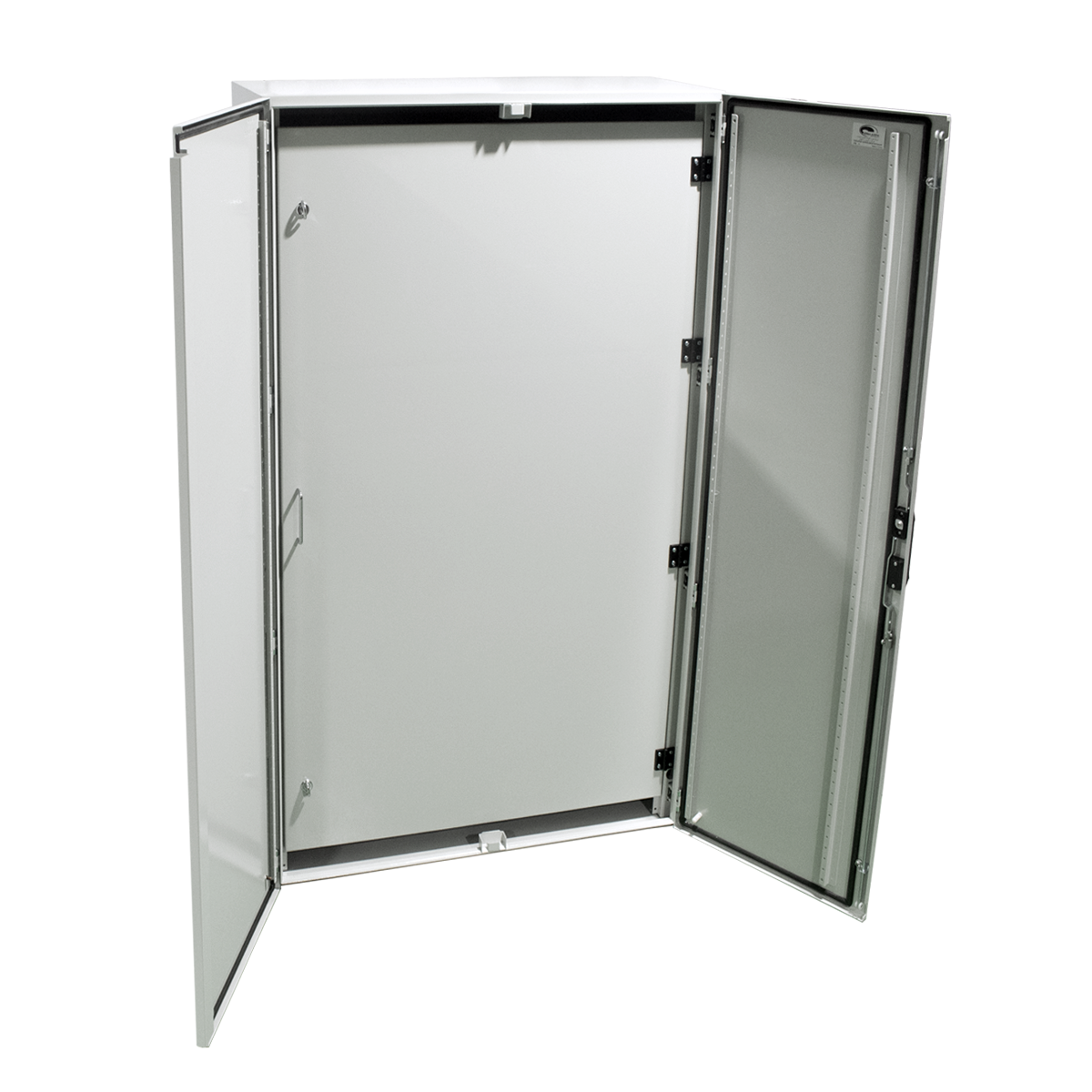
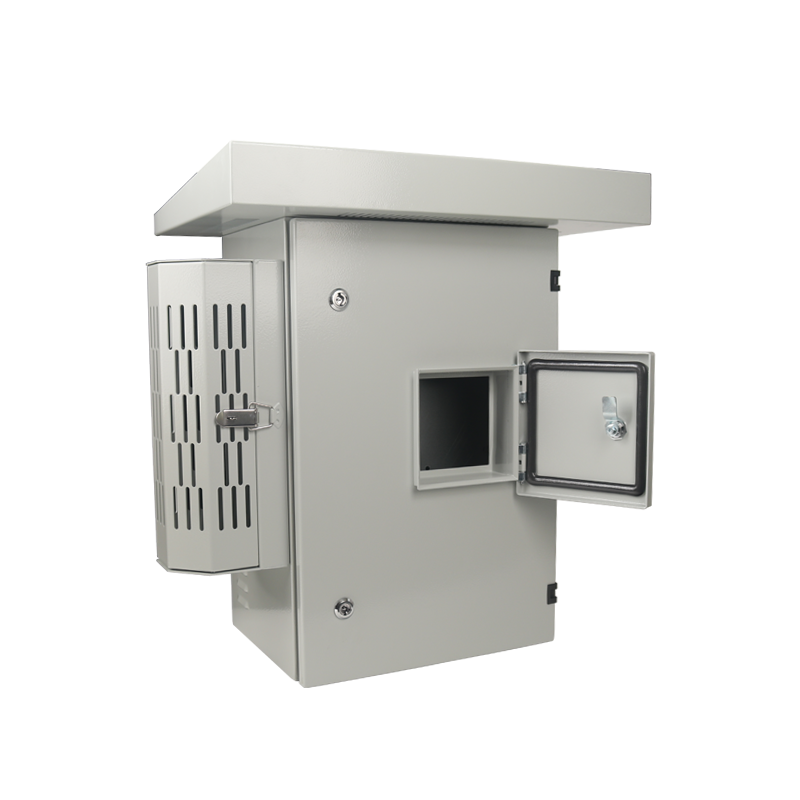
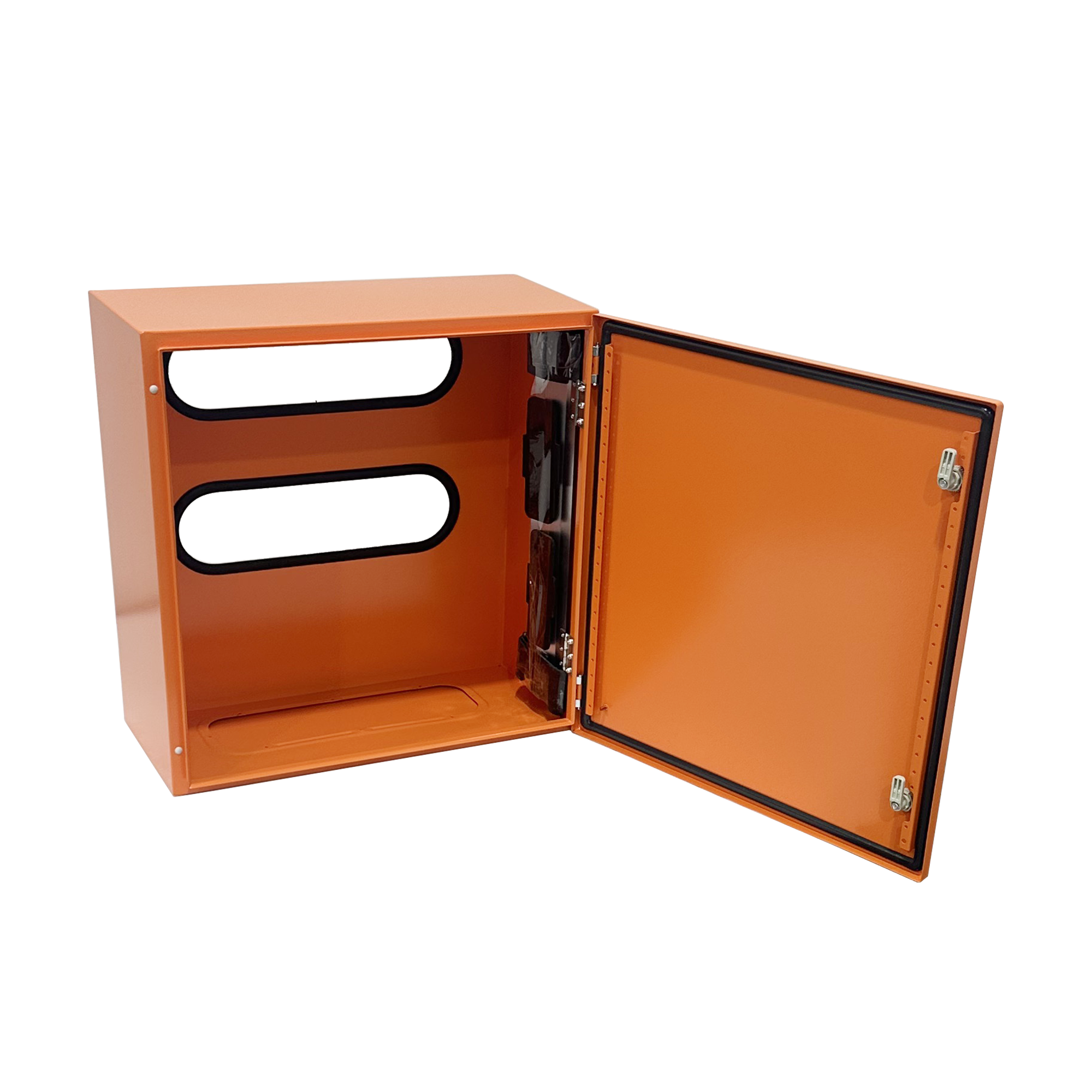
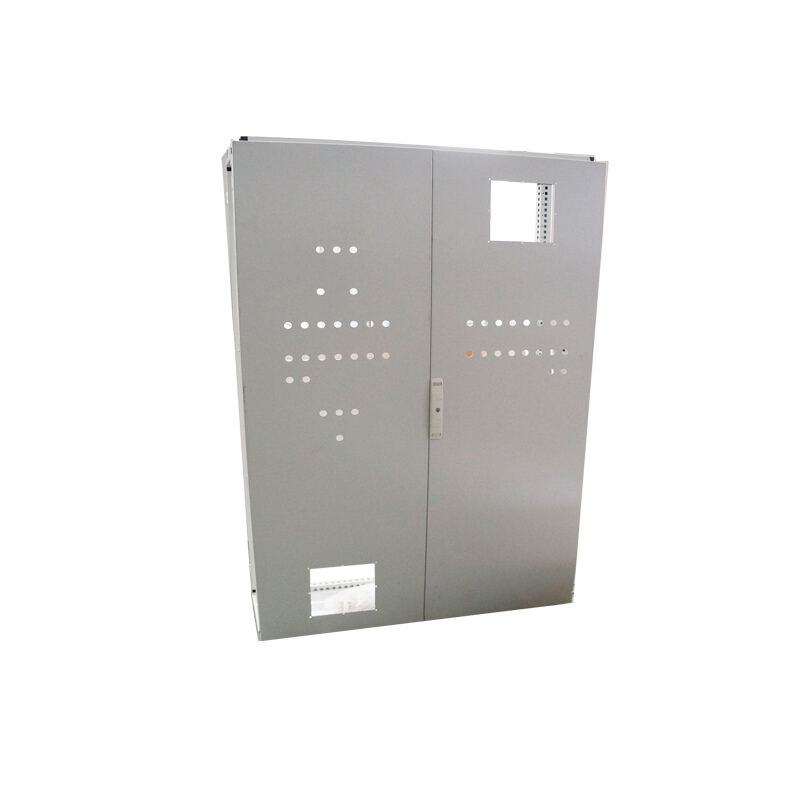
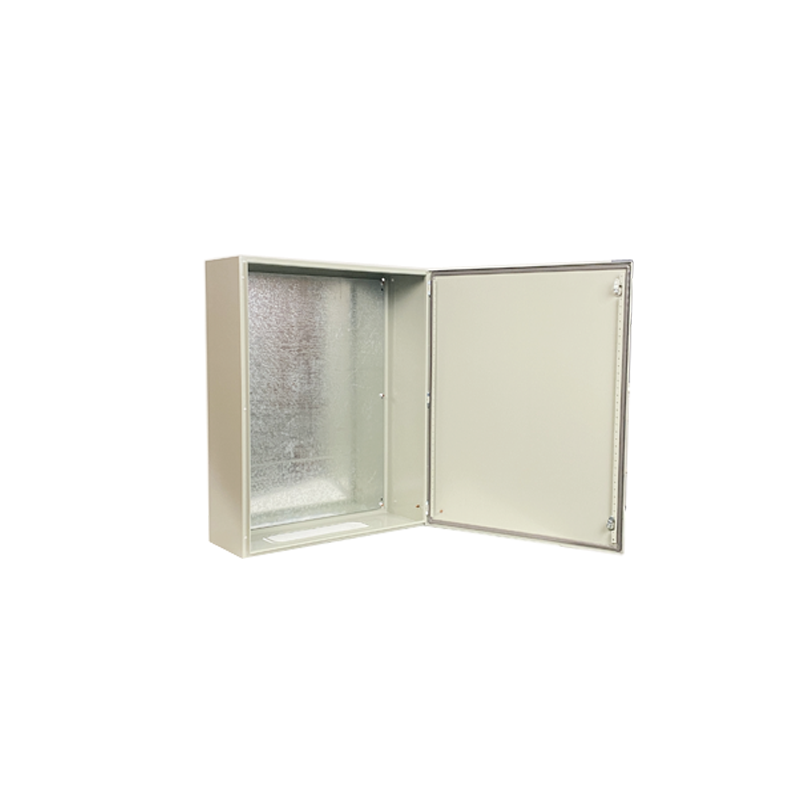
A transformer enclosure serves as the protective housing system designed to safeguard electrical transformers from environmental hazards, unauthorized access, and operational risks. This critical infrastructure component functions as a comprehensive barrier that shields transformers from weather conditions including rain, snow, wind, dust, and temperature fluctuations that could compromise electrical performance. The transformer enclosure maintains optimal operating conditions while ensuring compliance with safety regulations and industry standards. Modern transformer enclosure designs incorporate advanced materials and engineering principles to deliver superior protection for electrical equipment investments. These protective systems feature robust construction methods that resist corrosion, impact damage, and environmental degradation over extended service periods. The transformer enclosure typically includes ventilation systems, access panels, and mounting provisions that facilitate maintenance operations without compromising security or protection levels. Technological innovations in transformer enclosure manufacturing have introduced smart monitoring capabilities, enhanced thermal management, and improved structural integrity. These enclosures accommodate various transformer sizes and configurations while providing standardized installation procedures that reduce deployment time and costs. The transformer enclosure design process considers factors such as electromagnetic interference shielding, fire resistance, and seismic stability to ensure reliable operation under diverse conditions. Security features integrated into transformer enclosure systems include locking mechanisms, tamper-evident seals, and surveillance system compatibility that protect valuable electrical assets from theft or vandalism. Applications for transformer enclosure solutions span residential neighborhoods, commercial facilities, industrial complexes, and utility-scale power generation sites where reliable electrical distribution remains essential for operations.
 EN
EN