Transparent Plastic Enclosure Solutions: Durable, Clear Protection for Critical Equipment

Get a Free Quote

Our representative will contact you soon.
Email
Name
Company Name
Message
0/1000

transparent plastic enclosure

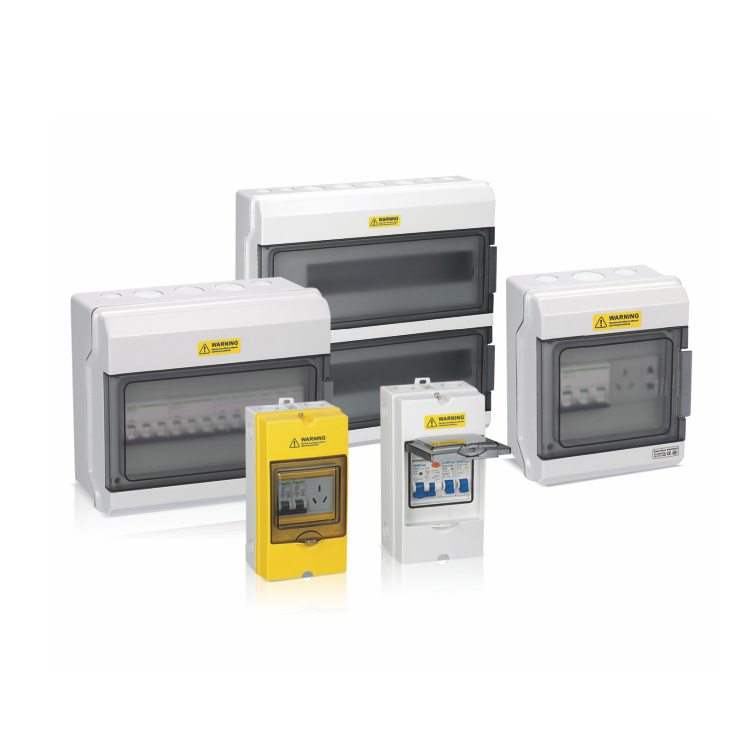
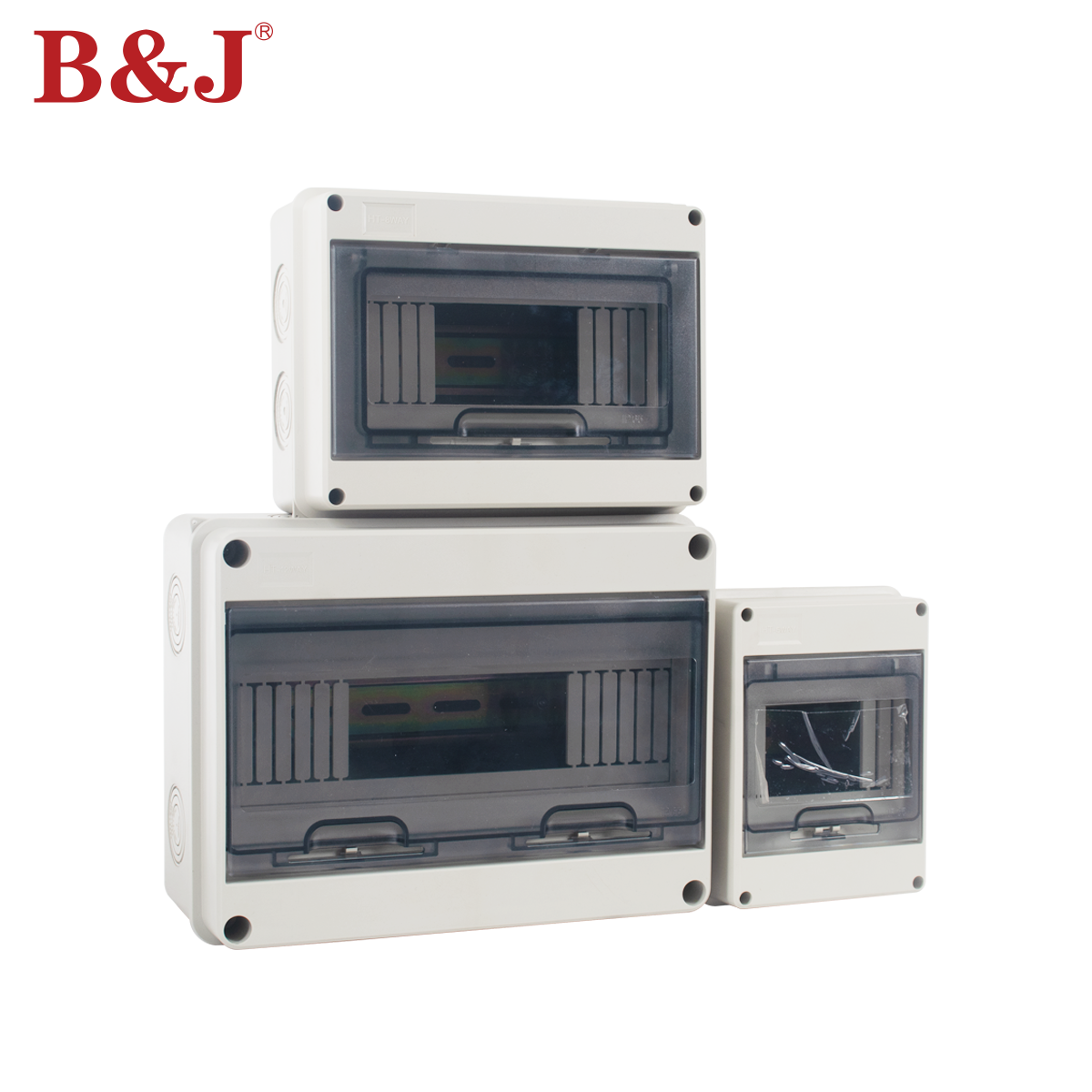
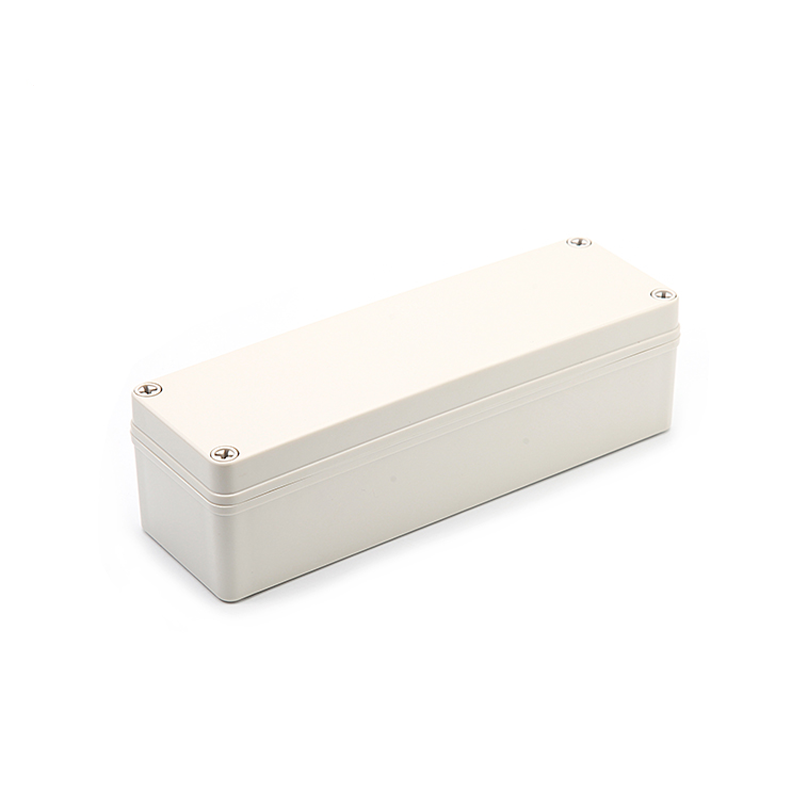
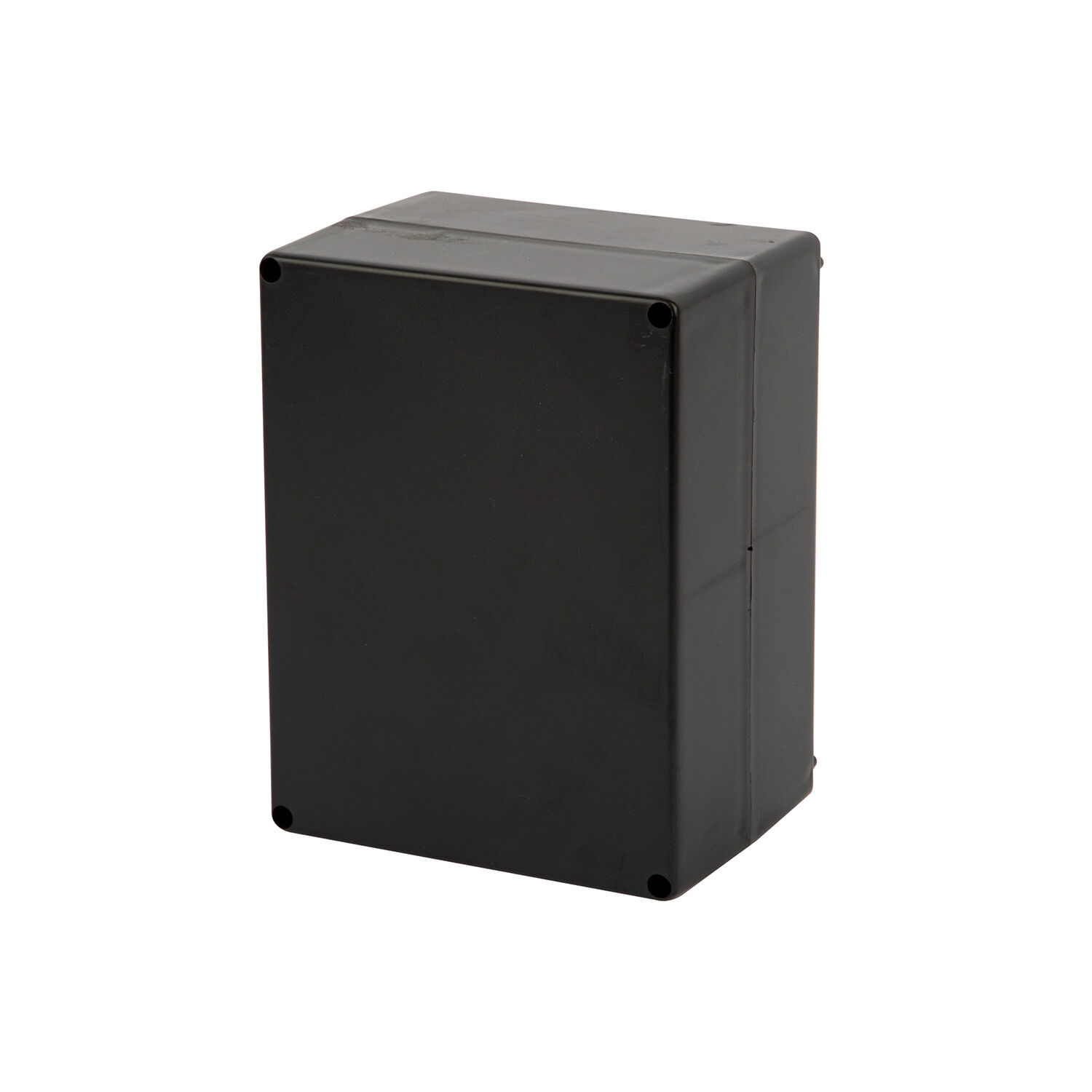
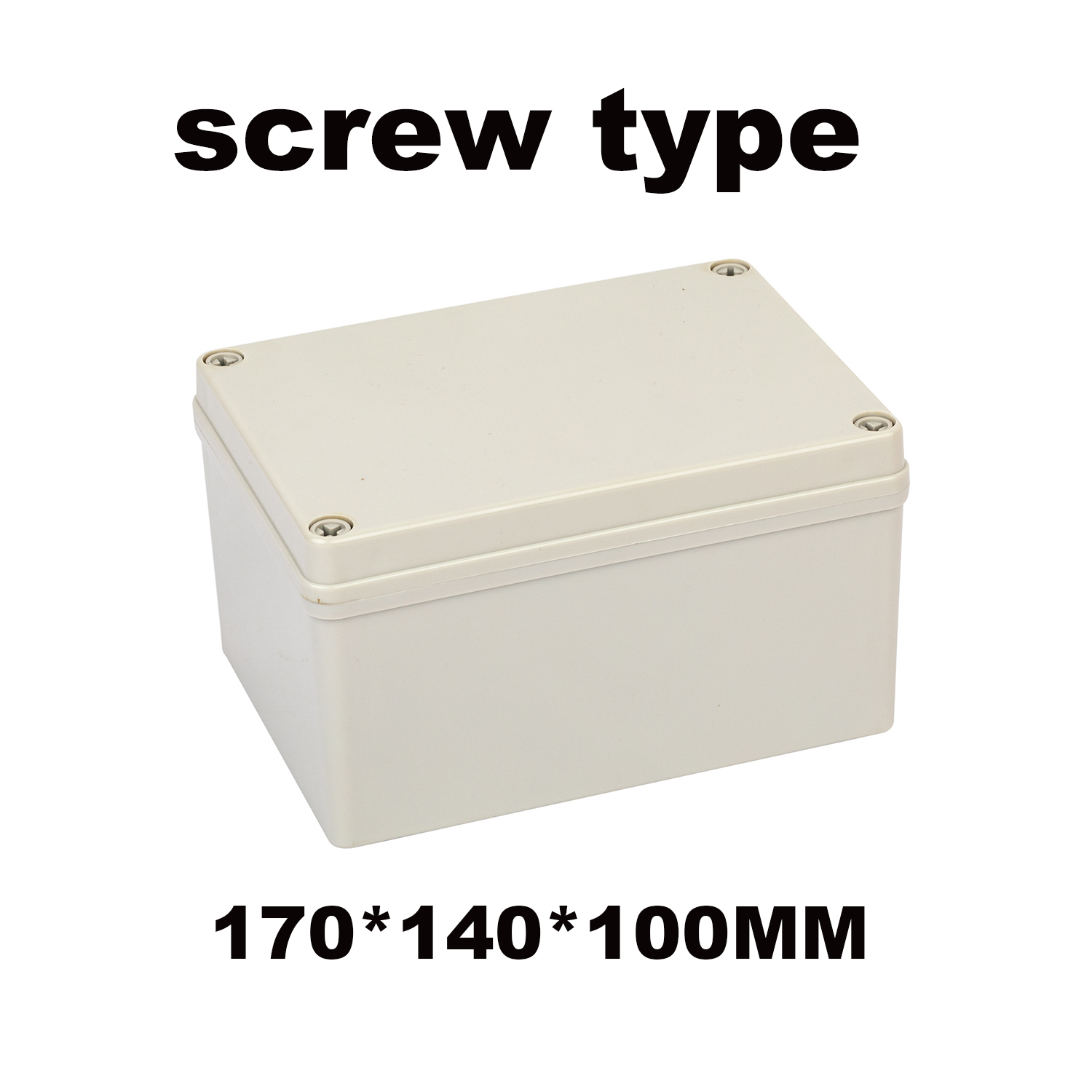
A transparent plastic enclosure represents a sophisticated protective housing solution designed to safeguard electronic components, instruments, and sensitive equipment while maintaining complete visual accessibility. These enclosures are manufactured using high-grade transparent thermoplastics such as polycarbonate, acrylic, or specialized clear polymers that deliver exceptional clarity and durability. The transparent plastic enclosure serves as a critical barrier against environmental hazards including dust, moisture, chemicals, and physical impacts while allowing unobstructed observation of internal components and operations. Modern transparent plastic enclosure designs incorporate advanced sealing technologies, featuring gasket systems and precision-engineered joints that achieve superior ingress protection ratings. The manufacturing process utilizes injection molding, thermoforming, or CNC machining techniques to create seamless, optically clear housings with precise dimensional tolerances. These enclosures often include integrated mounting systems, cable management solutions, and modular connection ports to facilitate easy installation and maintenance. The transparent plastic enclosure construction allows for real-time monitoring of equipment status, enabling users to identify potential issues without compromising protective integrity. Advanced variants feature anti-static properties, UV resistance, and flame-retardant characteristics to meet stringent industrial safety standards. The optical clarity of a transparent plastic enclosure eliminates the need for separate viewing windows or inspection ports, simplifying design requirements and reducing potential leak points. Temperature stability ensures consistent performance across wide operating ranges, while chemical resistance protects against corrosive substances. The lightweight nature of transparent plastic enclosure solutions reduces shipping costs and simplifies handling compared to traditional metal alternatives, making them ideal for applications where weight constraints are critical factors in system design and deployment.

Popular Products

The transparent plastic enclosure offers numerous compelling advantages that make it the preferred choice for modern protective housing applications. First, the complete visual transparency eliminates guesswork when monitoring equipment status, allowing technicians to instantly assess component conditions without opening the protective housing. This transparency significantly reduces maintenance time and prevents unnecessary exposure to environmental contaminants. The transparent plastic enclosure weighs substantially less than metal alternatives, reducing shipping costs and simplifying installation procedures. This weight advantage becomes particularly valuable in aerospace, automotive, and portable equipment applications where every gram matters. Cost-effectiveness represents another major benefit, as transparent plastic enclosure manufacturing requires less energy and fewer processing steps compared to machined metal housings. The material costs remain consistently lower while delivering comparable protective performance. Chemical resistance ensures the transparent plastic enclosure maintains integrity when exposed to harsh industrial environments, including exposure to cleaning solvents, oils, and mild acids that would corrode metal housings. The transparent plastic enclosure design flexibility allows for complex geometries and integrated features that would be expensive or impossible to achieve with traditional materials. Custom shapes, built-in mounting points, and specialized access ports can be incorporated directly into the molding process. Temperature stability ensures consistent performance across typical operating ranges, while the smooth surface finish resists dirt accumulation and simplifies cleaning procedures. Electrical insulation properties make the transparent plastic enclosure ideal for electronic applications, eliminating concerns about electrical conductivity that exist with metal housings. The transparent plastic enclosure requires no special tools for routine inspections, as visual assessment can be performed instantly without disassembly. This accessibility reduces labor costs and minimizes equipment downtime during scheduled maintenance intervals. UV resistance prevents yellowing and degradation when exposed to sunlight, ensuring long-term optical clarity and protective performance. The transparent plastic enclosure can be easily modified in the field using standard tools, allowing for emergency repairs or upgrades without requiring specialized manufacturing equipment or extensive lead times for replacement parts.

Latest News

What Makes Industrial Enclosures Best-Sellers Overseas in 2025: Specs, Prices & Market Trends

25

Feb

What Makes Industrial Enclosures Best-Sellers Overseas in 2025: Specs, Prices & Market Trends

The global industrial enclosure market continues to experience unprecedented growth as manufacturers worldwide seek robust protection solutions for their electrical and electronic components. Modern industrial facilities require enclosures that can w...
View More
EPDM vs. Silicone Gaskets for Junction Enclosures: Which Seals Best?

24

Mar

EPDM vs. Silicone Gaskets for Junction Enclosures: Which Seals Best?

When designing electrical installations that must withstand harsh environmental conditions, the choice between EPDM and silicone gaskets for your junction enclosure can determine the long-term reliability of your entire system. Both materials offer d...
View More
Laser Cutting vs. CNC Punching: Which Lowers Metal-Enclosure Costs?

23

Apr

Laser Cutting vs. CNC Punching: Which Lowers Metal-Enclosure Costs?

Manufacturing cost optimization remains a critical factor when selecting fabrication methods for metal enclosure production. The choice between laser cutting and CNC punching directly impacts both initial tooling investments and per-unit production e...
View More
Picking an IP66 Metal Enclosure for EV Charging Piles

23

Apr

Picking an IP66 Metal Enclosure for EV Charging Piles

Selecting the right metal enclosure for EV charging piles requires careful consideration of environmental protection standards, material durability, and installation requirements. IP66-rated metal enclosures provide the essential weatherproof barrier...
View More

Get a Free Quote

Our representative will contact you soon.
Email
Name
Company Name
Message
0/1000

transparent plastic enclosure

Superior Visual Access and Monitoring Capabilities

Superior Visual Access and Monitoring Capabilities

The transparent plastic enclosure delivers unparalleled visual access that revolutionizes how technicians monitor and maintain critical equipment. Unlike opaque housing solutions that require disassembly for inspection, the transparent plastic enclosure provides continuous visual monitoring without compromising protective integrity. This transparency enables real-time observation of component operation, allowing users to identify performance anomalies, wear patterns, or potential failures before they become critical issues. The optical clarity rivals glass while offering superior impact resistance and safety characteristics. Maintenance teams can conduct visual inspections during operation, observing moving parts, fluid levels, indicator lights, and display screens without interrupting system performance. This capability proves invaluable in industrial automation, where unplanned shutdowns cost thousands of dollars per hour. The transparent plastic enclosure eliminates the need for separate viewing windows, inspection ports, or camera systems that add complexity and potential failure points. Quality control personnel can verify assembly accuracy and component positioning without opening protective seals, maintaining sterile conditions in cleanroom environments. The transparency extends to ultraviolet and infrared wavelengths in specialized formulations, enabling thermal imaging and UV inspection techniques through the housing walls. Documentation and training become more effective when internal components remain visible, allowing new technicians to understand system operation without requiring extensive disassembly procedures. The transparent plastic enclosure supports remote monitoring applications where visual confirmation complements electronic sensors, providing redundant verification of system status. Photography and video documentation of equipment conditions become straightforward, supporting warranty claims and troubleshooting procedures. The clear housing allows for easy identification of component part numbers, serial numbers, and configuration settings without physical access, streamlining inventory management and maintenance record keeping. This visual accessibility ultimately reduces total cost of ownership by minimizing diagnostic time, preventing unnecessary component replacement, and extending equipment service intervals through improved monitoring capabilities.
Exceptional Durability and Environmental Protection

Exceptional Durability and Environmental Protection

The transparent plastic enclosure provides robust environmental protection that surpasses traditional housing materials in many demanding applications. Advanced polymer formulations deliver exceptional impact resistance, withstanding mechanical shocks that would shatter glass or dent metal housings. The transparent plastic enclosure maintains structural integrity under extreme temperature fluctuations, expanding and contracting without developing stress cracks or compromising seal effectiveness. Chemical resistance properties protect against industrial solvents, cleaning agents, and corrosive atmospheres that rapidly degrade other materials. The non-porous surface prevents moisture absorption and bacterial growth, making the transparent plastic enclosure ideal for food processing, medical, and pharmaceutical applications where hygiene standards are critical. UV stabilizers incorporated into the polymer matrix prevent yellowing, clouding, or degradation when exposed to direct sunlight or artificial UV sources. The transparent plastic enclosure achieves superior ingress protection ratings through precision-engineered sealing systems that maintain effectiveness over thousands of opening and closing cycles. Flame retardant formulations meet stringent fire safety standards while maintaining optical clarity and processing characteristics. The smooth surface finish resists static buildup and facilitates thorough cleaning with standard disinfectants or deionizing solutions. Vibration resistance ensures the transparent plastic enclosure maintains seal integrity in high-vibration environments such as transportation, mining, and heavy industrial applications. The material exhibits excellent fatigue resistance, maintaining protective performance through repetitive stress cycles that would cause metal housings to develop stress fractures. Temperature cycling tests demonstrate consistent dimensional stability across operating ranges from negative forty to positive eighty degrees Celsius. The transparent plastic enclosure resists common industrial contaminants including hydraulic fluids, cutting oils, and salt spray that cause rapid corrosion in metal alternatives. This durability translates to extended service life, reduced replacement costs, and improved equipment reliability. The housing maintains hermetic sealing properties even after years of service, protecting sensitive electronics from moisture ingress that causes expensive component failures. Quality manufacturing processes ensure consistent wall thickness and eliminate internal stresses that could compromise long-term performance, delivering reliable protection throughout the equipment lifecycle.
Cost-Effective Manufacturing and Customization Advantages

Cost-Effective Manufacturing and Customization Advantages

The transparent plastic enclosure offers significant cost advantages through efficient manufacturing processes and extensive customization capabilities that reduce total system costs. Injection molding and thermoforming techniques enable high-volume production with consistent quality and precise dimensional control, resulting in lower per-unit costs compared to machined alternatives. The transparent plastic enclosure manufacturing process requires fewer secondary operations, as complex geometries, mounting features, and sealing surfaces can be formed directly in the molding process. This integration eliminates assembly steps, reduces parts count, and minimizes potential failure points while lowering overall production costs. Rapid prototyping capabilities allow for quick design iterations and validation, reducing development time and enabling faster time-to-market for new products. The transparent plastic enclosure can incorporate multiple functions in a single molded component, including mounting brackets, cable management features, and integrated sealing surfaces that would require separate components in traditional designs. Material costs remain stable and predictable compared to metal alternatives that experience significant price volatility due to commodity market fluctuations. The lightweight nature of the transparent plastic enclosure reduces shipping costs, packaging requirements, and handling equipment needs throughout the supply chain. Custom colors, textures, and optical properties can be incorporated during manufacturing without additional processing steps or coating operations. The transparent plastic enclosure supports overmolding techniques that integrate gaskets, grip surfaces, and mounting hardware directly into the housing structure. Short lead times for standard configurations and reasonable tooling costs for custom designs make the transparent plastic enclosure economically viable for both high-volume production and specialized applications. Field modifications can be performed using standard tools and techniques, allowing for emergency repairs or design updates without requiring new tooling or manufacturing setup. The transparent plastic enclosure manufacturing process generates minimal waste compared to subtractive machining operations, supporting sustainability initiatives while reducing material costs. Recyclability of thermoplastic materials enables end-of-life value recovery and supports circular economy principles. Quality control processes ensure consistent optical properties and dimensional accuracy, reducing reject rates and associated costs. The ability to mold complex internal features and varying wall thicknesses optimizes material usage while maintaining structural integrity, further reducing material costs and component weight for improved shipping economics and installation efficiency.
Transparent Plastic Enclosure Solutions: Durable, Clear Protection for Critical Equipment

Get a Free Quote

Our representative will contact you soon.
Email
Name
Company Name
Message
0/1000