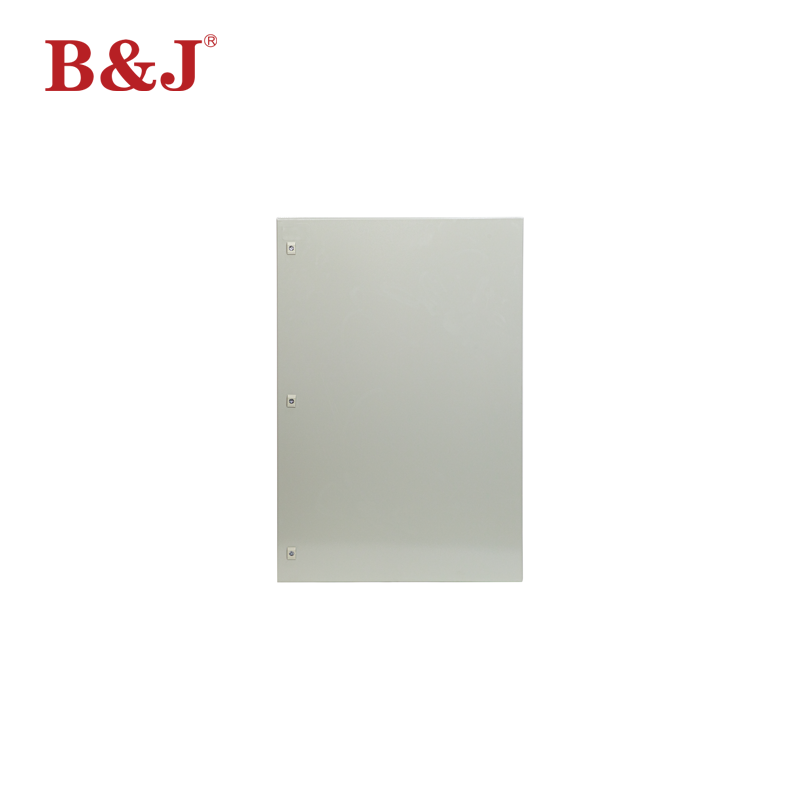
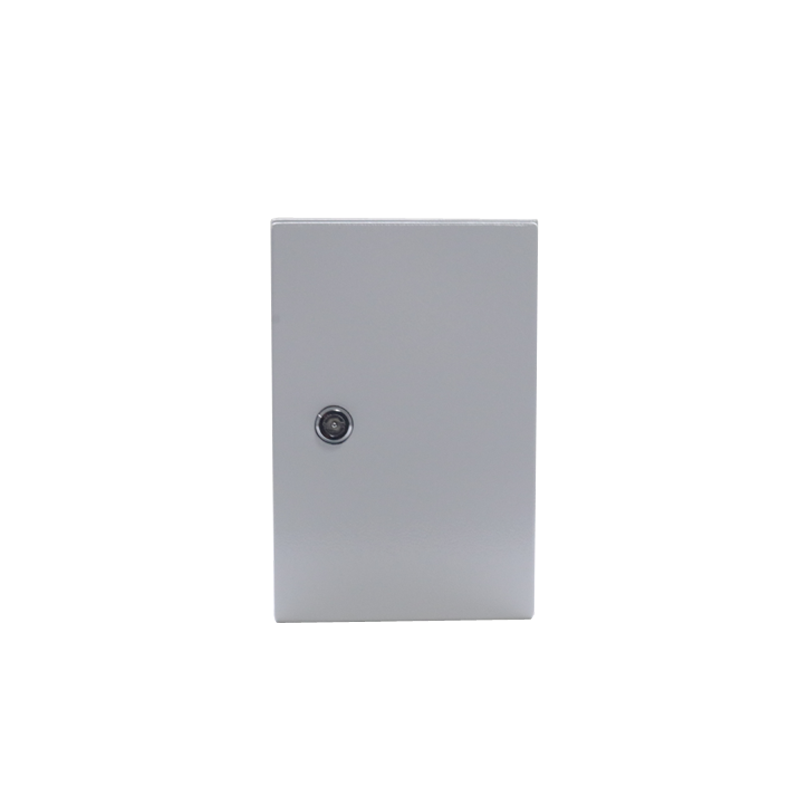
heavyduty metal enclosure
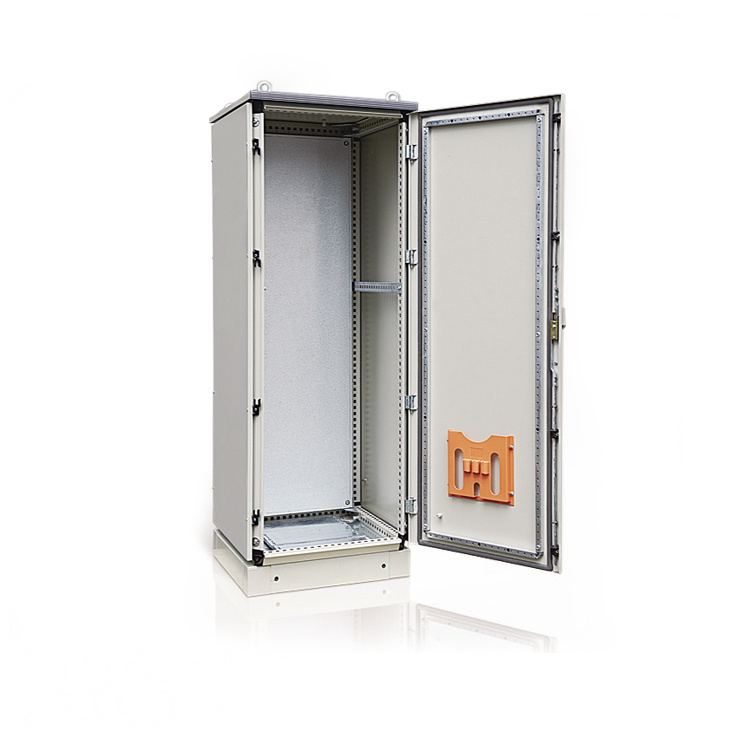
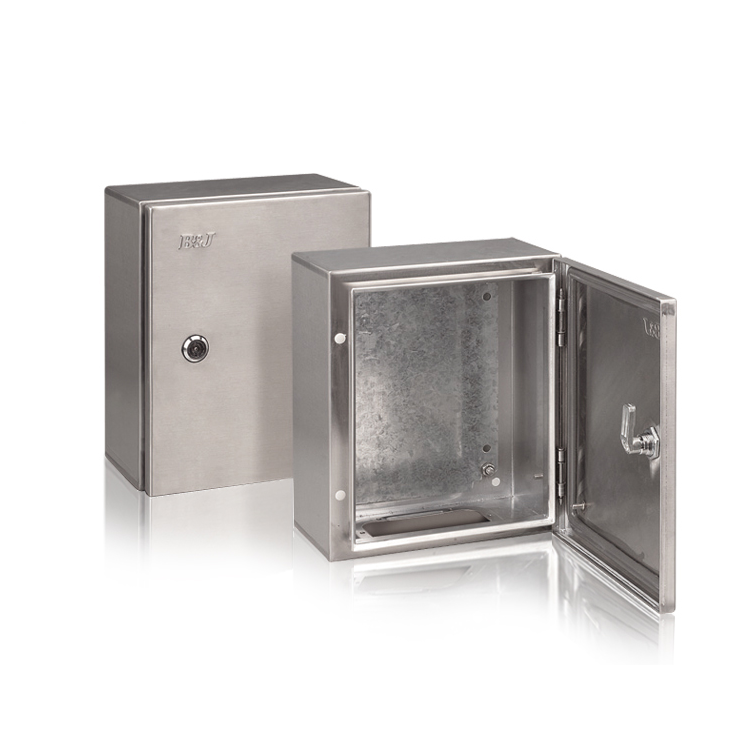
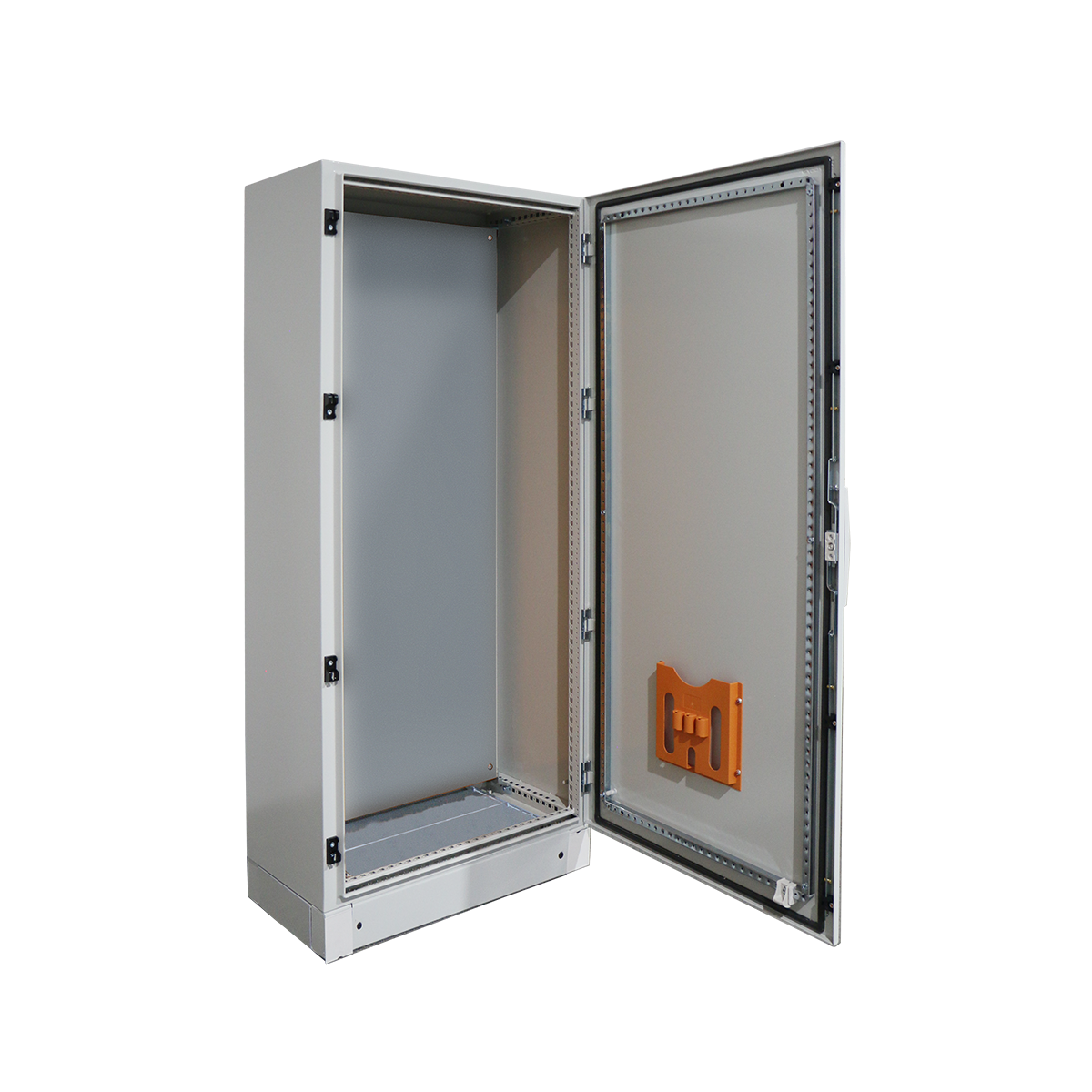
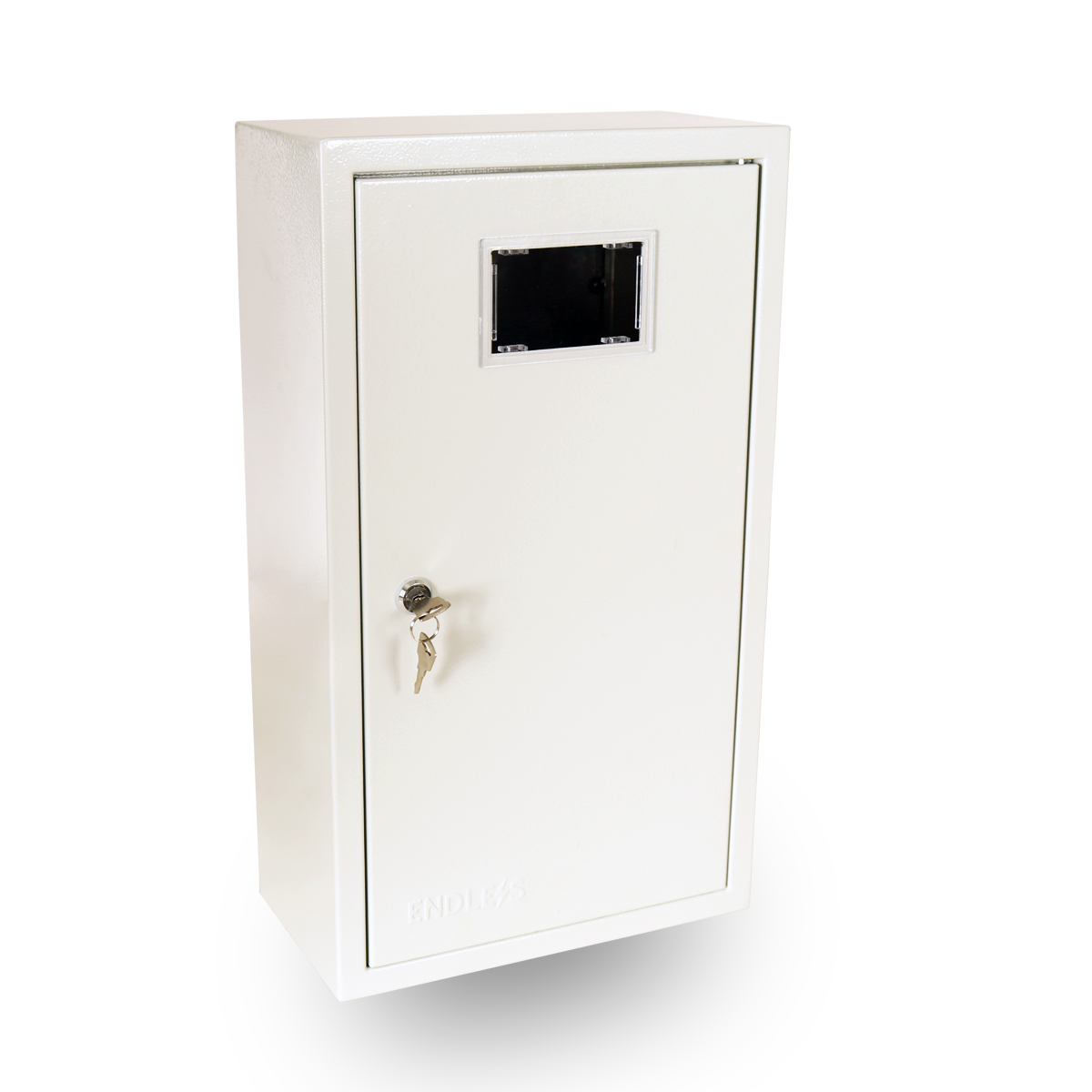
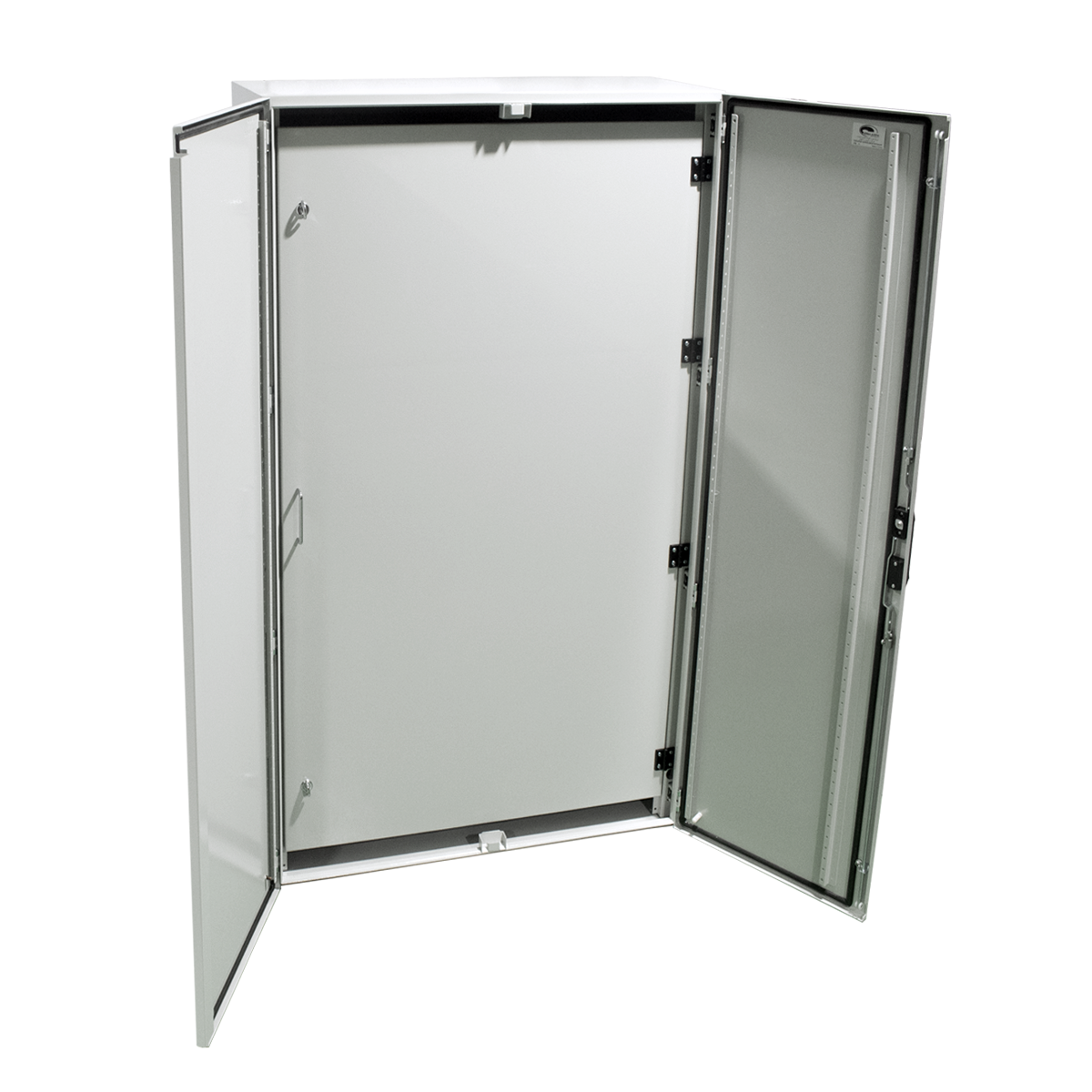
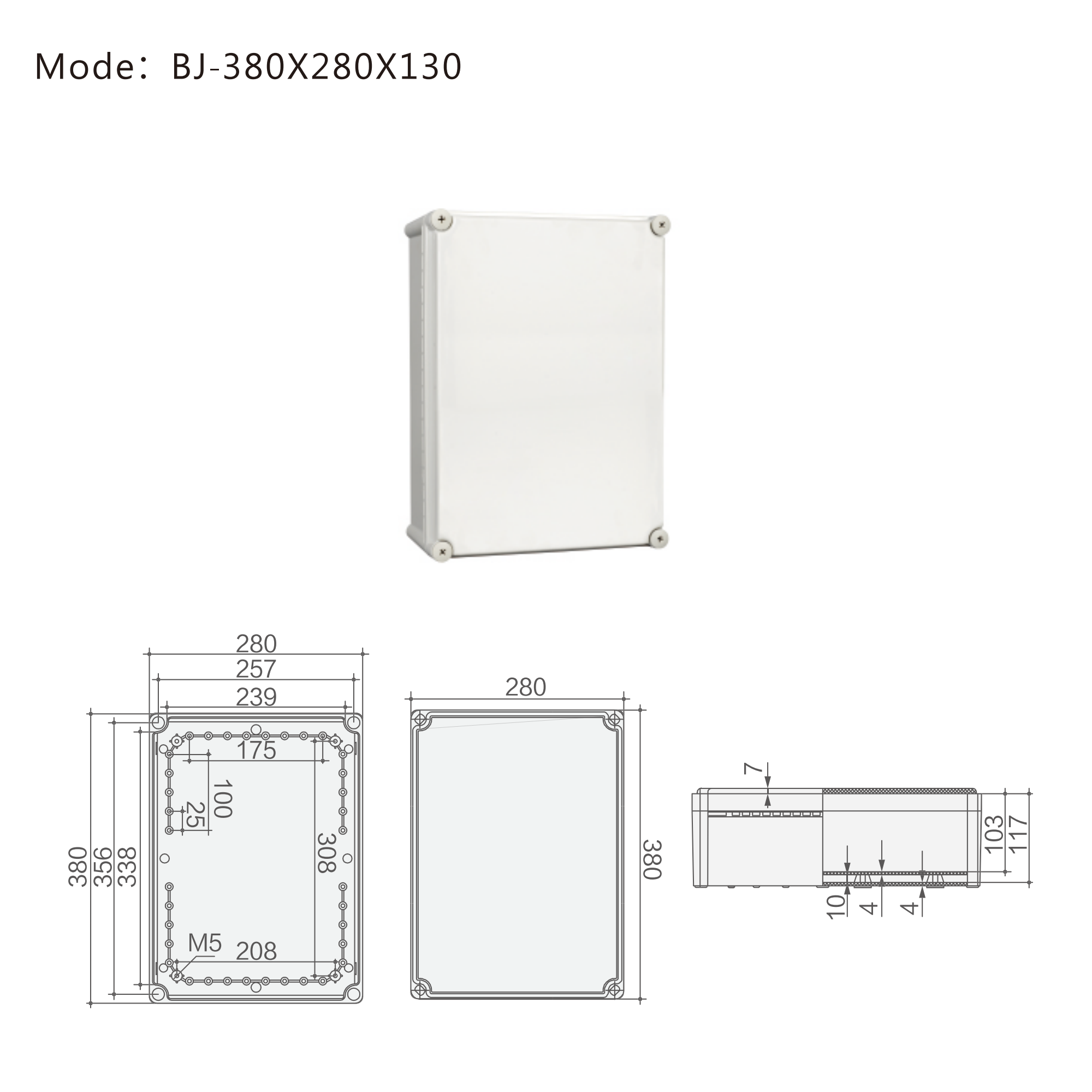
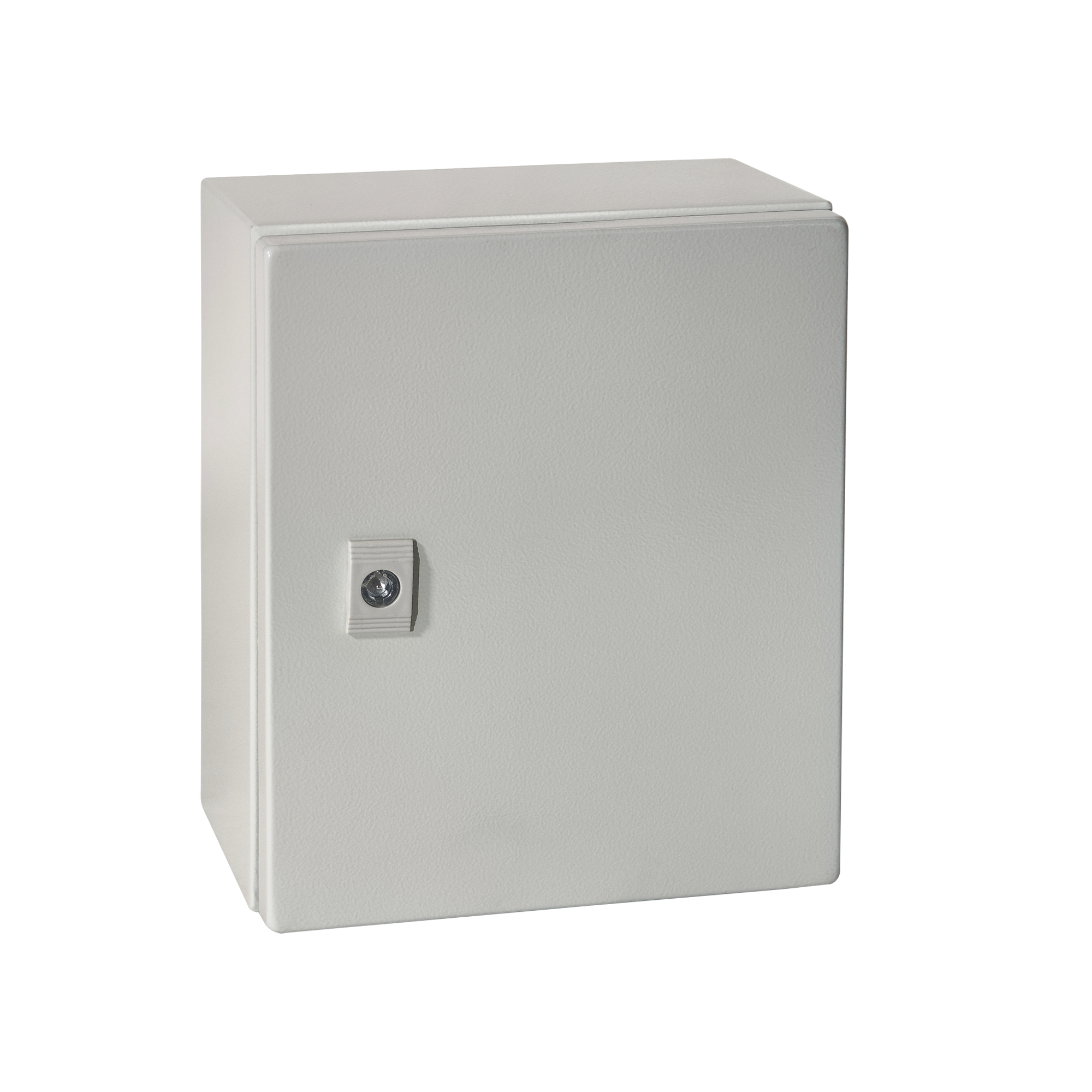
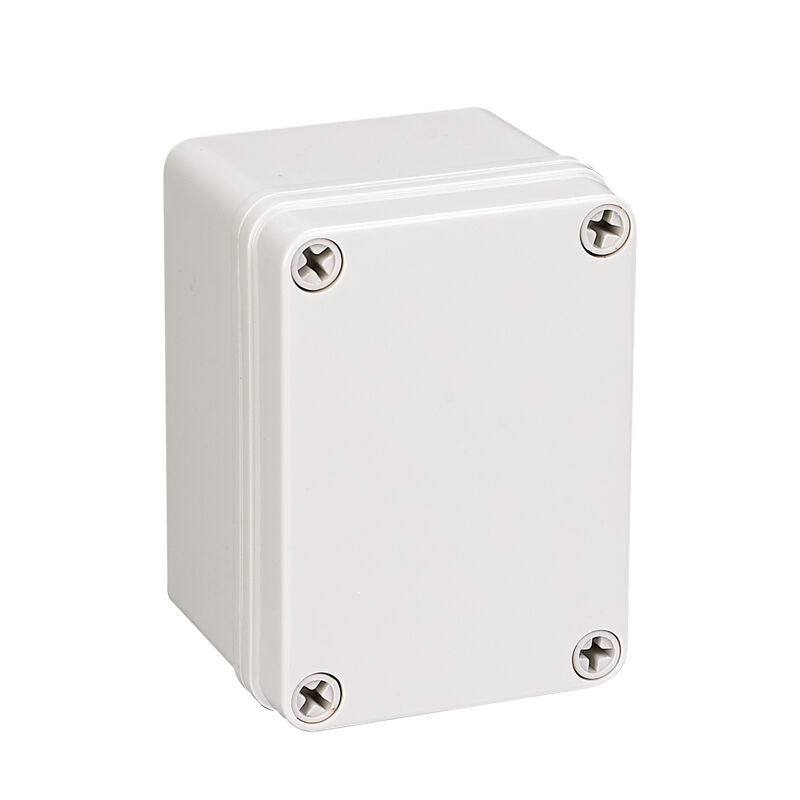
A heavyduty metal enclosure represents an essential industrial solution designed to protect sensitive electronic equipment, control systems, and instrumentation from harsh environmental conditions. These robust protective housings combine superior material construction with engineering excellence to deliver uncompromising security for critical operational components. The heavyduty metal enclosure serves as a formidable barrier against dust, moisture, corrosive chemicals, electromagnetic interference, and physical impacts that could otherwise compromise equipment functionality. Built from premium-grade materials such as stainless steel, galvanized steel, or aluminum alloys, these enclosures undergo rigorous testing to meet stringent industry standards including IP ratings, NEMA classifications, and UL certifications. The primary function of a heavyduty metal enclosure centers on environmental protection, ensuring that housed equipment maintains optimal performance regardless of external conditions. Advanced sealing systems, gasket technologies, and precision manufacturing techniques create weatherproof barriers that prevent water ingress, dust accumulation, and temperature fluctuations. Technological features include modular mounting systems, cable management solutions, ventilation options, and customizable internal configurations that accommodate diverse equipment requirements. These enclosures incorporate sophisticated thermal management capabilities through strategically positioned vents, cooling fans, or heat exchangers that maintain appropriate operating temperatures. Applications span across multiple industries including telecommunications, industrial automation, power distribution, oil and gas, manufacturing, transportation, and renewable energy sectors. Data centers rely on heavyduty metal enclosures to safeguard network infrastructure, while manufacturing facilities utilize them to protect programmable logic controllers and variable frequency drives. The enclosures feature multiple entry points with threaded fittings, knockouts, or pre-machined openings that facilitate cable routing and equipment installation. Surface treatments such as powder coating, anodizing, or galvanization provide additional corrosion resistance and aesthetic appeal while extending service life in challenging environments.
 EN
EN