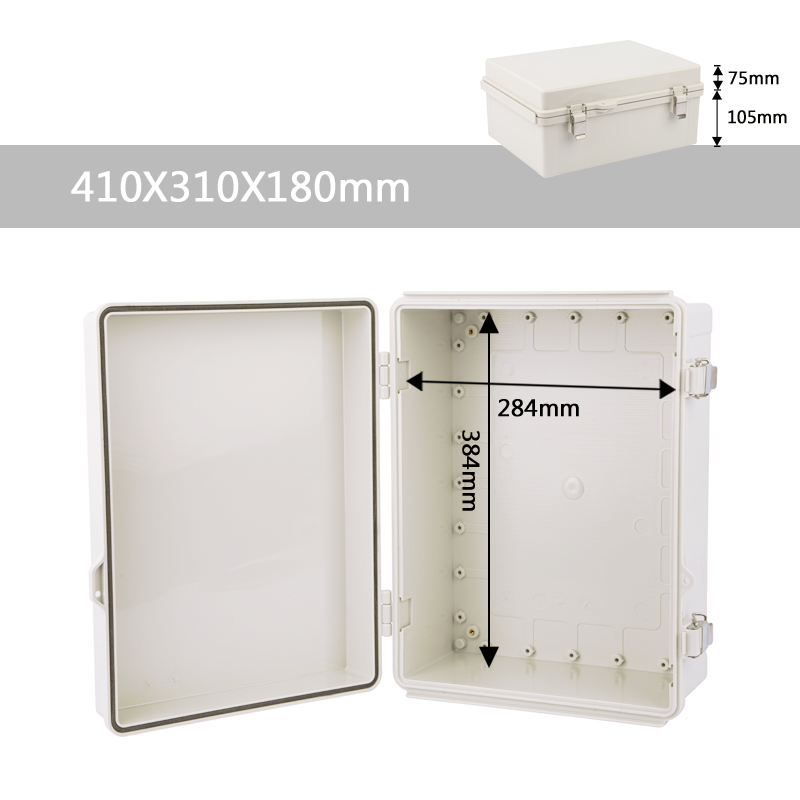
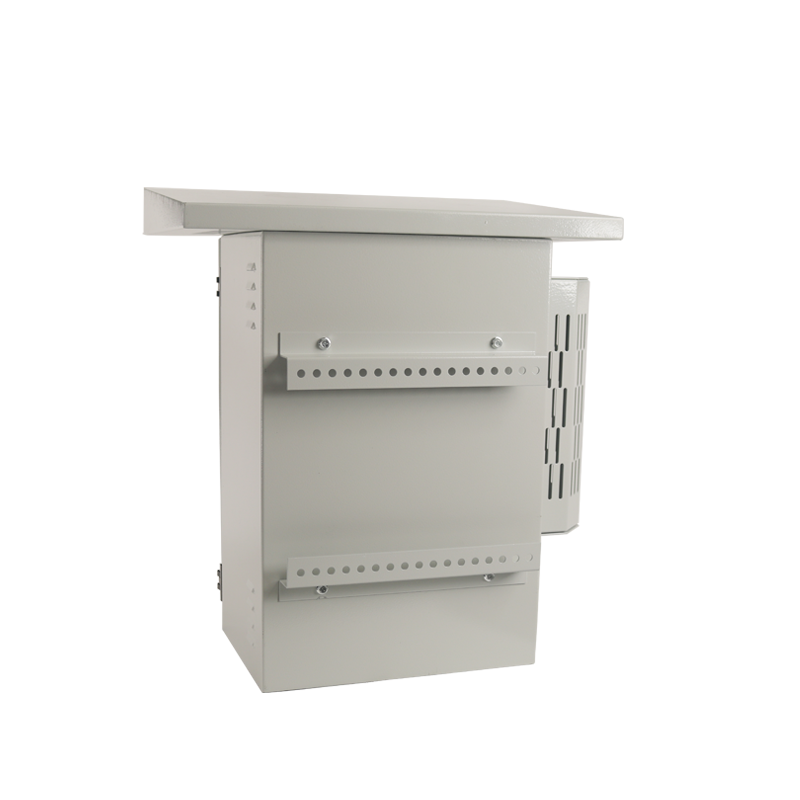
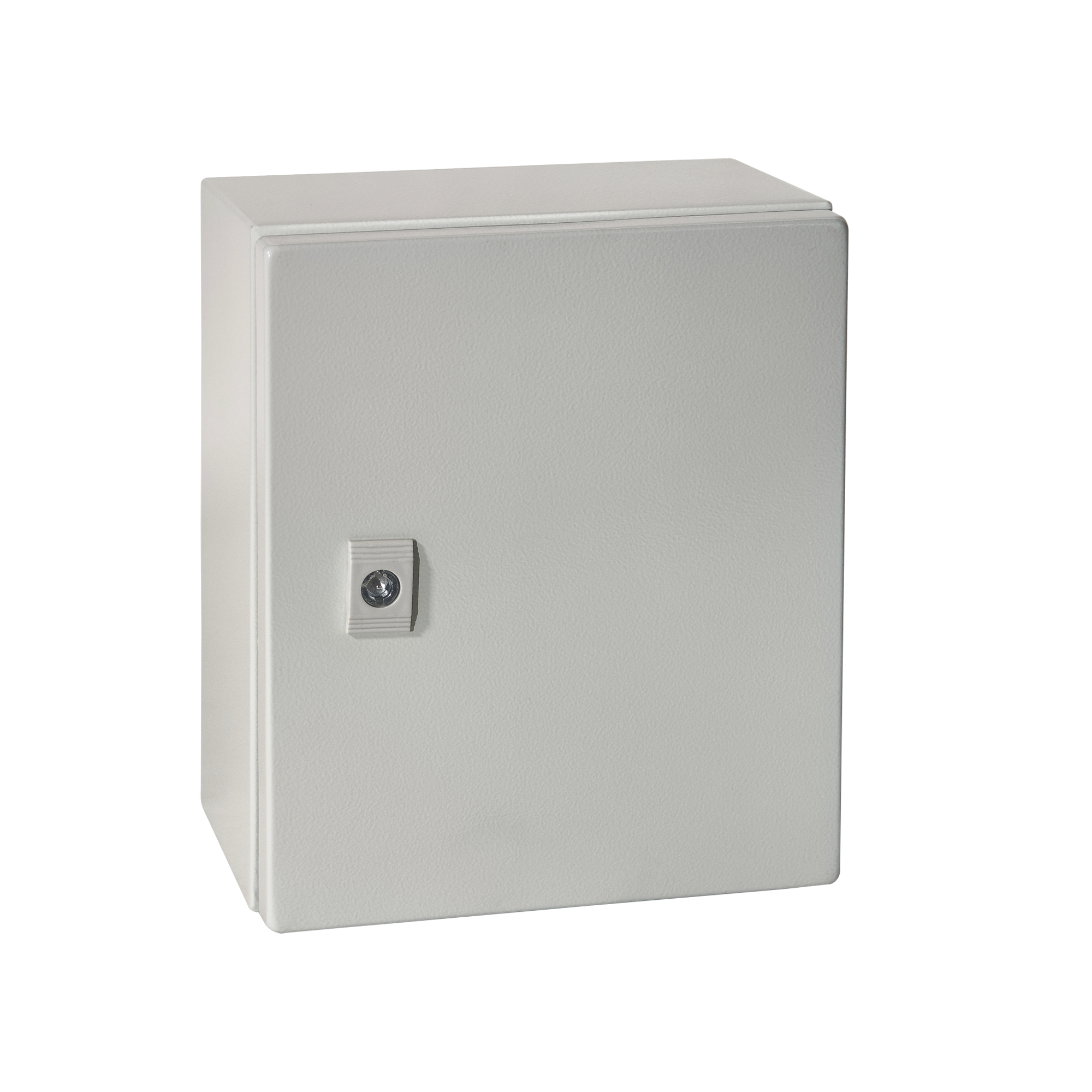
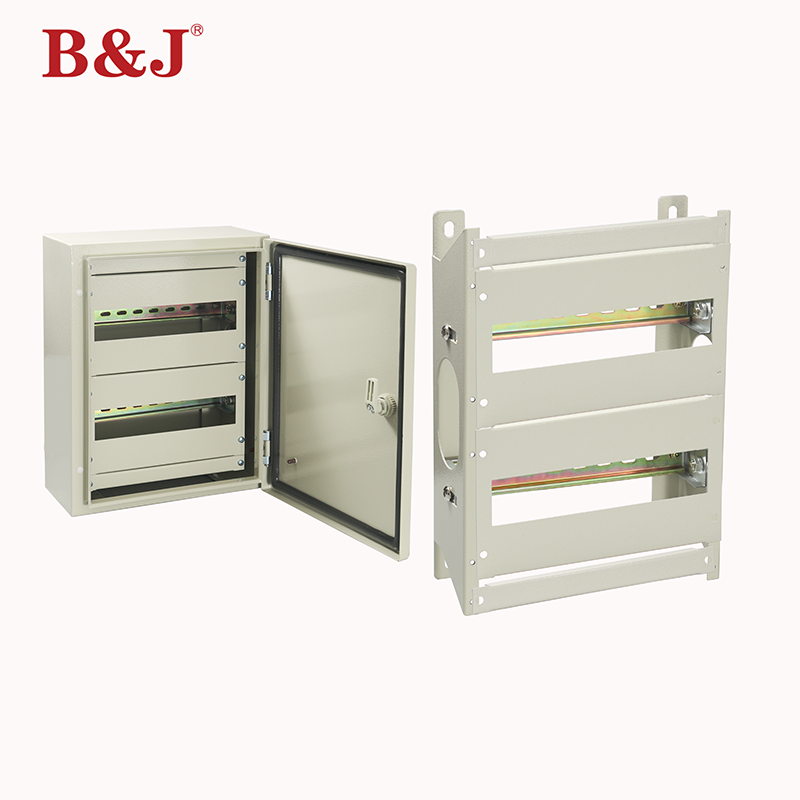
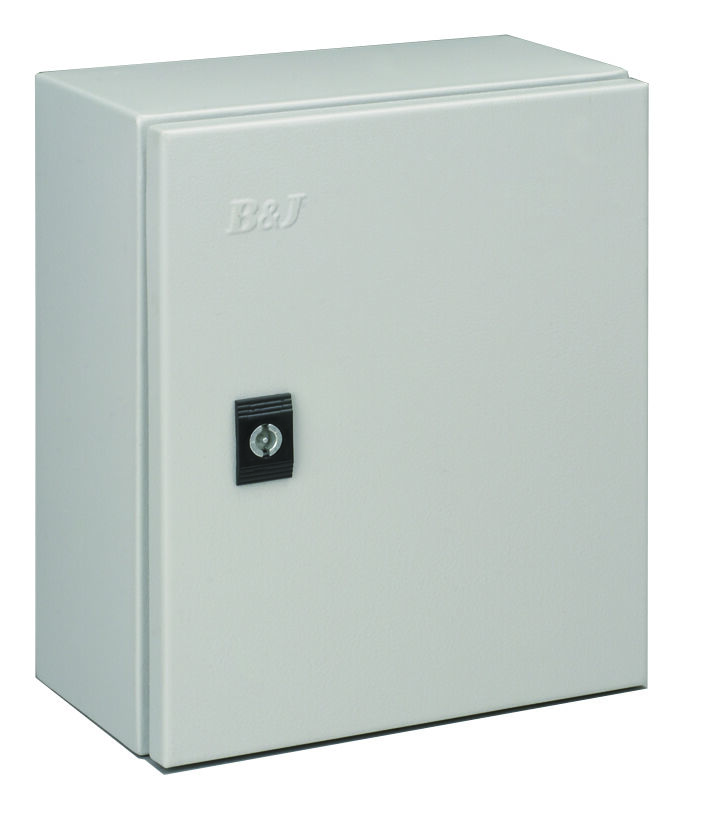
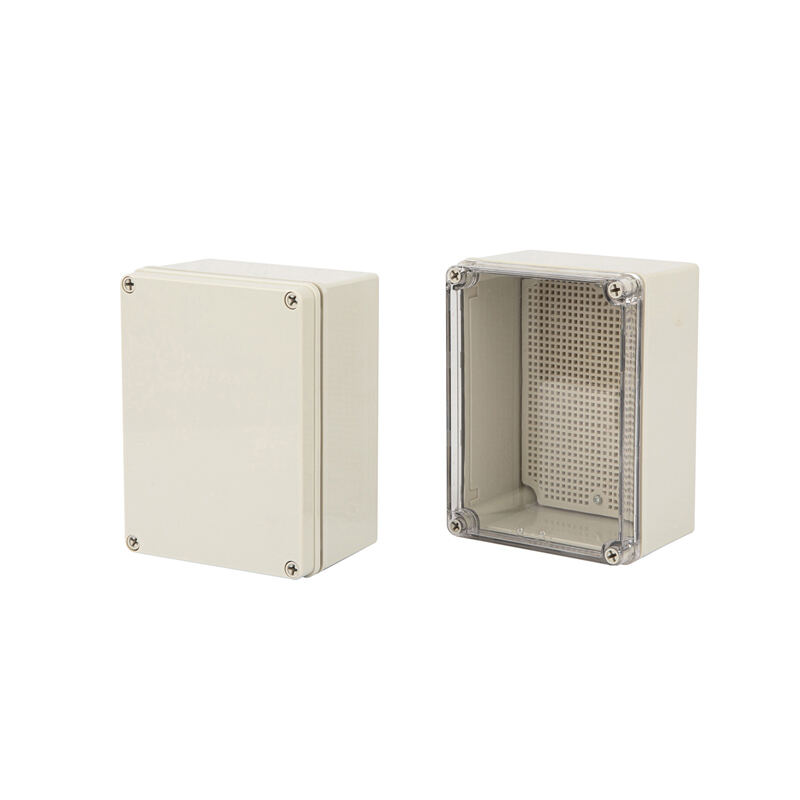
Industrial Enclosure Solutions - Advanced Protection Systems for Manufacturing Equipment

Get a Free Quote

Our representative will contact you soon.
Email
Name
Company Name
Message
0/1000

industrial enclosure

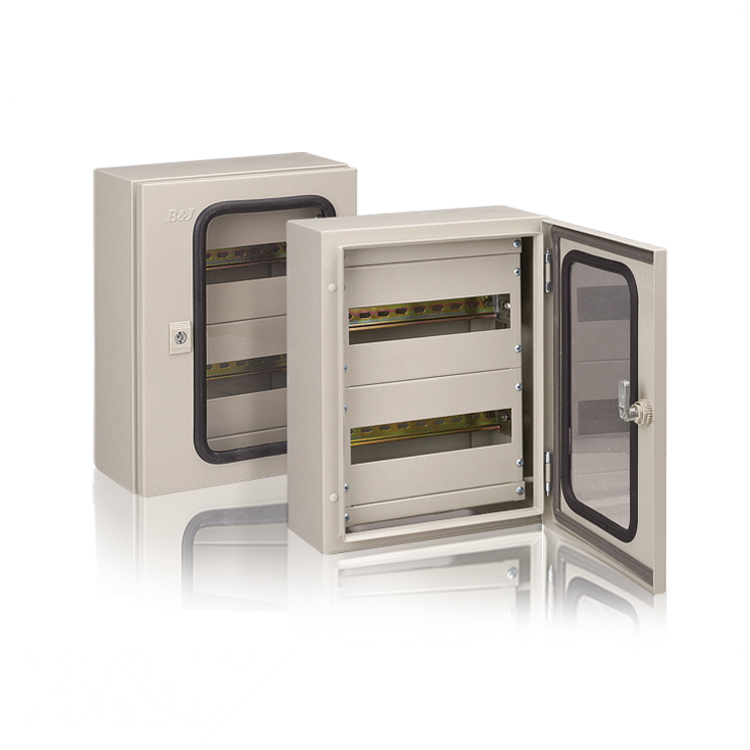
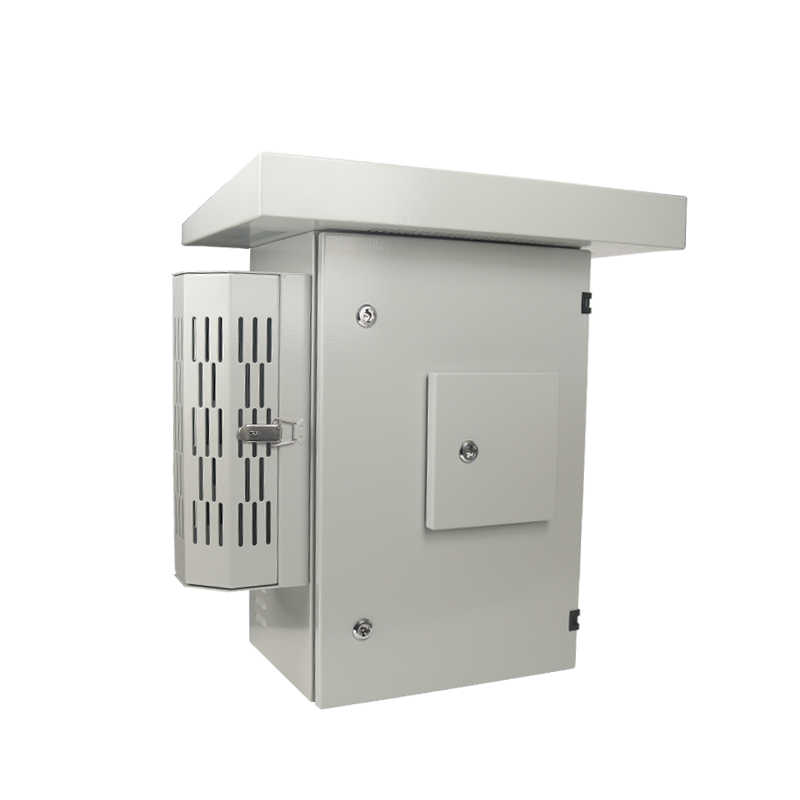
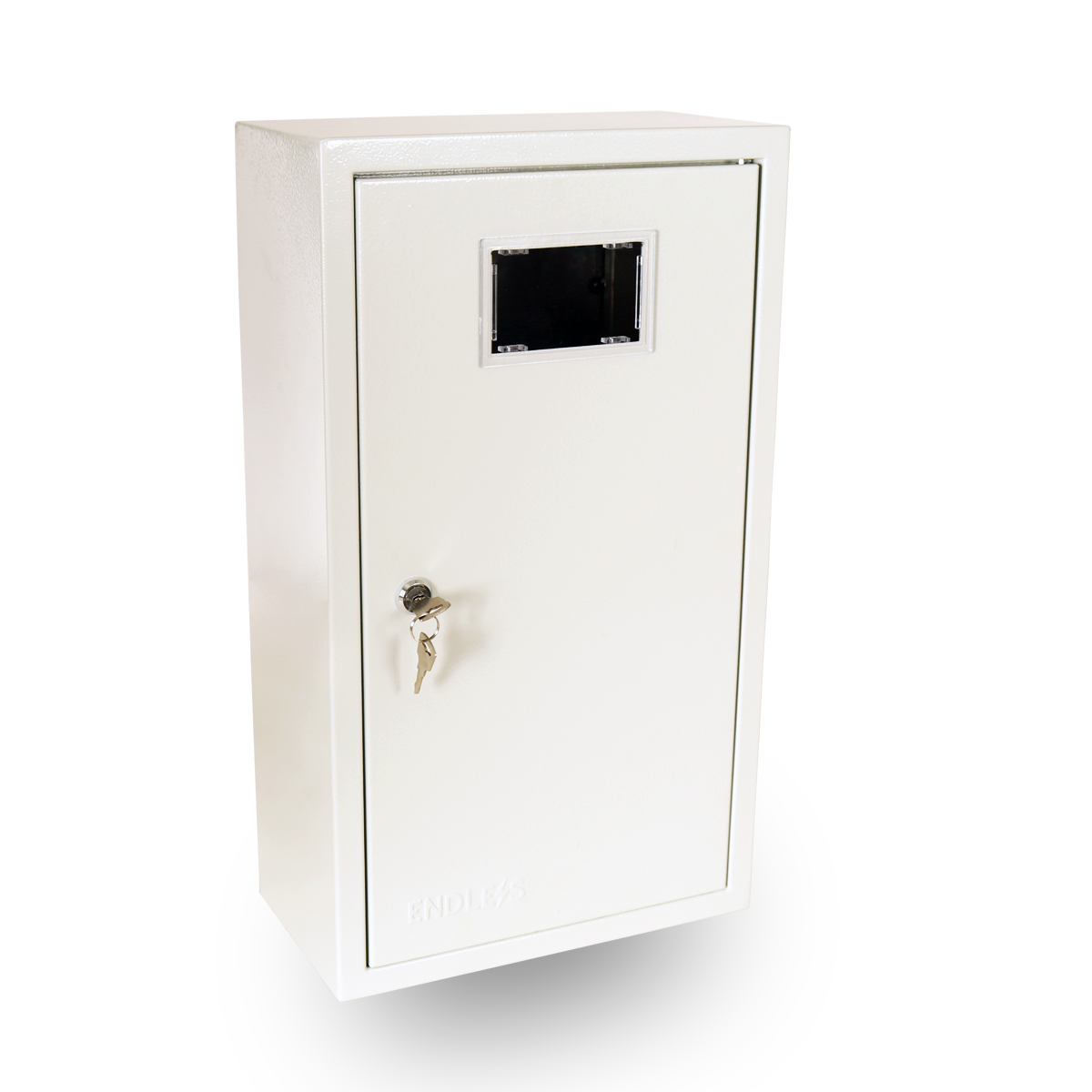
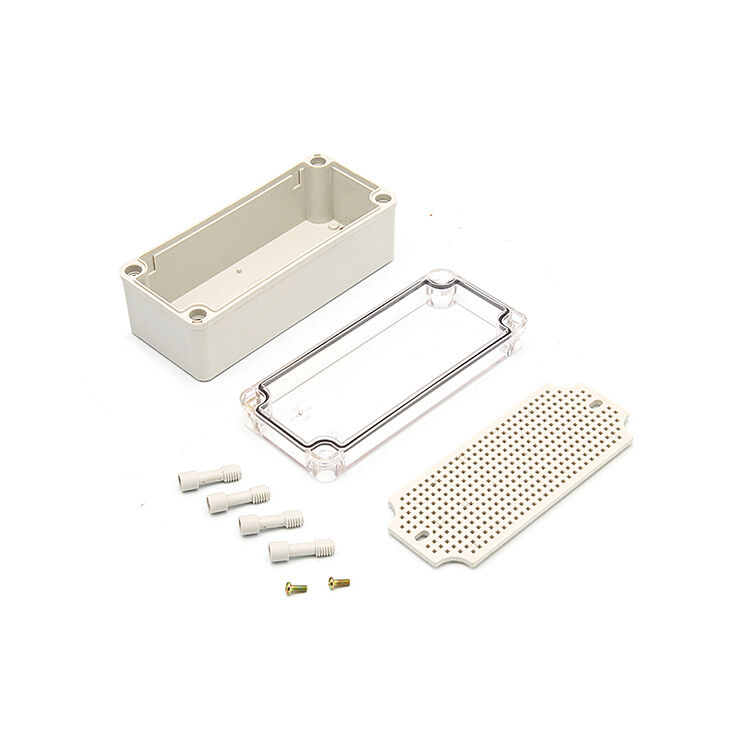
Industrial enclosure systems represent critical infrastructure components designed to protect sensitive electronic equipment, machinery, and control systems from harsh environmental conditions found in manufacturing facilities, processing plants, and outdoor installations. These robust protective housings serve as the first line of defense against dust, moisture, chemicals, extreme temperatures, and physical impacts that could compromise operational efficiency or cause equipment failure. Modern industrial enclosure solutions incorporate advanced materials science and engineering principles to deliver reliable protection while maintaining optimal accessibility for maintenance and monitoring activities. The primary functions of industrial enclosure systems extend beyond basic protection to include thermal management, electromagnetic interference shielding, and secure access control. These enclosures feature sophisticated ventilation systems, cooling mechanisms, and insulation properties that regulate internal temperatures and prevent condensation buildup. Additionally, they provide essential grounding and shielding capabilities that protect sensitive electronics from electromagnetic interference and radio frequency disruptions that could affect system performance. Technological features of contemporary industrial enclosure designs include modular construction systems, advanced sealing technologies, and integrated cable management solutions. Many enclosures incorporate stainless steel or aluminum alloy construction with specialized coatings that resist corrosion and chemical exposure. Modern designs feature ergonomic access panels, transparent viewing windows, and tool-free maintenance access that reduces downtime during service operations. Smart enclosure systems now integrate environmental monitoring sensors, remote access capabilities, and automated climate control systems that provide real-time status updates and predictive maintenance alerts. Applications for industrial enclosure systems span across diverse sectors including petrochemical processing, food and beverage production, pharmaceutical manufacturing, water treatment facilities, and renewable energy installations. These protective housings accommodate everything from simple control panels and junction boxes to complex automation systems and high-power electrical distribution equipment. Specialized enclosure variants serve unique applications such as hazardous area installations, cleanroom environments, and outdoor telecommunications infrastructure where environmental protection requirements demand exceptional performance standards.

New Product Recommendations

Industrial enclosure systems deliver substantial operational benefits that directly impact productivity, safety, and long-term cost effectiveness across diverse manufacturing and processing environments. These protective solutions significantly reduce equipment maintenance costs by preventing environmental damage that leads to premature component failure and unexpected downtime. Companies utilizing quality enclosure systems typically experience 60-70% fewer equipment failures related to environmental exposure, translating to substantial savings in repair costs and replacement parts inventory. The enhanced equipment longevity provided by proper enclosure protection extends asset lifecycles by 2-3 times compared to unprotected installations, maximizing return on capital investments. Safety improvements represent another crucial advantage of implementing comprehensive enclosure systems. These protective housings eliminate direct human contact with live electrical components, reducing workplace injury risks and ensuring compliance with occupational safety regulations. Advanced enclosure designs incorporate safety interlocks, emergency shutoffs, and visual warning systems that further enhance personnel protection during routine operations and maintenance activities. Many enclosure systems feature explosion-proof certifications for hazardous environments, enabling safe equipment operation in areas with flammable gases or combustible dust particles. Operational efficiency gains result from the improved reliability and consistent performance that enclosure systems provide. Protected equipment operates within optimal environmental parameters, maintaining accurate sensor readings, stable control system performance, and reliable communication links. This environmental stability reduces process variations, improves product quality consistency, and minimizes production disruptions caused by equipment sensitivity to temperature fluctuations or contamination. Climate-controlled enclosures enable precise temperature and humidity management, which proves essential for sensitive instrumentation and calibrated measurement devices. Maintenance efficiency improvements offer significant practical benefits for facility management teams. Well-designed enclosure systems provide organized cable routing, clear component labeling, and strategic access points that reduce troubleshooting time and simplify routine maintenance procedures. Modular enclosure designs allow for easy system expansion and component upgrades without requiring complete reinstallation. Transparent viewing windows enable visual inspection without opening enclosures, reducing exposure risks and maintaining environmental protection during routine monitoring activities. Energy efficiency advantages emerge from intelligent enclosure designs that incorporate thermal management optimization. Advanced ventilation systems, insulation materials, and heat dissipation technologies reduce cooling requirements and overall energy consumption. Smart enclosure systems with environmental monitoring capabilities enable predictive maintenance scheduling, preventing energy waste from inefficient operation and reducing emergency service calls. These efficiency improvements contribute to sustainable facility operations and reduced environmental impact.

Practical Tips

Plastic vs. Metal Junction Boxes: Cost, Durability & Install Time

25

Feb

Plastic vs. Metal Junction Boxes: Cost, Durability & Install Time

When selecting electrical enclosures for your project, choosing between a plastic or metal junction box can significantly impact both performance and budget. The junction box serves as a critical protective housing for electrical connections, safegua...
View More
3 Pro Tips for Faster Junction-Enclosure Installation

24

Mar

3 Pro Tips for Faster Junction-Enclosure Installation

Professional electricians and technicians know that efficient junction enclosure installation can significantly impact project timelines and overall quality. While many installers focus solely on electrical connections, the mounting and positioning p...
View More
Powder-Coated vs. Galvanized Metal Boxes: Which Resists Rust Longer?

23

Apr

Powder-Coated vs. Galvanized Metal Boxes: Which Resists Rust Longer?

When selecting a metal box for industrial applications, the coating choice directly impacts how long your investment will withstand corrosion and environmental challenges. Powder-coated and galvanized finishes represent two fundamentally different ap...
View More
Picking an IP66 Metal Enclosure for EV Charging Piles

23

Apr

Picking an IP66 Metal Enclosure for EV Charging Piles

Selecting the right metal enclosure for EV charging piles requires careful consideration of environmental protection standards, material durability, and installation requirements. IP66-rated metal enclosures provide the essential weatherproof barrier...
View More

Get a Free Quote

Our representative will contact you soon.
Email
Name
Company Name
Message
0/1000

industrial enclosure

Advanced Environmental Protection Technology

Advanced Environmental Protection Technology

Modern industrial enclosure systems incorporate cutting-edge environmental protection technologies that deliver unparalleled equipment safety across the most challenging operational conditions. These sophisticated protection systems utilize multi-layer defense strategies combining advanced materials science, precision engineering, and intelligent monitoring capabilities to ensure consistent equipment performance regardless of external environmental factors. The foundation of superior environmental protection begins with high-grade materials specifically selected for their resistance to corrosion, chemical exposure, and extreme temperature variations. Premium industrial enclosure systems feature marine-grade aluminum alloys, 316L stainless steel construction, and specialized polymer coatings that maintain structural integrity even when exposed to aggressive chemicals, salt spray, and ultraviolet radiation. Advanced sealing technologies employ multiple gasket systems, compression seals, and dynamic weatherstripping that create hermetic barriers against moisture infiltration, dust penetration, and gas ingress. These sealing systems maintain their effectiveness across wide temperature ranges and accommodate thermal expansion without compromising protection integrity. Intelligent thermal management represents a crucial component of modern enclosure protection technology. Sophisticated ventilation systems utilize temperature-responsive fans, heat exchangers, and thermoelectric cooling elements that maintain optimal internal temperatures while preventing condensation formation. Advanced enclosures incorporate phase-change materials and thermal barriers that absorb excess heat during peak load conditions and release it during cooler periods, creating stable internal environments. Environmental monitoring sensors continuously track temperature, humidity, vibration, and air quality parameters, providing real-time feedback for automated climate control systems. This intelligent monitoring enables predictive maintenance scheduling and early warning detection of environmental conditions that could threaten equipment integrity. The integration of electromagnetic interference shielding technology ensures that sensitive electronic components remain protected from radio frequency interference and electromagnetic pulses that could disrupt system operations. Specialized conductive gaskets, shielded cable entries, and Faraday cage construction principles create comprehensive electromagnetic protection that meets or exceeds international EMI/EMC standards. These protection features prove essential for facilities operating in proximity to high-power radio transmissions, electric motor systems, or welding operations that generate significant electromagnetic disturbances.
Modular Design Flexibility and Scalability

Modular Design Flexibility and Scalability

Contemporary industrial enclosure systems embrace modular design principles that provide unprecedented flexibility for facility planning, system expansion, and operational adaptation to evolving production requirements. This innovative approach to enclosure engineering enables facilities to implement cost-effective protection solutions that grow with their operational needs while maintaining consistent performance standards and aesthetic integration. Modular enclosure architecture utilizes standardized frame components, interchangeable panels, and universal mounting systems that support rapid configuration changes and seamless integration with existing infrastructure. The modular design framework enables facilities to start with basic protection requirements and systematically add advanced features such as climate control systems, environmental monitoring equipment, and specialized access controls as operational needs evolve. This scalable approach significantly reduces initial capital investment while ensuring future expansion capabilities remain readily available. Standardized component interfaces allow for easy integration of third-party equipment, custom mounting solutions, and specialized accessories without requiring complete system redesign or replacement. Flexible mounting options accommodate diverse equipment configurations, from compact control panels to large-scale automation systems, ensuring optimal space utilization and ergonomic access for maintenance personnel. Advanced modular systems incorporate tool-free assembly mechanisms that enable rapid deployment and reconfiguration without specialized installation equipment or extensive technical expertise. Quick-release fasteners, snap-fit connections, and slide-lock mechanisms allow maintenance teams to modify enclosure configurations in minutes rather than hours, reducing downtime and operational disruptions. Interchangeable door panels, viewing windows, and ventilation grilles enable facilities to adapt enclosure specifications to changing environmental conditions or equipment requirements without replacing entire enclosure systems. Cable management modularity represents another significant advantage of flexible enclosure design. Standardized cable entry systems, routing channels, and termination panels accommodate diverse wiring configurations while maintaining organized installation aesthetics and simplified troubleshooting procedures. Modular cable management systems support easy addition of new circuits, instrumentation connections, and communication links without disturbing existing wiring infrastructure. The economic benefits of modular enclosure systems extend beyond initial cost savings to include reduced maintenance expenses, simplified inventory management, and improved asset utilization. Standardized components reduce spare parts inventory requirements while ensuring consistent replacement availability across multiple installation sites. Modular designs facilitate equipment upgrades and technology refreshes without requiring complete enclosure replacement, protecting facility investments and extending asset lifecycles.
Enhanced Safety and Compliance Features

Enhanced Safety and Compliance Features

Industrial enclosure systems incorporate comprehensive safety features and regulatory compliance capabilities that protect personnel, ensure operational continuity, and maintain adherence to stringent industry standards across diverse manufacturing and processing environments. These advanced safety systems integrate multiple protection layers, intelligent monitoring technologies, and fail-safe mechanisms that create secure working environments while supporting efficient operational workflows. Personnel protection features represent the cornerstone of modern enclosure safety design. Advanced access control systems utilize key locks, digital keypads, and biometric authentication to restrict unauthorized access while providing emergency override capabilities for critical situations. Safety interlocks prevent equipment operation when enclosure doors remain open, eliminating risks associated with inadvertent contact with live electrical components or moving machinery. Visual and audible warning systems alert personnel to potential hazards, system status changes, and emergency conditions, ensuring immediate awareness of safety-critical situations. Emergency stop mechanisms provide instant system shutdown capabilities accessible from multiple locations, enabling rapid response to dangerous conditions. Arc flash protection systems incorporate specialized venting mechanisms, pressure relief systems, and flame-resistant construction materials that contain and redirect dangerous electrical fault energy away from personnel and adjacent equipment. These protection systems meet or exceed NFPA 70E standards and provide documented arc flash incident energy ratings that support proper personal protective equipment selection and safe work distance calculations. Ground fault protection, overcurrent detection, and insulation monitoring systems provide continuous electrical safety monitoring with automatic shutdown capabilities when dangerous conditions develop. Explosion-proof enclosure designs serve hazardous location applications where flammable gases, vapors, or combustible dust particles create potential ignition risks. These specialized enclosures feature flame-resistant construction, controlled surface temperatures, and sealed cable entries that prevent ignition sources from contacting dangerous atmospheres. Certification compliance with ATEX, IECEx, and NEC Class I, II, III standards ensures global regulatory acceptance and operational authorization across diverse geographic regions and industry sectors. Environmental safety features address contamination control, emissions prevention, and waste management requirements that protect both personnel and surrounding ecosystems. Sealed construction prevents hazardous material leakage while specialized filtration systems capture and contain potentially dangerous particles or vapors generated during normal operations. Documentation and traceability systems maintain comprehensive records of safety inspections, maintenance activities, and compliance verification procedures that support regulatory audits and insurance requirements. Digital monitoring platforms provide real-time safety status reporting, automated compliance tracking, and predictive maintenance alerts that prevent safety system failures before they compromise personnel protection or operational integrity.

Industrial Enclosure Solutions - Advanced Protection Systems for Manufacturing Equipment

Get a Free Quote

Our representative will contact you soon.
Email
Name
Company Name
Message
0/1000