Ventilated Industrial Cabinet Solutions | Advanced Thermal Management & Environmental Protection

Get a Free Quote

Our representative will contact you soon.
Email
Name
Company Name
Message
0/1000

ventilated industrial cabinet

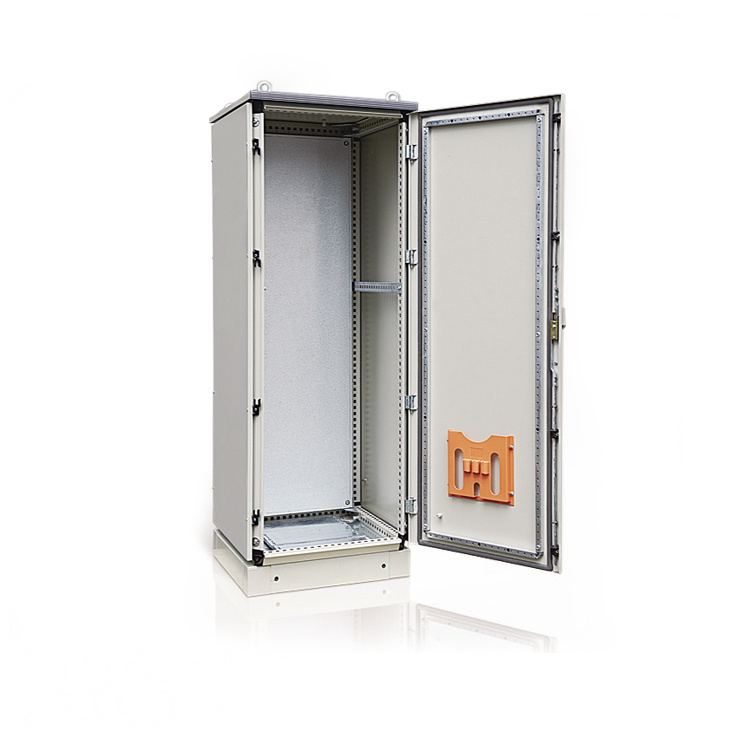
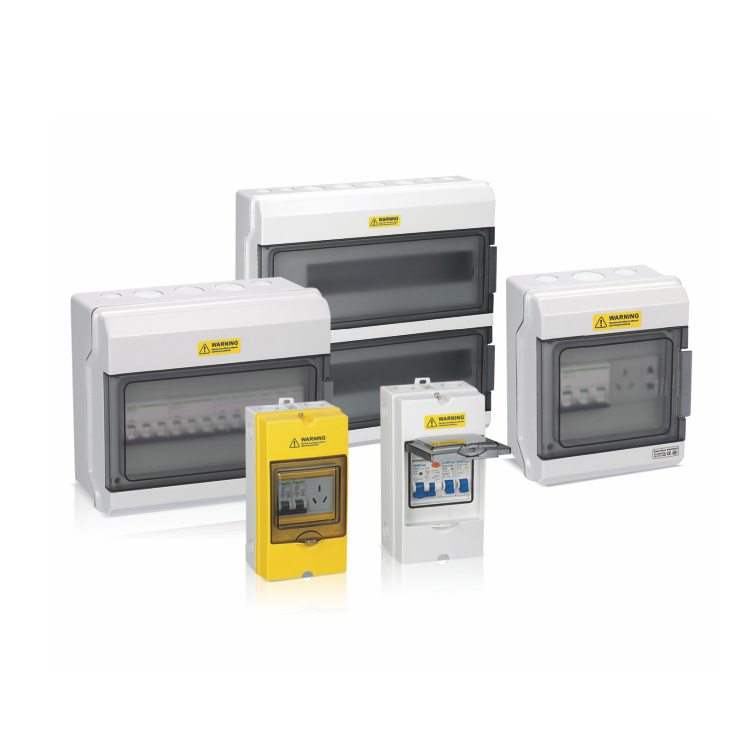
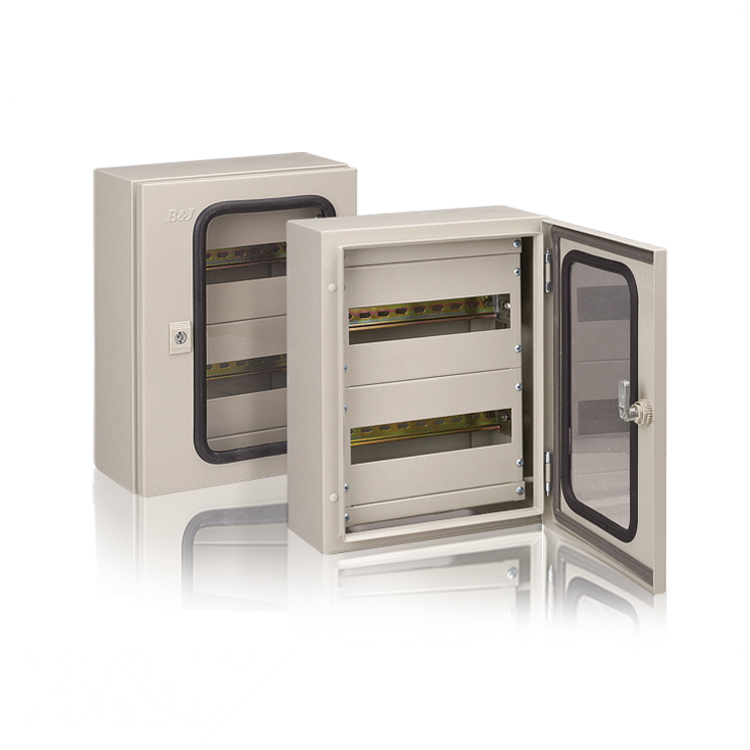
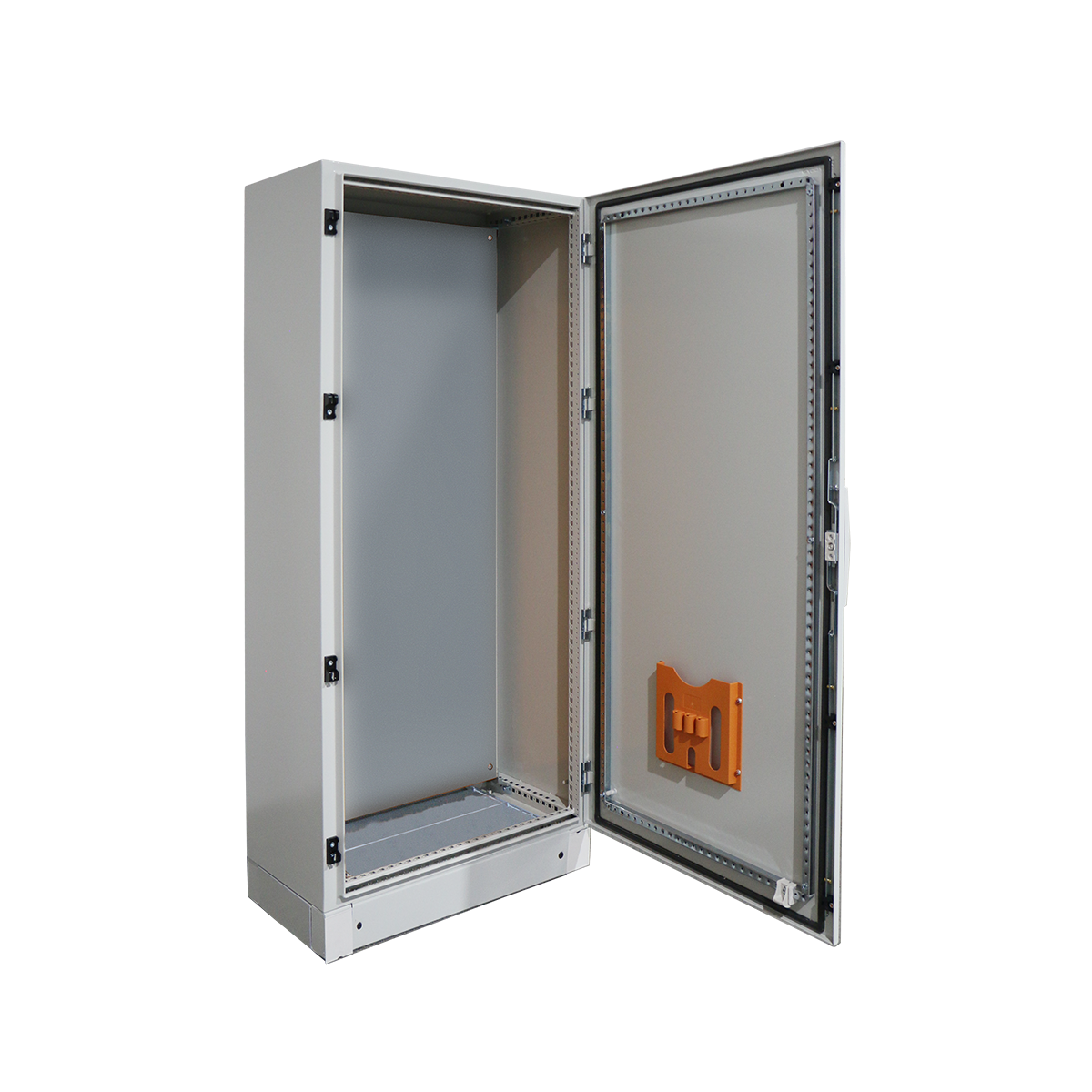
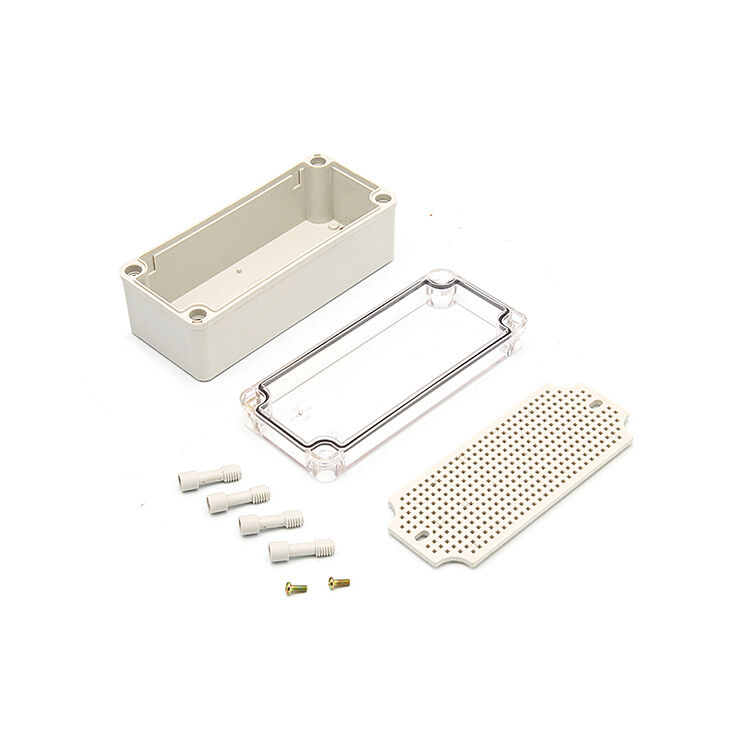
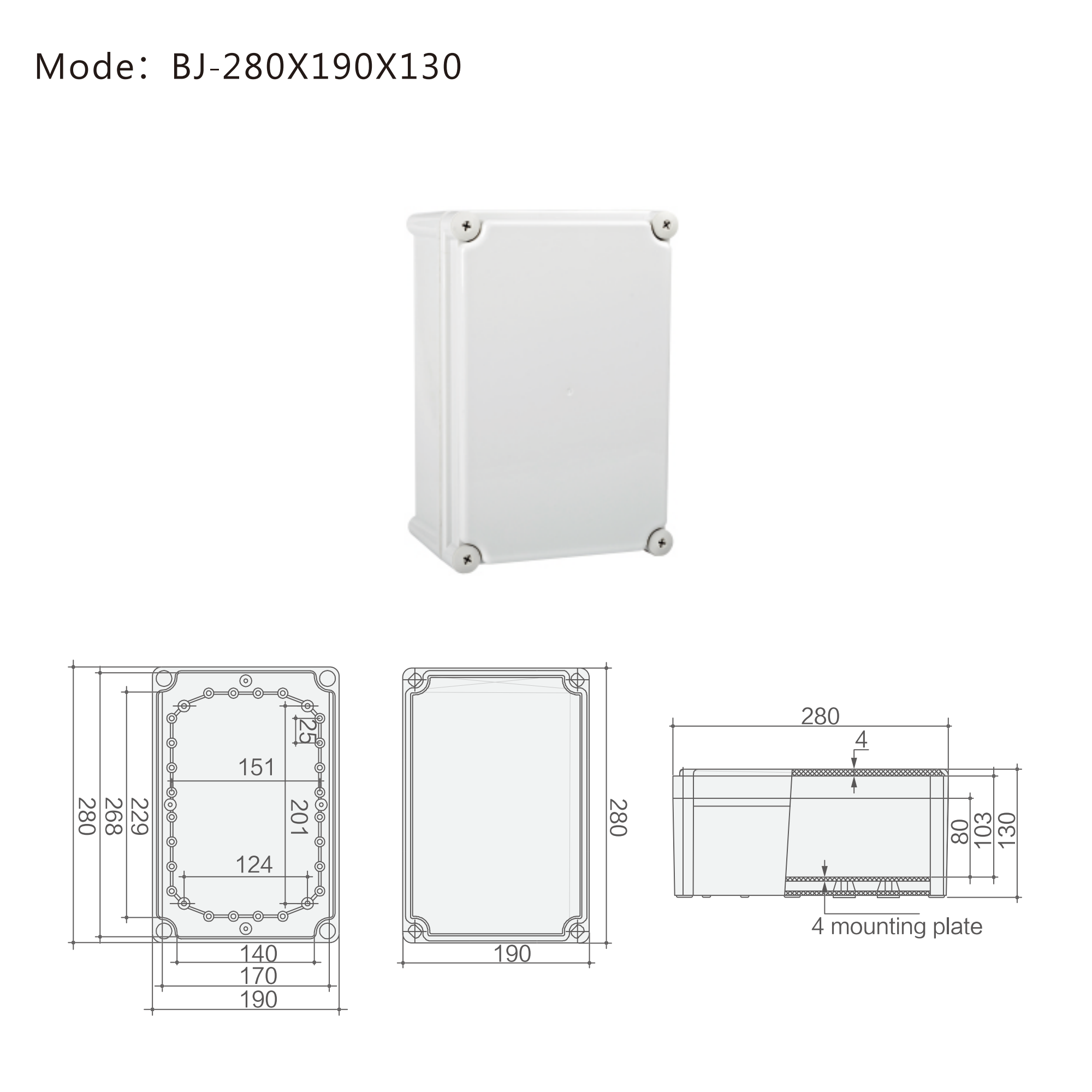
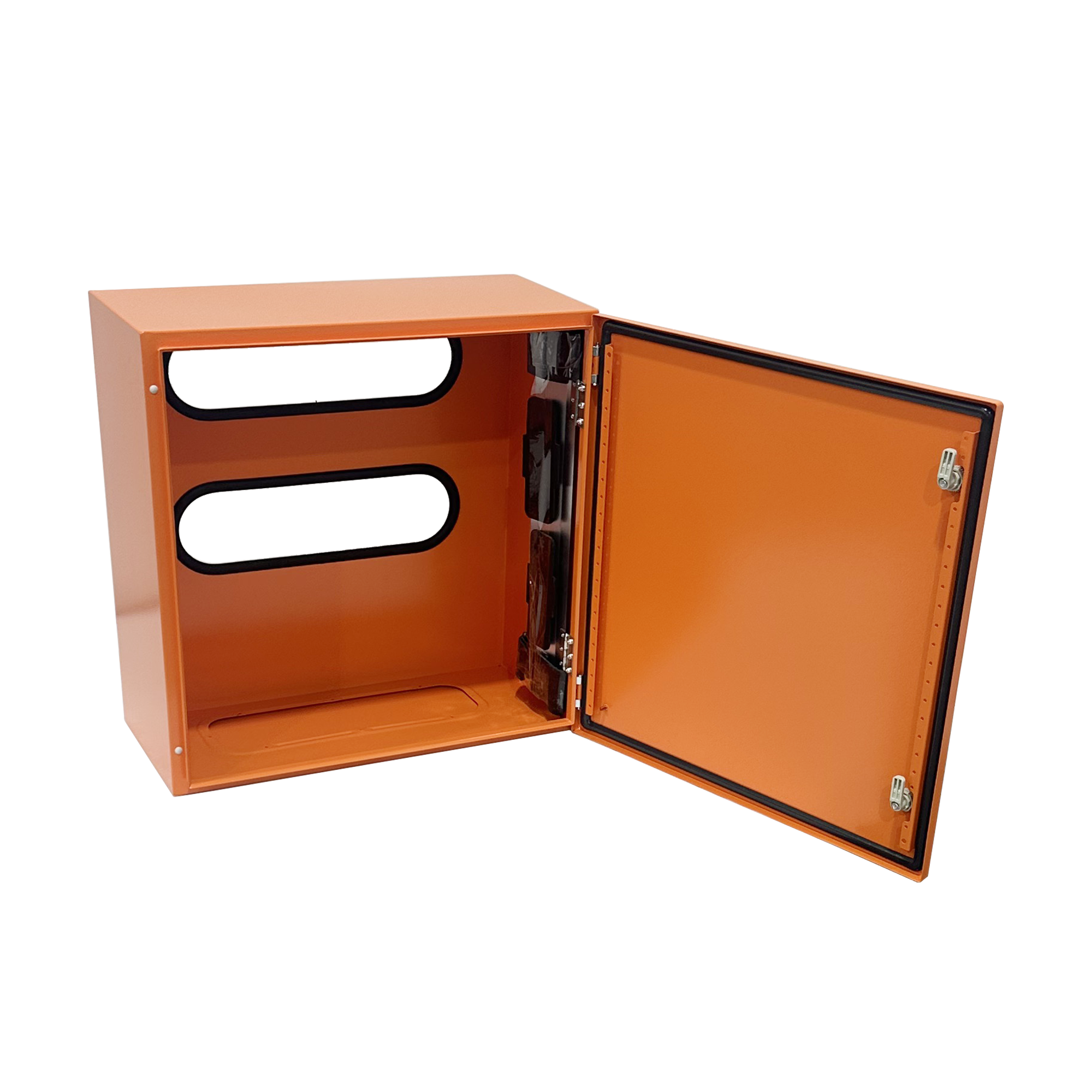
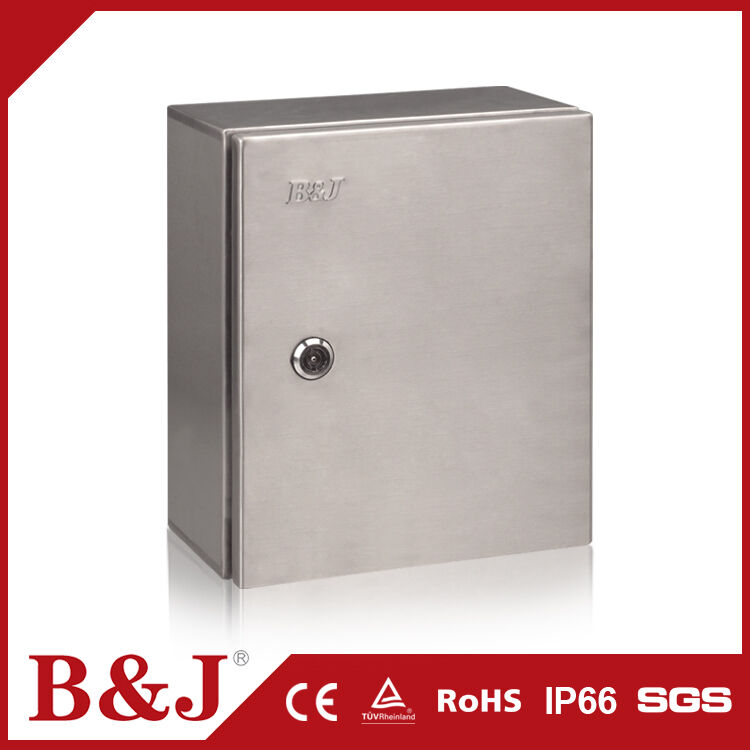
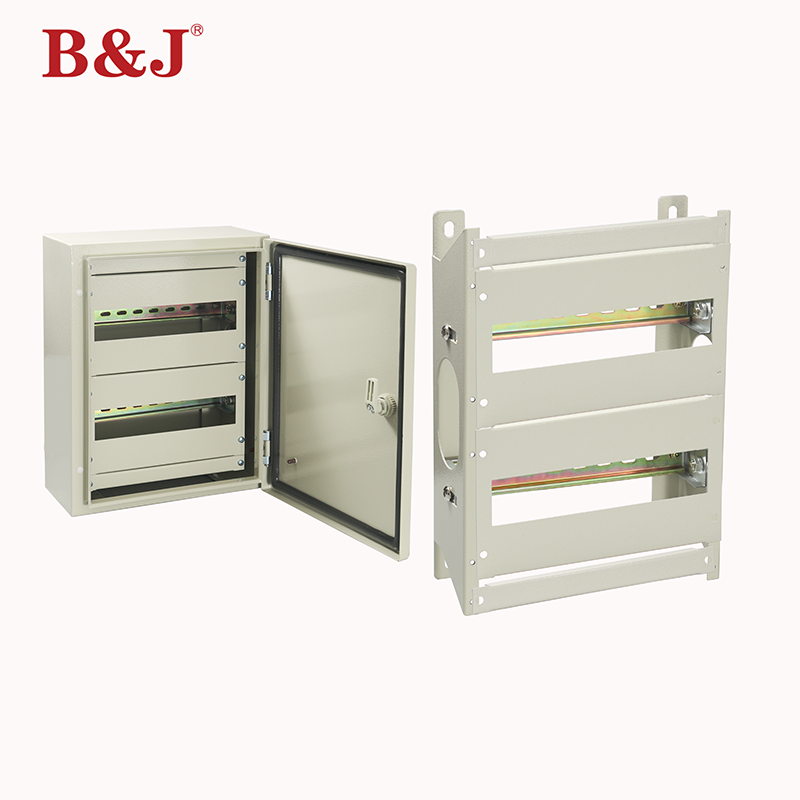
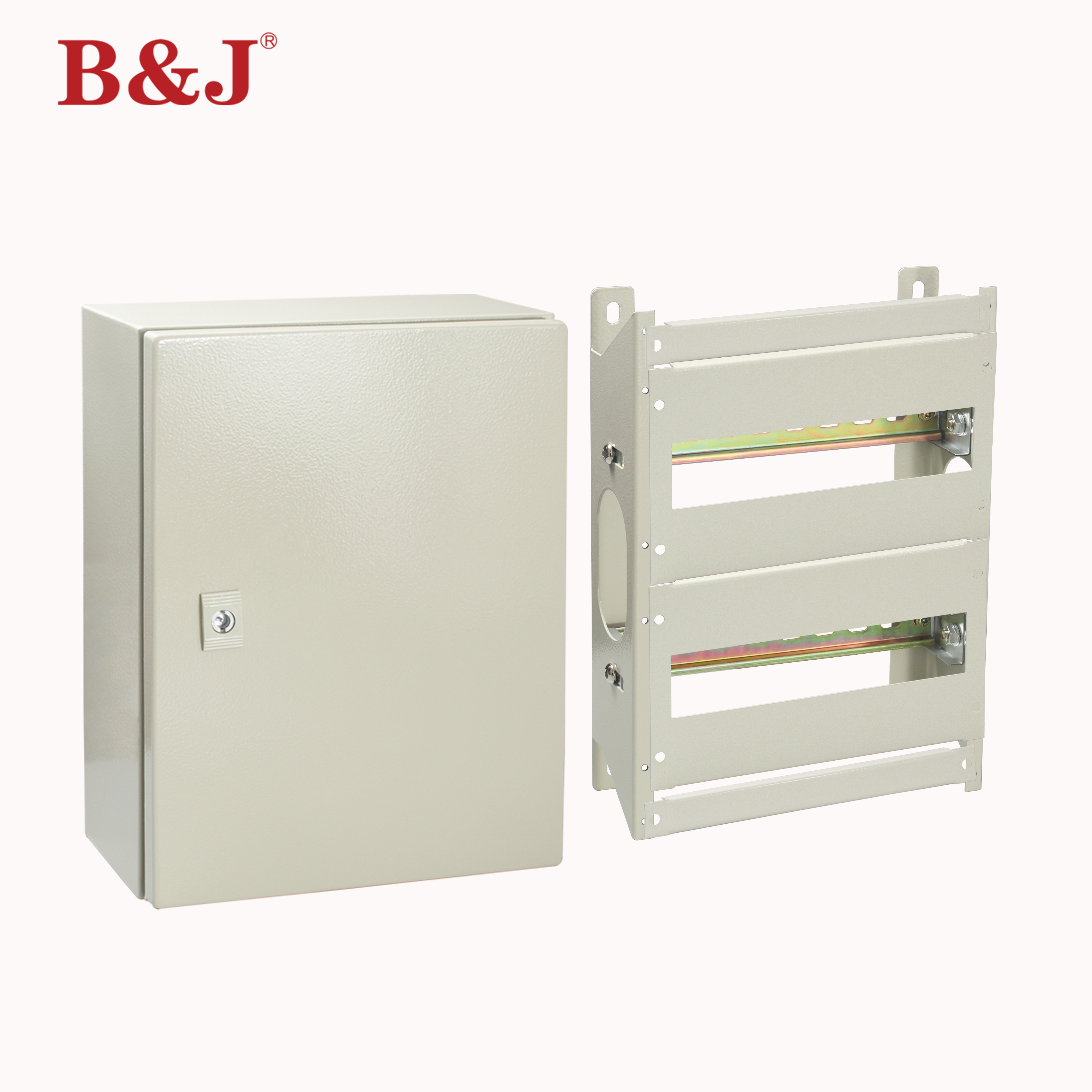
A ventilated industrial cabinet represents a critical infrastructure component designed to protect and organize electronic equipment while maintaining optimal operating conditions through advanced airflow management systems. These specialized enclosures feature integrated ventilation mechanisms that ensure continuous air circulation, preventing equipment overheating and maintaining stable internal temperatures. The ventilated industrial cabinet incorporates strategically positioned intake and exhaust vents, often equipped with filtered air systems to prevent dust accumulation and contamination. Modern units utilize sophisticated thermal management technologies, including variable-speed fans, temperature sensors, and automated climate control systems that respond dynamically to changing internal conditions. The cabinet construction typically employs heavy-duty steel or aluminum materials with powder-coated finishes for enhanced durability and corrosion resistance. Mounting systems accommodate various equipment configurations, from standard rack-mounted servers to custom industrial control systems. Cable management features include organized routing channels, removable panels, and secure access points that facilitate maintenance while preserving ventilation efficiency. Security measures encompass lockable doors, tamper-evident seals, and optional access control integration for sensitive installations. The ventilated industrial cabinet finds extensive applications across telecommunications, data centers, manufacturing facilities, power distribution networks, and outdoor installations where environmental protection remains paramount. These enclosures support critical infrastructure by housing servers, network switches, power supplies, control systems, and monitoring equipment in challenging environments. Weather-resistant models withstand extreme temperatures, humidity fluctuations, and exposure to dust, rain, and UV radiation. Indoor applications benefit from noise reduction features and aesthetic designs that integrate seamlessly with facility architecture while maintaining superior ventilation performance and equipment accessibility.

New Product Recommendations

The ventilated industrial cabinet delivers exceptional temperature regulation that significantly extends equipment lifespan and reduces maintenance costs through consistent thermal management. Unlike standard enclosures, these systems actively prevent heat buildup that causes premature component failure and system instability. The integrated ventilation system maintains optimal operating temperatures even under heavy computational loads or extreme ambient conditions. This temperature control translates directly into improved equipment reliability, reduced downtime, and substantial cost savings over the equipment lifecycle. Energy efficiency represents another compelling advantage, as proper ventilation reduces the burden on external cooling systems and minimizes overall power consumption. The cabinet design optimizes airflow patterns to maximize cooling effectiveness while minimizing energy usage, resulting in lower operational expenses and reduced environmental impact. Installation flexibility allows these cabinets to function effectively in diverse environments where traditional cooling solutions prove impractical or cost-prohibitive. The ventilated industrial cabinet adapts to space constraints, power limitations, and environmental challenges that would otherwise compromise equipment performance. Maintenance accessibility features simplify routine servicing and equipment upgrades through removable panels, organized cable management, and clear equipment visibility. Technicians can perform necessary maintenance tasks quickly and safely without disrupting adjacent systems or compromising ventilation efficiency. The modular design supports future expansion and reconfiguration as operational requirements evolve. Dust and contamination protection through filtered ventilation systems prevents particulate buildup that degrades equipment performance and causes premature failure. The filtration system captures airborne contaminants while maintaining adequate airflow for thermal management. Security features protect valuable equipment investments through robust construction, secure locking mechanisms, and optional monitoring integration. The cabinet design deters unauthorized access while facilitating legitimate maintenance and operational activities. Weather resistance enables deployment in challenging outdoor environments where equipment exposure would otherwise prove problematic. The protective enclosure withstands rain, snow, extreme temperatures, and UV radiation while maintaining internal climate control. Cost-effectiveness emerges through reduced equipment replacement frequency, lower maintenance requirements, and improved operational efficiency that offset initial investment costs. The ventilated industrial cabinet provides superior value compared to alternative solutions through comprehensive protection and enhanced equipment performance.

Practical Tips

Plastic vs. Metal Junction Boxes: Cost, Durability & Install Time

25

Feb

Plastic vs. Metal Junction Boxes: Cost, Durability & Install Time

When selecting electrical enclosures for your project, choosing between a plastic or metal junction box can significantly impact both performance and budget. The junction box serves as a critical protective housing for electrical connections, safegua...
View More
Junction Enclosure vs. Junction Box: Key Differences Explained

24

Mar

Junction Enclosure vs. Junction Box: Key Differences Explained

When selecting protective electrical housing for industrial applications, understanding the distinction between a junction enclosure and a junction box becomes crucial for ensuring optimal performance and safety. While these terms are often used inte...
View More
Laser Cutting vs. CNC Punching: Which Lowers Metal-Enclosure Costs?

23

Apr

Laser Cutting vs. CNC Punching: Which Lowers Metal-Enclosure Costs?

Manufacturing cost optimization remains a critical factor when selecting fabrication methods for metal enclosure production. The choice between laser cutting and CNC punching directly impacts both initial tooling investments and per-unit production e...
View More
Are Plastic Enclosures Durable? 2025 New-Material Lab Report

23

Apr

Are Plastic Enclosures Durable? 2025 New-Material Lab Report

Modern industrial applications demand housing solutions that can withstand harsh environmental conditions while maintaining cost-effectiveness and design flexibility. The durability question surrounding plastic enclosure technology has become increas...
View More

Get a Free Quote

Our representative will contact you soon.
Email
Name
Company Name
Message
0/1000

ventilated industrial cabinet

Advanced Thermal Management System

Advanced Thermal Management System

The ventilated industrial cabinet incorporates cutting-edge thermal management technology that revolutionizes equipment protection and performance optimization in demanding industrial environments. This sophisticated system employs multiple layers of temperature control, beginning with strategically positioned ventilation openings that create optimal airflow patterns throughout the enclosure interior. The design utilizes computational fluid dynamics principles to maximize cooling efficiency while minimizing energy consumption and noise generation. Variable-speed fans automatically adjust their operation based on real-time temperature monitoring, ensuring consistent internal climate conditions regardless of external environmental fluctuations or equipment load variations. Temperature sensors positioned at critical locations provide continuous feedback to the control system, enabling precise thermal regulation that prevents hot spots and maintains uniform temperature distribution. The ventilated industrial cabinet thermal management system includes redundant cooling components that ensure uninterrupted operation even during component maintenance or unexpected failures. This reliability proves essential in mission-critical applications where equipment downtime results in significant operational disruption and financial losses. The system design accommodates high-density equipment installations that generate substantial heat loads, making it ideal for modern server farms, telecommunications hubs, and industrial control centers. Heat exchanger integration options provide additional cooling capacity for extreme thermal challenges while maintaining energy efficiency standards. The thermal management system extends equipment lifespan significantly by preventing thermal stress that degrades electronic components over time. This protection translates into reduced replacement costs, improved system reliability, and enhanced operational continuity. The ventilated industrial cabinet thermal system operates quietly, making it suitable for office environments and noise-sensitive installations where traditional cooling solutions prove disruptive. Customization options allow thermal system optimization for specific equipment requirements and environmental conditions, ensuring maximum effectiveness across diverse applications.
Superior Environmental Protection

Superior Environmental Protection

The ventilated industrial cabinet delivers comprehensive environmental protection that safeguards critical equipment investments against diverse hazards while maintaining optimal internal conditions. This protection begins with robust enclosure construction using premium materials engineered to withstand harsh industrial conditions, extreme weather, and potential security threats. The cabinet features advanced sealing systems that prevent moisture infiltration while allowing controlled ventilation, creating a perfect balance between environmental protection and thermal management. Corrosion-resistant coatings and materials ensure long-term durability in challenging environments where salt spray, chemical exposure, or extreme humidity would compromise standard enclosures. The ventilated industrial cabinet incorporates multi-stage filtration systems that remove airborne contaminants, dust particles, and corrosive substances before they can reach sensitive equipment. These filtration systems maintain air quality while preserving ventilation effectiveness, preventing the accumulation of debris that could cause equipment malfunctions or premature failure. UV-resistant exterior finishes protect against solar degradation, maintaining structural integrity and aesthetic appearance throughout extended outdoor exposure. The cabinet design includes drainage systems and condensation management features that prevent water accumulation and humidity-related problems. Electromagnetic interference shielding protects sensitive electronic equipment from external RF signals and electrical noise that could disrupt operations or cause data corruption. The environmental protection system extends to security features including tamper-evident seals, reinforced locking mechanisms, and optional intrusion detection integration. These security measures protect against theft, vandalism, and unauthorized access while maintaining accessibility for legitimate maintenance activities. The ventilated industrial cabinet environmental protection adapts to extreme temperature ranges, from arctic conditions to desert environments, ensuring reliable equipment operation regardless of climate challenges. This versatility makes the cabinet suitable for global deployments where environmental conditions vary dramatically between installation sites. The protection system includes vibration damping features that shield equipment from mechanical shock and seismic activity, crucial for installations in high-traffic areas or regions prone to geological instability.
Flexible Installation and Maintenance Solutions

Flexible Installation and Maintenance Solutions

The ventilated industrial cabinet offers unparalleled installation flexibility and maintenance convenience that reduces deployment complexity and operational overhead across diverse applications. This flexibility begins with modular design architecture that accommodates various equipment configurations, from standard 19-inch rack systems to custom industrial control panels and specialized instrumentation. The cabinet supports both indoor and outdoor installations through adaptable mounting options including wall-mounted, floor-standing, and pole-mounted configurations that integrate seamlessly with existing infrastructure. Installation efficiency improves through pre-engineered cable entry systems, standardized mounting hardware, and comprehensive documentation that reduces deployment time and minimizes installation errors. The ventilated industrial cabinet design incorporates tool-free access panels and quick-release mechanisms that facilitate routine maintenance without requiring specialized equipment or extensive disassembly procedures. This accessibility proves crucial in remote installations where maintenance visits are costly and time-consuming. Cable management systems within the cabinet organize connections systematically, preventing tangled wiring that complicates troubleshooting and equipment upgrades. The organized approach reduces maintenance time and improves system reliability by preventing accidental disconnections or cable damage during service activities. Removable component mounting allows equipment reconfiguration and expansion without cabinet replacement, protecting the initial infrastructure investment while adapting to evolving operational requirements. The ventilated industrial cabinet supports hot-swappable components in critical applications, enabling equipment replacement without system shutdown or service interruption. This capability proves essential in continuous-operation environments where downtime results in significant operational impact. Diagnostic integration features provide remote monitoring capabilities that enable proactive maintenance scheduling and immediate problem identification. These monitoring systems reduce unscheduled maintenance requirements and prevent minor issues from developing into major system failures. The cabinet design includes future-proofing features that accommodate emerging technologies and evolving equipment standards without requiring complete replacement. This adaptability protects infrastructure investments and reduces total cost of ownership over the system lifecycle. Maintenance documentation systems integrated into the cabinet design provide clear instructions, component identification, and safety procedures that enable efficient service activities by personnel with varying technical expertise levels.
Ventilated Industrial Cabinet Solutions | Advanced Thermal Management & Environmental Protection

Get a Free Quote

Our representative will contact you soon.
Email
Name
Company Name
Message
0/1000