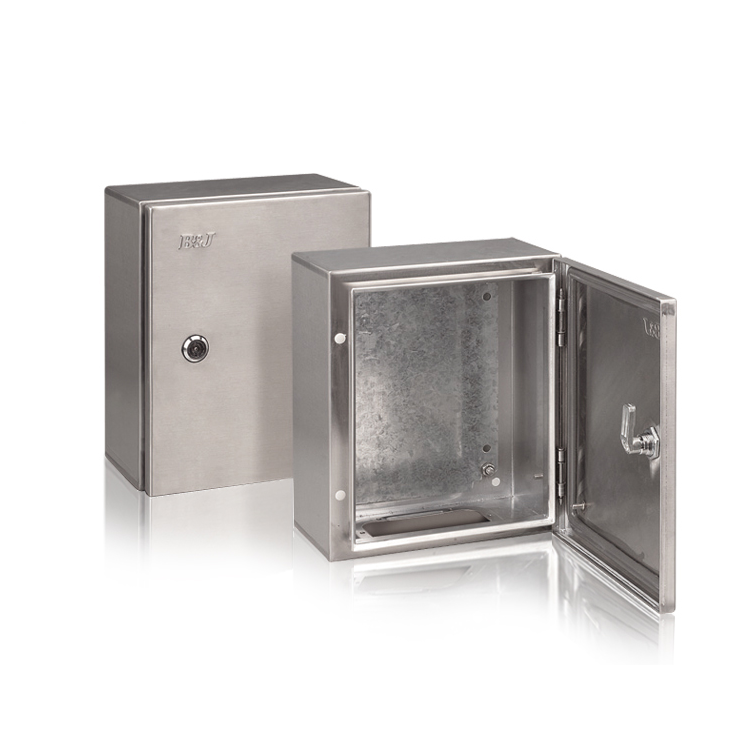
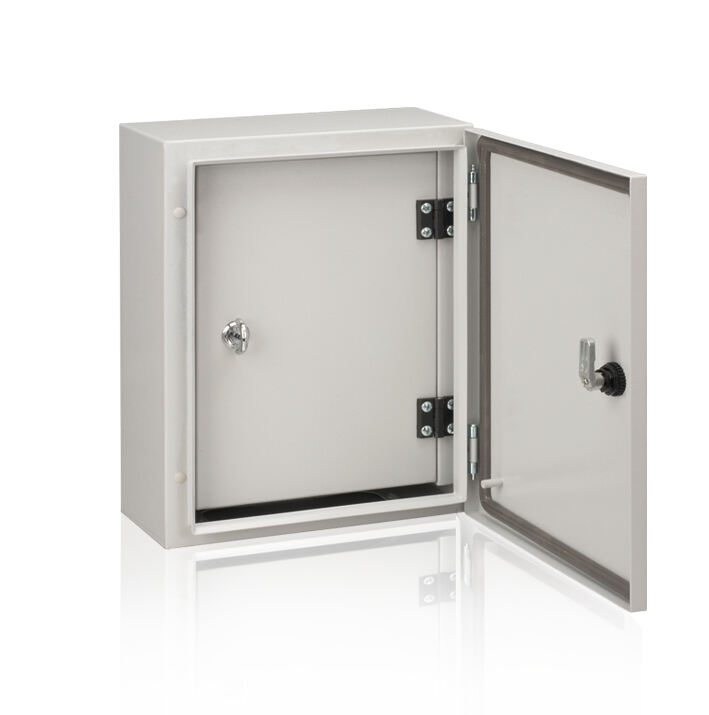
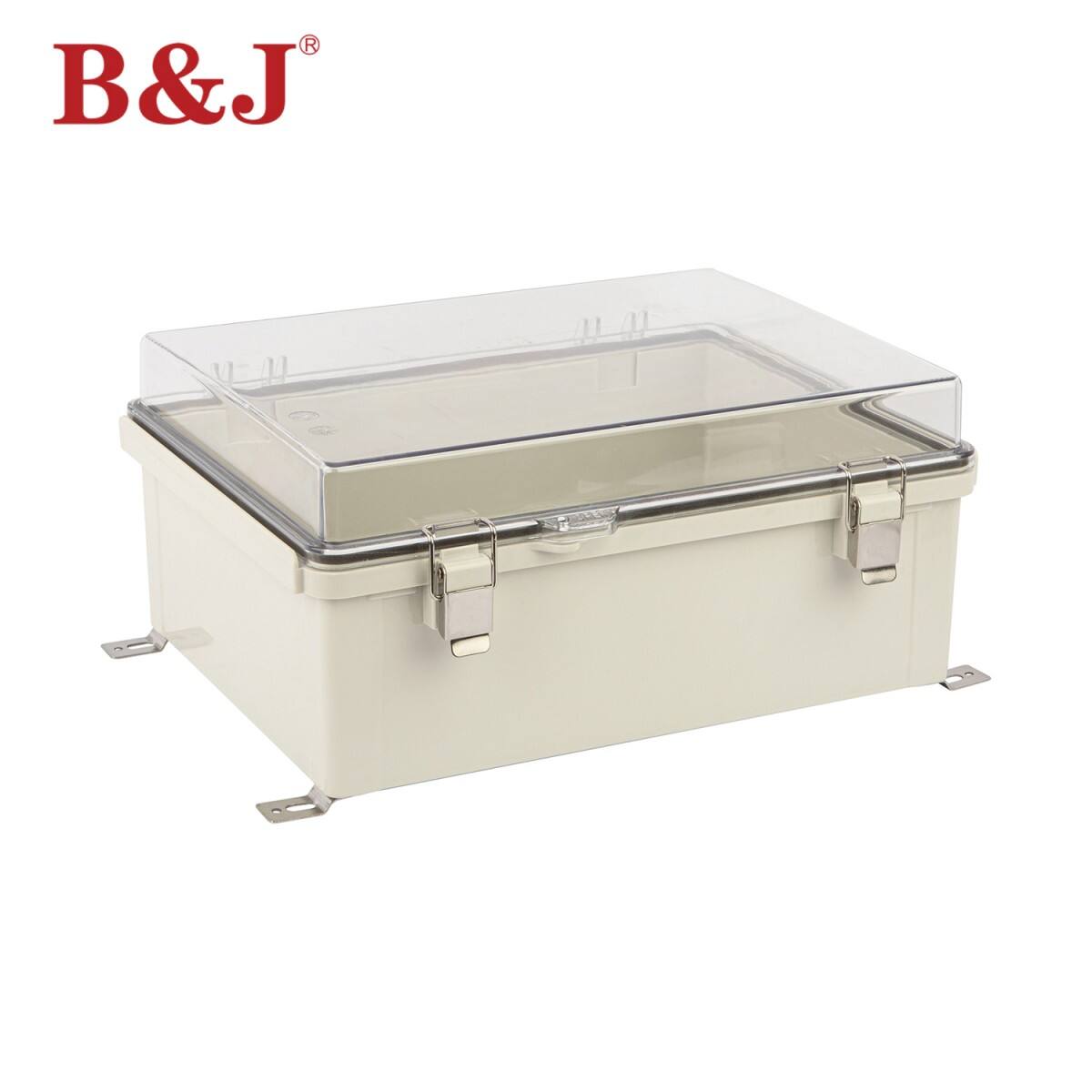
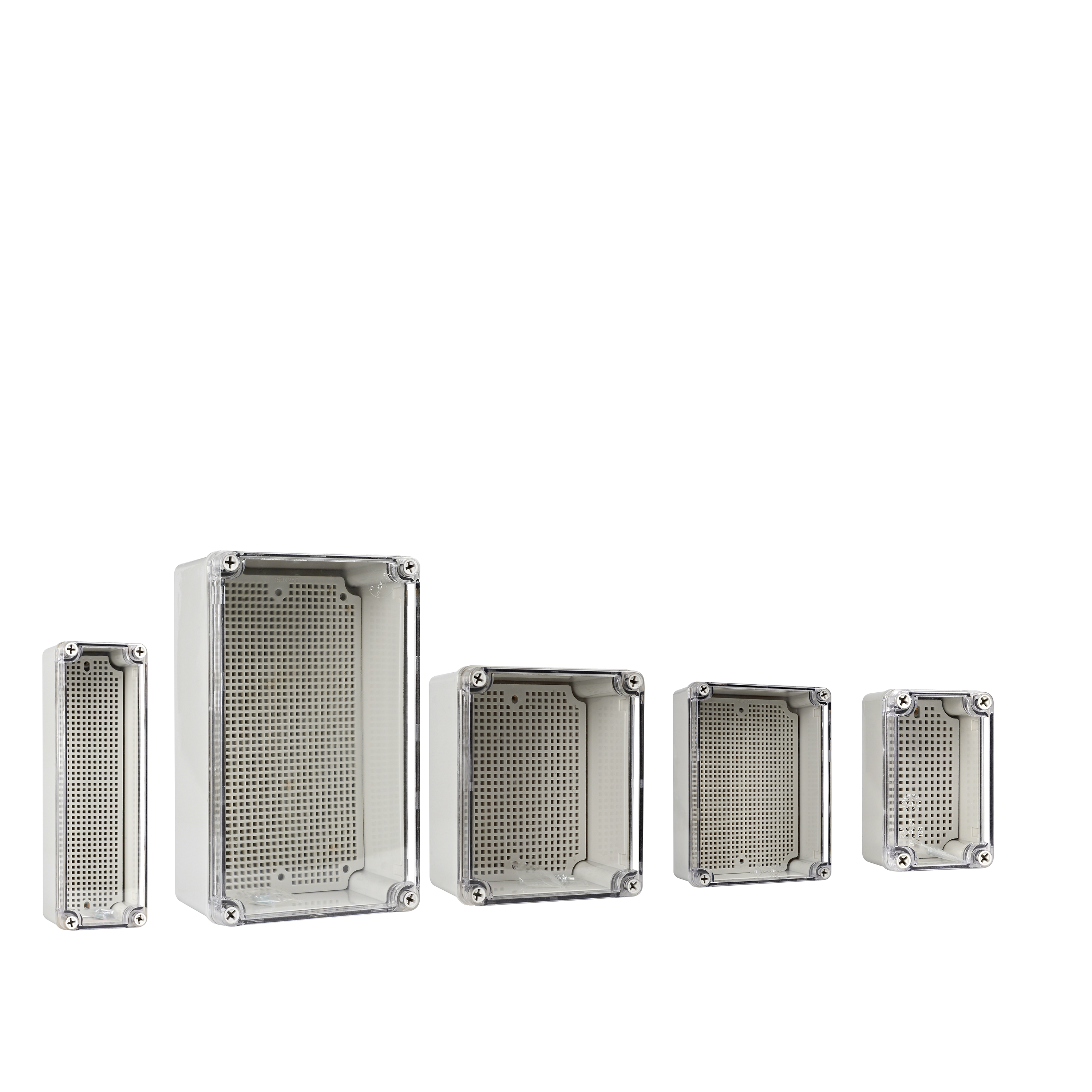
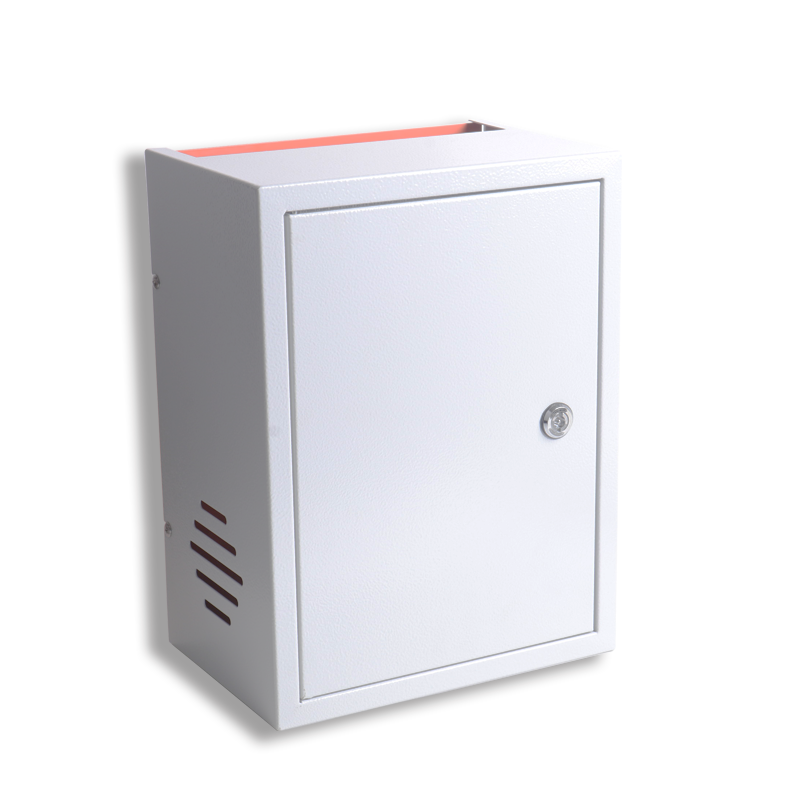
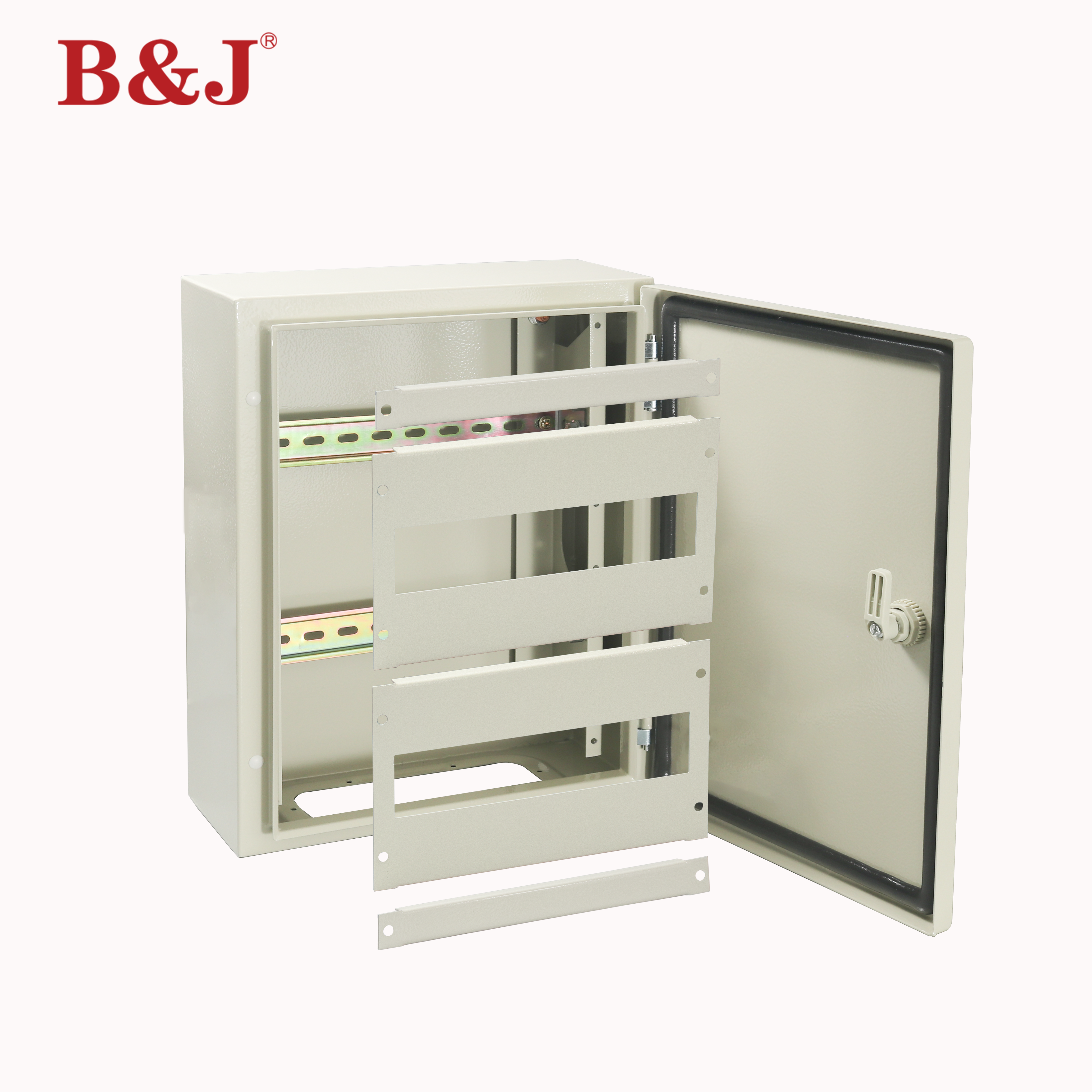
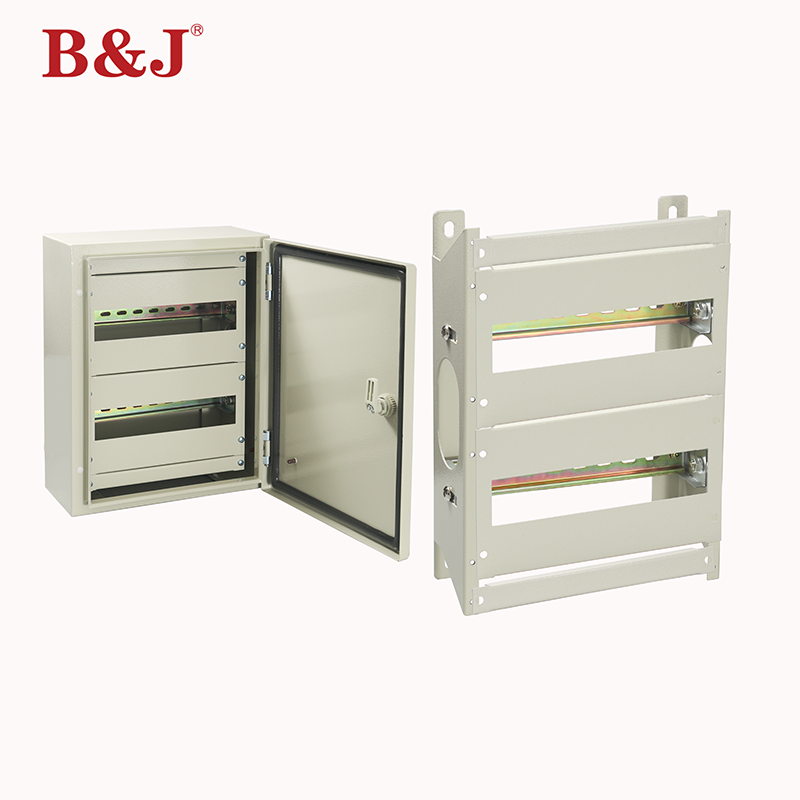
Premium Outdoor Industrial Enclosures - Weather-Resistant Protection Solutions

Get a Free Quote

Our representative will contact you soon.
Email
Name
Company Name
Message
0/1000

outdoor industrial enclosure

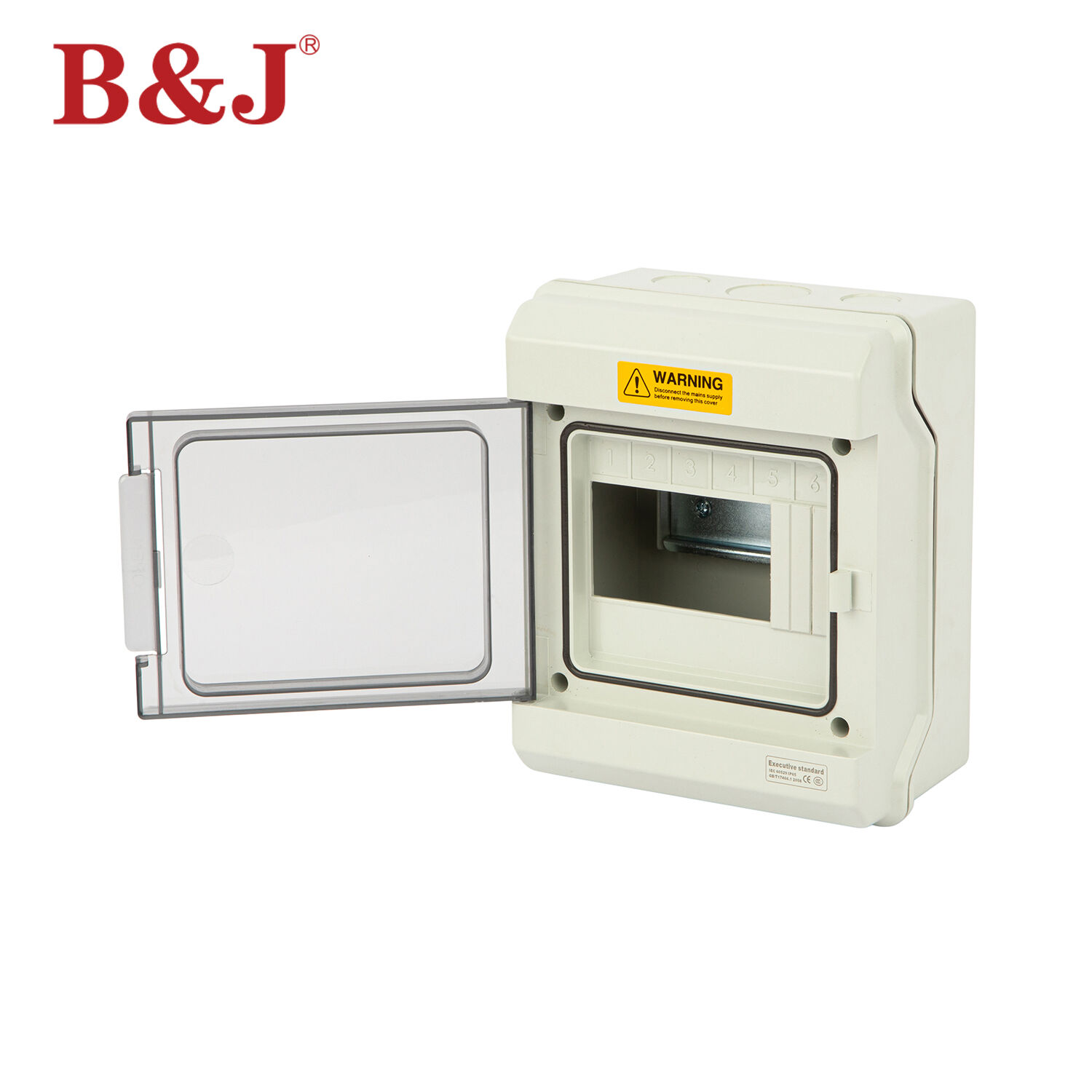
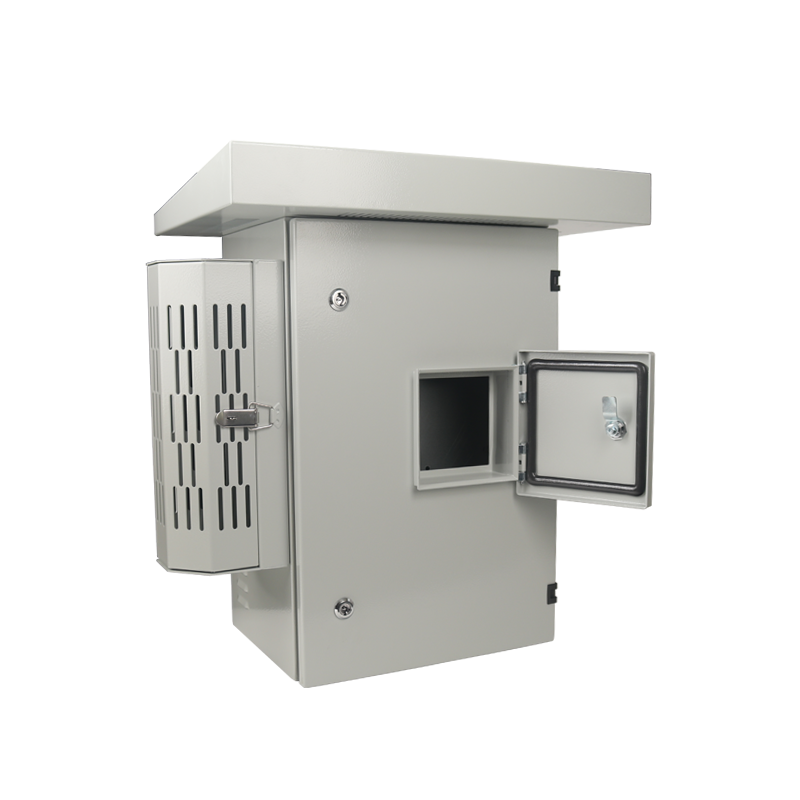
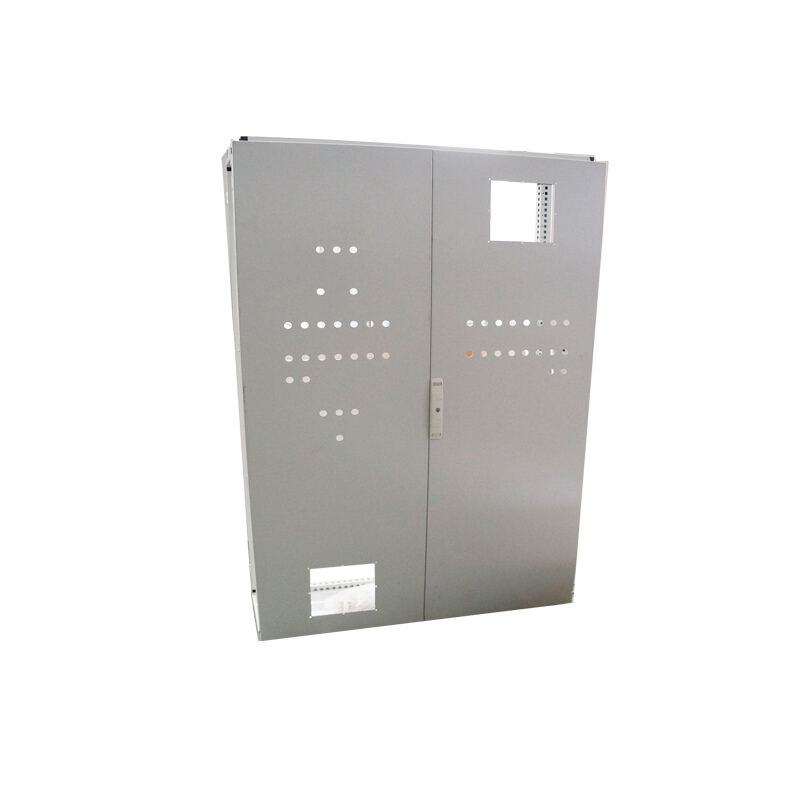
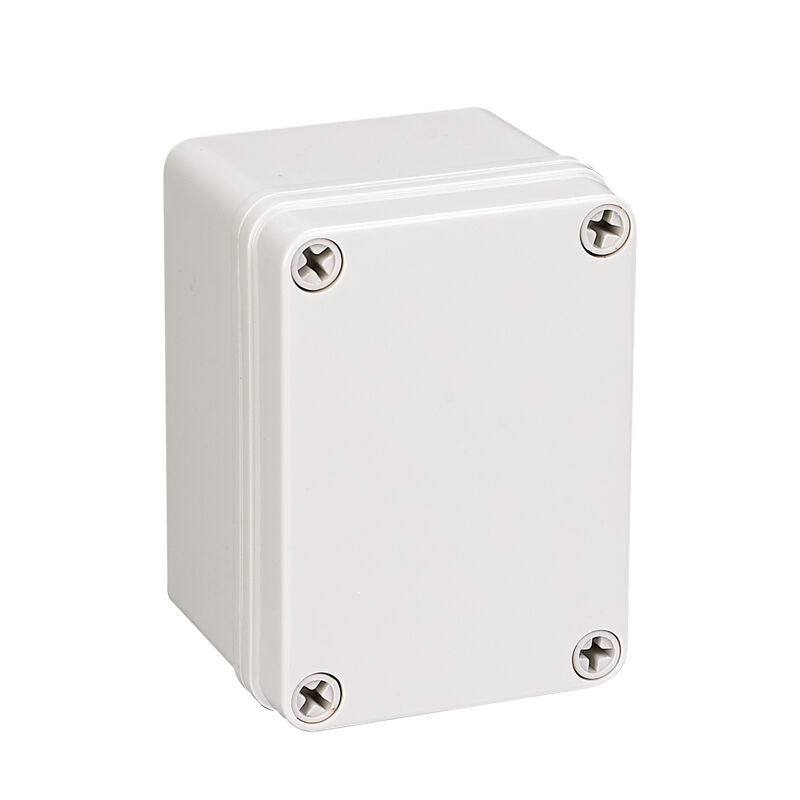
An outdoor industrial enclosure represents a critical protective solution designed to safeguard sensitive electronic equipment, control systems, and industrial components from harsh environmental conditions. These robust protective housings serve as the first line of defense against extreme weather, dust, moisture, chemicals, and physical damage in challenging outdoor environments. The primary function of an outdoor industrial enclosure involves creating a controlled microenvironment that maintains optimal operating conditions for enclosed equipment while ensuring uninterrupted performance across diverse industrial applications. Modern outdoor industrial enclosures incorporate advanced materials and engineering technologies to deliver superior protection ratings, typically meeting or exceeding NEMA and IP standards for environmental resistance. Key technological features include corrosion-resistant construction materials such as stainless steel, aluminum alloys, or specialized polymers that withstand prolonged exposure to UV radiation, temperature fluctuations, and chemical exposure. These enclosures integrate sophisticated sealing systems, ventilation mechanisms, and thermal management solutions to prevent condensation buildup and maintain stable internal temperatures. Advanced models feature modular designs that accommodate various equipment configurations while providing easy access for maintenance and upgrades. Industrial applications span across telecommunications, power generation, oil and gas processing, water treatment facilities, transportation infrastructure, and manufacturing operations. The outdoor industrial enclosure proves essential for housing critical systems including electrical panels, networking equipment, control cabinets, monitoring devices, and automation components in remote locations or exposed industrial sites. These protective solutions enable reliable operation of expensive equipment in challenging environments where traditional indoor installations prove impractical or impossible, ultimately reducing downtime, maintenance costs, and equipment replacement expenses while ensuring operational continuity.

New Product Releases

The outdoor industrial enclosure delivers substantial advantages that directly impact operational efficiency and cost-effectiveness for industrial facilities. First, these protective solutions significantly reduce equipment replacement costs by extending the operational lifespan of enclosed components. When sensitive electronics operate within a properly designed outdoor industrial enclosure, they experience consistent protection from environmental stressors that typically cause premature failure. This protection translates into measurable savings on capital equipment investments and reduces the frequency of costly emergency repairs. The robust construction prevents moisture infiltration, which eliminates corrosion-related damage and electrical shorts that often plague exposed equipment installations. Second, maintenance requirements decrease substantially when equipment operates within an outdoor industrial enclosure. The controlled environment reduces dust accumulation, prevents insect infiltration, and minimizes exposure to corrosive elements that typically necessitate frequent cleaning and component replacement. Technicians spend less time performing preventive maintenance tasks, allowing them to focus on productive activities that enhance overall system performance. The organized internal layout of quality enclosures also streamlines maintenance procedures, reducing service time and associated labor costs. Third, operational reliability improves dramatically with proper enclosure implementation. Equipment housed within outdoor industrial enclosures experiences fewer unexpected failures, reducing costly production interruptions and emergency service calls. The stable operating environment maintains consistent performance parameters, ensuring that critical systems function within design specifications regardless of external weather conditions. This reliability proves particularly valuable for remote installations where equipment failures can result in extended downtime due to accessibility challenges. Fourth, installation flexibility increases significantly with outdoor industrial enclosures. These solutions enable equipment deployment in previously unsuitable locations, expanding operational capabilities without requiring expensive building construction or indoor facility modifications. Companies can position critical systems closer to operational processes, improving system response times and reducing cable runs that introduce signal degradation or power losses. The modular nature of modern enclosures also supports future expansion or reconfiguration needs without requiring complete system overhauls.

Tips And Tricks

Top 5 Junction-Box Mounting Mistakes & How to Avoid Them

24

Mar

Top 5 Junction-Box Mounting Mistakes & How to Avoid Them

Improper junction box mounting represents one of the most common yet preventable issues in electrical installations, potentially leading to safety hazards, code violations, and costly repairs. Understanding the critical mounting mistakes that plague ...
View More
2025 Industrial Metal Enclosure Pricing & Sourcing Guide

23

Apr

2025 Industrial Metal Enclosure Pricing & Sourcing Guide

Industrial procurement professionals face increasingly complex decisions when sourcing metal enclosure solutions in 2025, with market dynamics shifting due to raw material costs, manufacturing innovations, and evolving regulatory requirements. This c...
View More
Modular Enclosure Panel Cut-Out Standards (Free Templates)

23

Apr

Modular Enclosure Panel Cut-Out Standards (Free Templates)

Modular enclosure panel cut-out standards represent the backbone of professional electrical installations, providing precise dimensional specifications that ensure component compatibility and installation efficiency. These standardized measurements e...
View More
Are Plastic Enclosures Durable? 2025 New-Material Lab Report

23

Apr

Are Plastic Enclosures Durable? 2025 New-Material Lab Report

Modern industrial applications demand housing solutions that can withstand harsh environmental conditions while maintaining cost-effectiveness and design flexibility. The durability question surrounding plastic enclosure technology has become increas...
View More

Get a Free Quote

Our representative will contact you soon.
Email
Name
Company Name
Message
0/1000

outdoor industrial enclosure

Advanced Weather Protection Technology

Advanced Weather Protection Technology

The outdoor industrial enclosure incorporates cutting-edge weather protection technology that ensures reliable equipment operation under the most challenging environmental conditions. This sophisticated protection system begins with precision-engineered sealing mechanisms that create multiple barriers against moisture infiltration. Advanced gasket systems utilize specialized elastomeric materials that maintain their sealing properties across extreme temperature ranges, from arctic cold to desert heat. These seals undergo rigorous testing to ensure long-term performance without degradation from UV exposure, ozone, or chemical contact. The enclosure shell construction employs premium materials specifically selected for their resistance to environmental stressors. Marine-grade aluminum alloys provide excellent corrosion resistance while maintaining structural integrity under mechanical stress. Stainless steel variants offer superior chemical resistance for installations near industrial processes involving aggressive chemicals or salt spray environments. The surface treatments include advanced powder coating systems that create durable barriers against oxidation and provide enhanced color retention despite prolonged UV exposure. Thermal management represents another critical aspect of the weather protection system. Integrated ventilation systems maintain optimal internal temperatures while preventing contamination ingress. These systems utilize filtered air exchange mechanisms that balance temperature control with environmental protection. Advanced models incorporate thermostatically controlled fans and heating elements that automatically respond to changing ambient conditions. The intelligent thermal management prevents condensation formation that could damage sensitive electronics while ensuring equipment operates within specified temperature ranges. Water management features include strategically positioned drain systems that eliminate any moisture accumulation while maintaining seal integrity. Sloped internal surfaces direct any potential moisture toward designated drainage points, preventing pooling that could lead to humidity problems. Cable entry systems utilize specialized fittings that maintain weatherproof integrity while accommodating various cable types and sizes. These entry systems allow for easy installation and future modifications without compromising the enclosure's protective capabilities.
Modular Design Flexibility and Scalability

Modular Design Flexibility and Scalability

The modular design philosophy of the outdoor industrial enclosure provides unmatched flexibility and scalability that adapts to evolving operational requirements. This innovative approach enables users to configure enclosures that precisely match their specific equipment needs while maintaining the option for future expansion or reconfiguration. The modular framework utilizes standardized mounting systems and connection interfaces that support a wide variety of equipment types and manufacturers. Internal mounting rails follow industry standards, ensuring compatibility with existing equipment while providing secure, vibration-resistant installation platforms. The modular approach extends to power distribution systems within the enclosure. Integrated power management modules accommodate various voltage requirements and distribution schemes, from simple single-phase connections to complex three-phase systems with multiple branch circuits. These power modules feature circuit protection, monitoring capabilities, and remote control options that enhance operational safety and system management. Users can select appropriate power modules during initial installation and easily upgrade or modify power distribution as system requirements evolve. Communication and networking modules represent another key aspect of the modular design. These specialized modules provide organized cable management, network switching capabilities, and signal conditioning functions tailored to specific application requirements. The modular network systems support various communication protocols and can be configured to handle fiber optic, copper-based, or wireless communication needs. Future technology upgrades become straightforward through module replacement rather than complete enclosure replacement. Environmental control modules offer additional customization options for applications requiring precise internal climate management. These modules can include humidity control systems, gas purging capabilities, or specialized filtration systems for sensitive equipment protection. The modular environmental systems allow users to specify exactly the level of climate control required for their specific application without paying for unnecessary features. Expansion capabilities remain a cornerstone of the modular design philosophy. Additional enclosure sections can be seamlessly integrated with existing installations through standardized connection systems. This scalability proves particularly valuable for growing operations that need to add equipment capacity without disrupting existing systems. The modular expansion maintains consistent protection levels and system integration while minimizing installation complexity and associated costs.
Enhanced Security and Access Control Features

Enhanced Security and Access Control Features

The outdoor industrial enclosure incorporates comprehensive security and access control features that protect valuable equipment from unauthorized access while ensuring legitimate maintenance personnel can perform necessary tasks efficiently and safely. Multi-level security systems begin with robust mechanical locking mechanisms that utilize high-security lock cylinders resistant to picking, bumping, and drilling attacks. These locks feature restricted key systems that prevent unauthorized key duplication while providing controlled access hierarchy for different personnel levels. Master key systems enable facility managers to maintain oversight while granting appropriate access levels to maintenance technicians, contractors, and other authorized personnel. Electronic access control options provide advanced security capabilities including audit trails, time-based access restrictions, and remote access management. Smart lock systems integrate with facility management networks, enabling real-time monitoring of enclosure access events and automated alerts for unauthorized access attempts. Biometric access options, including fingerprint and proximity card systems, eliminate key management concerns while providing positive identification of accessing personnel. These electronic systems maintain detailed logs of all access events, supporting security compliance requirements and forensic investigations when necessary. Tamper detection systems represent another critical security layer that monitors enclosure integrity and alerts security personnel to any unauthorized opening attempts or physical damage. Vibration sensors detect impact events that might indicate forced entry attempts, while magnetic switches monitor door and panel positions. Advanced systems integrate multiple sensor types to provide comprehensive intrusion detection while minimizing false alarms from environmental factors like wind or thermal expansion. Visual security features enhance deterrent effects while providing evidence collection capabilities. Integrated camera systems can monitor enclosure exteriors and interiors, providing real-time surveillance and recorded documentation of access events. Motion-activated lighting systems illuminate the enclosure area during dark conditions, supporting both security monitoring and safe maintenance operations. These lighting systems often incorporate energy-efficient LED technology with backup power capabilities to ensure consistent operation during power outages. Internal organization and access safety features protect both equipment and personnel during maintenance operations. Clearly labeled component sections and standardized layouts reduce the risk of accidental damage during routine maintenance. Safety interlocking systems prevent energized equipment access while ensuring proper shutdown procedures are followed before maintenance begins. Emergency access procedures provide fail-safe methods for critical system access during emergency situations while maintaining security protocols.
Premium Outdoor Industrial Enclosures - Weather-Resistant Protection Solutions

Get a Free Quote

Our representative will contact you soon.
Email
Name
Company Name
Message
0/1000