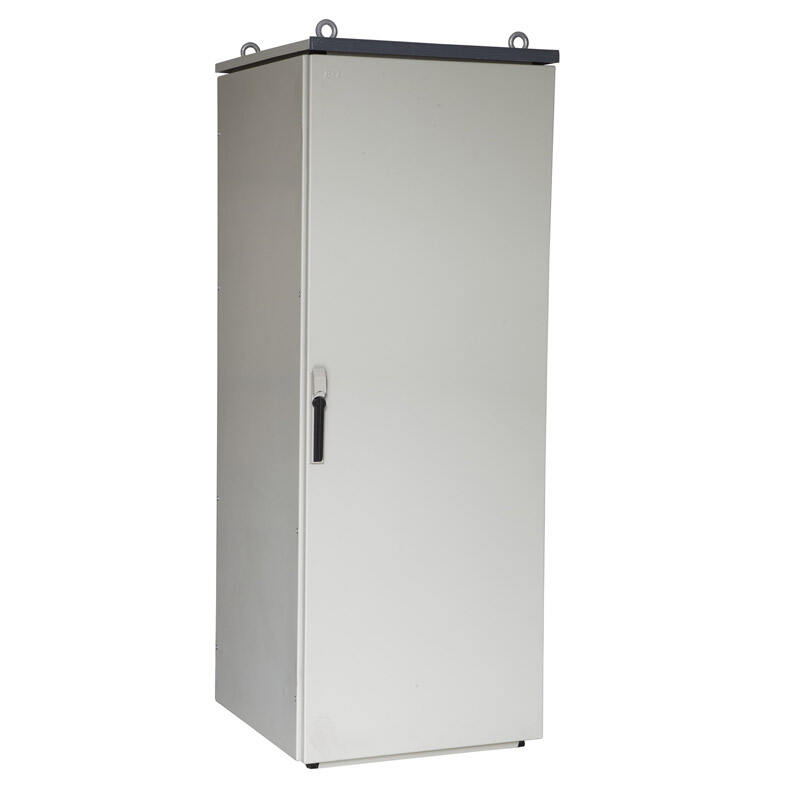
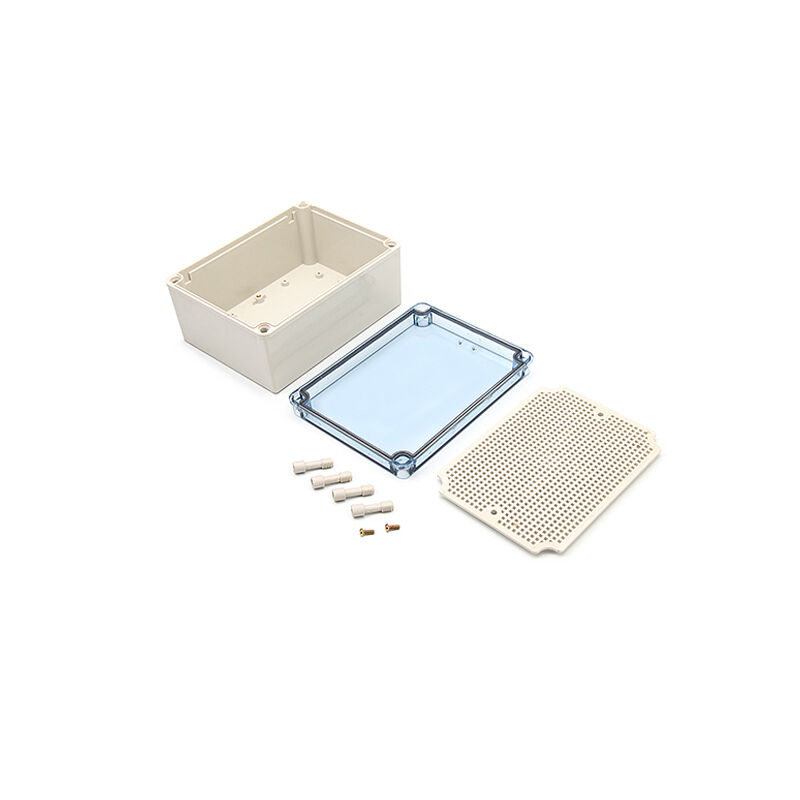
stainless steel industrial enclosure
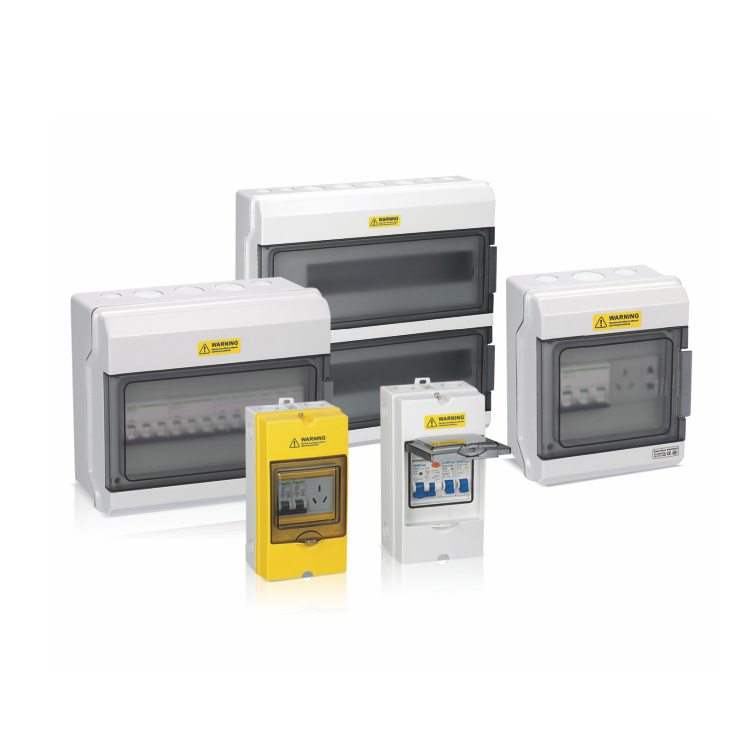
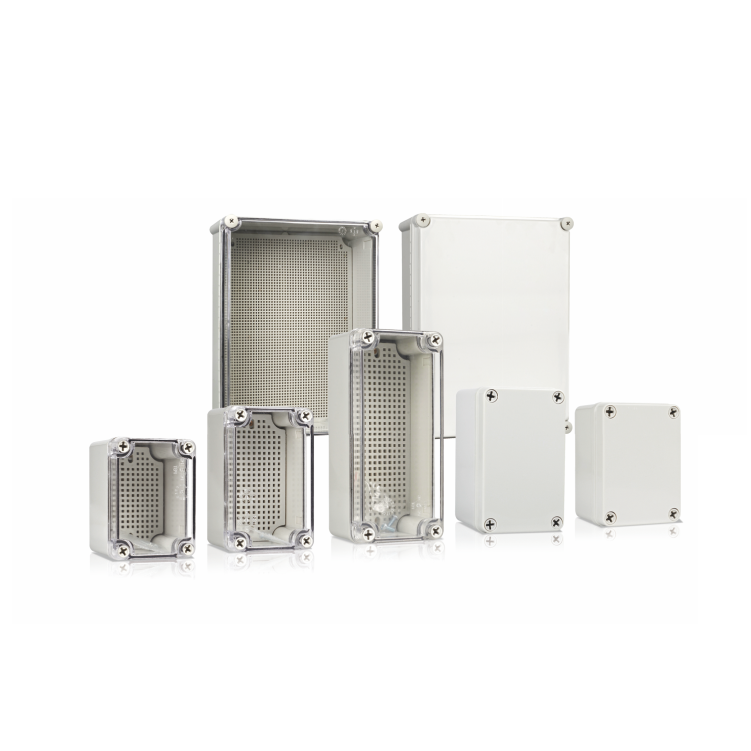
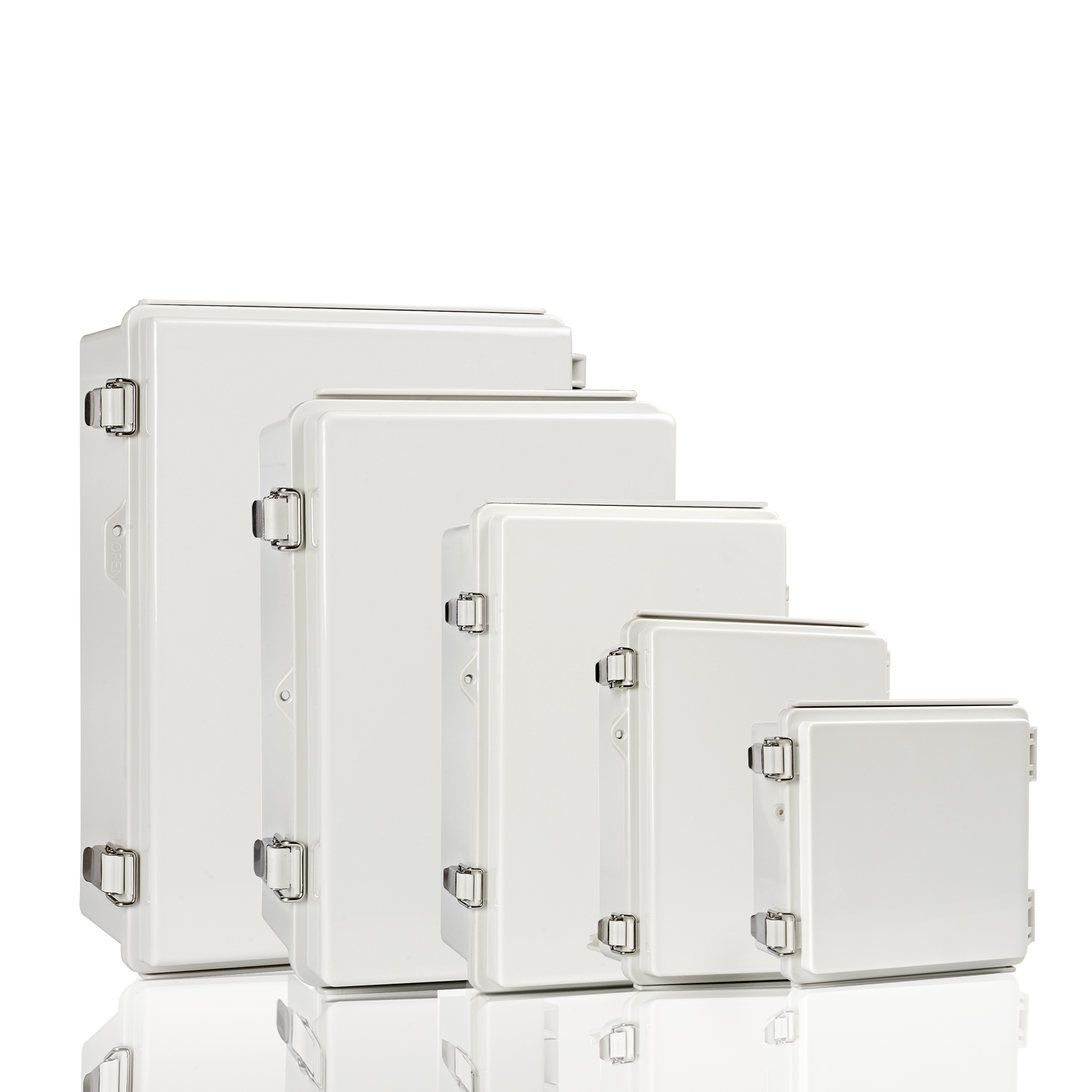
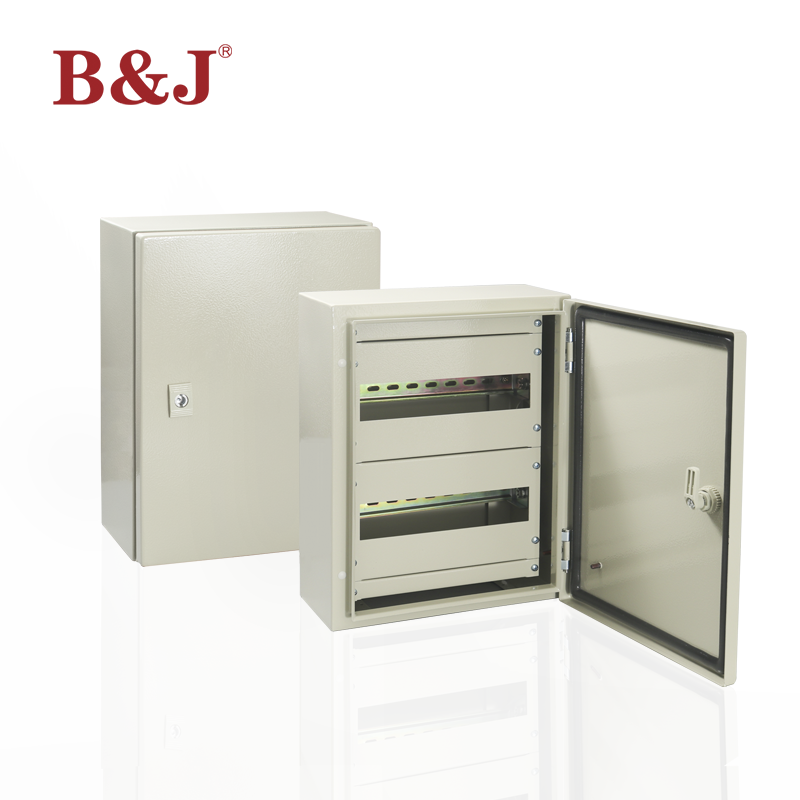
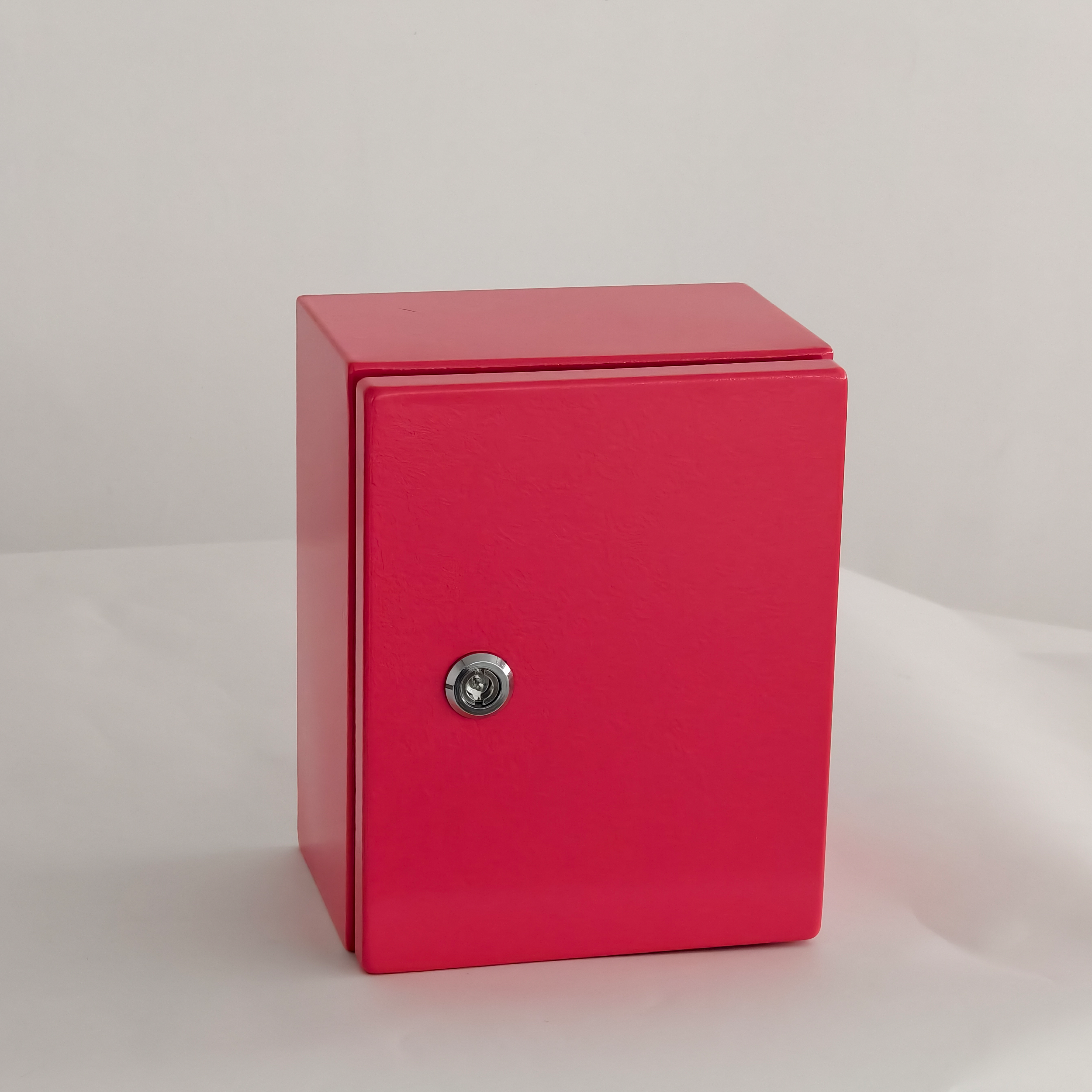
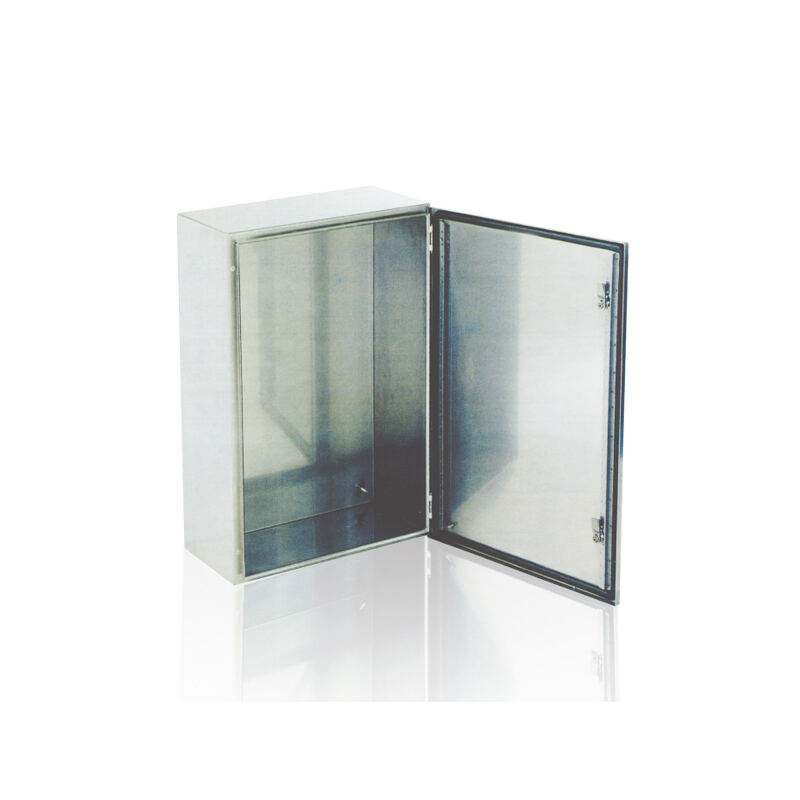
A stainless steel industrial enclosure represents a critical protective housing solution designed to safeguard sensitive electronic equipment and control systems in demanding industrial environments. These robust protective cabinets serve multiple essential functions, including shielding internal components from environmental hazards, electromagnetic interference, and unauthorized access while maintaining optimal operating conditions for enclosed equipment. The primary technological features of stainless steel industrial enclosures include superior corrosion resistance, exceptional structural integrity, and advanced sealing mechanisms that prevent moisture, dust, and chemical contaminants from compromising internal systems. Modern enclosure designs incorporate sophisticated ventilation systems, cable management solutions, and modular mounting configurations that accommodate various equipment types and sizes. The manufacturing process utilizes high-grade stainless steel alloys, typically 304 or 316 series, which provide outstanding durability and resistance to extreme temperatures, chemical exposure, and mechanical stress. Applications for stainless steel industrial enclosures span numerous sectors, including food processing facilities, pharmaceutical manufacturing, chemical plants, marine installations, and outdoor telecommunications infrastructure. These protective housings prove essential in environments where standard materials would deteriorate rapidly due to harsh conditions such as high humidity, salt exposure, acidic atmospheres, or extreme temperature fluctuations. The enclosures accommodate diverse equipment types, from programmable logic controllers and variable frequency drives to networking equipment and power distribution components. Installation flexibility allows for wall mounting, floor standing, or pole mounting configurations, depending on specific application requirements. Quality stainless steel industrial enclosures feature precision-engineered door seals, heavy-duty hinges, and secure locking mechanisms that ensure long-term reliability and protection. The internal design typically includes adjustable mounting rails, cable entry points with appropriate sealing, and provisions for cooling systems when necessary, making them indispensable for modern industrial automation and control applications.
 EN
EN