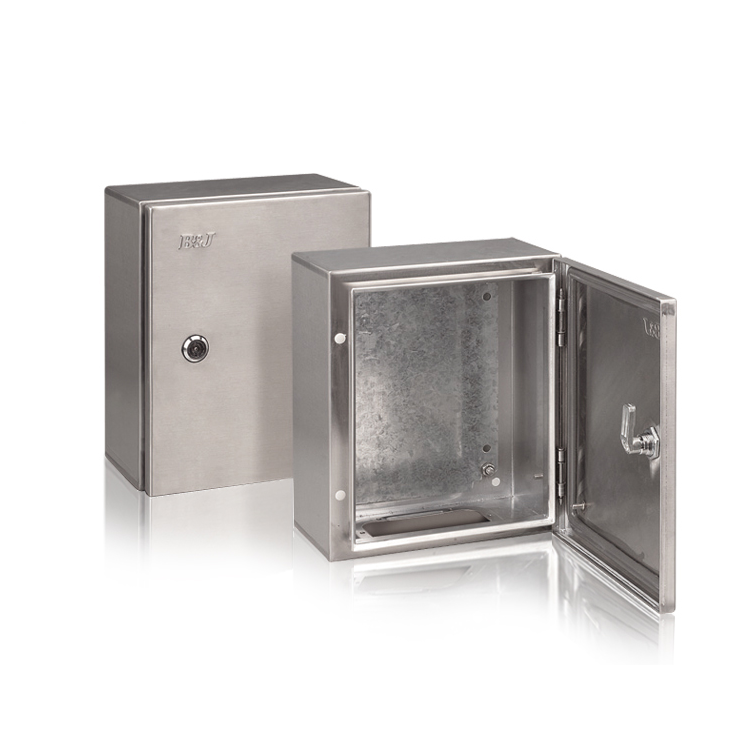
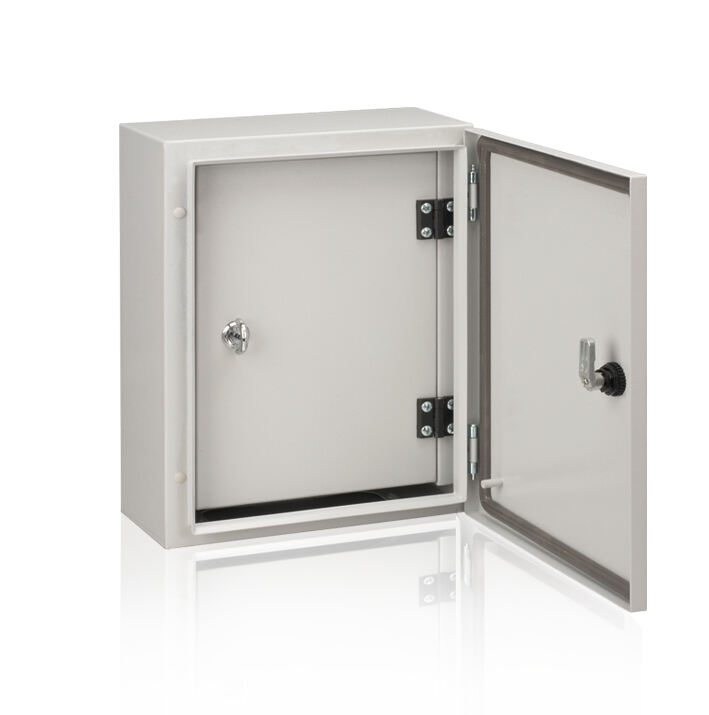
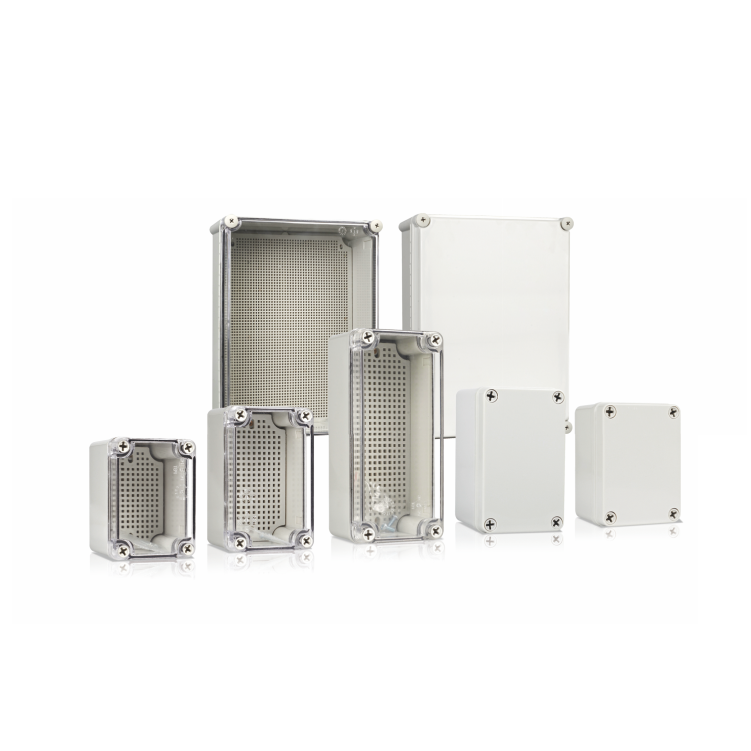
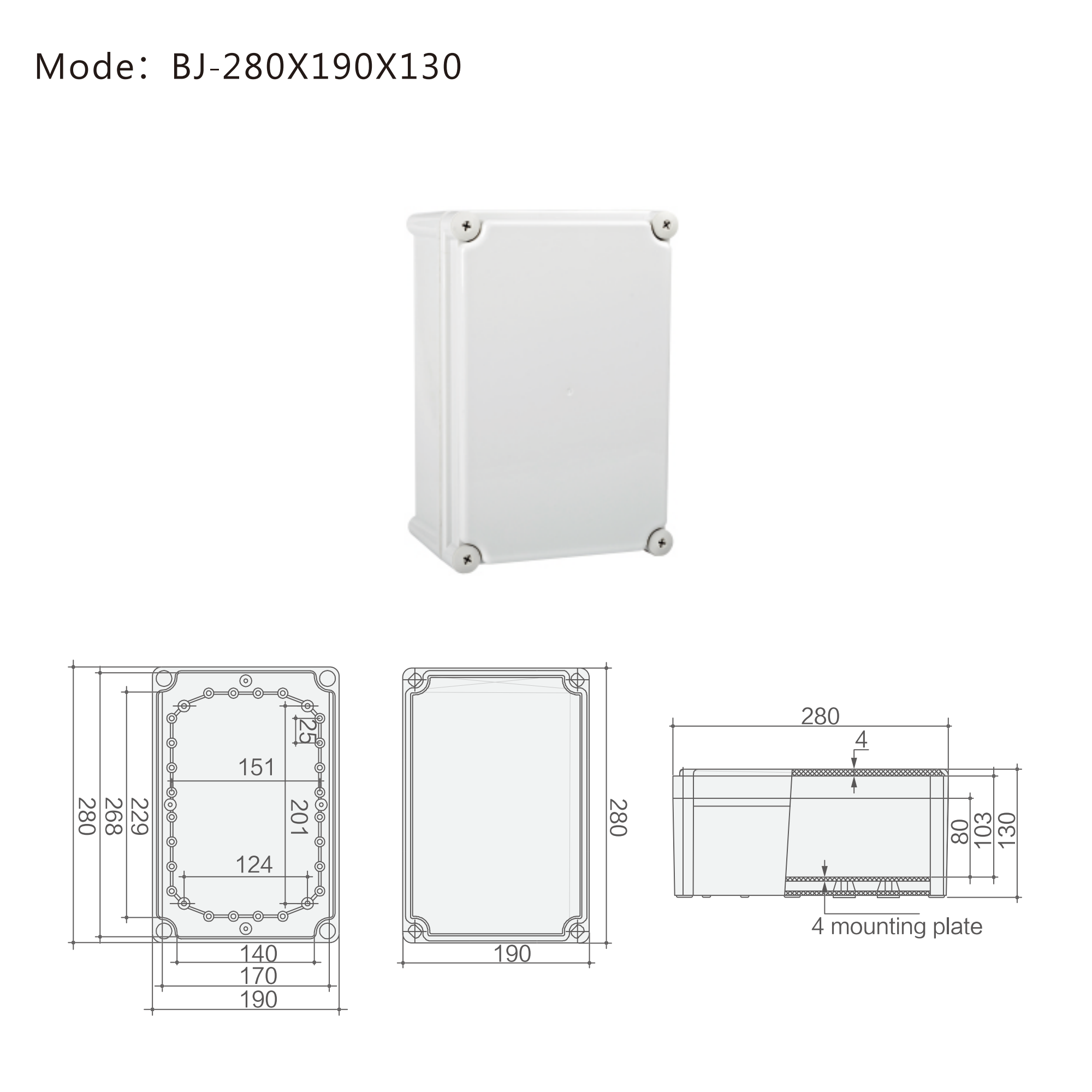
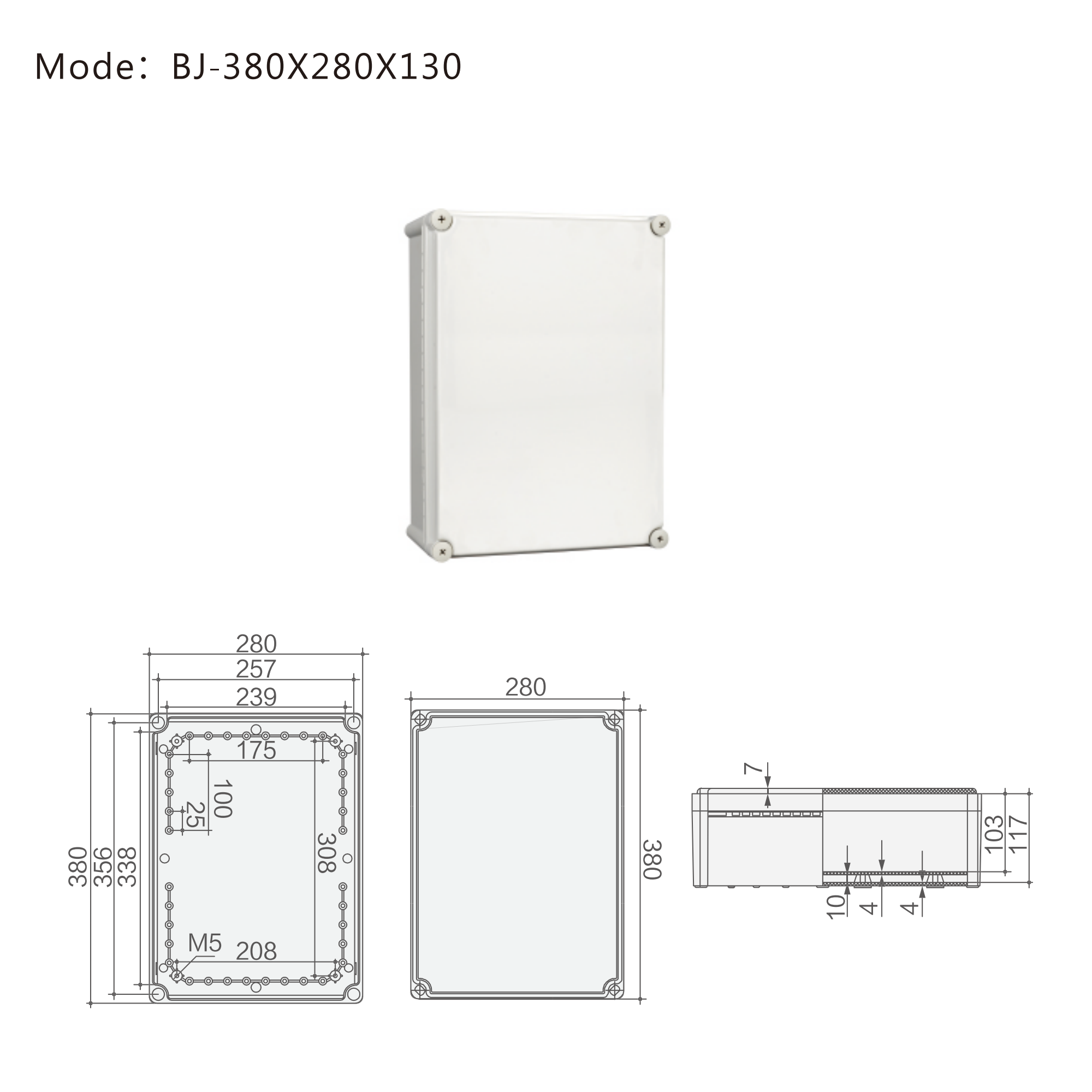
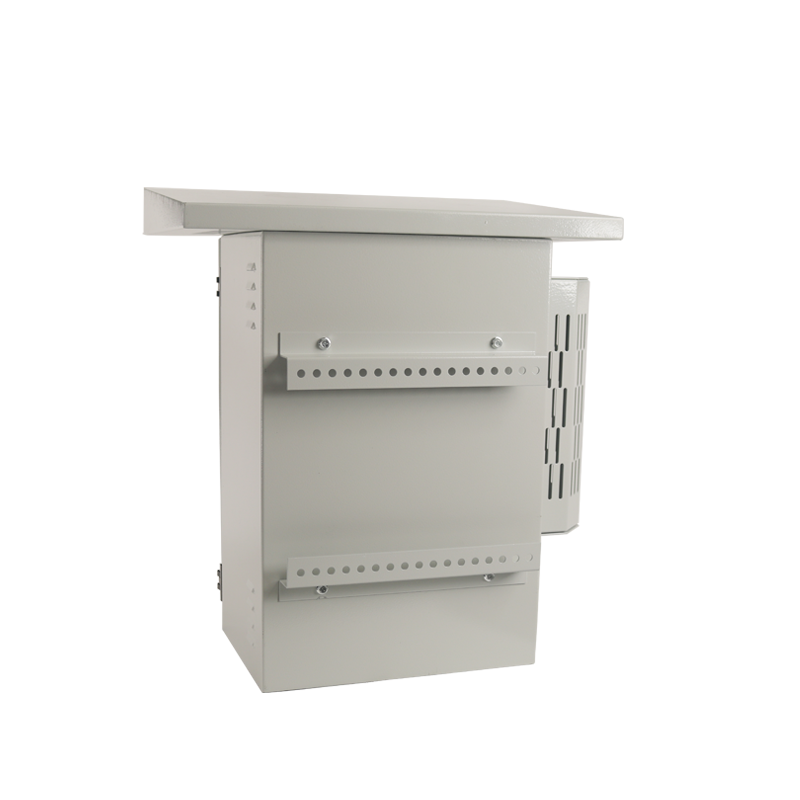
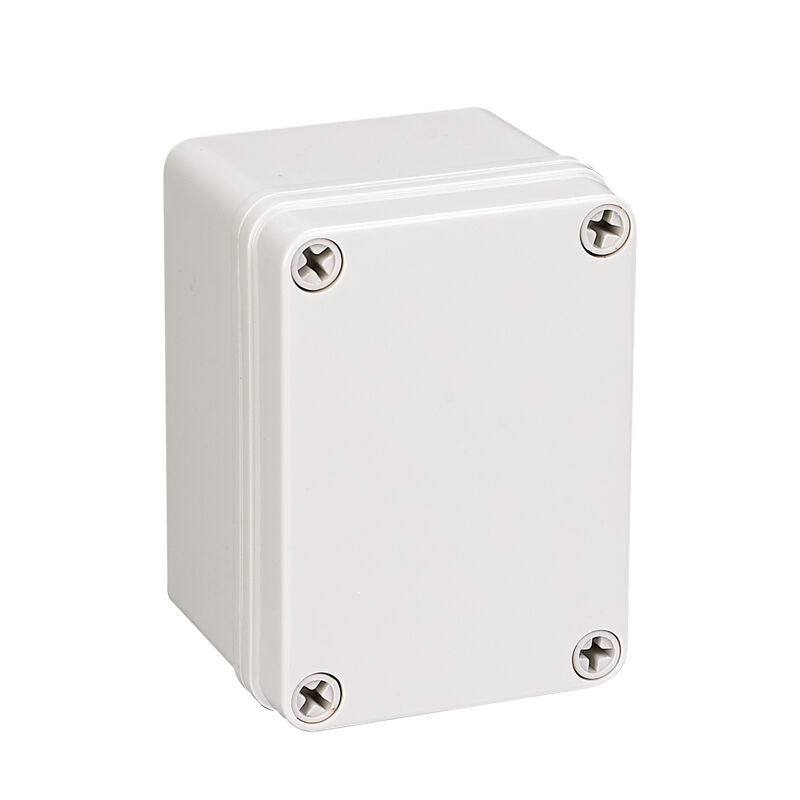
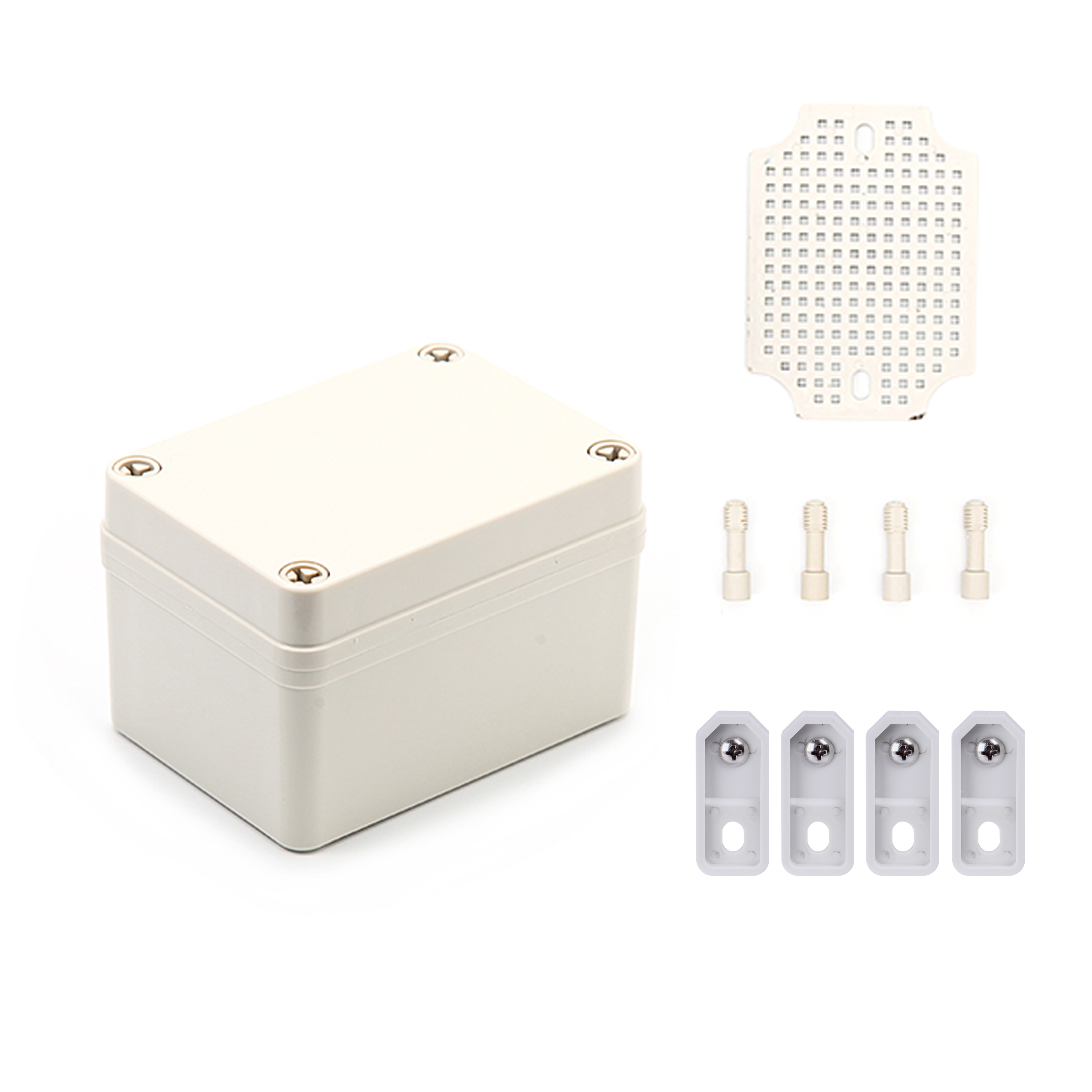
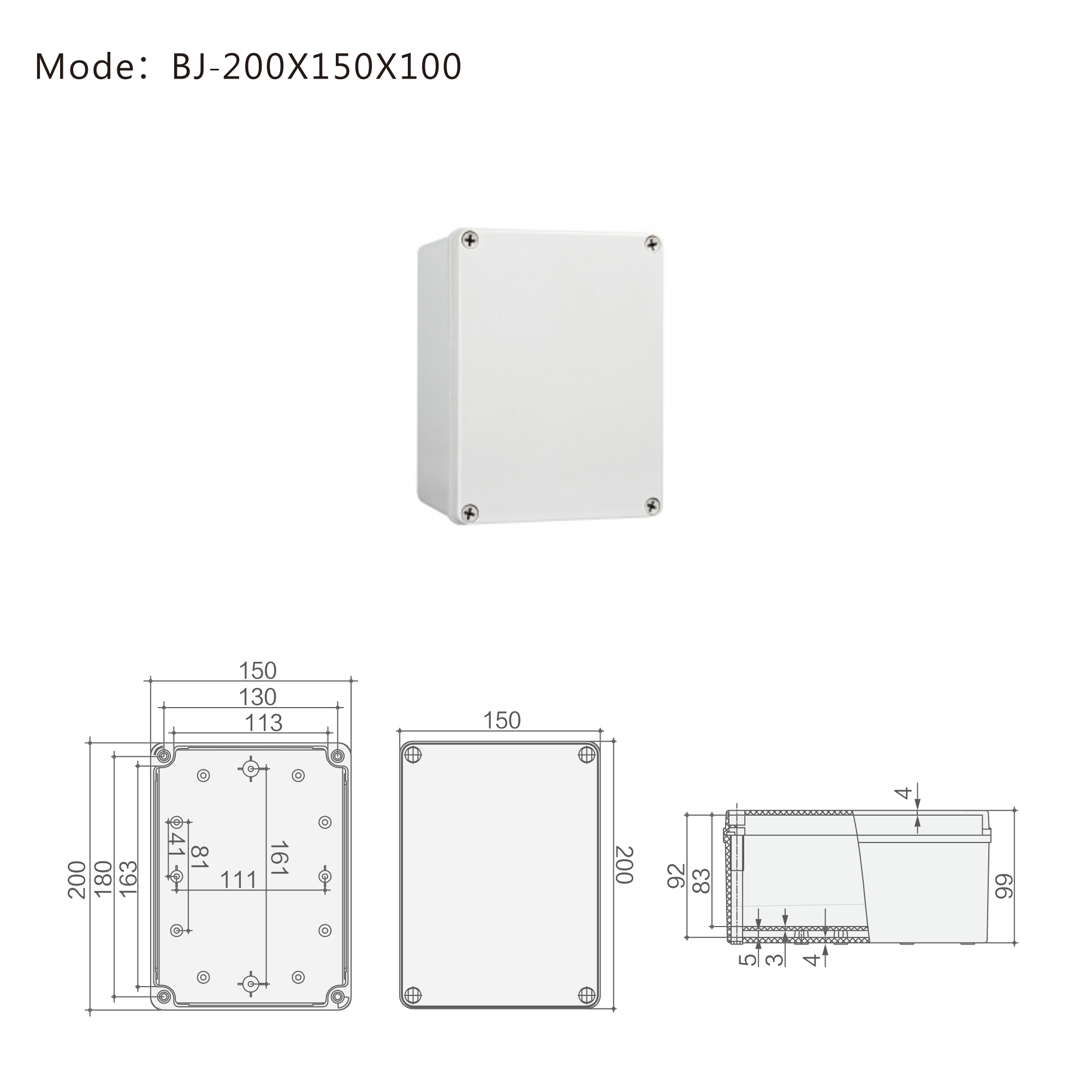
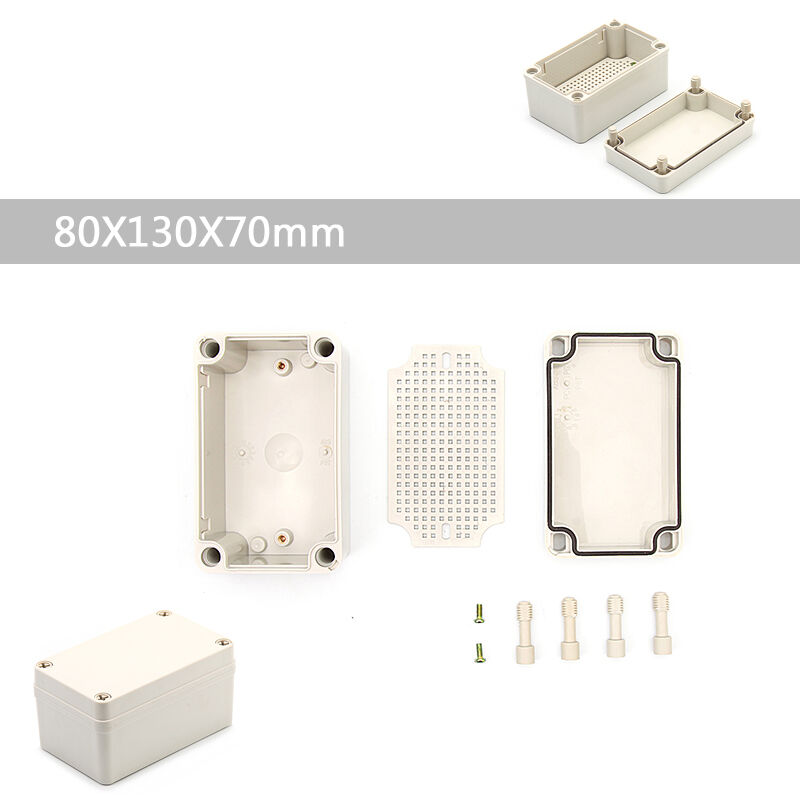
metal junction enclosure
A metal junction enclosure represents a critical infrastructure component designed to protect and organize electrical connections in various industrial and commercial applications. These robust protective housings serve as secure meeting points where multiple electrical circuits, cables, or conduits converge, ensuring safe and reliable power distribution throughout complex systems. The metal junction enclosure provides essential safeguarding against environmental hazards, electromagnetic interference, and unauthorized access while maintaining optimal functionality of enclosed electrical components. Modern metal junction enclosures incorporate advanced engineering principles to deliver superior performance in demanding operational environments. These units feature precision-manufactured steel or aluminum construction that offers exceptional durability and longevity compared to alternative materials. The strategic design includes multiple entry points, mounting provisions, and internal organization systems that facilitate efficient installation and maintenance procedures. Professional engineers specify metal junction enclosures for applications requiring enhanced protection levels, superior mechanical strength, and compliance with stringent safety regulations. The technological sophistication of contemporary metal junction enclosures extends beyond basic protection to include integrated grounding systems, ventilation mechanisms, and modular expansion capabilities. These enclosures accommodate various connection types including terminal blocks, bus bars, switches, and monitoring equipment while maintaining proper spacing and accessibility for service personnel. The metal construction provides natural electromagnetic shielding properties that prevent interference with sensitive electronic components housed within or nearby installations. Quality metal junction enclosures undergo rigorous testing protocols to ensure compliance with international standards for ingress protection, fire resistance, and mechanical impact resistance. Their versatile design accommodates diverse voltage levels and current capacities, making them suitable for residential, commercial, and industrial applications ranging from basic power distribution to complex automation systems requiring precise control and monitoring capabilities.
 EN
EN